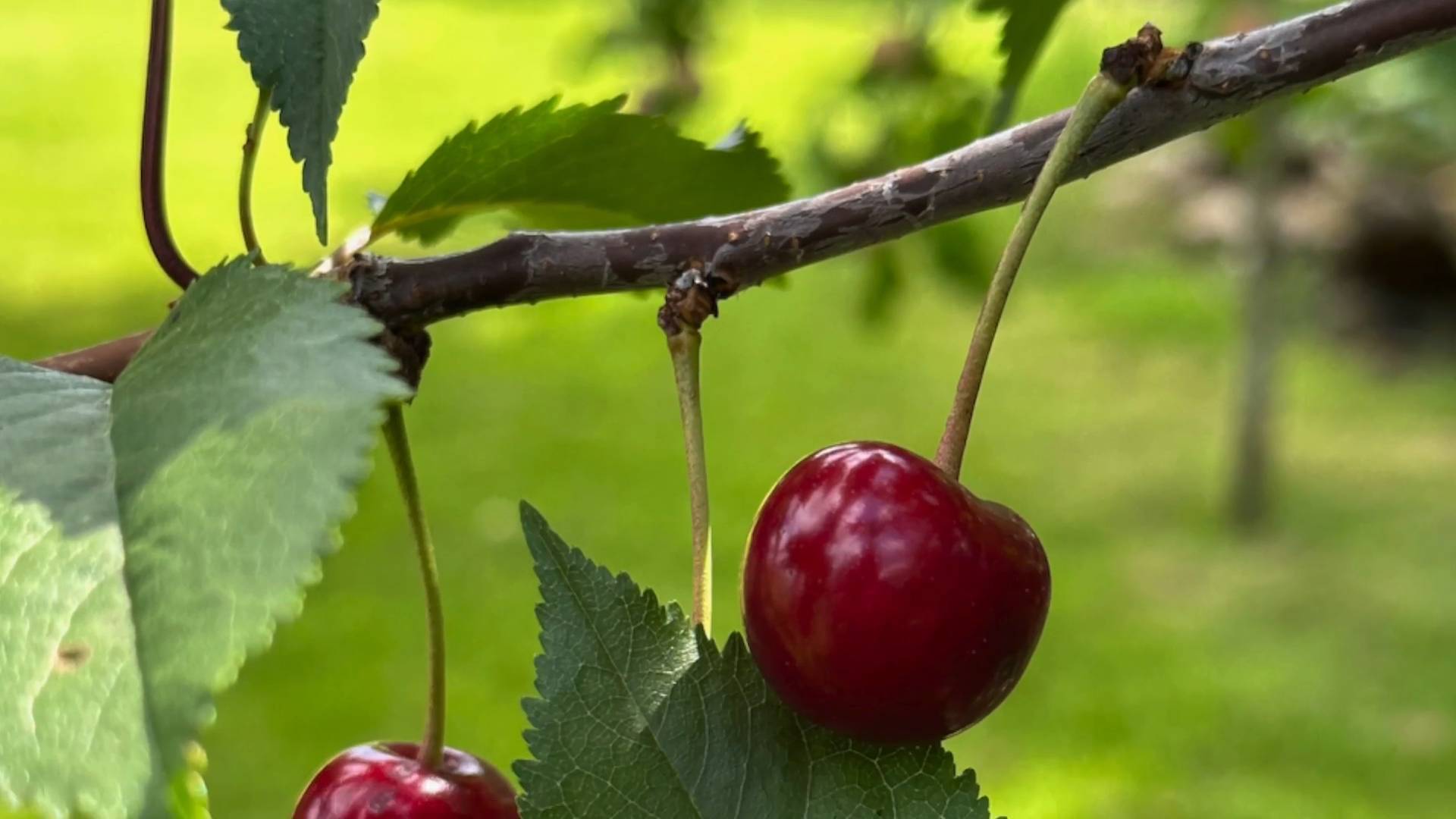
How To Prune A Cherry Tree Uk
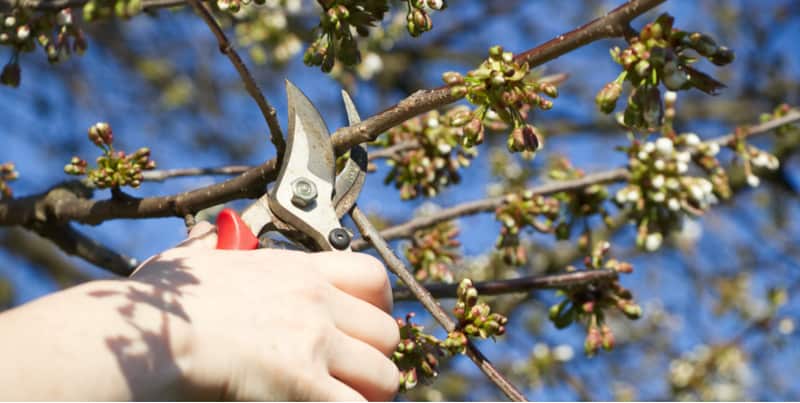
Ever looked at a cherry tree in full bloom and felt a little pang of jealousy? You know, the ones absolutely dripping with those gorgeous, ruby-red fruits? Well, guess what? You could have one too! And the secret to a happy, fruitful cherry tree, especially here in the UK, isn't some ancient horticultural magic. It's actually a bit of pruning!
Now, I know what you're thinking: "Pruning? Sounds complicated!" But honestly, it's more like a gentle trim, a little haircut for your tree. Think of it as giving your cherry tree a spa day. It makes it feel good, look good, and best of all, produce more of those delicious cherries you've been dreaming about. It’s surprisingly rewarding, and when those first little fruits start to appear, you’ll feel like a garden guru.
The best time to get your pruning tools ready is usually late summer or early autumn. This is after the fruiting season has wound down and the tree is getting ready for a bit of a rest. Doing it at this time helps prevent any nasty diseases from sneaking in through the cuts. It’s like giving your tree a cozy blanket before winter.
Must Read
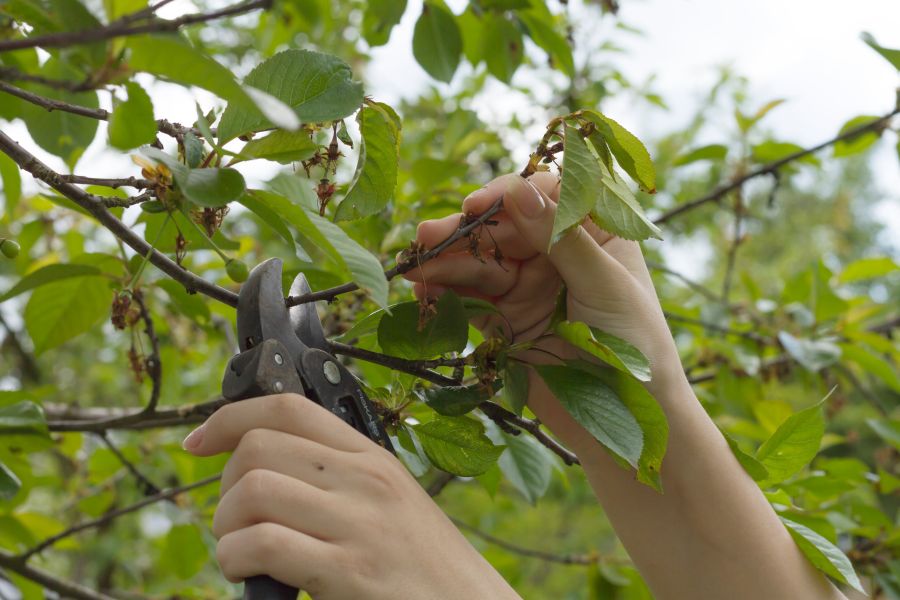
So, grab yourself a good pair of secateurs. Make sure they're nice and sharp – blunt ones can do more harm than good. You might also want a larger lopper for thicker branches, or even a pruning saw if your tree has gotten a bit out of hand. Don't go out and buy a whole tree surgeon's toolkit, though! Start simple.
The main goal is to create a nice, open structure. Imagine a lovely, airy umbrella shape. This allows sunlight and air to get into the centre of the tree. Why is this important? Because it helps ripen the fruit evenly and keeps the tree healthy. No one likes a gloomy, crowded tree, do they?
Start by looking for any dead, diseased, or damaged branches. These are the obvious ones to go. Cut them back to healthy wood. It’s like tidying up your desk – getting rid of the clutter makes everything else work better. Don't be afraid to get stuck in; your tree will thank you for it.
Next, you want to look for branches that are crossing or rubbing against each other. These can cause wounds on the tree and invite problems. Choose the stronger, better-placed branch and remove the other. It’s a bit like a sibling rivalry, but you're helping them out by choosing the most promising one.
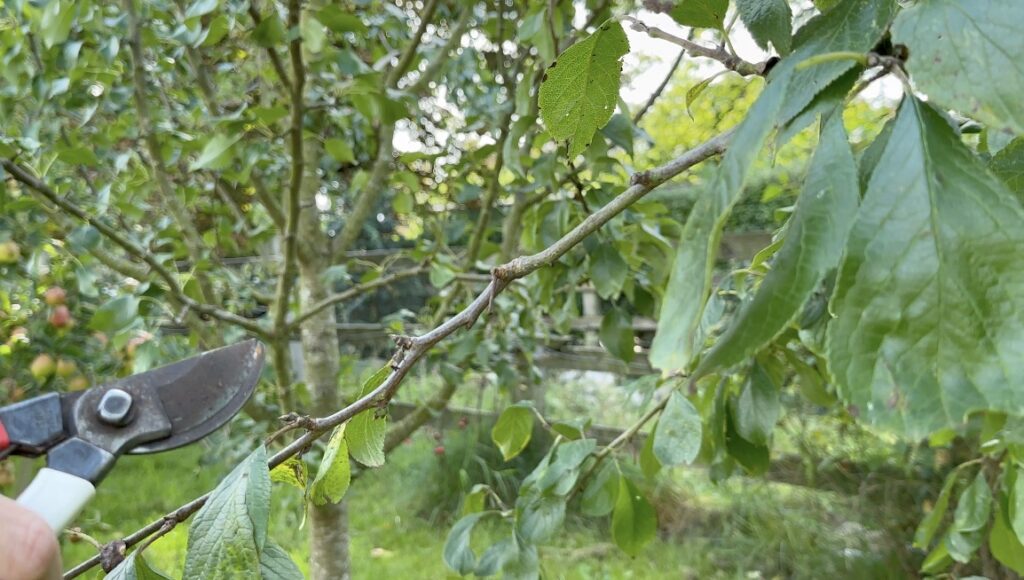
You'll also want to remove any "water shoots." These are those fast-growing, upright shoots that seem to sprout everywhere. They don't usually produce fruit and just suck energy from the tree. They're the freeloaders of the branch world. Snip them off!
For young trees, the focus is on establishing that good, open shape from the start. You might be removing more branches than you expect. But remember, you're building the foundation for years of delicious cherries. Think of it as sculpting your future harvest.
Established trees are a bit different. Here, you're mainly maintaining that open structure and thinning out any dense areas. You want to encourage fruiting wood, which is usually found on spurs – short, stubby little branches. The aim is to keep these spurs healthy and accessible to the light.
There are different types of cherry trees, of course. Fruiting cherries are what we're talking about, the ones that give us those sweet or tart delights. Then there are ornamental cherries, which are grown for their stunning blossom. While you can prune both, the techniques might vary slightly. But for your home garden cherry, focused on fruit, the principles are pretty much the same.
One of the most common mistakes beginners make is over-pruning. It’s tempting to go in with a vengeance, but you don't want to remove too much at once. A good rule of thumb is to never remove more than 20-25% of the tree's canopy in any one year. Take it easy, and you'll see much better results.
Think about the natural shape of your cherry tree. Most varieties have a natural tendency to grow in a certain way. You're not trying to force it into a completely unnatural shape. You're just guiding its growth to make it more productive and healthier.
When you make a cut, try to make it clean and close to the branch collar. The branch collar is that slightly swollen area where the branch joins the main trunk or a larger branch. Cutting here helps the tree heal over the wound more effectively. It's like giving it a neat bandage.
If you're dealing with a particularly old or neglected tree, you might need to be more patient. You might need to prune it over a few years to gradually restore its shape and vigour. It’s like bringing an old, beloved piece of furniture back to its former glory.
Don't worry if you make a mistake. Every gardener has. The important thing is to learn from it. Cherry trees are pretty resilient. They’ll likely bounce back. The satisfaction you get from nurturing your tree and seeing the fruits of your labour is immense.
You might hear terms like "open centre" or "fan pruning". Open centre is the umbrella shape we talked about. Fan pruning is a technique for training trees against a wall or fence, creating a flat, fan-like shape. It’s a bit more advanced, but incredibly space-saving for smaller gardens.
The beauty of pruning a cherry tree in the UK is that you're working with a tree that's perfectly suited to our climate. It’s not some exotic plant that needs constant coddling. With a little bit of attention, it thrives.
Imagine this: a crisp spring morning, you're in your garden, and there's your cherry tree, absolutely buzzing with life. Then comes summer, and you're picking your own sweet cherries straight from the branch. That feeling of accomplishment is priceless. And it all starts with a bit of thoughtful pruning.

So, next time you see a cherry tree, whether it’s yours or a neighbour’s, don’t just see a tree. See a canvas. See a project. See the potential for deliciousness! Pruning might seem a bit daunting at first, but it's an incredibly rewarding part of growing your own fruit. Give it a go – you might just surprise yourself!
And remember, if you're ever in doubt, there are loads of fantastic resources online and in garden centres to help you out. You can find videos showing you exactly where to cut. It’s all about making your cherry tree happy and productive. Happy pruning!
The simple act of pruning transforms a potentially overgrown and less productive tree into a beautiful, fruitful specimen. It’s a satisfying process, and the reward of fresh, homegrown cherries is absolutely worth the effort. It’s a little bit of magic in your own backyard.
So, gather your courage and your secateurs. Your cherry tree is waiting for its makeover. It’s a small investment of time for a huge return in flavour and garden beauty. Plus, you get to brag about your amazing homegrown cherries!