How To Order A Beer In Spanish
So, you're finally on that trip you've been dreaming about. Maybe it's the sun-drenched beaches of Spain, the bustling tapas bars of Mexico, or perhaps you're just chilling with some Spanish-speaking friends and they've suggested a little "cerveza" to kick things off. Whatever the scenario, there's one universal truth: at some point, you're going to want a beer. And while pointing vaguely and hoping for the best might work in a pinch (we've all been there, right?), actually ordering one in Spanish is like unlocking a secret level of travel awesome. It's not about becoming fluent overnight, it's about those little victories that make you feel like a local, even if your Spanish vocabulary consists of "hola" and "gracias."
Let's be honest, the thought of ordering in a foreign language can bring on a cold sweat. It's like that moment in school when the teacher calls your name and you're pretty sure you haven't done the homework. But with beer? The stakes are way, way lower. This isn't a final exam on the subjunctive mood; this is about refreshing your taste buds. And the good news is, it's surprisingly simple. Think of it like this: you already know how to order a coffee, or ask for the bill. Ordering a beer is just another notch on your communication belt. Plus, a friendly "cerveza, por favor" is often met with a smile and a nod, which is basically the Spanish equivalent of a high-five.
Now, before we dive into the actual words, let's talk about the vibe. You're not in a high-pressure negotiation here. You're in a place where people enjoy good company and good drinks. So, relax. Take a deep breath. Imagine you're ordering your favorite pint at your local pub back home. It's that easy. The trick is to sound confident, even if you're faking it until you make it. A little bit of enthusiasm goes a long way, much like a perfectly chilled glass on a hot day.
Must Read
The Absolute Basics: The Golden Phrase
Alright, let's get down to business. The star of the show, the phrase that will see you through countless beer-related adventures, is:
"Una cerveza, por favor."
Break it down: "Una" means "a" or "one." Simple enough. Think of it like saying "a coffee." "Cerveza" is the Spanish word for beer. Easy peasy, right? And "por favor" is the magic sprinkle of politeness, meaning "please." So, literally, "A beer, please."
Now, how do you pronounce it? Don't sweat the perfect accent. Most people will understand you. Here's a rough guide:
- Una: Ooh-nah
- Cerveza: Ser-veh-thah (if you're in Spain) or Ser-veh-sah (if you're in Latin America). Don't worry too much about the 'th' vs 's' sound. They'll get it.
- Por favor: Por fah-vor
Practice it a few times in your head. Say it out loud when you're alone. Imagine yourself charming the bartender with your impeccable Spanish. It's all part of the process, like warming up before a good stretch.
So, the first hurdle cleared. You can now order a beer. But what if you want something a little more specific? What if you’re feeling adventurous and want to explore the local brews? Fear not, we’ve got you covered. Think of this as graduating from "vanilla" to "double fudge brownie."
Level Up: Specifying Your Beer
Sometimes, you don't just want a beer, you want the beer. Or maybe you know what you like. This is where things get a little more interesting, and where you can really impress your travel companions (or just yourself).
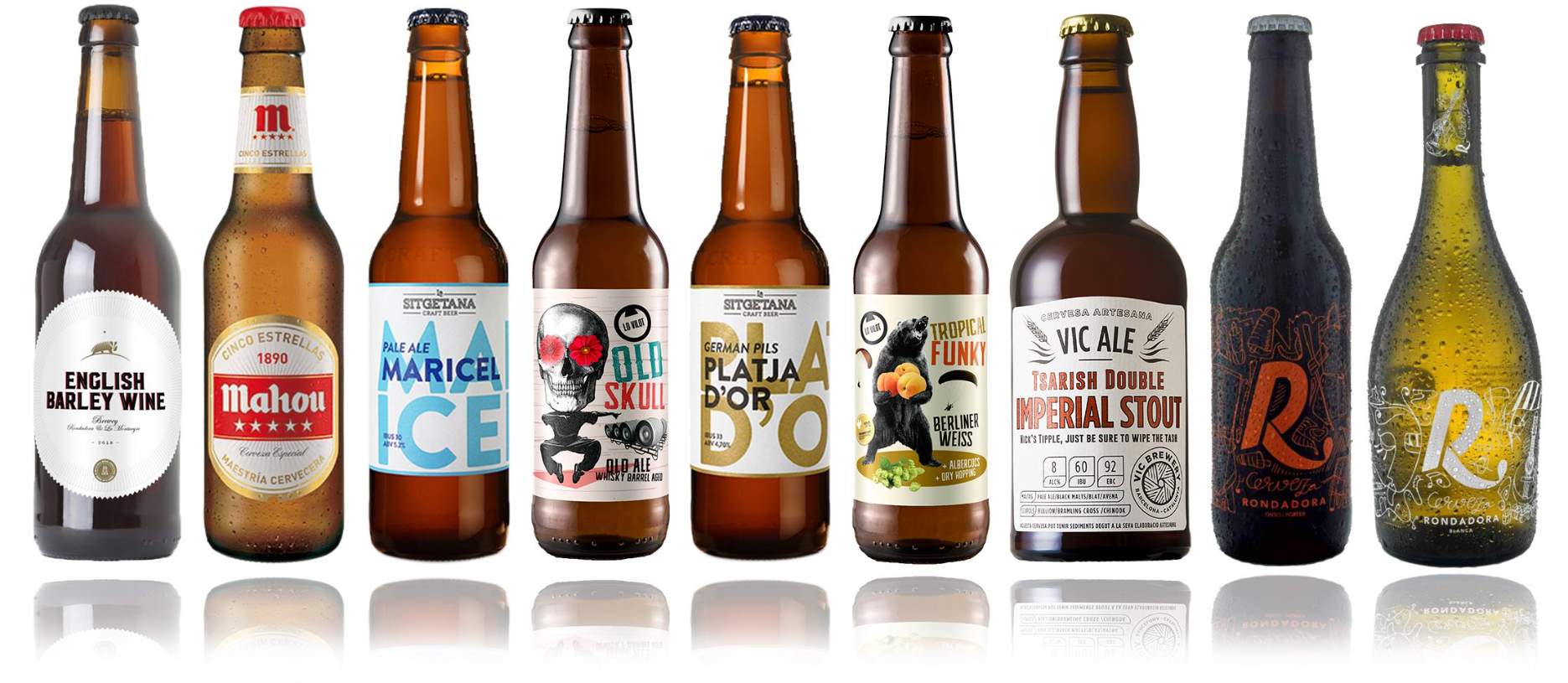
"Una cerveza de barril, por favor."
This is for the draft beer aficionados. "De barril" means "on tap" or "draft." So, if you're after a perfectly poured pint straight from the tap, this is your go-to. It's like knowing the difference between a latte and a cappuccino – it shows you've put in a little thought!
Now, what kind of draft beer? Well, that depends on where you are. Many places will have a few options. You can always try pointing at the taps, but if you want to be a bit more proactive, you could try something like:
"¿Qué cervezas tienes de barril?"
This translates to "What beers do you have on tap?" "¿Qué...?" means "What...?" and "tienes" means "do you have." Again, don't worry about perfect pronunciation. A friendly tone and a questioning look will do wonders. It's the international sign for "Tell me your beer secrets!"
"Una botella, por favor."
If draft isn't your thing, or the taps are looking a bit sad, you can always opt for a bottle. "Una botella" simply means "a bottle." So, "A bottle, please." It's like choosing between a scoop of ice cream and a pre-packaged bar – both good, just different.
Sometimes, they'll ask you what kind of bottled beer you want. Again, you can point, or if you're feeling brave, try:
"¿Qué cervezas tienes en botella?"
This means "What beers do you have in bottles?" See? You're practically a native already! It’s like learning that "chicken" can be called "pollo" – a simple, yet crucial, piece of information.
Going Local: Trying the House Beer
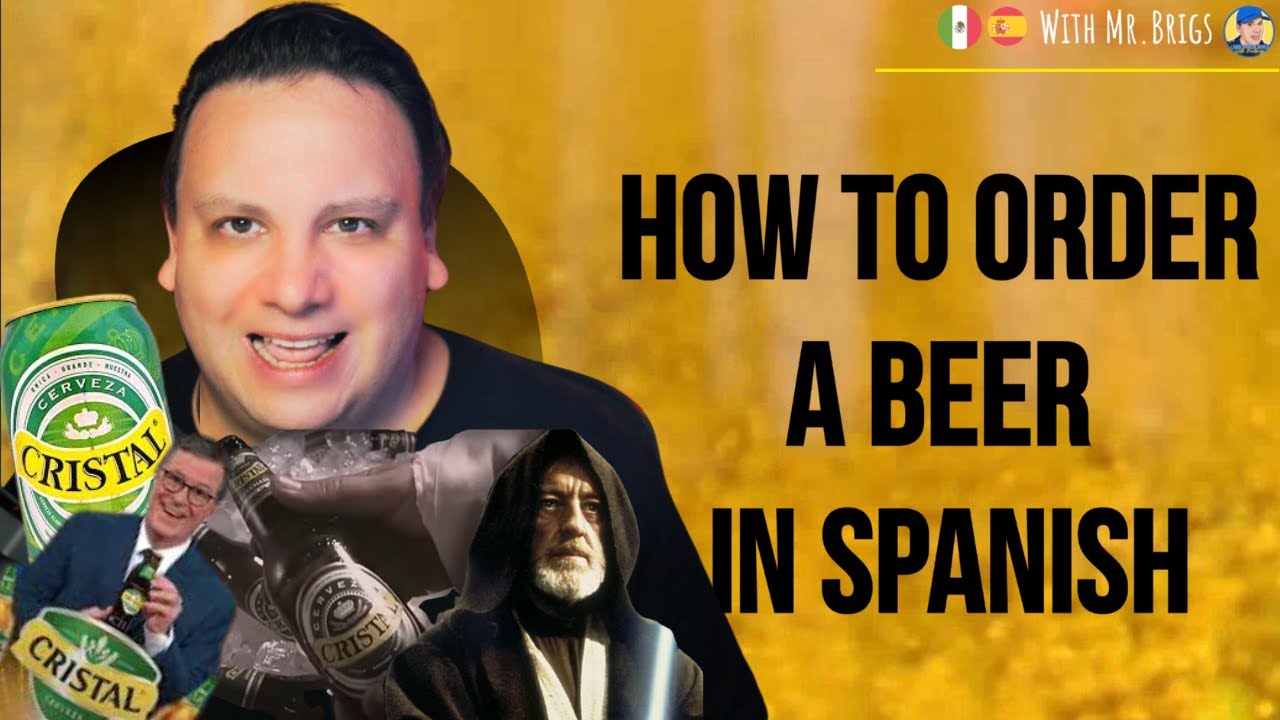
Every good bar or restaurant has its own special something. In Spain, you might hear about "cerveza de la casa," and in other Spanish-speaking countries, there might be a local brewery they're proud of. This is where you can really shine.
"Una cerveza de la casa, por favor."
This means "A house beer, please." It's like asking the waiter for their favorite dish. It shows you're open to recommendations and want to experience the local flavor. Plus, the house beer is often a good bet – they know it well and usually serve it with pride. Think of it as ordering the "chef's special" at a restaurant; you're trusting their judgment, and usually, it pays off.
If you want to be a bit more specific, you can ask about the local options:
"¿Tienes alguna cerveza local?"
This means "Do you have any local beers?" "Local" is a handy word that pops up in many languages, so you're already halfway there. It's the linguistic equivalent of finding a hidden gem on a treasure map.
The Unspoken Rules (and How to Handle Them)
Now, beyond the words, there are a few unspoken things that can make your beer-ordering experience smoother. Think of these as the subtle nods and winks of the service industry.
The Size Matters: Small, Medium, Large?
In many places, especially in Spain, you'll see different sizes of beer. The most common are:
- "Caña": This is typically a small draft beer, often around 200ml. It's perfect for a quick refreshment or if you want to try a few different things without overdoing it. Think of it as a "tasting portion" of pure joy.
- "Tubo": This is a taller, narrower glass, usually a bit bigger than a caña, perhaps 250-300ml. It's a step up, but still very manageable.
- "Jarra": This is your standard pint glass, or a larger mug. If you're really thirsty, or you've found a beer you love, the jarra is your friend. It's the "full meal deal" of beer ordering.
If you're unsure, a good starting point is to ask:

"¿Qué tamaños tienes?"
This means "What sizes do you have?" It's the polite way of saying, "Don't give me something I can't handle, but also don't shortchange me!"
The Pint vs. The Glass: A Subtle Art
Sometimes, they might ask you if you want it in a "vaso" (glass) or a "copa" (which can sometimes mean a wine glass, but in a bar context, might refer to a more specific beer glass, or even just a chilled glass). If you're just after a standard beer, "vaso" is usually the way to go.
You can also be more direct:
"Una caña, por favor."
"Una jarra, por favor."
This is like saying "I'll have the small one" or "I'll have the big one" back home. It’s efficient and gets the job done.
The "Zero" Option: For the Designated Drivers and the Health-Conscious
Don't worry, they haven't forgotten about you! If you're not drinking alcohol, or you just fancy something lighter, the alcohol-free beer is readily available. Just add "sin alcohol" (without alcohol) or "zero" to your order.
"Una cerveza sin alcohol, por favor."
"Una cerveza zero, por favor."
This is brilliant, isn't it? It’s like having a secret code for "responsible enjoyment." So, whether you're driving, pregnant, or just not feeling the buzz, you've got options. It’s the linguistic equivalent of a designated driver who also happens to be a beer connoisseur.
A Quick Word on Etiquette (Because We're Polite People)
While the language is the main event, a few little bits of etiquette can make you feel like a seasoned pro.
Make Eye Contact: When you’re trying to get the server’s attention, a friendly smile and eye contact are your best friends. No need to shout or wave frantically like you're trying to hail a taxi in a monsoon.
Be Patient: Bars and restaurants can get busy. A little bit of patience goes a long way. They're human, and they're doing their best to serve everyone.
Don't Be Afraid to Point (If You're Really Stuck): While we're advocating for speaking Spanish, there's no shame in a polite point if you're completely lost. Sometimes, a visual aid is the most effective communication tool. It's like the universal sign for "That looks good, I'll have that one!"
Say "Gracias" and "Adiós": A simple "thank you" and "goodbye" are always appreciated. It's the linguistic equivalent of leaving a good tip – it leaves a positive impression.
The Joy of the Small Victories
Ordering a beer in Spanish might seem like a small thing, but it’s one of those little triumphs that makes travel so much more rewarding. It's the moment when you realize you're not just a tourist; you're an active participant. You're connecting, you're engaging, and you're getting that delicious, refreshing beverage you've been craving.
So, next time you're in a Spanish-speaking country, or hanging out with Spanish-speaking friends, don't hesitate. Take a deep breath, unleash your inner multilingual beer enthusiast, and order away. You might stumble over a word or two, you might get a funny look, but chances are, you'll get a beer, and that, my friends, is a victory worth celebrating. Cheers!