How To Open The Gas Meter Box
Hey there, fellow home dwellers! Ever found yourself staring at that unassuming metal box on the side of your house, the one that quietly hums with the promise of warm showers and perfectly seared dinners? We’re talking about the gas meter box, of course. For most of us, it’s just part of the architectural furniture, blending into the brickwork like a well-placed gnome. But what happens when you actually need to, well, open it? Whether it’s a quick peek to check a reading, a moment of panic during a suspected leak (don’t worry, we’ll get to that!), or simply a surge of domestic curiosity, knowing how to access this sometimes-mysterious portal is surprisingly empowering. Think of it as unlocking a tiny, utilitarian secret within your own abode.
Let’s be real, nobody’s writing sonnets about gas meter boxes. They're not exactly the Mona Lisa of home utilities. But in their own quiet way, they’re pretty darn important. They’re the gatekeepers of our cozy lives, the unsung heroes of our evening rituals. And sometimes, the gate needs to be opened. So, grab a cuppa, settle in, and let’s demystify this metallic guardian.
The Anatomy of Access: What Are We Even Looking For?
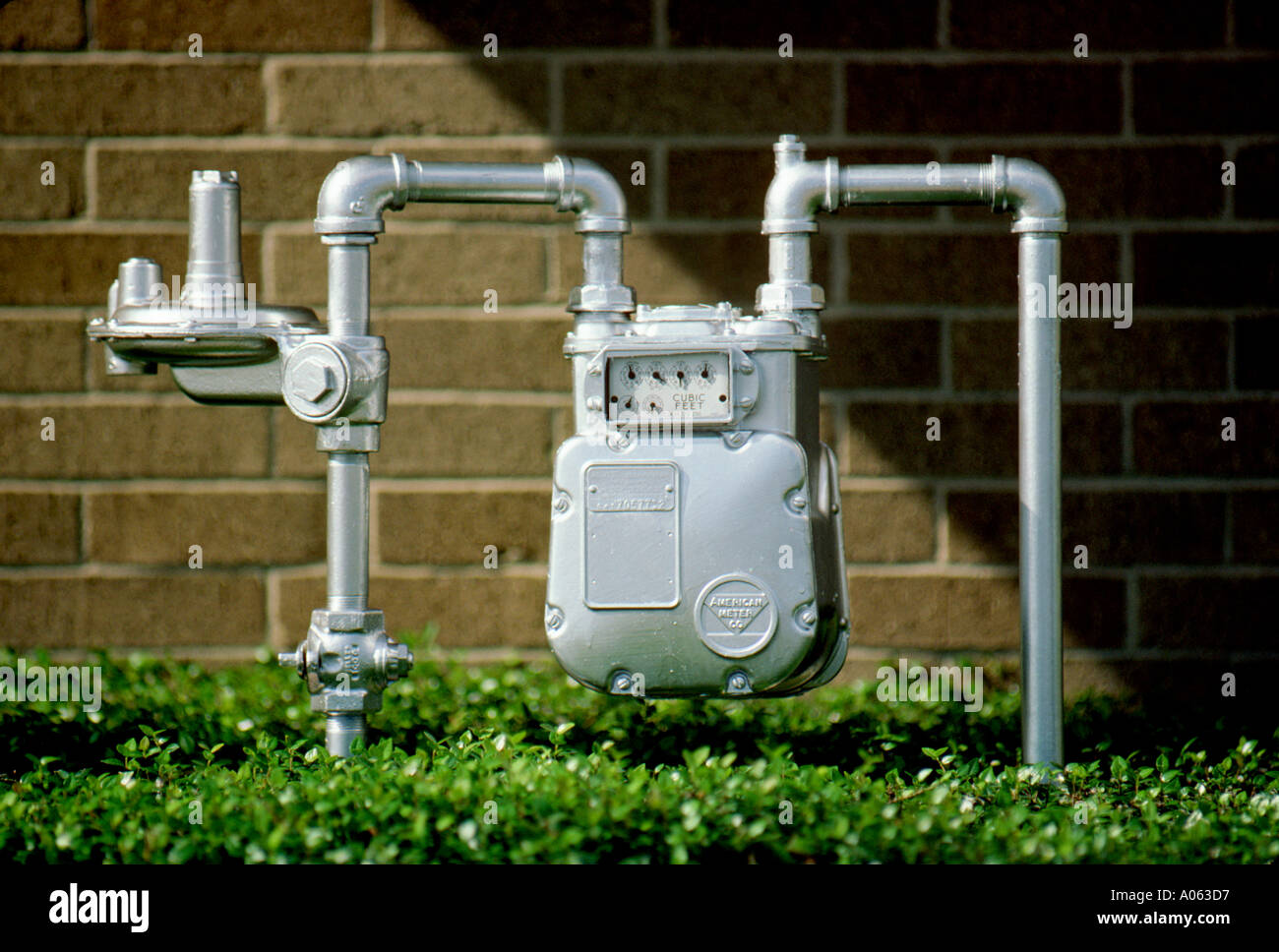
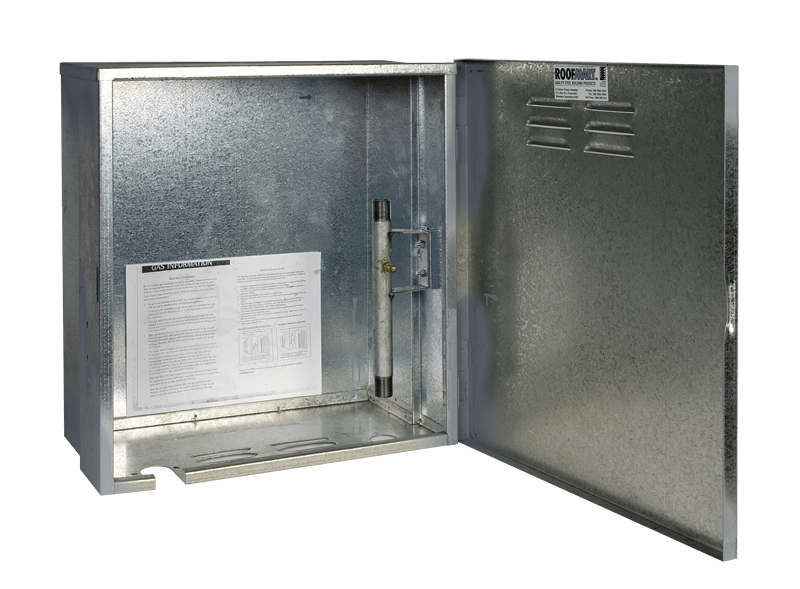
Before we dive headfirst into the mechanics of opening, let’s have a quick gander at what’s actually inside. Typically, your gas meter box will house your gas meter itself – the device that measures your gas consumption. You might also find some associated pipework and, crucially, an emergency shut-off valve. This last bit is the VIP of the box, the emergency brake for your gas supply. Knowing where it is can be a lifesaver, literally.
Must Read
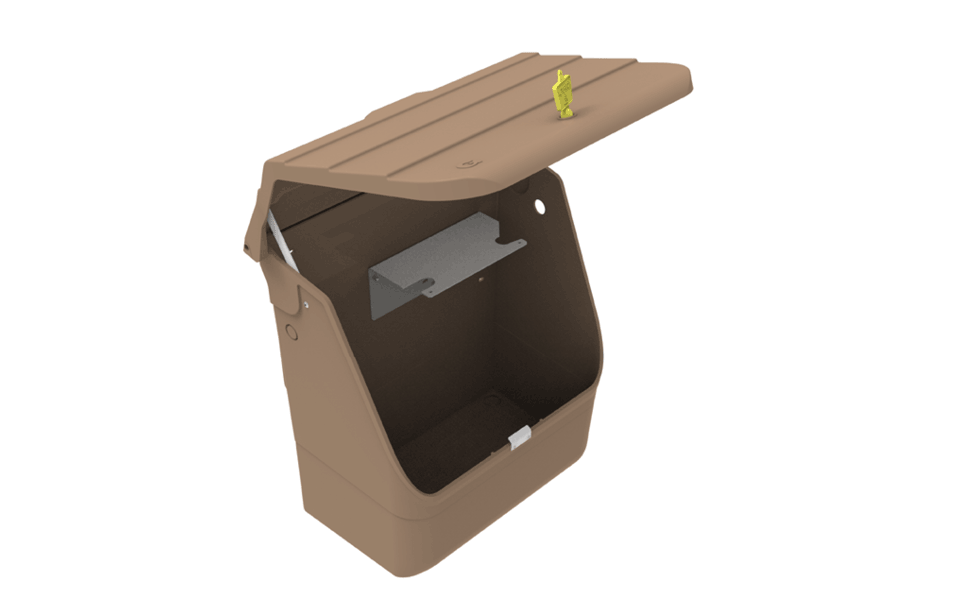
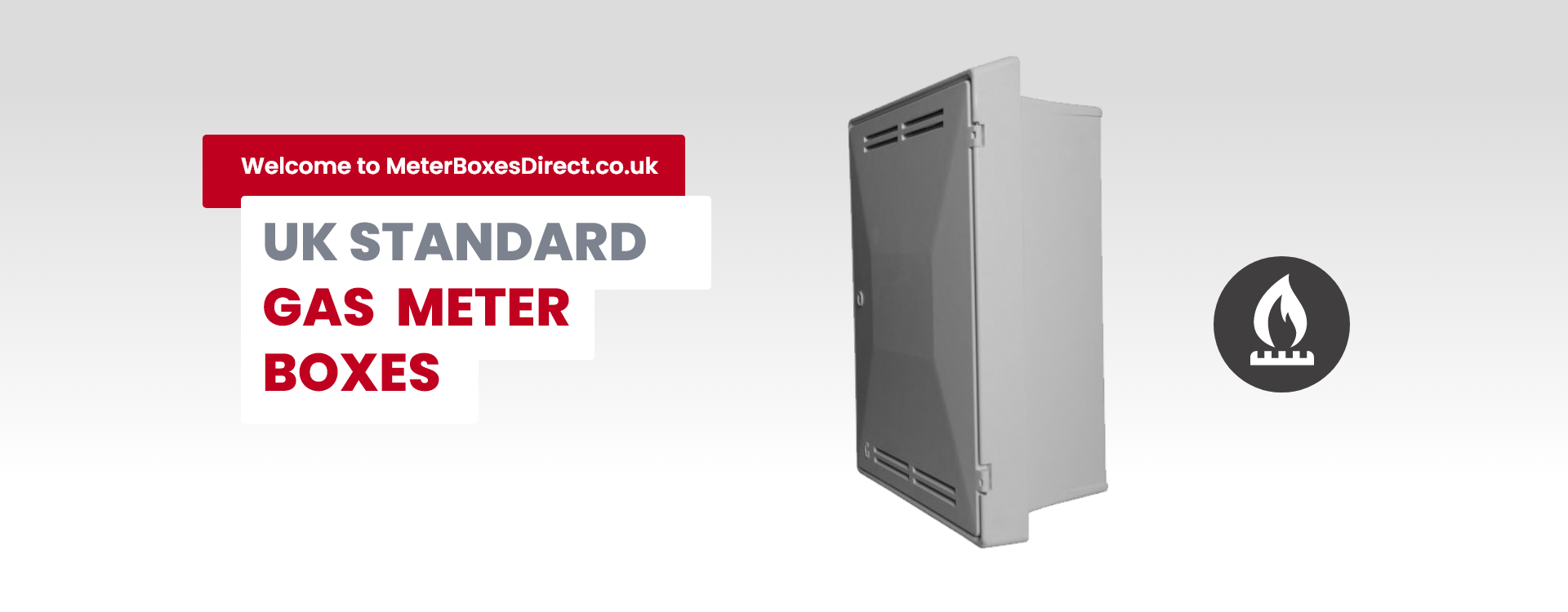
The box itself usually has a lid, a door, or a flap. It's designed to be weather-resistant and, importantly, to keep prying hands away from the delicate workings inside. This is for your safety, and for the integrity of the gas supply to your home. Think of it like a mini-fortress for your fuel.
The Grand Opening: Common Mechanisms and How to Tackle Them
Now, for the main event! The way you open your gas meter box will largely depend on its design, which can vary depending on your region and the age of your property. But fear not, the principles are generally the same. We’re talking about a few common scenarios here:
Scenario 1: The Simple Latch
This is the most straightforward. You’ll often see a small, protruding latch or a simple lever mechanism. Sometimes, it’s a push-to-open system. For these, it's usually a case of a gentle push or a lift of the latch. No brute force required! Think of it like opening a slightly stiff cupboard door. A steady hand and a bit of common sense will get you there.

Pro Tip: If it feels stuck, don't yank! Give it a gentle wiggle. Sometimes, a bit of dirt or a slight misalignment can make it tricky. A quick wipe down with a cloth might even do the trick.
Scenario 2: The Keyhole Capers
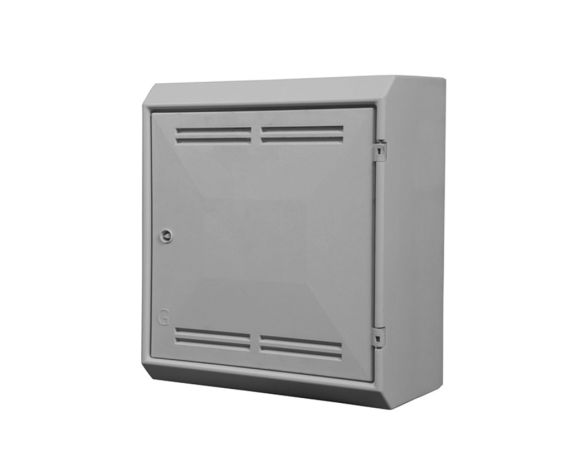
This is where things can get a little more… intriguing. Some older meter boxes, or those in certain security-conscious areas, might have a small lock. Don't panic! This isn’t usually a high-security vault situation. More often than not, it's a simple lock requiring a specific type of key. These keys are often supplied by your gas provider when the meter is installed. They’re usually pretty basic, often a flat, silver key, sometimes with a distinctive shape to prevent easy duplication.
Where’s the Key? This is the million-dollar question! If you’ve just moved in and the key is missing, your first port of call should be your gas supplier. They’ll be able to arrange for a replacement. In an emergency, some utility companies have a standard key they can use, but it’s always best to have your own. Think of it as a special handshake with your gas meter.
Cultural Nod: This reminds me a bit of those secret diaries we had as kids, complete with a tiny lock and a fiddly key. Except, you know, this one has actual gas flowing through it.
Scenario 3: The Push-Button Puzzle
Less common, but you might encounter a push-button mechanism. These are usually designed for quick access by authorized personnel. If you have one of these, the instructions might be subtle – a small indent to press, or a panel that slides. Again, a gentle exploration is key. If you’re unsure, and it's not an emergency, it's always best to consult your gas provider.
When the Box Won't Budge: Troubleshooting Tips
Okay, so you’ve tried the gentle nudge, you’ve (hypothetically) found your key, and the box remains stubbornly shut. What next? Don't get frustrated. Here are a few things to consider:
- Is it Locked? Double-check for any visible keyholes or locking mechanisms you might have missed. Sometimes they’re cleverly disguised.
- Obstructions: Is anything physically blocking the door or lid? Leaves, mud, or even a determined weed can sometimes get lodged. A quick clear-out might be all that’s needed.
- Corrosion: Older boxes, especially in damp environments, can suffer from rust. This can make latches stiff or even fuse the door shut. A light application of a penetrating lubricant (like WD-40, but use sparingly and only on the mechanism, not near any gas fittings!) might help.
- Call in the Professionals: If you’ve exhausted all reasonable options and the box is still proving recalcitrant, it’s time to call your gas supplier or a qualified gas engineer. Tampering with a gas meter box can be dangerous and could lead to fines or legal trouble. This is not a DIY job for the truly stuck!
The Emergency Shut-Off: Your Superhero Button
This is perhaps the most crucial reason you might need to access your gas meter box. Knowing where your emergency shut-off valve is located is paramount. It’s usually a prominent lever or tap near the meter. In the event of a strong smell of gas, a suspected leak, or any other gas-related emergency, your first instinct should be to turn this valve to the 'off' position. This will immediately stop the flow of gas to your property.
Fun Fact: These emergency valves are designed to be operated by hand, without tools, in most cases. This is so anyone can shut off the gas in a crisis, regardless of whether they have a key or not.
Important Safety Note: If you suspect a gas leak, do not use any electrical appliances, light matches, or create any sparks. Leave the property immediately and call your gas emergency service from a safe location. Once the immediate danger has passed, and if it is safe to do so, you can then proceed to open the meter box to shut off the valve.

Beyond the Box: Maintaining Access
So, you’ve successfully opened the box. What now? Well, for most of us, it’s a rare event. However, if you find yourself needing to access it regularly (perhaps you're a keen gardener who's accidentally overgrown the area, or you're just one of those super-organized types who likes to keep tabs on everything), here are a few tips:
- Keep it Clear: Ensure the area around your gas meter box is free from obstructions. This means keeping plants trimmed back and avoiding storing anything against it. It ensures easy access for you and, more importantly, for emergency services if they ever need to get to it quickly.
- Check the Mechanism: Periodically (say, once a year), give the latch or lock a quick check. A little spray of lubricant can prevent future headaches.
- Know Your Gas Provider: Keep the contact details of your gas supplier handy. In any event, they’re your first point of contact for meter-related issues.
A Little Bit of Culture: Gas Lights and the Gaseous Past
Thinking about gas meters always makes me ponder the wider history of gas in our homes. Before the digital age, before electricity dominated, gas was the primary source of light in many homes and streets. Imagine London in the Victorian era, illuminated by the soft glow of gas lamps – a truly atmospheric, if somewhat sooty, spectacle! The gas meter was the silent conductor of this illuminating revolution. It’s a nice little reminder that even the most mundane objects have a lineage, a story to tell. Our modern gas meter boxes are the descendants of these early, more exposed, gas infrastructure.
It’s fascinating to think that the very gas flowing through those pipes into your kitchen, powering your oven, has a history stretching back to a time when gaslight transformed urban landscapes. It’s a connection to the past, right there on your exterior wall.
A Practical Reflection: Empowering the Everyday
Opening a gas meter box might seem like a niche skill, a piece of trivia for the home-improvement enthusiast. But in its simplicity, it’s a testament to empowering ourselves with basic knowledge about our homes. It’s about understanding the systems that support our daily lives, not in a complex engineering sense, but in a practical, accessible way. It’s the satisfaction of knowing you can do something, even if it’s just opening a small metal box. It’s a small act of self-reliance that, in a world of increasing complexity, feels surprisingly good. So, the next time you glance at that unassuming box, remember it’s not just a piece of metal; it’s a gateway to comfort, and with a little know-how, it’s a gateway you can open.