
How To Move To Sweden From Uk
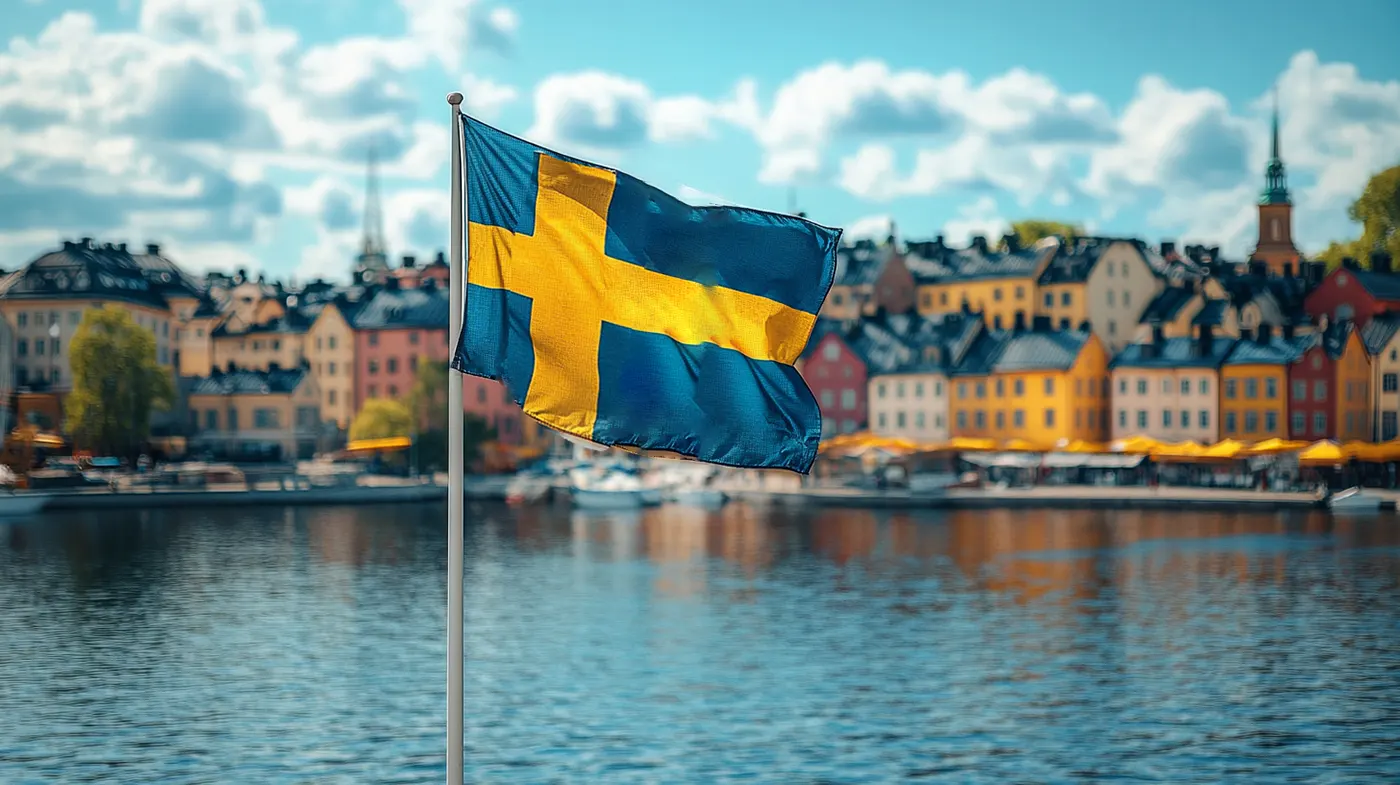
Right, so picture this. It’s a drizzly Tuesday in Manchester, the kind where the sky looks like a washed-out grey sock. I’m huddled over my lukewarm cuppa, scrolling through Instagram, and suddenly, BAM. A picture of a perfectly clear, crisp, blue sky over a postcard-perfect Swedish archipelago. There’s a tiny, red wooden cabin perched on a rock. My immediate thought? “Seriously, WHERE is this witchcraft happening?” And then it hit me. Sweden. The land of IKEA, ABBA, and apparently, skies that actually work. That was about two years ago, and let me tell you, that little blue sky escapism has morphed into a full-blown obsession. The kind that involves spreadsheets and late-night rabbit holes about Schengen zones. So, if you, like me, are staring out at the grey and dreaming of… well, anything else, you might be wondering: how on earth do you actually do it? How do you, a UK resident, pack up your life and plant yourself firmly in the land of fika and moose?
It’s not as outlandish as it might sound. Honestly. Moving from the UK to Sweden is a bit like deciding to go on a really, really long holiday, except you’re going to live there. And you need to do a bit more planning than just shoving a few pairs of socks in a backpack. Think of me as your slightly-less-organized, but equally enthusiastic, guide through this glorious adventure. We’re talking practicalities, darling. The nitty-gritty. The bits that make your brain do a little wobble.
So, You Fancy a Swedish Sojourn? Let’s Talk Basics.
The absolute first thing you need to get your head around is that the UK is no longer part of the European Union. This is a huge game-changer, my friends. Before Brexit, it was pretty straightforward for us Brits to pack up and move to any EU country. Now? It’s a bit more like a mild obstacle course. But fear not! Obstacles are just challenges waiting to be conquered, right? And Sweden, bless its efficient heart, has a system for everything. You just need to know what that system is.
Must Read
The most common route for most people wanting to live in Sweden long-term is, unsurprisingly, to have a job. Yes, the dreaded “gainful employment” clause. It’s the golden ticket, the magic wand, the… well, you get the idea. Without a job offer, things become considerably more complicated, and often require you to prove you have sufficient funds to support yourself. But let’s focus on the job route first, because for many, that’s the most realistic and stable way to go.
The Job Hunt: Your Swedish Passport to Serenity (and Salary)
This is where the real work begins. And by “real work,” I mean a lot of online searching, application tailoring, and potentially a few awkward video interviews where you’re trying to explain your career history to someone who might be calling you from a snowy forest.
What kind of jobs? Well, Sweden is a pretty diverse economy. They’re always looking for skilled workers in areas like IT, engineering, healthcare, and research. But don’t despair if you’re not a brain surgeon or a rocket scientist. There are opportunities in many other sectors too, especially if you’re willing to learn a bit of Swedish. Think about what you do now. Could that translate? Could you upskill? Are there sectors in the UK that are booming in Sweden too?
Where to look? Your first port of call should be the Swedish Public Employment Service (Arbetsförmedlingen). It’s their official job board, and it’s a treasure trove of opportunities. You can filter by location, industry, and even language requirements. Pro tip: start bookmarking companies you’re interested in and checking their careers pages directly. LinkedIn is also your best friend. Start connecting with recruiters and people in your field in Sweden. Don't be shy! A friendly message can go a long way.
What do employers want? Beyond the actual skills, Swedish employers tend to value a few key things: proactivity, teamwork, and a bit of independent thinking. They also appreciate honesty. If you don't know something, say so, but express your willingness to learn. And yes, it helps if you can speak some Swedish, but for many international roles, English is perfectly fine. However, showing you're making an effort to learn the language is always a massive plus. It shows you’re serious about integrating.
The dreaded interview process. Be prepared for it to be thorough. They’ll want to know your qualifications, your experience, and why you want to work for them specifically. And don't be surprised if there are multiple rounds of interviews. They like to get it right. Also, research Swedish work culture! It’s generally more egalitarian than the UK, with a strong emphasis on work-life balance. They don’t typically do the “always in the office” thing. So, embrace the concept of leaving work on time!

The Visa/Permit Tango: Navigating the Bureaucracy
Once you’ve landed that dream job offer, you’ll need to apply for a work permit. This is handled by the Swedish Migration Agency (Migrationsverket). They are the gatekeepers of your Swedish dreams, so listen carefully to what they say.
The process usually involves your employer initiating the application on your behalf. They’ll need to prove that the job couldn’t be filled by someone already in Sweden or the EU. This is where the job offer letter and employment contract are crucial. You’ll then typically need to provide your passport, photos, and any other documentation they request.
What to expect? Patience, my friend. Bureaucracy, no matter where you are, can be a slow beast. The processing times can vary, so keep an eye on the Migrationsverket website for the latest estimates. It’s always better to apply well in advance of your intended move. Don’t leave it until the last minute, or you’ll be pulling your hair out.
The Right to Reside. Once your work permit is approved, it generally grants you the right to live and work in Sweden. It’s usually tied to your employment, meaning if your job ends, your permit might too. This is something to be aware of. But for those looking for a long-term future, this is the first step towards permanent residency.
What if I don't have a job offer? This is where it gets trickier, as I mentioned. You could explore options like studying in Sweden (which requires a student visa) or, if you have significant savings and a very robust business plan, you might be able to apply for a permit to start your own business. However, these are generally more challenging paths for most people. For the average punter looking for a life change, a job is the most straightforward route.
The Practicalities: Beyond the Paperwork
Okay, so you’ve got the job, you’ve (hopefully!) got the permit sorted. What next? This is where the real fun begins. Packing your life into boxes and preparing to embrace a new culture.

Finding a Place to Live: Your Swedish Nest
This is probably one of the biggest challenges, especially in popular cities like Stockholm, Gothenburg, and Malmö. The housing market can be competitive. Think of it as a friendly, yet fierce, competition for cozy apartments with plenty of natural light (essential for those long Swedish winters, trust me).
Where to start? Your employer might be able to help with temporary accommodation or point you in the right direction. Websites like Blocket (think a Swedish Gumtree or Craigslist) and BostadsDirekt are popular for finding rentals. There are also dedicated housing queues, where you can queue for apartments in municipal housing. This often requires you to register and pay a small annual fee. It’s a long-term game, but can be a great way to secure affordable housing.
What to look for? Be prepared for apartments to be a little smaller than you might be used to. But they’re often incredibly well-designed and efficient. Central heating is standard, and many have balconies, which are glorious in the summer. Don’t be surprised if you have to provide your own kitchen appliances in some cases – it’s not uncommon.
The deposit and contract. You’ll typically need to pay a deposit, usually one to three months' rent. Read your rental contract very carefully. Understand the terms regarding notice periods, repairs, and any specific rules about the property.
Opening a Bank Account and Getting a Personal Number
These are two absolutely essential steps. You can’t really function in Sweden without them.
The Swedish Personal Number (Personnummer). This is your key to everything. It’s a ten-digit number that identifies you as a resident. You’ll need it for everything from getting a library card to opening a bank account, accessing healthcare, and even getting a mobile phone contract. You apply for this at the Swedish Tax Agency (Skatteverket) once you have your residence permit and are officially registered as living in Sweden. It can take some time to process, so be patient.

Opening a bank account. Once you have your personal number (or at least your temporary ID number if your personnummer is delayed), you can open a bank account. Major banks include Nordea, Swedbank, Handelsbanken, and SEB. You’ll need your passport and your personal number. Having a local bank account is crucial for receiving your salary and managing your finances.
Healthcare: The Swedish System
Sweden has a universal healthcare system. Once you’re registered as a resident and have your personal number, you’ll have access to healthcare. It’s generally of a very high standard, but there can be waiting lists for certain appointments and procedures, similar to the UK’s NHS. You’ll usually have a primary care doctor (vårdcentral) that you’ll go to first.
Dental care is largely private and can be expensive, so it’s worth looking into private dental insurance if that’s a concern for you. Many people opt to have their dental work done before moving.
The Language: Swedish or Bust? (Not Exactly!)
As I’ve said, many Swedes speak excellent English, especially in the cities and in international workplaces. You can absolutely get by with English. However, to truly integrate and feel at home, learning Swedish is highly recommended.
SFI (Svenska för invandrare) is free Swedish for immigrants. It's a fantastic resource offered by local municipalities. You can sign up for it once you have your personal number and are registered as a resident. It’s a great way to meet other newcomers too!
Beyond SFI, there are various language schools, apps (Duolingo is your friend!), and even language cafés where you can practice speaking. Embrace the awkwardness of mispronouncing words – it’s all part of the learning curve. Plus, your efforts will be greatly appreciated!

Embracing the Swedish Lifestyle
Moving to Sweden isn’t just about the logistics; it’s about embracing a whole new way of life. And it’s a pretty wonderful way of life, if I do say so myself.
Fika Time!
You can’t talk about Sweden without mentioning fika. It’s not just coffee; it’s a social institution. It’s a moment to pause, to connect with colleagues or friends, and to enjoy a pastry (kanelbulle, anyone?). Make fika a non-negotiable part of your day. It’s good for the soul.
The Great Outdoors
Swedes are a nation of nature lovers. Whether it’s hiking in the forests, swimming in the lakes, or skiing in the winter, they embrace the outdoors. Get yourself some good walking boots and a decent waterproof jacket. You’ll need them!
The Concept of Lagom
You’ll hear this word a lot: lagom. It roughly translates to “just the right amount” or “not too much, not too little.” It’s about balance, moderation, and contentment. It’s a philosophy that permeates many aspects of Swedish life, from design to work-life balance. It’s a beautiful concept to strive for.
Embracing the Seasons
Sweden has distinct seasons, and they’re all beautiful in their own way. The long, light summers are magical. The autumn brings stunning colours. Winter can be cold and dark, but it also brings a unique charm, especially with snow. And spring is a glorious reawakening. Learn to appreciate each one.
The Final Word: Is it Worth It?
Moving from the UK to Sweden is a big undertaking. It requires planning, patience, and a willingness to step outside your comfort zone. There will be moments of frustration, bureaucratic headaches, and probably a few misunderstandings due to language barriers.
But is it worth it? Absolutely. For the incredible work-life balance, the stunning natural beauty, the efficient society, and the overall sense of well-being, it’s a life-changing experience. You’ll gain a new perspective, learn a new language, and discover a different way of living. So, if that blue sky you’re dreaming of is calling your name, start doing your research, polish up that CV, and take the leap. Sweden is waiting, and honestly, it’s a pretty amazing place to call home.
.jpg)