How To Measure For A New Door

So, you're thinking about getting a new door? Maybe your old one's looking a bit tired, or perhaps you're just craving a fresh vibe for your home. Whatever the reason, it's a pretty cool project to tackle! But before you get all excited about that sleek new design or that lovely splash of color, there's one super important step: measuring. Yep, sounds a bit dull, right? Like homework for your house. But trust me, getting this right is like a secret superpower that makes everything else a breeze. It's the difference between a door that fits like a glove and one that leaves you scratching your head (and probably a bit out of pocket!).
Think of it this way: you wouldn't buy a fancy new outfit without knowing your size, would you? And a door is kind of like your home's main outfit, the first thing people see! So, let's dive into this little adventure of measuring, and I promise it's not as scary as it sounds. In fact, it's kind of satisfying, like solving a little puzzle.
Why is Measuring So Darn Important?
Okay, let's get real for a sec. Why all the fuss about a few inches? Well, a door isn't just a flat piece of wood (or metal, or glass!). It's got to fit perfectly into its opening. This means not too big, not too small. If it's too wide, it'll scrape the frame, and you'll be wrestling with it every time you open it. If it's too narrow, you'll have gaps, which means drafts, less security, and a general feeling that something's just... off.
Must Read
And let's not forget about the hardware! Hinges, locks, doorknobs – they all rely on precise measurements to work smoothly. So, accurate measuring is the foundation for a door that functions beautifully and looks the part. It’s the bedrock of a good door installation, really.
What You'll Need: Your Measuring Toolkit
Don't worry, you don't need a full-blown construction crew for this. Just a few basic tools will do the trick:
- A sturdy tape measure: Metal ones are usually best, they're less likely to bend.
- A pencil or pen: For jotting down those all-important numbers.
- A notepad or your phone: To keep a record of your measurements.
- Maybe a friend: Sometimes an extra pair of hands or eyes can be super helpful, especially for the height.
That’s it! See? Not exactly rocket science, is it? Just a few simple bits and bobs you probably already have lying around the house.
Let's Measure! The Actual "How-To" Part
Alright, drumroll please! It's time to get down to business. We’re going to measure three key things: the width, the height, and the thickness (or depth) of your door opening.
Measuring the Width: The Grand Sweep
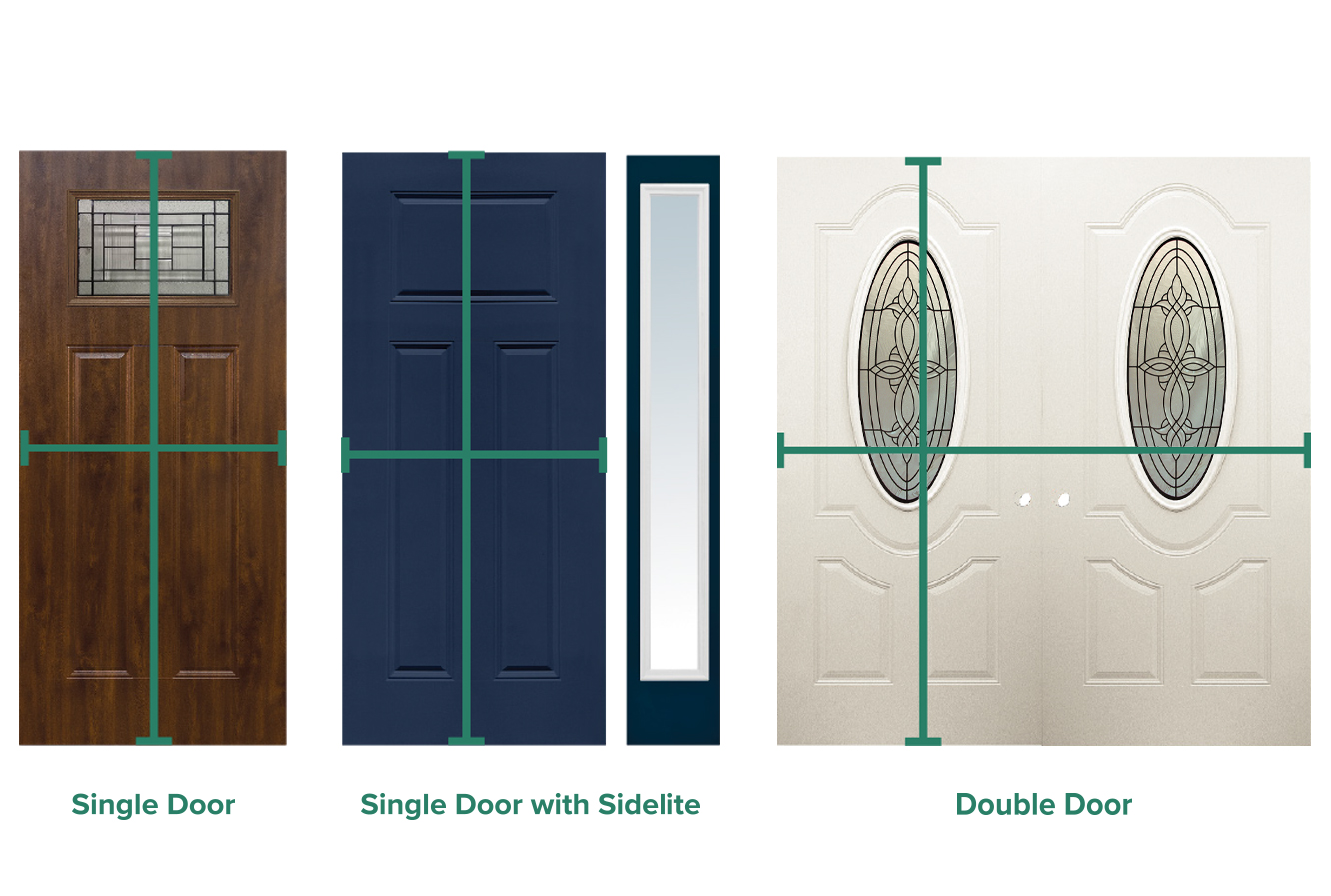
This is probably the most common measurement. We want to know how wide that gap is that your door needs to fill. Now, a common mistake people make is just measuring across the widest point. But doors often sit within a frame, and we need to measure the actual opening that the door will sit inside.
So, here's what you do:
- Go to the narrowest part of the opening. This is crucial! Imagine your door is a giant ruler. You want to place it where it has the least amount of space to fit. This is usually about halfway up the door opening.
- Place your tape measure across the opening. Make sure it’s level and stretches from one side of the opening (the jamb) to the other.
- Read the measurement carefully. Note down the measurement. If it's in inches, you might have something like 31 and 1/2 inches. If it's in centimeters, you might have 79.8 centimeters.
- Measure in a few spots. It's a good idea to measure the width at the top, middle, and bottom of the opening. This helps you catch any wonkiness in your walls. Most of the time, they’ll be pretty close, but it’s good practice! The smallest of these measurements is usually your key width.
Think of it like trying to squeeze a big pizza through a slightly smaller pizza box. You need to know the tightest spot the pizza has to go through to make sure it fits without getting mangled!
Measuring the Height: Reaching for the Stars (or the Ceiling!)
Next up, the height! This is where a friend can be really helpful, just to hold the tape measure steady at the top.
Here’s how it’s done:
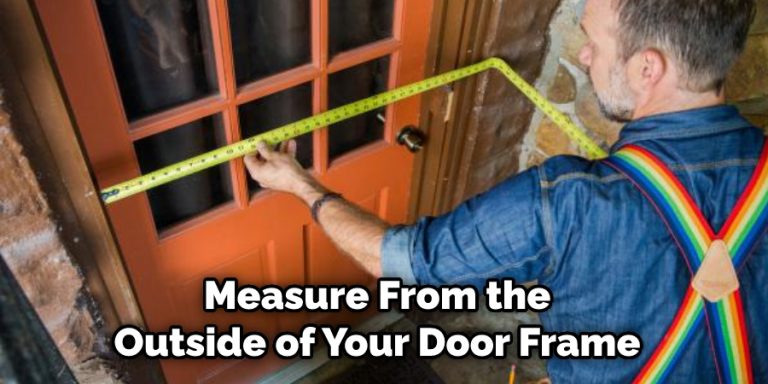
- Start at the very bottom of the opening. This means right where the door frame meets the floor.
- Extend the tape measure straight up to the top of the opening. Again, make sure it’s as vertical as possible.
- Read and record the measurement. Just like with the width, jot down the number.
- Measure in a couple of places. Similar to the width, measure the height on both the left and right sides of the opening. Your wall might not be perfectly straight!
The idea here is to get the shortest vertical measurement. You can always trim a bit off the bottom of a door if it’s a smidge too tall, but you can't magically add wood if it’s too short!
Measuring the Thickness (or Depth): The Hidden Dimension
This one’s often overlooked, but it’s just as important! This measurement tells us how thick the wall is where the door frame sits.
Here’s the scoop:
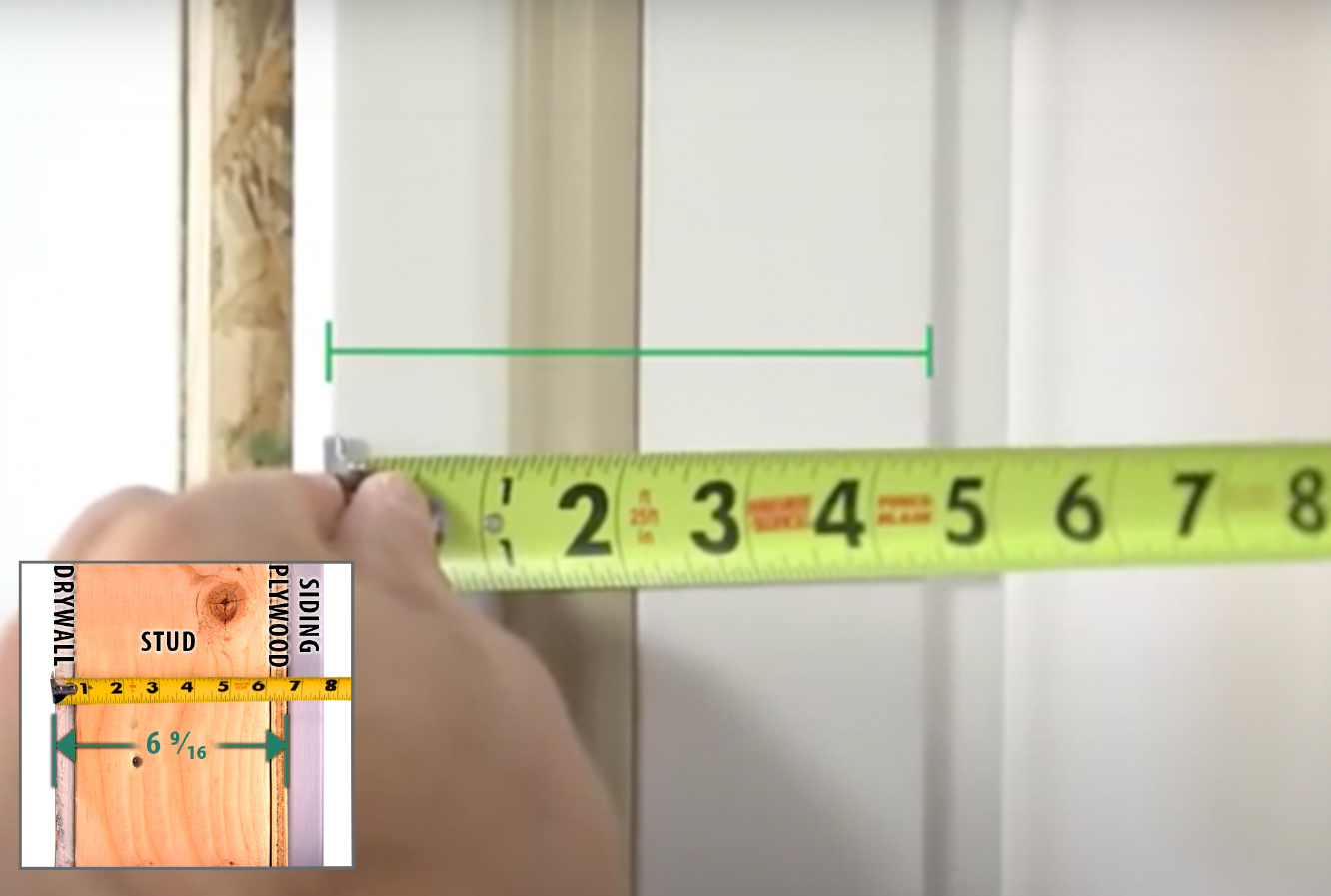
- Look at the side of your door opening. You'll see a bit of wood or plaster that sticks out. This is the jamb.
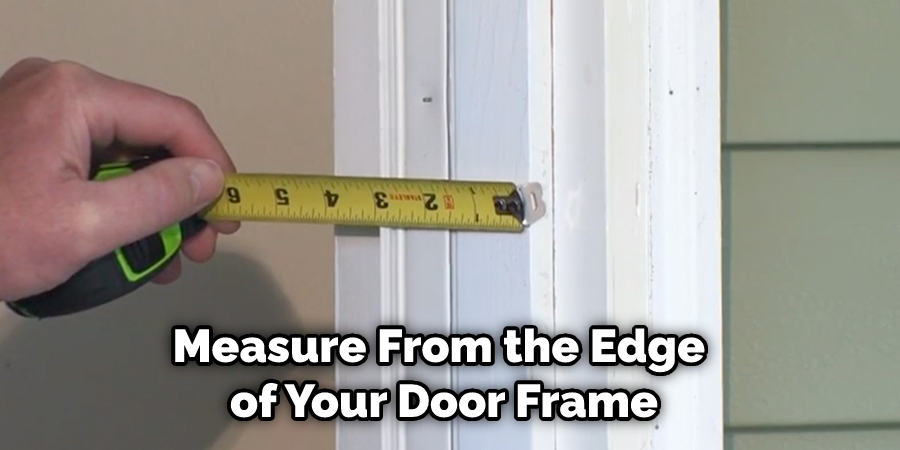
- Measure from the inside edge of the jamb to the outside edge. Basically, how deep is the hole your door sits in?
- Record the measurement. This is usually a pretty consistent number, but it’s good to check.
Why does this matter? Well, when you buy a new door, it will come with a certain thickness. If your wall is thicker than the standard door, you'll need to buy extra trim or a special "jamb extension" to make it all look neat and tidy. It's like buying shoes – you need to know your foot width to get the right fit, and here we're measuring the "wall width" for the door!
Important Little Tips and Tricks
Before you go running off to the nearest DIY store, a few more things to keep in mind:
- Measure twice, cut once! This old saying is gold. Double-check all your measurements. Seriously. It’s worth the extra few minutes.
- Be precise with fractions. If your measurement is 31 and 3/4 inches, write that down! Don’t round up or down too much. Small differences can matter.
- Check your existing door. Sometimes, if you have an existing door that does fit well, you can measure that door itself! Remember, the door is usually about 1/4 inch smaller in width and height than the actual opening. But always double-check the opening itself for accuracy.
- Don't forget about the swing! While not a measurement for the door itself, think about which way you want your door to open. This affects how you'll place it in the frame and where your hinges will go.
- Frame vs. Opening. This is a biggie! Are you replacing just the door slab, or the entire frame? If you're replacing the whole frame, you might need to measure the rough opening (the whole wall cavity before the frame is installed). If you're just replacing the door, you measure the inside of the existing frame. When in doubt, ask the sales assistant for clarification!
So there you have it! Measuring for a new door isn't some mystical art. It's a simple, straightforward process that ensures you get a door that fits perfectly, looks amazing, and functions like a dream. It’s all about a little bit of patience and a keen eye for detail. Now go forth, armed with your tape measure, and unlock the potential for a fantastic new door!