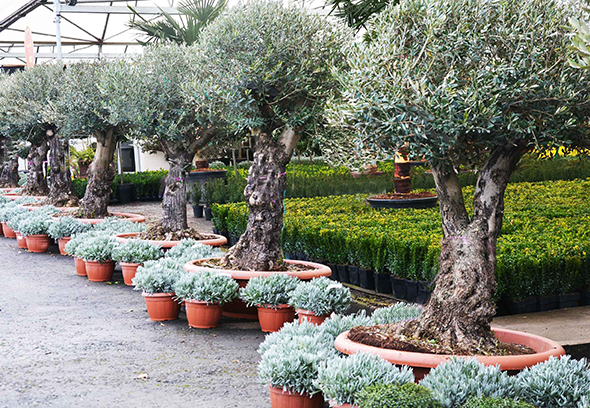
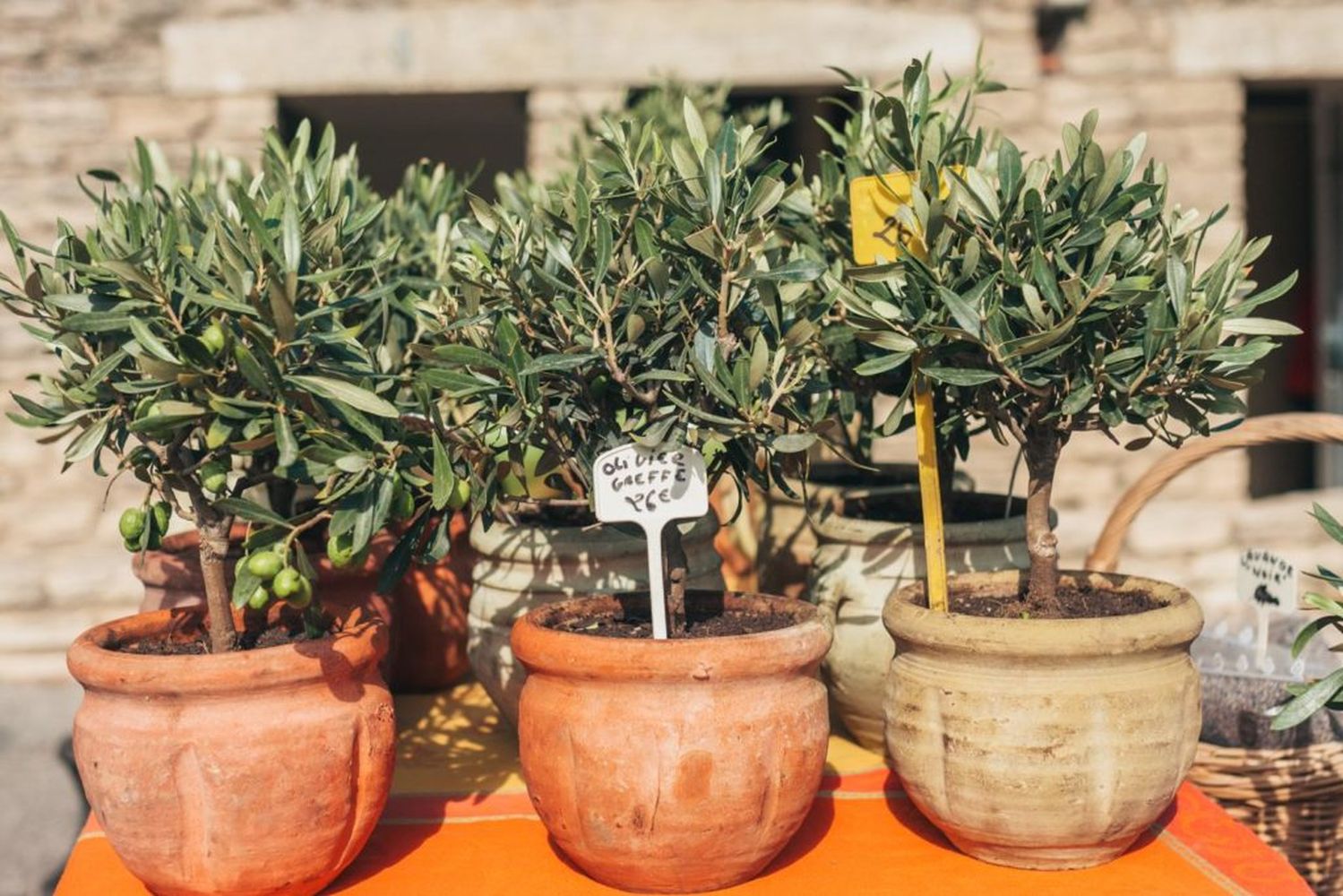
How To Look After An Olive Tree
So, you've decided to get an olive tree. Excellent choice, my friend! You're joining a very sophisticated club, the kind that probably sips artisanal olives and debates the best kind of feta. But before you start picturing yourself draped in a toga, harvesting your own Kalamatas, let's have a little chat about keeping your leafy Mediterranean friend happy.
Think of your olive tree not as some exotic, high-maintenance diva, but more like a slightly stubborn, sun-worshipping grandparent. They've seen a lot, and they appreciate the simple things. Mostly, they just want to be left alone to soak up the rays.
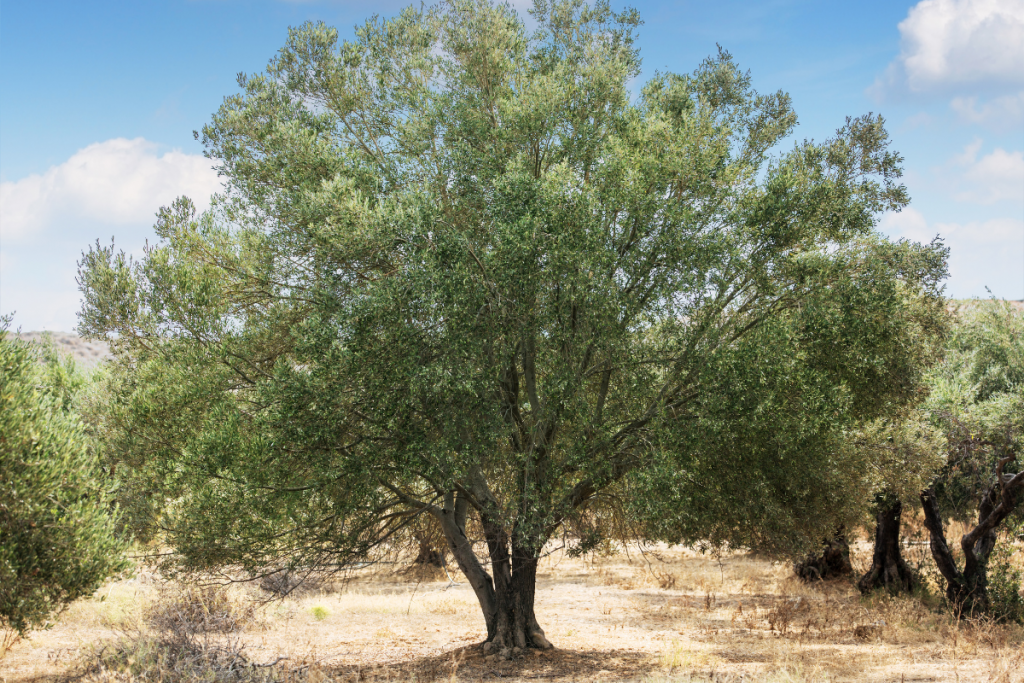
Let's talk about sunlight, the holy grail of olive tree happiness. These guys are practically allergic to shade. If your olive tree could talk, it would probably say, "More sun, please!" So, find the sunniest spot you've got. We're talking prime real estate here, the kind of place where even your houseplants complain about the glare.
Must Read
Your olive tree craves sunshine like a teenager craves Wi-Fi. If it's not getting enough, it'll start looking a bit glum. Think droopy leaves and a general air of "I'm not amused." So, embrace the sunshine, embrace the heat. Your olive tree will thank you with glossy leaves and, dare I say it, maybe even a few tiny blossoms.
Now, onto the watering. This is where things can get a little… tricky. People often overwater their olive trees. It’s like trying to hug a cactus; a little too much enthusiasm and you're going to get pricked. Olive trees are remarkably drought-tolerant. They've survived centuries in arid climates, so they're not asking for a daily spa treatment.
The key here is to let the soil dry out between waterings. Stick your finger in the soil. If it feels like a damp sponge, hold off. If it feels like a desert, then it's probably time for a drink. Think of it as a selective hydration plan. They prefer a good soak followed by a long, dry spell. It’s all about balance, like a perfectly aged balsamic glaze.
Don't be afraid to let your olive tree get a little thirsty. It’s not a wilting flower; it’s a survivor. Overwatering is probably the number one way people accidentally send their olive tree to the great garden in the sky. So, resist the urge to drench it every day. Your olive tree will be happier, and you'll save on your water bill. Win-win!

Soil is another topic. Olive trees aren't fussy eaters. They don't need fancy, gourmet potting mix. They're perfectly happy with well-draining soil. Think gritty, sandy stuff, not some boggy, waterlogged mess. If your soil retains too much water, your olive tree will start to feel like it's perpetually stuck in a swamp. Nobody likes that, especially not a plant that thrives in the Mediterranean sun.
If you're planting it in a pot, make sure there are plenty of drainage holes. Seriously, drill more if you have to. It's better to have too many holes than a drowned root system. Your olive tree will thank you for giving it a nice, airy home where its roots can breathe. No drowning allowed on this ship!
When it comes to feeding your olive tree, think of it as a light snack rather than a three-course meal. They don't need to be force-fed fertilizer. A light feeding in the spring, maybe once a year, is usually plenty. They’re more about quality over quantity when it comes to nutrients. A little goes a long way.
Use a balanced fertilizer, and don't go overboard. Too much fertilizer can actually do more harm than good. It’s like giving a toddler a sugar rush; exciting for a moment, then a crash. Your olive tree prefers a gentle nudge, not a full-blown energy drink. Let nature do most of the heavy lifting.

Pruning is another area where people get a bit nervous. They worry about "ruining" their beautiful tree. But here's an unpopular opinion: olive trees actually like to be pruned. It keeps them tidy and encourages new growth. Think of it as a haircut that makes them look their best.
You can prune to shape your tree, remove dead or crossing branches, or just to keep it from getting too big for its boots. The best time to prune is usually in late winter or early spring, before the new growth really takes off. So grab those secateurs and get pruning! Your olive tree will look all the better for it.
Don't be afraid to get a little bit aggressive with the pruning shears. Olive trees are tough. They’ll bounce back. It’s like giving them a stern talking-to; they might sulk for a day, but they'll come around. Just make sure your tools are sharp and clean to avoid spreading any unwanted garden gossip.
Pests are generally not a huge problem for olive trees, but it's always good to keep an eye out. If you spot any little critters having a feast on your tree, try to deal with them quickly. Often, a good blast of water from the hose is enough to dislodge most unwelcome guests. Think of it as a refreshing shower for your tree and a rude awakening for the bugs.
If you have more persistent pests, there are organic options available. We're not aiming for a chemical warfare situation here; we're just trying to keep your olive tree looking its best. A little bit of vigilance goes a long way in keeping your leafy friend pest-free and happy.
Winter care is important, especially if you live in a cooler climate. While olive trees are hardy, they don't appreciate being frozen solid. If you're expecting a harsh frost, you might need to protect your tree. Wrapping the trunk with burlap or moving a potted tree to a sheltered location can make all the difference.
Think of it as tucking your olive tree into bed on a cold night. It just needs a little extra comfort to get through the chilly months. They’re not made of ice, after all. A little protection can prevent a lot of heartache and ensure your tree greets spring with enthusiasm.
Repotting is another task that can seem daunting, but it's usually only necessary every few years for potted olive trees. When you see roots starting to circle the pot or poke out of the drainage holes, it's a sign that your olive tree has outgrown its digs. Time for a new, slightly larger home.

When repotting, choose a pot that's only a little bit bigger than the old one. Don't go for a giant leap. It's like moving into a mansion when you're used to a studio apartment; overwhelming. A gradual upgrade is best. And remember that well-draining soil!
Ultimately, looking after an olive tree is about understanding its basic needs: lots of sun, not too much water, and a bit of occasional TLC. They're not demanding plants. They’re more like chill relatives who are happy to hang out, provide some greenery, and maybe, just maybe, eventually give you a few olives to brag about.
So go forth and olive tree! Embrace the sunshine, master the watering dance, and don't be afraid to wield those pruning shears. Your olive tree awaits its happily ever after, and you, my friend, are its fairy godparent of good horticultural fortune.