How To Know If Tooth Is Dying
Ever wondered what's going on inside that little pearl in your mouth? It's fascinating to think about how our teeth, these seemingly solid structures, can actually experience a kind of "life" and, sadly, sometimes struggle to keep it. Learning about the signs of a dying tooth might sound a bit grim, but it's actually incredibly useful and can empower you to take care of yourself better. Think of it like understanding a car's warning lights – a little knowledge goes a long way in preventing a breakdown!
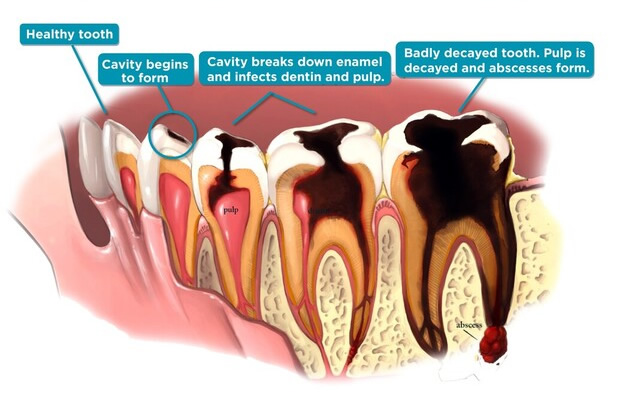
The purpose of understanding if your tooth is "dying" (a term often used to describe a tooth whose pulp, or the soft inner tissue containing nerves and blood vessels, is becoming damaged or is no longer viable) is ultimately to preserve your oral health and prevent more serious problems. When the pulp is compromised, it can lead to significant pain, infection, and even tooth loss. Recognizing the early signs means you can seek professional help from a dentist, who can then diagnose the issue and offer treatments like root canals or other interventions to save the tooth, or at least manage the situation effectively. The benefit is clear: saving your natural teeth, maintaining your smile, and avoiding more invasive and costly procedures down the line.
In an educational context, this knowledge is a fundamental part of understanding biology and human anatomy. For instance, in schools, learning about tooth structure and common dental issues can be integrated into health and science lessons, helping children develop good oral hygiene habits from a young age. In daily life, it’s about being an attentive guardian of your own body. Imagine a child experiencing a persistent toothache – understanding that this could be a sign of a serious problem, rather than just a fleeting discomfort, prompts parents to seek dental advice rather than waiting for it to resolve on its own. Similarly, adults experiencing unusual sensitivity or discomfort might be able to identify the potential urgency of their situation.
Must Read
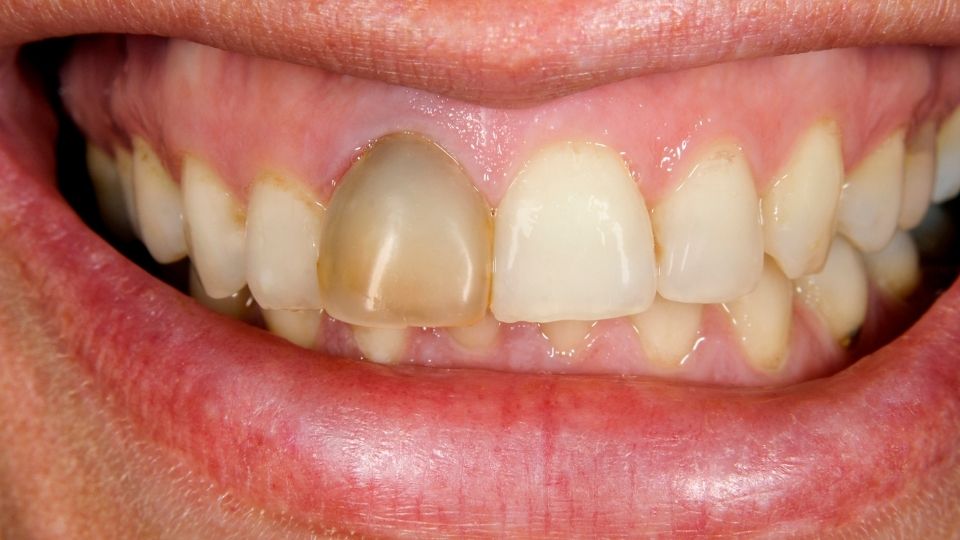
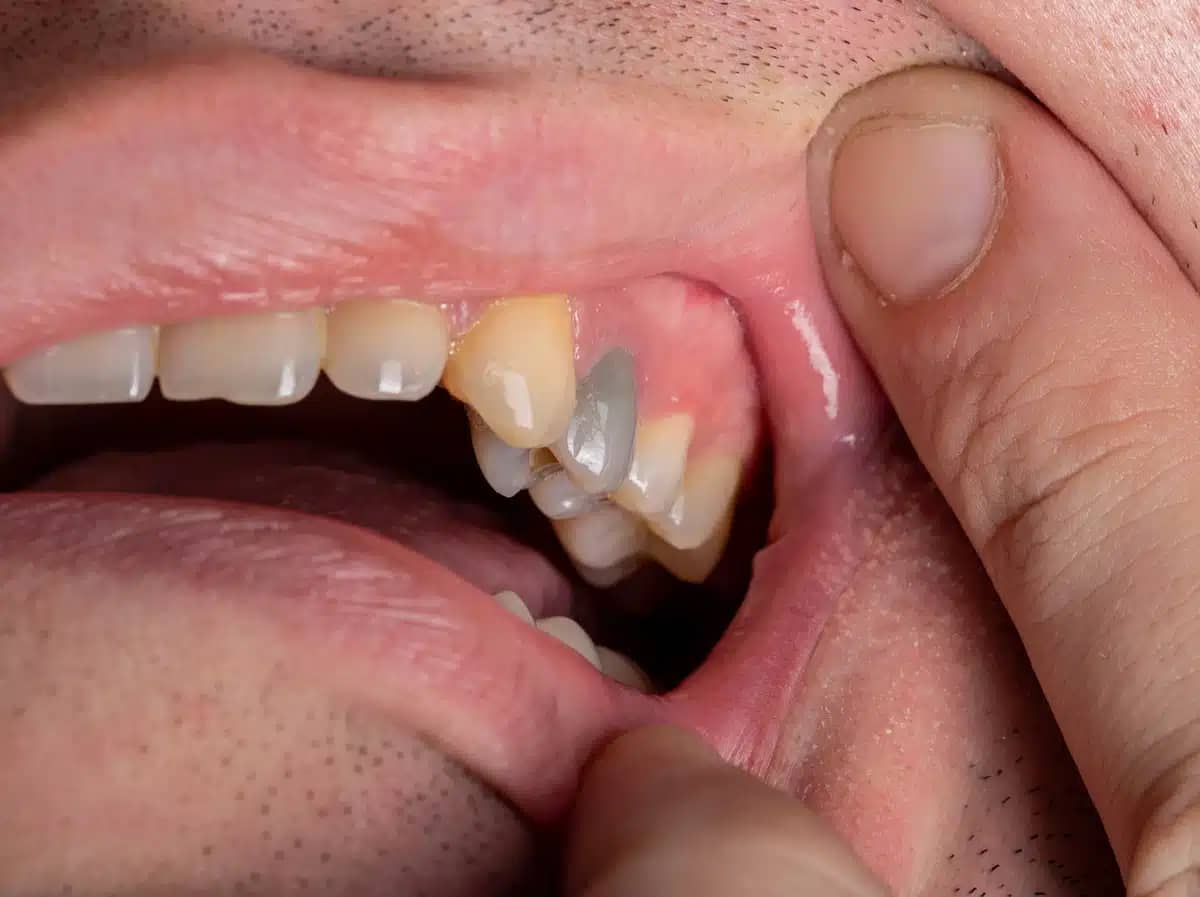
So, how can you tune into your teeth's subtle (or not-so-subtle) signals? A key indicator is persistent tooth pain, especially when it’s a deep ache or throbbing sensation that doesn’t go away. You might also notice increased sensitivity to hot and cold that lingers longer than just a brief twinge. Another sign can be a discoloration of the tooth; a grayish or darker hue could suggest internal damage. Sometimes, you might experience a swelling in the gums near the affected tooth, or even a pimple-like bump on the gum line, which can be a sign of infection spreading from the tooth's root. A bad taste in your mouth that doesn’t improve with brushing or rinsing could also be a clue.
To explore this further, start by simply paying more attention to your mouth. When you eat or drink, notice how your teeth react. If you experience any of the symptoms mentioned, don't dismiss them. The most practical tip is to schedule regular dental check-ups. Your dentist has the tools and expertise to detect problems you might miss. In the meantime, practicing good oral hygiene – brushing twice daily, flossing, and using mouthwash – is your first line of defense. It’s all about being a proactive partner in your own dental well-being!