How To Know If Beef Is Bad

So, the other night, I was rummaging through the fridge, contemplating a culinary masterpiece (or at least, a decent dinner). I’d bought a rather lovely looking ribeye a few days prior, picturing it sizzling on the grill. But as I pulled out the vacuum-sealed packet, a tiny voice in the back of my head started whispering. You know that voice, right? The one that sounds suspiciously like your grandma telling you to “smell it first, dearie.” Well, this time, grandma’s voice was louder than usual, and frankly, a little alarming.
Instead of the usual faint, metallic tang of raw beef, there was… something else. Something a bit… off. It wasn’t the smell of rotten eggs (thank goodness), but it definitely wasn’t the fresh, promising aroma of a good steak. So, the ribeye ended up back in the fridge, with a note to self to investigate further. And that, my friends, is how we’re going to tackle the age-old question: how do you actually know if your beef has gone bad? Because let’s be honest, nobody wants to be the person who accidentally serves a biohazard for dinner.
The Sneaky Signs: What Your Beef is Trying to Tell You
It’s kind of like dating, isn't it? Sometimes things just feel a bit… wrong, even if you can’t quite put your finger on it. Beef is no different. It’s not always a dramatic neon sign flashing “DO NOT EAT ME!” Often, it's more of a subtle hint, a gentle nudge towards the bin. And learning to read these hints can save you a whole heap of trouble, not to mention a very upset stomach. So, let’s dive into the nitty-gritty of beef spoilage.
Must Read
1. The Visual Cues: What to Look for (and What to Avoid!)
Your eyes are your first line of defense. Think of yourself as a culinary detective, surveying the scene. What are you looking for?
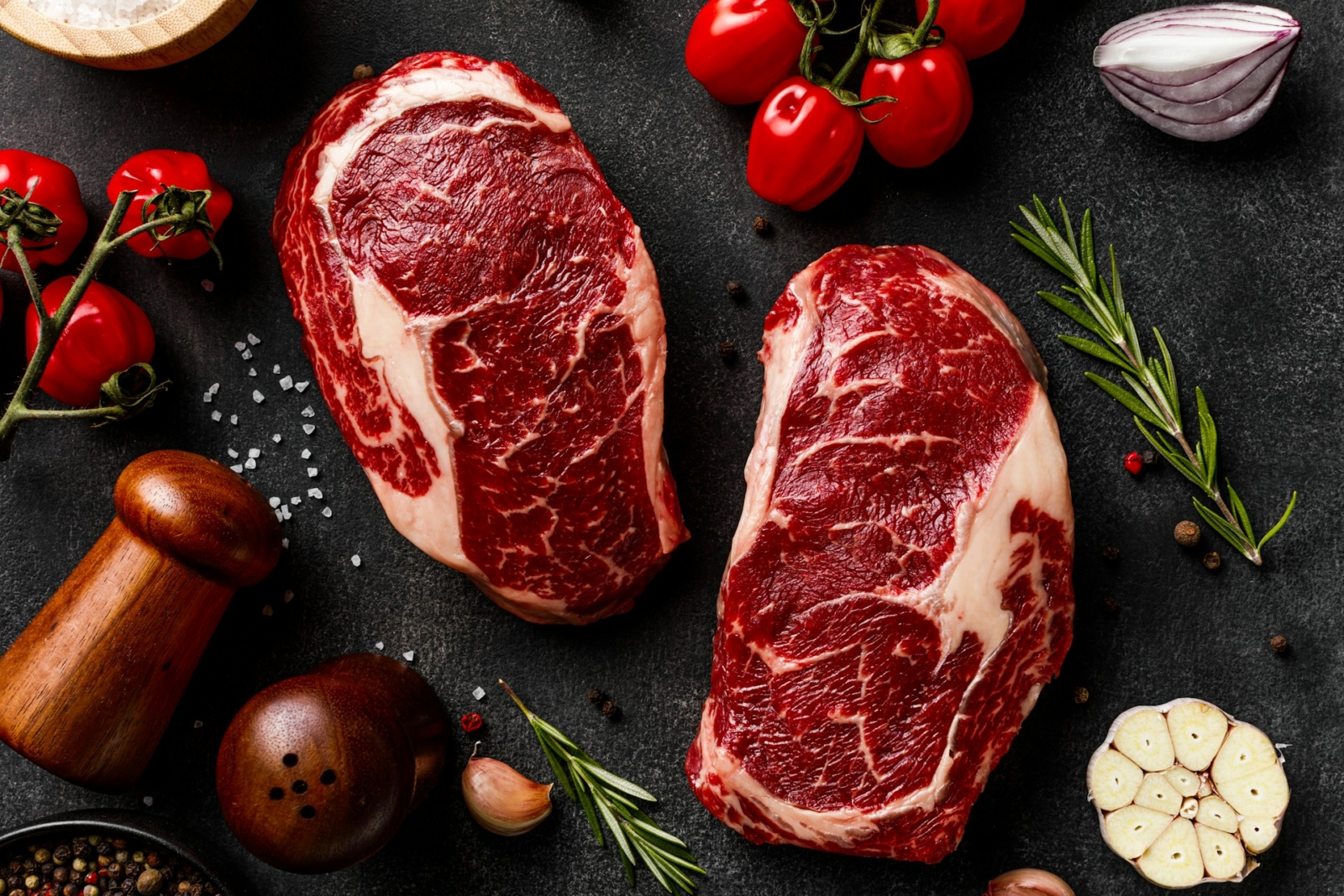
First off, color. Fresh beef, especially when it's just out of the packaging, should have a bright, cherry-red hue. This is thanks to something called oxymyoglobin, which sounds fancy but basically means it’s got oxygen. If you see your beef looking a bit dull, maybe a brownish-red or even grayish, that’s a potential red flag. It doesn't automatically mean it's bad, mind you. Sometimes, just exposing it to a little more air can bring back that vibrant color. But if it's consistently dull and has a sort of muddy appearance, it’s time to get suspicious.
And then there's mold. Oh, the dreaded mold. If you spot any fuzzy green, white, or even black splotches on your beef, that’s a definitive no-go. Seriously, folks, mold on meat is never a good sign. Don't even think about cutting it off and eating the rest. Mold can penetrate deeper than you can see, and some molds produce toxins that can make you very sick. So, if you see mold, just… let it go. It’s for the best. Imagine it’s a bad relationship; sometimes you just have to walk away.
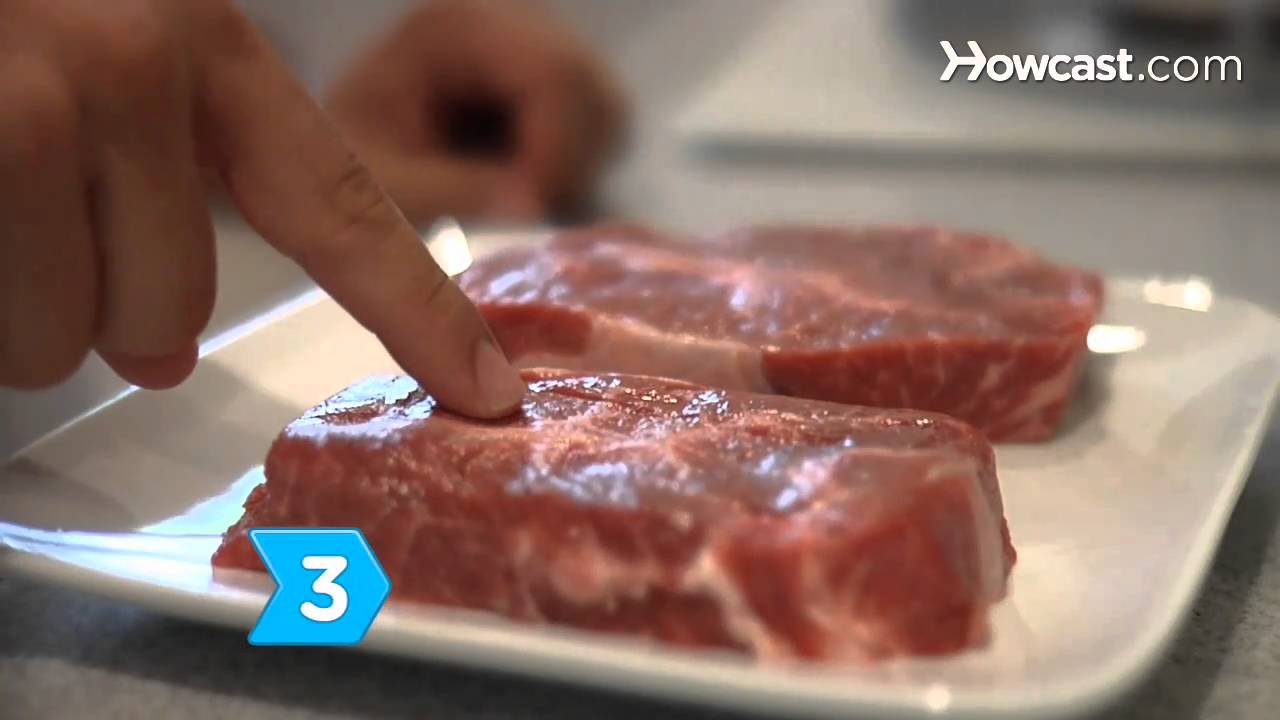
What about the texture? Fresh beef should feel firm and slightly elastic. It shouldn’t be slimy or sticky. If your beef feels “mucus-y” or overly soft, that’s another sign that bacteria have been having a party and it’s time to clean up the mess (in the bin, that is).
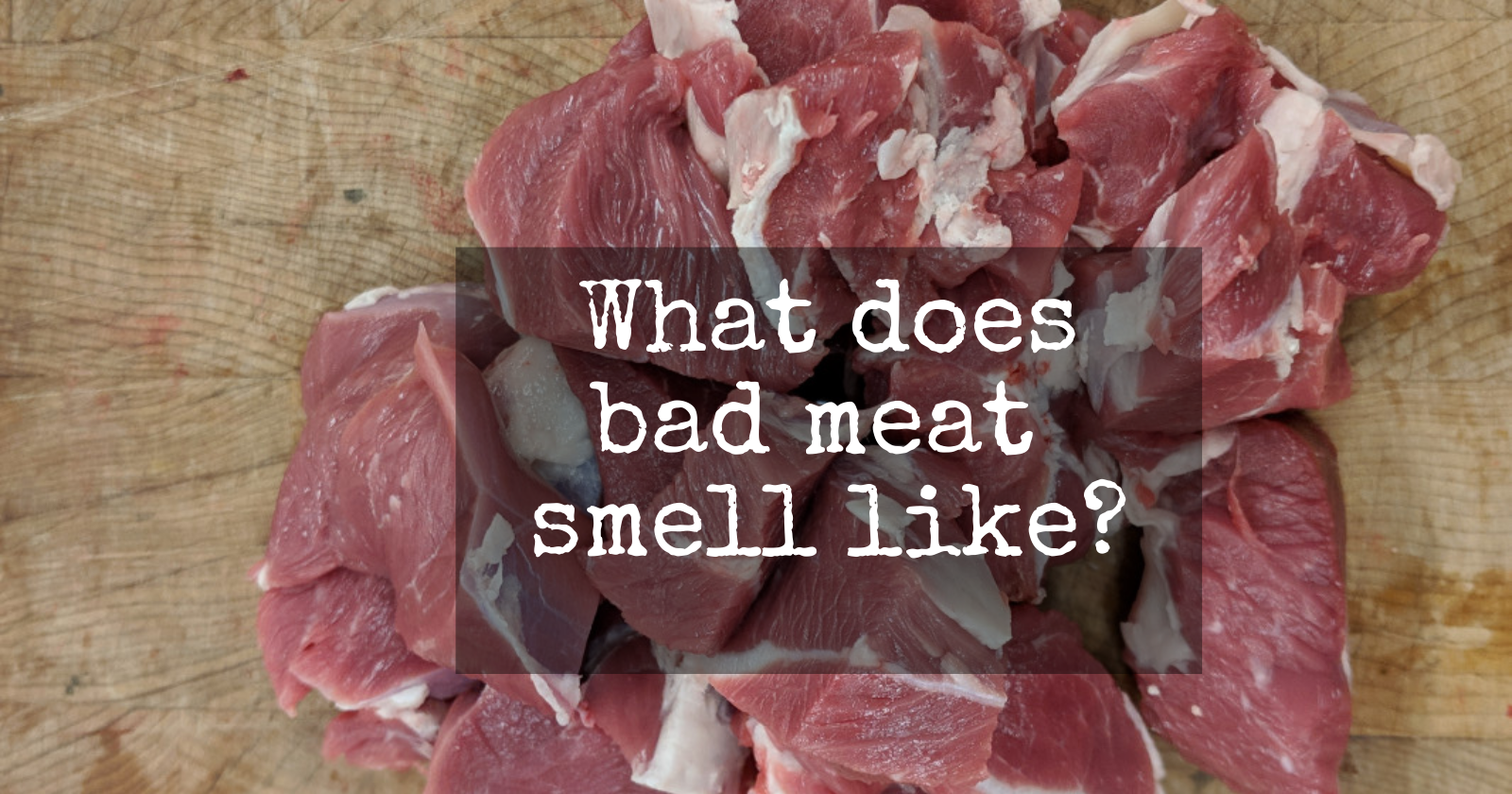
Here’s a little tip: when you’re checking, try to do it under good lighting. Sometimes, a dimly lit fridge can play tricks on your eyes. So, pull that beef out, give it a good look-see under your kitchen lights. You’ll thank me later.
2. The Olfactory Overload: Trust Your Nose (Seriously!)
This is where grandma’s advice really shines. Your nose is an incredibly powerful tool when it comes to detecting spoilage. And let’s be honest, the smell of bad beef is pretty unmistakable. It’s not usually a pleasant experience, so buckle up.
Fresh beef has a very mild, almost metallic or slightly earthy smell. It’s not strong, and it’s certainly not offensive. If you open that package and are hit with a foul, sour, or ammonia-like odor, your beef has likely gone bad. This smell is a direct result of bacteria breaking down the proteins in the meat. It’s the smell of decay, and it’s your body’s natural alarm system telling you to steer clear.
Sometimes, the smell might be subtle at first. You might get a whiff and think, “Hmm, that’s a bit iffy.” Don’t ignore that. It’s better to be cautious than to find out the hard way. Think of it as your internal biohazard detector. If it’s pinging, pay attention!
And I know this sounds gross, but sometimes, if you’ve had beef in the fridge for a while, and you’re not entirely sure, giving it a gentle sniff is your best bet. Just a quick waft. If it makes you recoil, well, you have your answer. No need for a full-on sniff test if you’re already getting bad vibes from afar. Let’s not make ourselves miserable.

3. The Time Factor: How Long is Too Long?
This is a big one. Even perfectly stored beef has a shelf life. And knowing these general guidelines can prevent you from even having to do the visual and olfactory tests. It’s all about prevention, right?
For fresh, raw beef (steaks, roasts, chops), it's generally best to cook or freeze it within 3 to 5 days of purchasing it. That’s if it's been properly refrigerated the whole time. If it's been sitting out, or the fridge temperature isn't ideal, that window shrinks considerably.
Ground beef is a bit more sensitive. Because the meat has been broken down, there's more surface area for bacteria to multiply. So, aim to cook or freeze ground beef within 1 to 2 days of buying it. This is where being organized in the fridge really helps. You know, those little sticky notes saying “Ground Beef – Use by Friday!” can be lifesavers.
Cooked beef, if stored properly in an airtight container, will usually last about 3 to 4 days in the refrigerator. After that, it’s playing Russian roulette with your digestive system.
Now, these are just general guidelines. Factors like how the meat was handled before you bought it, and the actual temperature of your fridge, can all play a role. But if your beef is pushing these time limits, it’s definitely worth giving it an extra thorough check.
4. The Packaging Clues: What the Seal Can Reveal
The packaging itself can sometimes give you a heads-up. If you’ve bought vacuum-sealed beef, pay attention to the seal.
A bulging or leaking package is not a good sign. This often indicates that bacteria have been multiplying inside, producing gases that inflate the package. If you see any liquid seeping out that wasn’t there when you bought it, that’s another potential warning sign. It’s like the package is screaming for help.
If the package has been opened and then re-sealed (sometimes at the butcher counter), make sure the seal looks intact. If it looks like it’s been tampered with or isn’t forming a good seal, that’s less ideal for preservation. We’re aiming for an airtight fortress of freshness here.
5. When in Doubt, Throw it Out! (The Golden Rule)
This is the most important piece of advice, and I can’t stress it enough. If you have any doubt whatsoever about the safety of your beef, err on the side of caution and throw it away. Seriously. It’s not worth the risk of food poisoning. A few dollars for a new cut of meat is a small price to pay for avoiding a miserable few days (or worse) of sickness.
Think about it: a stomach bug can really ruin your week. And the taste of spoiled meat is something that can linger in your memory (and your mouth) for a long time. So, if your beef is looking a bit off, smelling a bit off, or you’re just not feeling good about it after considering the time it’s been in the fridge… just toss it. No regrets.
It’s a hard truth, but sometimes the most delicious ingredient needs to be sacrificed for the greater good (which is your well-being). Imagine your fridge as a high-stakes environment. If something fails the sniff test, it’s immediately ejected from the premises. No appeal.
So, What About My Ribeye?
Back to my ribeye conundrum. After a good sniff (from a safe distance, of course), I decided the faint, unusual odor was enough to give it the boot. It wasn’t aggressively foul, but it wasn’t right. And since it was a couple of days past the 3-day mark for fresh beef, and I hadn’t been meticulously tracking its fridge time (oops!), it was the sensible thing to do.
I ended up ordering pizza. And you know what? It was delicious. No mystery smells, no digestive anxiety. Just pure, unadulterated pizza joy. Sometimes, the universe provides alternatives when you make the right (or in this case, the safe) decision.
Learning to identify bad beef is a crucial skill for any home cook. It’s about more than just avoiding waste; it’s about protecting yourself and your loved ones. So, next time you’re staring into your fridge, wondering about that piece of meat, take a moment, use your senses, and trust your gut. Your stomach will thank you for it!
And hey, if you ever find yourself in a similar situation, and you're unsure, just remember the mantra: When in doubt, throw it out. It’s the simplest, most effective rule in the book. Happy (and safe) cooking!
:max_bytes(150000):strip_icc()/is-your-ground-beef-spoiled-4049538_FINAL-5c36722646e0fb000177add6.png)