How To Know If A Turbo Is Bad
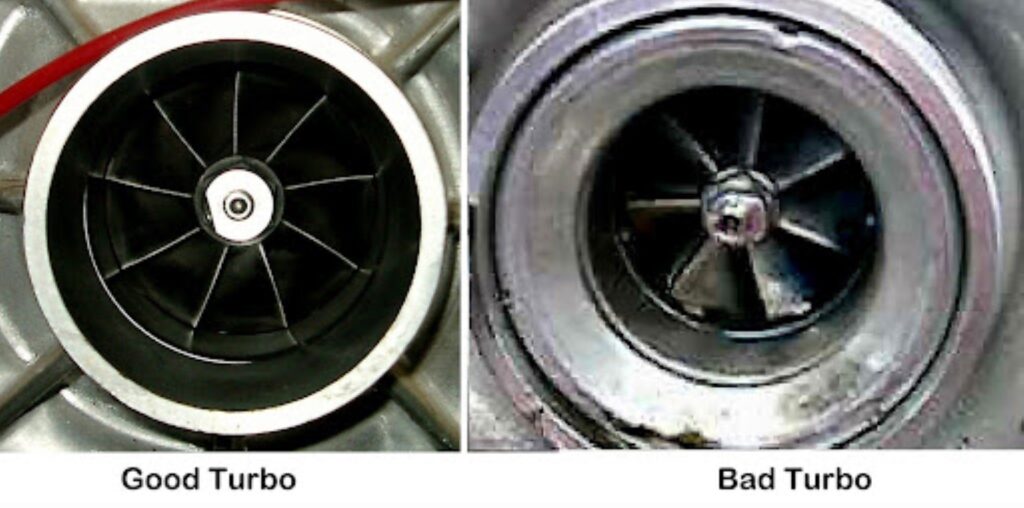
Ah, the turbocharger. For many car enthusiasts, the mere mention of it conjures images of blistering acceleration, that satisfying whoosh as it spools up, and a newfound surge of power. It’s a bit like a secret superpower for your engine, taking your everyday commute from mundane to marvelous. And let's be honest, who doesn't love a little extra pep in their step, or in this case, their ride?
But like any complex piece of machinery, turbos aren't immune to the occasional hiccup. Understanding if your turbo is on its last legs isn't just for the gearheads; it can save you from a costly breakdown and keep your beloved vehicle running smoothly. A healthy turbocharger plays a crucial role in your car's performance. It forces more air into the engine's combustion chambers, allowing for a bigger, more powerful explosion with each cycle. This translates directly to more horsepower and better fuel efficiency under certain conditions. Think of it as giving your engine a super-oxygenated breath. This enhanced performance is particularly noticeable when you're merging onto a highway, climbing a steep hill, or even just trying to pass another car with confidence. You might find it in everything from sporty coupes to practical SUVs, and even some diesel trucks rely heavily on them for their towing prowess.
So, how do you know when this marvelous piece of engineering is waving a white flag? The most common tell-tale sign is a significant loss of power. You'll notice your car feels sluggish, especially when you press the accelerator. That eager surge you once felt is gone, replaced by a disappointingly slow climb in speed. Another big clue is unusual noises. A healthy turbo is relatively quiet, but a failing one can start to sound like a banshee trapped in a tin can – think high-pitched whines, grinding, or even a distinct whistle that wasn't there before. If you hear these sounds, it’s definitely time to investigate.
Must Read
Then there’s the visual evidence: excessive smoke. If you see a lot of blue or black smoke coming from your exhaust, especially under acceleration, it's a strong indicator that oil is leaking into the combustion chamber or the turbo seals are shot. White smoke can also be an issue, often signaling coolant leaking into the exhaust. Finally, keep an eye on your oil consumption. Turbos rely on oil for lubrication and cooling. If you find yourself topping up your oil more frequently than usual, and your mechanic can't find any other leaks, the turbo is a prime suspect.
To enjoy your turbocharged vehicle more effectively, regular maintenance is key. Don't skip your oil changes, and always use the recommended oil type. When the car is hot after a spirited drive, it's a good idea to let the engine idle for a minute or two before shutting it off. This allows the turbo's heat to dissipate gradually and prevents oil from coking up. And when in doubt, trust your ears and your mechanic. A little proactive care can go a long way in keeping that turbo-powered excitement alive!