
How To Hold The Yarn In Crochet

Ah, crochet. That magical craft where loops and stitches transform into cozy blankets and adorable critters. But before you can unleash your inner yarn wizard, there's a little secret. A secret whispered in hushed tones in yarn shops and fiercely debated over steaming cups of tea. It’s about… holding the yarn!
Seriously, it sounds so simple, right? Just grab the yarn and go. But oh no, my friends. The way you hold that fluffy strand can be the difference between a heavenly crochet experience and a tangled, frustrating nightmare. And I’m here to tell you, the “right” way? It’s probably not what your grandma told you.
The Great Yarn Grip Debate
Let's dive into the battlefield. You've got the Continental grip, where you hold the yarn in your non-dominant hand, letting it glide through your fingers like a seasoned tightrope walker. It's efficient, they say. It's fast. It’s… a little bit like patting your head and rubbing your stomach simultaneously for some of us.
Must Read
Then there’s the English grip, or as I affectionately call it, the "wrap and yank." This is where the yarn is draped over your dominant hand, and you sort of flick it around your hook. It feels more intuitive to many beginners, like you’re actively making the yarn go where you want it to.
And don't even get me started on the folks who have their own secret handshake with the yarn. They’ve invented grips that defy explanation, a unique dance of fingers and wool that works for them and only them. Are they geniuses? Probably. Are they a little bit intimidating? Absolutely.
My Unpopular Opinion
Here's where I might lose some friends. I think the obsession with finding the one perfect way to hold yarn is, frankly, a bit overblown. Yes, efficiency is nice. Yes, speed is great when you're trying to finish that last-minute birthday gift.
But if your method looks weird, if it involves a knot that would make a sailor weep, and if your yarn is occasionally trying to escape like a runaway hamster… so what? If you're making beautiful things and not developing carpal tunnel, you're winning.
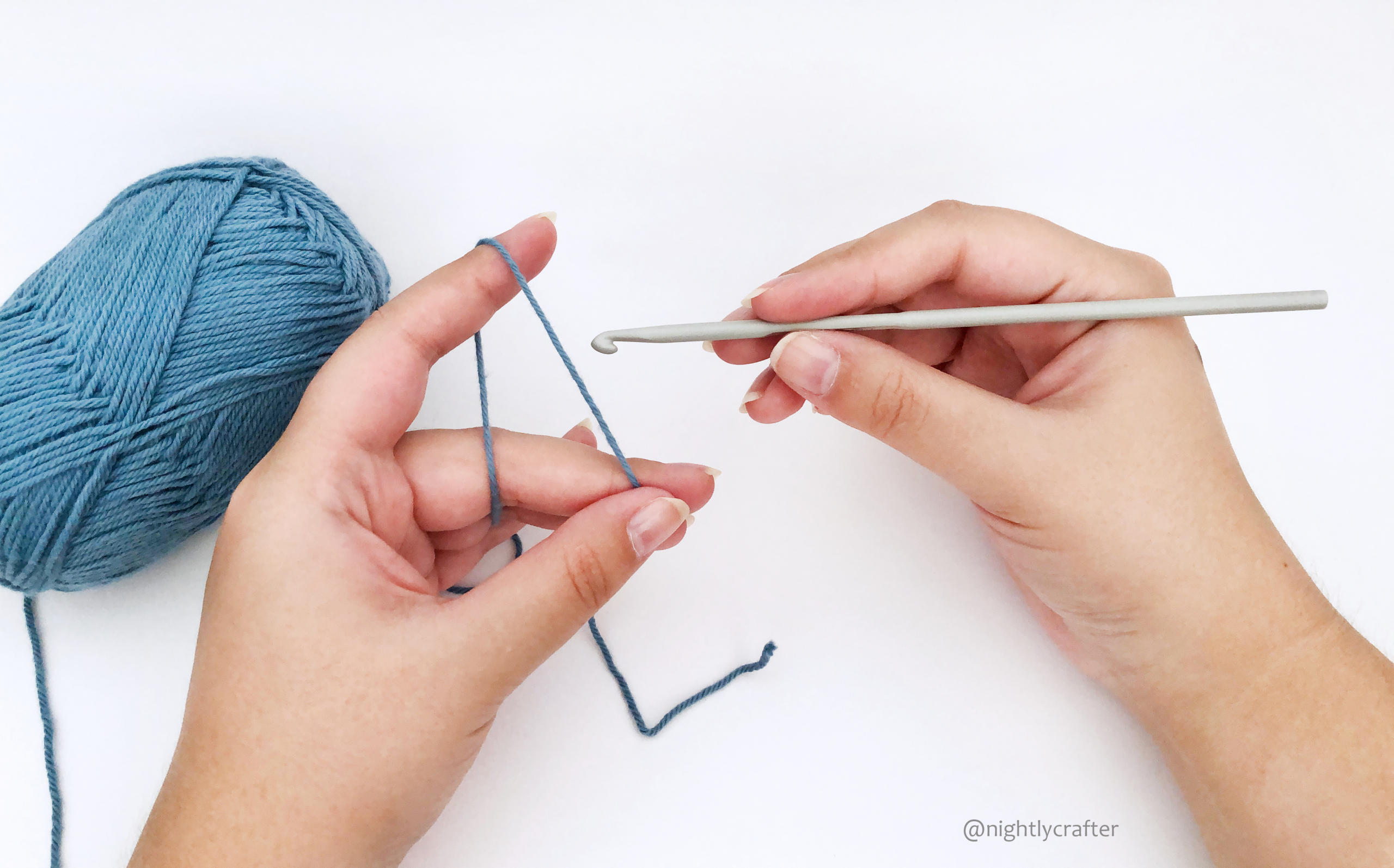
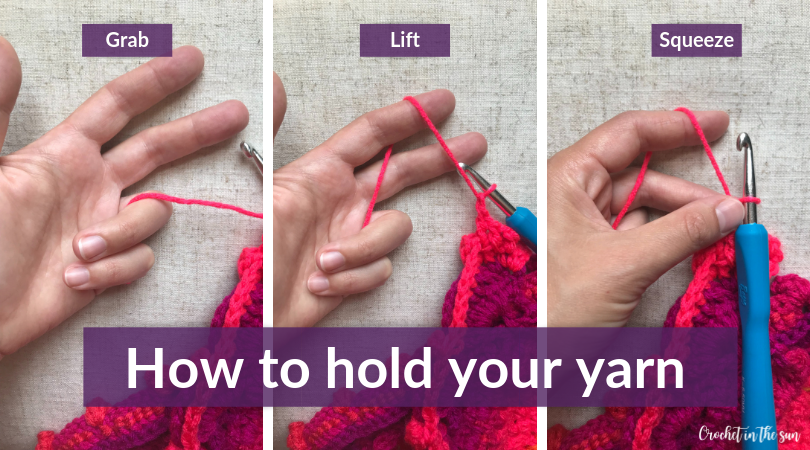
I've seen people clutch their yarn like a precious gem, others let it flow loosely. Some people wrap it around their pinky finger like a tiny, fluffy ring. Some weave it through their index and middle finger, creating a miniature yarn hammock. It’s like a fashion show for your hands!
The goal, my friends, is to create stitches. Stitches that are reasonably consistent in tension. Stitches that don't look like they were attacked by a tiny, yarn-loving monster. If your current grip achieves that, then congratulations! You've cracked the code.
For years, I tried to force myself into the "correct" Continental grip. My fingers felt like they were staging a protest. My yarn tangled with the enthusiasm of a cat discovering a new string. I’d sigh dramatically and switch back to my own, slightly chaotic, English-ish hybrid.
And you know what? My projects got done. They looked good. And I didn't shed a single tear of yarn-induced frustration. The only person I was really fooling was myself, thinking I had to adhere to some arbitrary rule.
The Myth of the "Perfect" Grip
We see these amazing crocheters on Instagram, their hands a blur of motion. They make it look effortless, their yarn flowing like a digital river. And we think, "I must be doing it wrong!" But what we’re not seeing is the years of practice. We’re not seeing the dropped stitches, the moments of doubt, the yarn barf they probably wrestled with in their early days.
Think about it. Did you learn to tie your shoes perfectly the first time? Did you write a Shakespearean sonnet on your first try? Probably not. Crochet is the same. It’s a skill that develops over time, and your hands will naturally find their own comfortable rhythm.
So, if you're a beginner, don't get hung up on learning the "right" grip from the get-go. Try a few different ways. See what feels natural for your hands.
Maybe you'll find that the Continental grip is your soulmate. Maybe the English grip will feel like coming home. Or maybe, just maybe, you'll invent something entirely new. Something revolutionary. Something that will be featured in crochet magazines and inspire a whole generation of yarn wielders.
I once saw a person hold their yarn by letting it dangle from their hook like a tiny, fuzzy pendulum. It was unorthodox. It was bizarre. And they were making the most exquisite lace. I was mesmerized.

The key is consistency. Can you maintain a somewhat even tension? Are you able to easily feed yarn to your hook? If the answer is yes, then your grip is a success story.
My own grip is a delightful mess. I call it the "Adaptive Flail." Sometimes it’s English-ish, sometimes it’s Continental-adjacent. I’ve even been known to employ the "yarn tucked under my chin" technique when things get particularly dicey.
And you know what? My blankets are warm. My amigurumi are cute. And my yarn generally behaves itself. It’s a testament to the fact that crochet is more about the heart and the hands working together than about adhering to rigid doctrines.
Embrace Your Inner Yarn Maverick
So, to all you crocheters out there who are struggling with the "perfect" grip, I implore you: relax. Breathe. Give yourself permission to be a little bit weird.
Experiment. Play. Don't be afraid to look silly. Your yarn is not judging you. The hook is not judging you. Only the internet sometimes feels a little bit judge-y about these things.

If your yarn tension is all over the place, then it’s time to troubleshoot. But don’t let the quest for the perfect grip prevent you from enjoying the process.
I’m not saying don’t learn about different grips. It’s good to be aware of them. But don’t let them become a barrier to entry. They’re tools, not commandments.
My advice? Crochet more. Pay attention to what feels good. What feels natural. What allows you to create without your hands staging a mutiny.
And if someone tells you your grip is "wrong"? Just smile. Nod. And then go back to happily crocheting whatever beautiful creation is swirling in your mind. You’re doing great, no matter how your yarn is held.
After all, the most important thing is that the yarn ends up in a stitch. And if your unique way of getting it there works for you, then it’s the best way.

