How To Grow Figs In The Uk

Fancy a taste of the Mediterranean right here in your own backyard? Growing your own figs in the UK might sound a bit ambitious, but it's surprisingly achievable and incredibly rewarding! It’s a fantastic way to bring a touch of the exotic into your garden, and there’s a special kind of satisfaction in harvesting your very own sweet, sun-ripened figs. Forget expensive supermarket imports; your journey to figgy goodness starts now, and it’s more accessible than you might think.
For beginners, it's a low-fuss way to get into fruit growing. You don't need acres of land; a pot on a patio can work wonders! For families, it's a wonderful educational project. Kids can learn about plant growth, patience, and the magic of food production, plus they'll be much more inclined to try something they've helped grow. And for dedicated hobbyists, it's a chance to experiment with different varieties and refine their pruning techniques, aiming for that perfect harvest year after year.
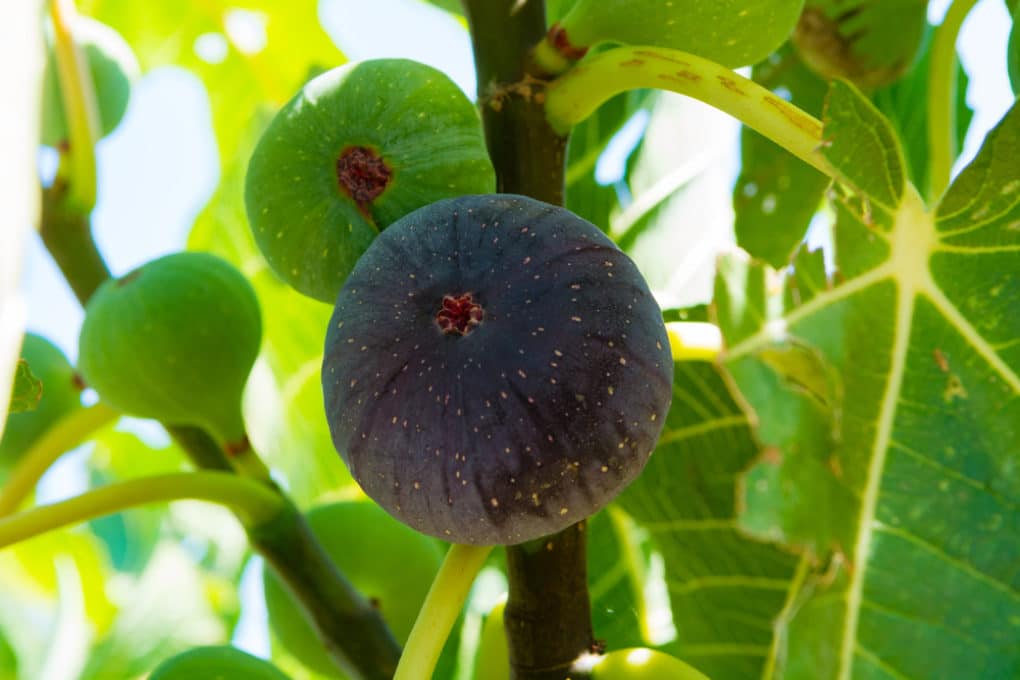
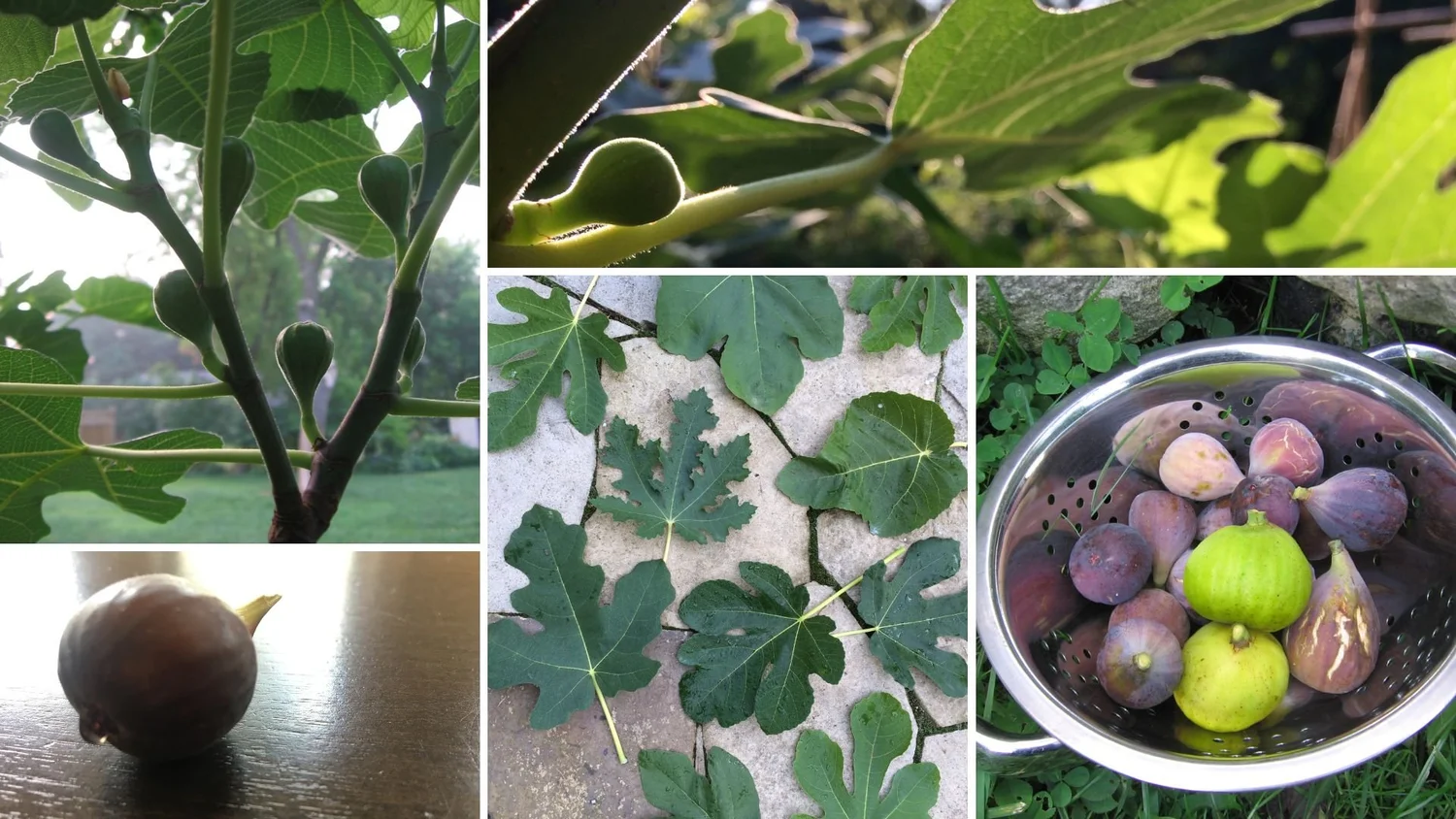
The beauty of fig growing in the UK is its adaptability. While traditionally a warm-climate fruit, many varieties are surprisingly hardy and can thrive even in our cooler summers, especially with a little help. You might opt for a compact, bushy variety perfect for a small container, or a more vigorous one that can be trained against a sunny wall. Some popular choices include 'Brown Turkey', known for its reliable cropping and sweet, reddish-purple fruit, and 'Celeste', often called 'Sugar Fig' for its incredibly sweet, jammy flesh. For a slightly different flavour profile, 'Marseilles Black' offers a rich, honey-like sweetness.
Must Read
Getting started is simpler than you imagine. First, choose the right spot. Figs absolutely adore sunshine, so a south-facing or west-facing position that gets at least six hours of direct sunlight a day is ideal. Think about a sunny wall, a sheltered patio, or even a large container. If you're planting in the ground, ensure the soil is well-drained, as figs don't like soggy feet. You can improve drainage by adding grit or sand to your soil.
When it comes to planting, whether in the ground or a pot, use a good quality, peat-free compost. For containers, a larger pot is better, as figs can become root-bound. A pot that's at least 40-50cm in diameter is a good starting point. Watering is important, especially when the plant is young and during dry spells, but remember not to overwater, particularly once the fruit is developing. A little bit of feeding with a general-purpose liquid feed during the spring and summer can give your fig tree a boost.
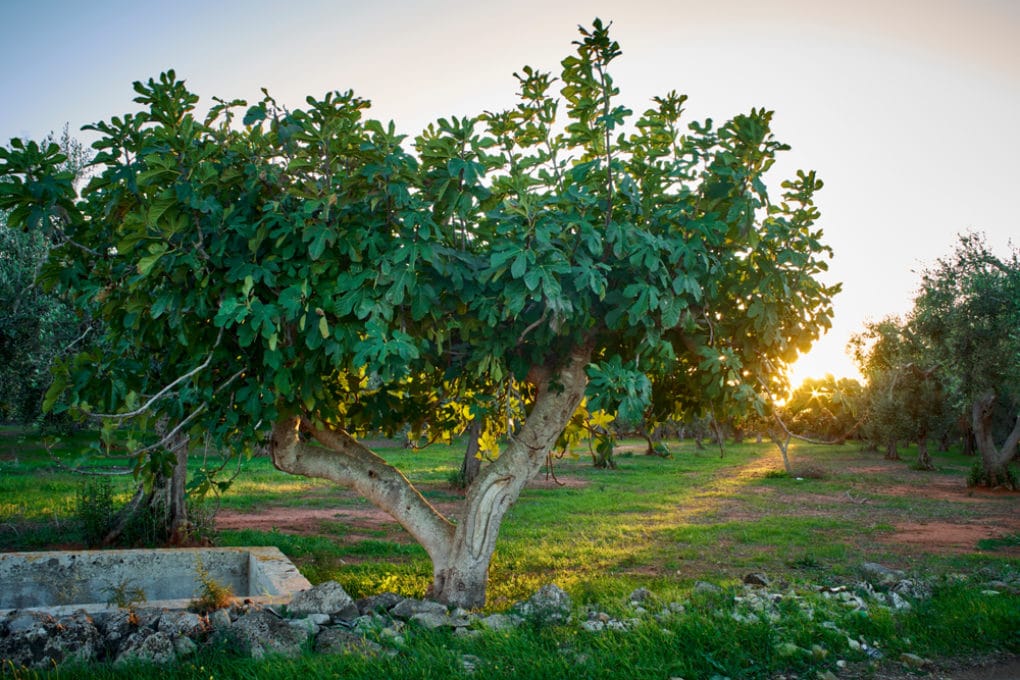
One of the most crucial aspects for success in the UK is pruning. Don't be afraid of it! Pruning encourages new growth and helps the plant produce fruit. The best time to prune is usually in late winter or early spring, before new growth starts. You'll typically want to remove any dead, damaged, or crossing branches, and open up the centre of the tree to allow light and air to circulate. For younger trees, focus on creating a strong main structure.
So, there you have it! Growing figs in the UK is a delightful endeavour that offers a fantastic harvest and a touch of gardening magic. The taste of a home-grown fig, bursting with sweetness, is truly unparalleled, making all the effort wonderfully worthwhile.