How To Get Sap Out Of Clothes
Ah, the great outdoors. We love it, don't we? The fresh air, the birds chirping, the gentle rustle of leaves… and the inevitable encounter with sticky, stubborn sap. My most recent adventure involved a particularly enthusiastic hug from a pine tree (my kid insisted it was a “special tree hug” for good luck), and let's just say my favorite hiking pants are now sporting what I can only describe as a glittery, resinous constellation. I spent a good twenty minutes afterwards, standing there with my sticky hands, contemplating whether to just embrace the pine-scented aesthetic. Turns out, embracing it isn't the best long-term strategy for laundry day.
We've all been there, right? That moment of dawning horror when you realize your pristine clothing has become an accidental canvas for nature's most tenacious art supplies. Whether it’s from a rogue pine branch, a sticky berry, or a tree that just decided your sleeve looked like a good resting spot, sap on clothes is a universal, albeit annoying, phenomenon. So, what do we do when we’re faced with this gooey predicament? Do we just relegate that beloved t-shirt to the "gardening only" pile? Heck no! Let’s talk about how to get that sticky stuff out.
Operation: De-Sap Your Duds
Okay, deep breaths. This isn't a lost cause. Getting sap out of clothes is totally achievable, and you probably have most of the tools you need already lurking in your cupboards. It’s all about a little patience and the right approach. Think of it like a detective mission, but instead of a crime scene, you’re examining a sticky residue. We’re going to investigate, gather our evidence (cleaning agents), and bring this sap to justice!
Must Read
The first and most crucial step, my friends, is to act fast. The longer sap sits on fabric, the more it bonds with the fibers. It’s like a determined little barnacle. So, the moment you notice that sticky blob, try to deal with it. If you’re out and about, maybe you can gently scrape off the bulk of it (carefully, so you don’t spread it further!). If you’re home, well, that’s prime time for intervention.
The Cold Approach: Freezing It Out
This is often the first and easiest method to try. Think of it as giving the sap a really, really bad day. When sap is cold, it becomes brittle and less sticky. It’s kind of like how honey hardens in the fridge. So, if you can freeze that sap, it becomes much easier to break off.
How to do it:
- Grab the affected garment.
- Carefully fold it so the sap-stained area is exposed to the outside.
- Pop the garment into a plastic bag (this is important to avoid freezing your freezer contents to your clothes, which is a whole other problem!).
- Shove it into your freezer.
- Leave it there for at least an hour, or until the sap feels rock solid.
Once it's frozen solid, take it out of the freezer and the bag. Now, and this is the fun part, gently scrape off the frozen sap. You can use a dull knife, a credit card, or even your fingernail. Be gentle, especially on delicate fabrics, so you don't damage the material. The idea is to chip away at the hardened sap, not to scrub it into oblivion.
This method works best for larger, more solid globs of sap. If it's a more widespread, sticky smear, you might need to move on to other techniques. But seriously, give this a shot first. It's surprisingly effective and requires zero weird chemicals.

The Solvent Squad: When Cold Just Isn't Enough
Sometimes, freezing just doesn't cut it. The sap might be too embedded, too thin, or just plain stubborn. That’s when we call in the big guns – the solvents. Now, before you go dousing your precious garment in something questionable, let's talk about which ones are safe and effective. We’re looking for things that can break down that sticky resin without wrecking your fabric.
Isopropyl Alcohol (Rubbing Alcohol): The Household Hero
This is probably one of the most accessible and effective solvents you can use. Rubbing alcohol is great at dissolving sticky residues and is generally safe for most fabrics. You know, that stuff you use to clean cuts? Turns out it’s also a sap-fighting champion!
How to do it:
- First, test a hidden area of the garment. Seriously, don't skip this. A small dab on an inside seam or hem will tell you if the fabric reacts badly.
- If all systems go, grab a clean cloth or cotton ball.
- Dampen the cloth with isopropyl alcohol (don’t soak it!).
- Gently dab and blot the sap stain. Work from the outside of the stain inwards to avoid spreading it.
- As you lift the sap, switch to a clean part of the cloth to avoid reapplying the loosened gunk.
- Keep dabbing until the sap starts to lift. You’ll see it transferring to the cloth.
Once you’ve removed as much sap as possible, rinse the area with cool water. Then, wash the garment as you normally would. You might need to repeat the process if the stain is particularly stubborn. Don't be discouraged if it's not gone in one go!
Vegetable Oil or Olive Oil: Surprisingly Effective!
I know, I know. Putting more oil on a sticky mess sounds counterintuitive. But hear me out! The oils in vegetable or olive oil can actually help to break down the sticky, resinous nature of sap. It's like a greasy handshake that loosens the sap's grip.
How to do it:

- Again, patch test first! Especially on lighter fabrics, as oil can sometimes leave its own kind of stain if not handled correctly.
- Apply a small amount of vegetable or olive oil directly to the sap stain.
- Let it sit for about 5-10 minutes. You’ll see the sap start to soften.
- Gently scrape away the softened sap with a dull knife or credit card.
- Now, this is the crucial part: you need to get that oil out. Apply a little bit of liquid dish soap (the kind you use for washing dishes) directly to the oily spot.
- Gently work the dish soap into the fabric with your fingers or a soft brush.
- Rinse the area thoroughly with cool water.
- Wash the garment in the washing machine with your regular detergent, maybe using a slightly warmer setting if the fabric allows.
This method is fantastic for natural fibers, but again, always err on the side of caution with a patch test. It feels a bit weird, but trust me, it works!
Peanut Butter: The Unexpected Goo-Remover
This is another one that sounds utterly bizarre, but people swear by it. The oils in peanut butter (especially natural ones with minimal additives) can help break down sap. Plus, the creamy texture helps lift it. My kids find this hilarious, and honestly, so do I. It’s like a quirky science experiment for your clothes.
How to do it:
- Spread a small amount of creamy peanut butter (smooth, not chunky, unless you want to add fibers to the mix!) directly onto the sap stain.
- Let it sit for about 10-15 minutes.
- Use a dull knife or credit card to gently scrape off the peanut butter and the loosened sap.
- You’ll likely have an oily residue from the peanut butter. Treat this spot with liquid dish soap, just like you would after using vegetable oil.
- Rinse thoroughly and then wash the garment as usual.
Fair warning: make sure you’ve got a way to wash it thoroughly afterwards. You don’t want your clothes smelling like a peanut butter sandwich, unless that’s your thing, of course!
Hand Sanitizer: The Pocket-Sized Savior
Got some hand sanitizer on you? Guess what? Many hand sanitizers contain a high percentage of alcohol, making them a handy (pun intended!) tool for tackling sap stains when you're on the go. It’s a lifesaver when you’re out in the woods and suddenly realize you've befriended a sticky tree.
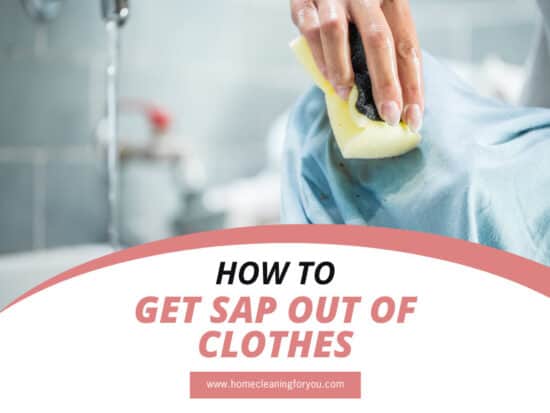
How to do it:
- Apply a small amount of hand sanitizer directly to the sap stain.
- Let it sit for a minute or two to start breaking down the sap.
- Gently blot or rub the stain with a clean cloth or paper towel.
- As the sap loosens, it should transfer to the cloth.
- Once you’ve removed as much as possible, rinse the area with water and then wash the garment when you can.
This is more of a "rescue" method for immediate relief. You'll likely still need to give it a proper wash later, but it can save your clothes from permanent sap residency!
The Laundry Love: The Final Showdown
After you've done your best to manually remove the sap using one of the methods above, it's time for the washing machine to do its final work. This is where we banish any lingering sap remnants and ensure your garment is truly clean.
Pre-treat if necessary:
If you can still see a faint stain or feel a bit of stickiness, apply a small amount of laundry detergent or a stain remover directly to the spot. Gently rub it in with your fingers or a soft brush.
Wash as usual:
Pop the garment into your washing machine. Use your regular detergent. For sap stains, a slightly warmer water temperature (if the fabric allows – always check the care label!) can sometimes be more effective. Avoid using fabric softener at this stage, as it can sometimes make it harder for stain removers to work their magic on residual splotches.
The Crucial Drying Step: Air Dry!
This is non-negotiable, folks. Do NOT put your sap-stained garment in the dryer until you are absolutely, 100% sure the stain is gone. Heat from the dryer will bake any remaining sap into the fabric, making it incredibly difficult, if not impossible, to remove later. It's like permanently setting your mistakes in stone (or, well, fabric).
Instead, air dry the garment. Once it’s dry, inspect it under good light. If you can still see any trace of the sap, repeat the relevant stain removal steps and wash again. Only once you are completely satisfied that the sap is gone should you dare to put it in the dryer.
A Few Extra Tips to Keep in Mind
Dealing with sap is a bit of an art form, and like any art form, a few tricks can make all the difference. Here are some bonus nuggets of wisdom to help you in your sap-battling endeavors:
- Be patient: Sometimes, sap is stubborn. You might need to repeat a method a few times, or combine different techniques. Don't give up!
- Gentleness is key: Especially with delicate fabrics like silk or linen, always err on the side of caution. Test first, and be gentle with your scrubbing or scraping.
- Fabric matters: Different fabrics react differently to solvents. What works wonders on sturdy cotton might damage a delicate synthetic. Always check your garment's care label.
- Vinegar power: White vinegar can also be a useful solvent for sap. You can try dabbing it on, letting it sit, and then washing. Just like with other solvents, test first!
- Specialized removers: For truly epic, or frequent, sap encounters, there are commercial sticky residue removers available that can be very effective. If you're an avid hiker or gardener, it might be worth investing in one.
So, there you have it. The next time you find yourself embraced a little too enthusiastically by a pine tree or have a run-in with a sticky situation, don't despair. With a little knowledge and a bit of elbow grease (or maybe just some rubbing alcohol and patience), your favorite clothes can be saved. Happy de-sapping, everyone!