
How To Get Rid Of Stump Of Tree

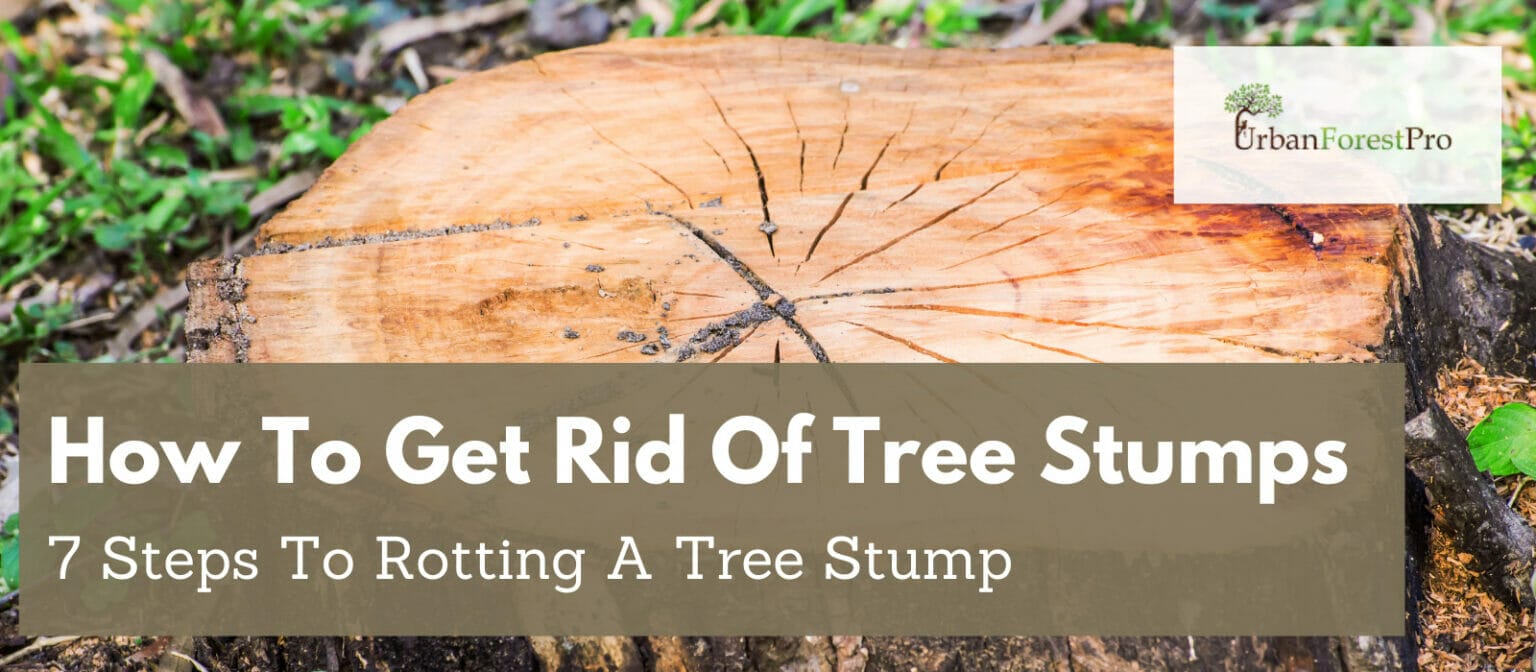
So, you've finally said goodbye to that beloved tree. Maybe it outgrew its welcome, succumbed to a storm, or you're just craving a different vibe in your garden. Whatever the reason, you're left with its final, stubborn statement: a tree stump. It’s like the lingering echo of a great party, still present long after the music has faded. But don't let that woody remnant cramp your style or your lawnmower's freedom! Getting rid of a tree stump can be a surprisingly satisfying journey, transforming a persistent problem into a blank canvas for your next garden adventure. Let's ditch the drama and dive into some easy-going ways to reclaim your space.
The Stump Situation: More Than Just an Eyesore
That stump isn't just sitting there looking pretty (or, more likely, not pretty). It's a reminder of what once was, and a potential hazard. Tripping over it is a classic trope, and let's be honest, nobody wants their garden gnome to have an unintended encounter with it. Plus, stumps can harbor pests and diseases that might spread to other plants. So, while it might seem like a minor inconvenience, tackling it head-on is a great way to keep your outdoor sanctuary healthy and harmonious. Think of it as a little spring cleaning, but for your yard.
Option 1: The Patient Gardener's Approach (aka Natural Decomposition)
If you're not in a rush and enjoy a more natural, zen-like approach, you can let Mother Nature do her thing. This is the ultimate hands-off method, requiring little more than a bit of patience and perhaps a sprinkle of encouragement for the microbial community. It's the gardening equivalent of waiting for a good sourdough starter to develop – slow, steady, and rewarding in its own way.
Must Read
The 'Let Nature Take Its Course' Deets
Essentially, you’re helping the natural decay process along. This involves exposing the stump to the elements and introducing or encouraging fungi and bacteria that love to munch on wood. It’s a fascinating biological ballet happening right in your backyard!
What You'll Need (Besides Time):
- A drill with a large bit (like a ½ inch or larger).
- Some nitrogen-rich material. Think coffee grounds, compost, manure, or even just a good quality garden fertilizer.
- Water.
- Optional: A tarp or plastic sheeting.
The Steps to Stump Nirvana:
First things first, grab that drill. You want to create a network of holes all over the top of the stump. Think of it as making little buffet tables for the decomposers. Go deep, at least a few inches, and space them out generously. Don't be shy; more holes mean faster work.
Next, fill those holes with your nitrogen boost. This is crucial because nitrogen is like the protein shake for the microorganisms that will break down the wood. Coffee grounds are fantastic because they're readily available and also add a touch of acidity that some fungi enjoy. If you're using fertilizer, follow the package instructions to avoid overdoing it.
Now, give it a good watering. You want the stump to be moist, as damp environments are prime real estate for decomposition. If you’re in a particularly dry climate, you might consider covering the stump with a tarp or plastic sheeting. This helps retain moisture and heat, creating an even more favorable environment. Just make sure it's not so airtight that it suffocates everything; a little airflow is good.
And then… you wait. This is where the patience comes in. Depending on the size and type of wood, this process can take anywhere from a few months to a couple of years. You'll start to see fungi appearing, and the wood will become softer and more crumbly. Eventually, you'll be able to break it apart with a shovel or even just your hands. It’s a slow burn, but it’s incredibly eco-friendly!
Fun Fact: Some people swear by adding a bottle of Epsom salts to the holes. While it’s more often used for plant health, the magnesium sulfate might help dry out the wood, making it more palatable to certain decomposers. Worth a shot if you're feeling experimental!
Option 2: The Enthusiast's Elbow Grease (aka Digging It Out)
If you’re more of a "get it done now" kind of person, and you don't mind a bit of a workout, digging out the stump is a classic and effective method. This is where you get to channel your inner lumberjack (or lumberjill!). It’s rewarding, immediate, and leaves you with a great story about your garden battle.

The 'Manual Labor is My Cardio' Method
This involves physically removing the stump and its main root system. It’s a straightforward approach, but it can be a tough one, especially for larger stumps. Think of it as an intense, albeit localized, workout.
What You'll Need:
- A sturdy shovel. A trenching shovel is ideal for cutting roots.
- An axe or a mattock (a type of pickaxe with a cutting edge).
- A saw (a pruning saw or even a reciprocating saw if you're feeling ambitious).
- Gloves to protect your hands.
- Safety glasses.
- A wheelbarrow for hauling away the debris.
- Plenty of water and snacks to keep your energy up!
The 'Digging Deep' Steps:
First, clear the area around the stump. Remove any plants or obstacles that might get in your way. You want a clear zone of operation.
Now, start digging. Dig a trench around the stump, going as deep as you can. The goal is to expose the main roots that anchor it. This is where that trenching shovel comes in handy; its narrow blade is perfect for slicing through soil and roots.
As you uncover the roots, use your axe or mattock to chop them. Start with the thicker ones. This is where you’ll feel the effort. Keep digging and chopping until you’ve severed most of the major roots. You’ll want to work your way around the entire stump.
Once the main roots are cut, try to wiggle the stump. If it still feels firmly planted, there are likely more roots you missed. Keep digging and chopping until it loosens considerably. You might need to use your shovel as a lever to help pry it out.
For really stubborn stumps, you might need to use your saw. If you can get enough leverage, you can saw through some of the thicker roots from underneath or on the sides. Be careful and maintain good balance.
Finally, with a good heave-ho, lever the stump out of the ground. This might take a bit of a coordinated effort. Once it's out, you can use your saw to cut it into smaller, more manageable pieces for disposal.

Pro Tip: If you have a particularly large or stubborn stump, consider getting a friend to help. Many hands make light work, and having someone to help with the heaving can make all the difference.
Cultural Nod: The act of digging and wrestling with the earth is an age-old practice. Think of ancient farmers tilling their fields or early settlers clearing land. You're tapping into that primal connection with the soil!
Option 3: The Modern Marvel (aka Stump Grinding)
This is for those who want a professional touch without the back-breaking labor. Stump grinders are powerful machines that essentially chew up the stump, turning it into wood chips. You can rent these, or hire a service. It’s the "get it done efficiently" option.
The 'Hire a Pro or DIY with a Beast' Approach
Stump grinding is fast, effective, and leaves you with minimal disruption. It’s like calling in the cavalry for your stump problem.
When to Call in the Big Guns:
If your stump is large, deep-rooted, or if you simply don't have the physical capacity or desire for manual labor, stump grinding is your best bet.
The Grinding Game Plan:
Option 3a: Hire a Professional Service. This is the easiest route. You call a local arborist or landscaping company, they give you a quote, and their crew shows up with the equipment to do the job. They'll grind the stump down to several inches below ground level, leaving you with a neat pile of wood chips that you can use as mulch or have them haul away.
Option 3b: Rent a Stump Grinder. If you're feeling adventurous and want to save a bit of money (and have the space to maneuver a hefty machine), you can rent a stump grinder. This is a significant piece of equipment, so make sure you understand how to operate it safely. Most rental companies will provide instruction.

What You'll Need (if renting):
- The stump grinder (obviously!).
- Safety gear: heavy-duty gloves, safety glasses, sturdy boots, and hearing protection are a must.
- A truck or trailer with a ramp to transport the grinder.
- A plan for disposing of the wood chips.
The Grinding Process (DIY Edition):
Safety first! Read all instructions carefully and wear your protective gear. Position the grinder so the cutting wheel is aligned with the top of the stump.
Start the machine and slowly bring the rotating cutting wheel into contact with the stump. Work your way across the top of the stump, gradually lowering the wheel to grind deeper. You'll be essentially chipping away at the wood, turning it into a pile of shavings and chips.
Keep grinding until the stump is at least 4-6 inches below ground level. This ensures that new grass or plants can grow over the area without hitting any remnants. You might also want to grind away some of the surrounding roots.
Clean up the debris. The resulting wood chips can be a fantastic addition to your garden beds, acting as natural mulch. Or, if you have too much, arrange for disposal.
Fun Fact: Stump grinders can be powered by gasoline engines, and some of the larger ones have impressive horsepower, capable of grinding through stumps several feet in diameter!
Option 4: The "What If?" (aka Chemical Assistance)
There are also chemical stump removers available. These are typically potassium nitrate based, and they work by accelerating the decomposition process. While they can be effective, they are generally slower than physical methods and involve chemicals, so use them with caution and follow all instructions.
The 'Let Science Do the Work' Method (with a caveat)
This method involves breaking down the wood fibers to make them more susceptible to decay. It’s a chemical intervention, so it’s not for everyone, but it can be an option if other methods aren't feasible.
What You'll Need:
- A drill with a large bit.
- A commercially available stump remover product (usually potassium nitrate).
- Water.
- A shovel or axe for later.
The Chemical Charade:
Drill holes into the stump, similar to the natural decomposition method. Make them deep and plentiful.
Pour the stump remover into the holes, following the product’s instructions. Then, add water to help dissolve the crystals and allow them to penetrate the wood.
Cover the stump. This helps keep the moisture in and the elements out, allowing the chemicals to work more effectively. Some people recommend sealing it with plastic wrap and tape.
Wait and watch. This method can take several months, or even up to a year or more, depending on the stump and the product used. Once the wood has softened considerably, you should be able to break it apart more easily with a shovel or axe.
Important Note: Always use chemicals responsibly. Wear gloves and eye protection, and ensure children and pets are kept away from the treated area. This method is generally considered less eco-friendly than the others.
Turning Your Stump into a Statement Piece
Once you've removed that stump, a world of possibilities opens up! Instead of just a gaping hole, think of it as an opportunity. You can plant a new, smaller tree, sow a patch of vibrant wildflowers, or even create a little fairy garden. For the truly creative, a well-placed, low-lying stump can become a quirky garden seat or a rustic pedestal for a bird bath or a decorative pot.
Imagine transforming that obstacle into an inviting feature. It's like taking a perceived flaw and turning it into a unique characteristic of your outdoor space. That’s the magic of mindful gardening – seeing potential where others see a problem.
A Moment of Reflection
Getting rid of a tree stump can feel like a significant undertaking, whether you’re letting nature take its course or engaging in some serious manual labor. But in the grand scheme of things, it's a solvable problem. Much like the minor inconveniences we face in our daily lives – a tangled shoelace, a forgotten appointment, a slightly burnt piece of toast – they’re all surmountable with the right approach and a little bit of patience. Each stump removal is a small victory, a testament to our ability to adapt and reshape our environment. It reminds us that even in the face of persistent obstacles, a little effort, a smart strategy, or sometimes just a willingness to wait, can lead to a beautifully cleared path forward, ready for whatever new growth awaits.

![How To Get Rid Of Tree Stumps [6 Effective Methods For Removal]](https://skilledhub.com/wp-content/uploads/2023/07/how-to-get-rid-of-tree-stumps.jpg)