How To Get Rid Of Soil Mites
Alright, plant parents and garden enthusiasts, let's dive into a topic that might sound a tad creepy but is actually super rewarding to master: tackling those tiny terrors known as soil mites! Now, before you imagine an invasion of monstrous creatures, let's set the record straight. These little guys are often so small you can barely see them, and while they might not be the most glamorous garden residents, understanding them is key to a thriving, happy patch of green, whether it’s a windowsill herb garden or a sprawling backyard oasis. Getting rid of them isn't just about pest control; it’s about becoming a more informed and successful plant caregiver, and honestly, there's a certain satisfaction in outsmarting nature's less desirable inhabitants. Think of it as a fun little challenge, a botanical detective mission to keep your plants looking their best!
The main purpose of learning how to get rid of soil mites is quite straightforward: to protect your precious plants. While many soil mites are actually beneficial, playing the role of nature's cleanup crew by munching on decaying organic matter and other pesky microorganisms, a population boom can signal an imbalance. When their numbers surge, some species can turn their attention to the tender roots or developing seedlings of your beloved plants, causing distress, stunted growth, and sometimes, a rather unsightly appearance. The benefits of keeping these populations in check are numerous. You'll see healthier, more robust plant growth, improved flowering and fruiting, and a general resilience against other potential problems. It's all about creating an environment where your plants can truly flourish, free from the undue stress of being a food source for an overzealous mite colony. Plus, who doesn't want a garden that looks its absolute best, bursting with vibrant life?
Understanding Your Tiny Tenants
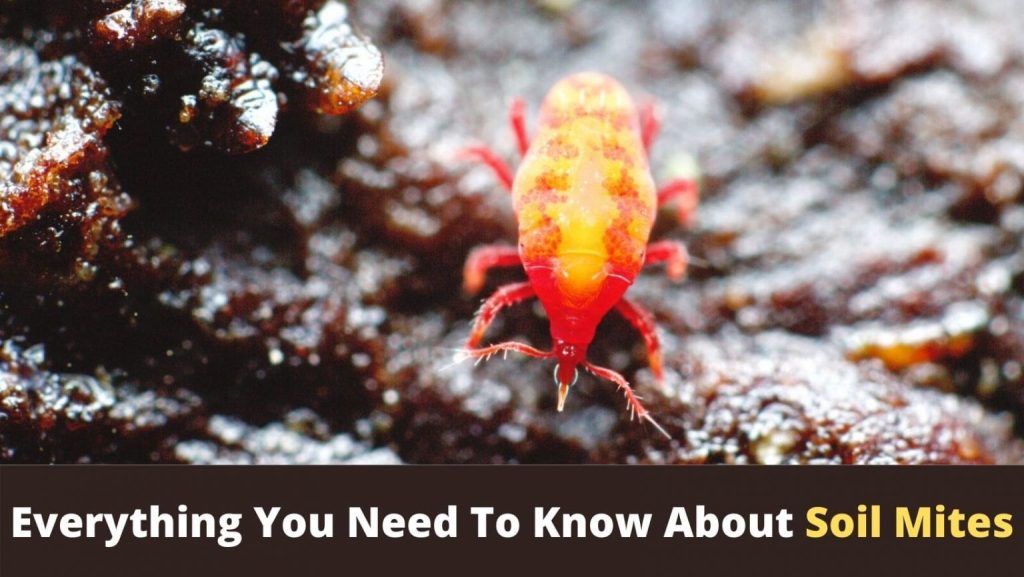
So, what exactly are these soil mites we're talking about? They are, as the name suggests, tiny arachnids that make their home in the soil. They come in a dizzying array of species, and their appearance can vary from whitish and translucent to reddish-brown. You’ll often spot them congregating on the soil surface, especially after watering or in areas where there’s plenty of moisture. If you have a large infestation, you might even see them making their way up the stems of your plants. They thrive in environments with high humidity and ample organic matter, which is why they can be particularly prevalent in greenhouses, terrariums, or any indoor plant setup.
Must Read
It’s important to remember that not all soil mites are villains. Many are absolute heroes in the garden ecosystem! They are detritivores, meaning they feast on decaying plant material, fungi, and other organic debris. This is a crucial role in decomposition, helping to break down dead leaves and other matter, returning valuable nutrients to the soil. They also act as a natural check on populations of other, less desirable microorganisms. Think of them as tiny recyclers, constantly working to keep your soil healthy and fertile. However, when their numbers get out of control, often due to an abundance of food sources (read: your perfectly composted soil) and ideal damp conditions, they can become a problem for living plant matter.
Signs of a Soil Mite Situation
How do you know if you've got a soil mite situation brewing? The most obvious sign is simply seeing them. If you notice a gathering of tiny, fast-moving specks on the surface of your potting mix, especially around the base of your plants, that's a pretty strong indicator. They tend to be more visible in moist conditions, so check after watering. Another clue can be the behavior of your plants. Are your seedlings looking weak and spindly, or are they failing to thrive despite optimal watering and light? Are older plants showing signs of stress, like yellowing leaves or stunted growth, that doesn't seem to correspond with typical issues like overwatering or underwatering? Sometimes, you might even notice a fine webbing on the soil surface, though this is more commonly associated with spider mites, a different pest altogether. But with soil mites, the visual confirmation of the tiny critters themselves is usually the clearest sign.

Your Arsenal: Effective and Gentle Solutions
Now for the fun part: getting rid of them! Don't worry, we're not talking about harsh chemicals that will harm your plants or the beneficial organisms in your soil. The key is often about creating less hospitable conditions for the mites and gently encouraging their populations to decrease. One of the simplest and most effective methods is to reduce moisture. Soil mites love damp environments. Try letting the top inch or two of your potting mix dry out between waterings. This might sound counterintuitive to plant care, but many plants actually prefer this drying period. Ensure your pots have good drainage to prevent waterlogging, and avoid overwatering, especially in cooler months when plants need less hydration.
Another fantastic strategy is to scrape off the top layer of soil. If you can see a significant concentration of mites on the surface, carefully remove the top 1/2 inch to 1 inch of your potting mix. Dispose of this removed soil away from your plants. You can then replace it with fresh potting mix or a layer of beneficial materials like perlite or horticultural charcoal. This physically removes a large number of the mites and their food source. It's like a mini-redesign of your plant's immediate environment!
Introducing predatory mites is another excellent, natural approach. These are tiny beneficial mites that are natural predators of the pest soil mites. You can purchase these online or from specialized garden supply stores. They are completely safe for your plants and won't harm you or your pets. Once introduced, they get to work, keeping the pest mite population in check without you having to lift a finger. It’s like hiring tiny, microscopic security guards for your plants!
For a more immediate, but still gentle, solution, consider using a neem oil spray. Neem oil is a natural insecticide and fungicide derived from the neem tree. When diluted with water and applied as a soil drench or a light spray on the soil surface, it can be very effective at deterring and controlling mite populations. Always follow the dilution instructions on the product packaging and test on a small area of your plant first to ensure there's no adverse reaction. It's a wonderful, eco-friendly way to manage pests.
Finally, remember that a healthy plant is a resilient plant. Ensuring your plants are getting the right amount of light, nutrients, and water will make them less attractive to pests in the first place. A strong, healthy root system is better equipped to withstand minor pest pressures. So, keep an eye on your plants, be observant, and when you spot those tiny soil dwellers, you'll be well-equipped with these simple, effective strategies to restore balance and keep your green friends thriving!