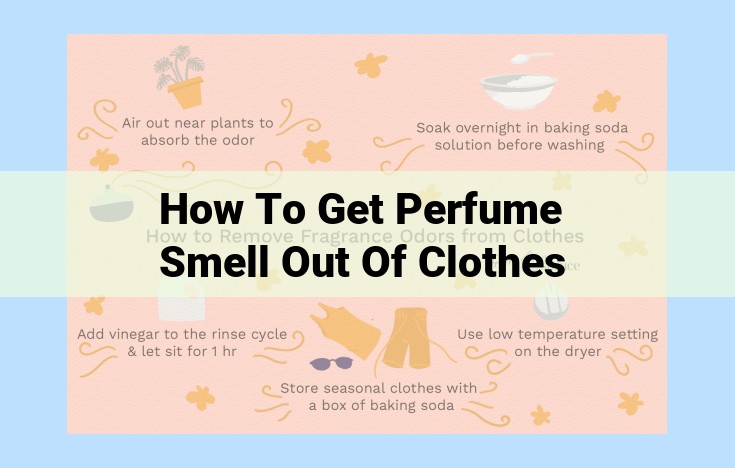
How To Get Rid Of Perfume Smell

I remember this one time, maybe a year ago, when I decided to go all-out with a new perfume. Like, really all-out. I’d just bought this fancy bottle, smelled amazing in the shop, and figured, “Why not?” So I spritzed. And then I spritzed again. And then, okay, maybe a tiny bit more because I was feeling particularly bold that Tuesday. By the time I left my apartment, I swear I could feel the scent radiating off me in a visible cloud. I was basically a walking potpourri shop. The problem? By lunchtime, I realized that while I might have been enjoying my personal olfactory cloud, everyone else in my vicinity was doing that subtle nose-wrinkle thing. You know the one. The one that screams, “Someone’s wearing… a lot.” My colleagues were giving me increasingly wide berths, and I even overheard someone muttering something about needing an antihistamine. Ouch.
That, my friends, was my wake-up call. I loved the idea of that perfume, but the reality of my application was… overwhelming. And thus began my quest: how to get rid of perfume smell, or at least, how to dial it down from “nuclear olfactory event” to “pleasantly subtle hint.” It turns out, it’s a surprisingly common predicament, and one that’s thankfully solvable with a few clever tricks.
The Accidental Perfume Bomb: When Less Is Definitely More
Let’s be honest, we’ve all been there. You fall in love with a scent, and your hand gets a little… enthusiastic with the atomizer. It’s not a crime, okay? It’s just… a learning curve. Sometimes that learning curve comes with a lingering aroma that you start to regret about an hour later. Or maybe you borrowed a sweater from a friend who really loves their signature fragrance, and now you smell like them. It happens! Or, my personal favorite, you’re trying to cover up another… less pleasant smell, and you overdo it. Been there, done that, bought the scented t-shirt.
Must Read
So, what do you do when you’ve accidentally turned yourself into a walking advertisement for your favorite fragrance house? Don't panic! You're not doomed to smell like you bathed in essential oils for the rest of the day. There are ways to gently, or not so gently, coax that scent into submission. And trust me, your friends and colleagues will thank you.
The "Oh No, I Went Too Far!" Quick Fixes
Alright, so you’ve realized your mistake. You’re smelling yourself, and it’s… a bit much. Here are your immediate go-to strategies:
The Power of Water: Dilution is Key
This might sound ridiculously obvious, but hear me out. When you’ve overdone it, the simplest solution is often the best. Think of it like a sauce that’s too salty; you add a little liquid to balance it out. Your skin is the same!
A quick rinse can work wonders. If you’re at home, head to the bathroom. The areas where you typically apply perfume – your wrists, neck, décolletage – are prime candidates for a gentle wash. Use plain water first. Sometimes, just the act of diluting the perfume on your skin is enough to bring it down to a more manageable level. Don’t scrub aggressively, as that can sometimes just spread the scent around or even make it worse by reacting with your skin. Just a gentle pat or rinse.
If plain water isn't cutting it, reach for a mild, unscented soap. We’re talking about the kind of soap you’d use on a baby, or something specifically marketed as “hypoallergenic” or “fragrance-free.” The goal here is to lift the perfume oils without adding another layer of scent. Again, be gentle. A quick lather and rinse is all you need. This is especially useful if the perfume has sunk into your clothes. A quick dab with a damp cloth and a tiny bit of unscented soap on a stubborn spot can work wonders.
For clothes, if it’s not something you can immediately throw in the wash, a damp cloth can be your best friend. Focus on the areas where you applied the perfume. If it’s a delicate fabric, test a small, inconspicuous area first to make sure it won’t damage it. The moisture will help to lift some of the perfume molecules, and the gentle soap will help break them down.
The Absorbent Allies: Baking Soda and Cornstarch to the Rescue
These household staples are like little scent sponges. They’re amazing at absorbing odors, and that includes your overly enthusiastic perfume application.
Baking soda is a powerhouse. If you’ve sprayed yourself down, or a favorite piece of clothing, and it’s a disaster, try sprinkling a generous amount of baking soda directly onto the affected area. For clothes, lay them flat and dust it on. Let it sit for at least 15-30 minutes, or even longer if you have the time. The baking soda will absorb the oils and the scent molecules. Then, just brush it off outside (to avoid creating a baking soda cloud indoors – another potential scent disaster!). You can also mix baking soda with a little water to create a paste. Apply the paste to the area, let it dry, and then brush it off. This is particularly effective for fabrics.
Cornstarch works similarly. It’s a finer powder, so it can be a bit less messy than baking soda sometimes. The process is the same: sprinkle it on, let it sit, and brush it off. This is a great option for more delicate fabrics where you might be hesitant to use baking soda. I’ve used cornstarch on my couch cushions when my dog decided to roll in something questionable, and it worked like a charm. So, it’s definitely got the scent-absorbing chops!
A word of caution: Always test these on an inconspicuous area of your clothing first, especially if it’s a delicate or brightly colored fabric. We don’t want to trade one scent problem for another!
The Refreshing Spritz: Vinegar to Neutralize
Now, I know what you’re thinking. “Vinegar? Won’t I just smell like a salad dressing?” Hear me out! White vinegar is a fantastic natural deodorizer. The key is to use it correctly, and it won’t leave that lingering vinegary smell.
For clothes: Mix equal parts white vinegar and water in a spray bottle. Lightly mist the affected areas of your clothing. Don’t soak it! Let it air dry completely. As the vinegar evaporates, it takes the unwanted perfume scent with it. The scent of vinegar itself is surprisingly fleeting. I’ve used this on my gym clothes, and honestly, they smell fresher than before. It’s like magic, but with a slightly pungent beginning.
For skin: This is a bit trickier, and I’d recommend this only in a pinch. Dilute the vinegar heavily – like, 1 part vinegar to 10 parts water. Lightly dab the area with a cotton ball soaked in the diluted solution. Again, let it air dry. It’s not the most glamorous solution, but it can be effective. Just… don’t expect a spa experience.
The Long Game: Dealing with Stubborn Scents
Sometimes, a perfume is just stubborn. It’s latched onto your clothes, or maybe it’s just a scent profile that doesn’t play well with your body chemistry after a few hours. In these cases, you need to call in the heavy artillery.

The Laundry Liberation: Washing Wisely
This is the most obvious, but also the most effective long-term solution for clothing. But there’s a right way and a wrong way to do it when you’re trying to banish a strong perfume.
Pre-treat is your friend: Before you even toss that garment into the washing machine, consider a pre-treatment. A soak in a solution of baking soda and water (about a cup of baking soda per gallon of water) for a few hours can work wonders. Alternatively, you can use a laundry pre-treatment spray that’s designed to tackle tough odors. Apply it directly to the fabric and let it sit according to the product instructions.
The power of a good detergent: Use a high-quality laundry detergent. Look for one that’s specifically formulated for odor removal. Some detergents contain enzymes that break down scent molecules more effectively. You can also add a booster like Borax or OxiClean to your wash for an extra punch.
Vinegar in the rinse cycle: This is a trick I learned from my grandma, and it’s a game-changer. Add about half a cup to a full cup of white vinegar to the fabric softener compartment of your washing machine. The vinegar will help to neutralize any lingering odors without leaving your clothes smelling like a pickle jar. It also helps to soften fabrics! Win-win.
Wash on the hottest setting the fabric can handle: Heat can help to break down and release scent molecules. So, if the care label allows, opt for a warmer wash cycle. Just be mindful of delicate fabrics.
Air dry whenever possible: While a dryer can be effective, sometimes the heat can actually set in stubborn odors. Air drying, especially in fresh air and sunlight, is a great way to help dissipate lingering scents. If you must use the dryer, try a low-heat setting.
The Activated Charcoal Charm: For Lingering Scents in the Air and Fabrics
Activated charcoal is another amazing odor absorber. You can buy activated charcoal bags or pouches, which are designed to be placed in enclosed spaces to absorb smells. Think of them like little scent-eating black holes.
For your closet: If your closet has started to smell like a perfumery, hang a few activated charcoal bags inside. They will gradually absorb the strong scents from your clothes. This is a fantastic preventative measure too, so you don’t end up with a closet full of overpowering fragrances.
For specific items: If you have a particular item of clothing that’s stubbornly holding onto a scent, place it in a sealed plastic bag or container with a few activated charcoal pouches for a few days. The charcoal will slowly work its magic.
For the air in your room: If your entire room seems to be saturated with a perfume you regret, placing a few open containers of activated charcoal around the room can help to absorb the airborne scent molecules. It’s not an instant fix, but over time, it will make a noticeable difference.
The Deodorizing Drawer/Box: A Dedicated Scent Removal Space
This is a more proactive approach, but it’s incredibly effective. If you have a piece of furniture with drawers, or even just a large plastic storage bin, you can turn it into a dedicated scent-removal zone.
Line it with absorbent materials: Fill the drawer or bin with things like baking soda (in an open container), activated charcoal, or even just a thick layer of newspaper. Newspaper is surprisingly good at absorbing odors.
Place the offending items inside: Lay out your strongly scented clothes or fabrics in the drawer or bin. Close it tightly.
Let it work its magic: Leave the items in the deodorizing drawer for a few days, or even a week. The combination of absorbent materials will work to draw out the perfume molecules. You can also sprinkle some baking soda directly onto the items before placing them in the drawer, just make sure to brush it off thoroughly afterwards.
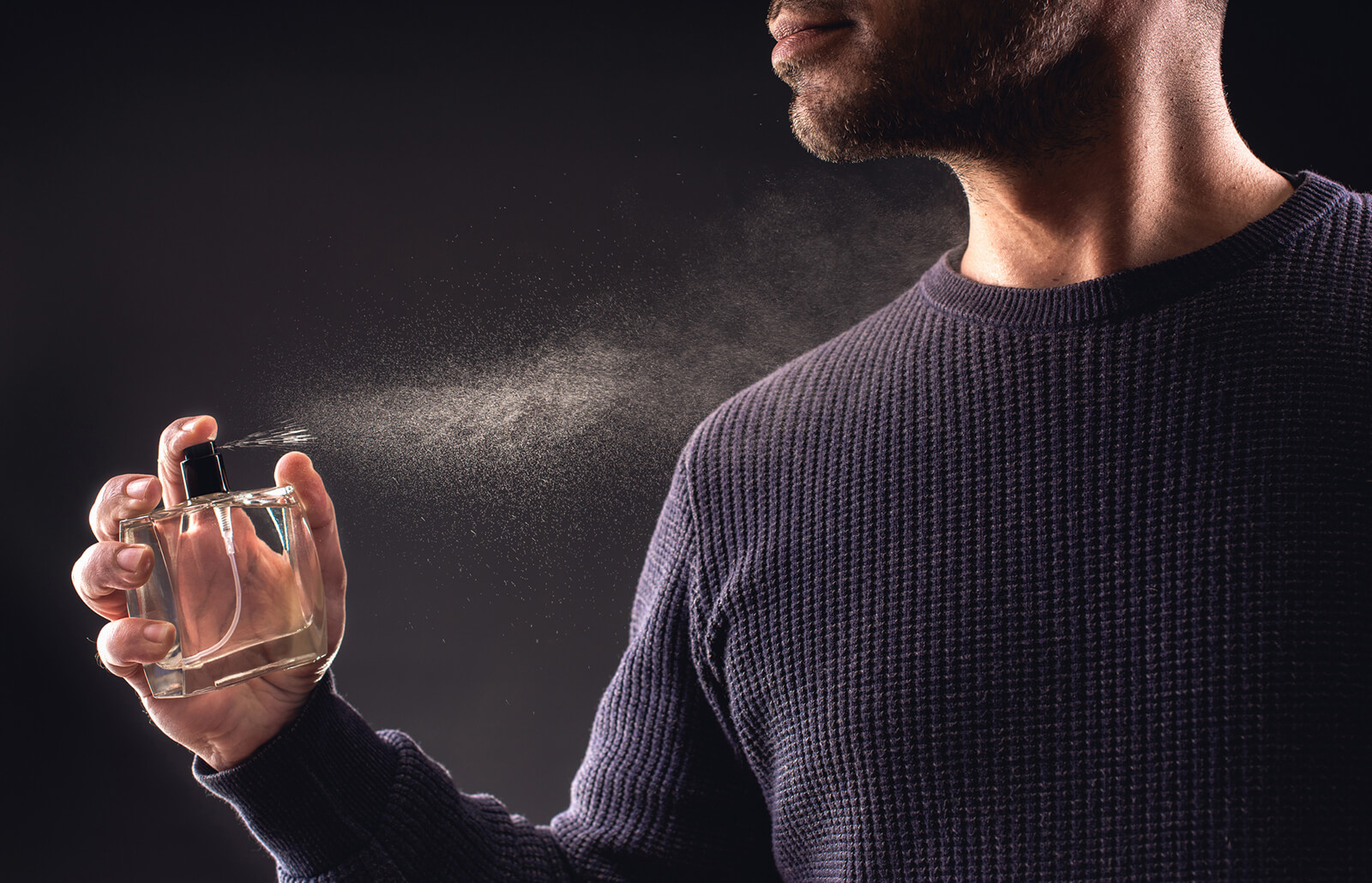
The Prevention is Better Than Cure Department
Honestly, the best way to get rid of perfume smell is to avoid having too much of it in the first place. Revolutionary, I know!
The one-spray rule (or maybe two, if you're feeling wild): Seriously, try the "one spray" rule. Spray it once on your wrist, rub your wrists together, and then lightly touch them to your neck. Or, one spritz on your décolletage. The warmth of your body will diffuse the scent beautifully throughout the day. If you really feel the need for more, maybe a second spritz on your inner elbows. That’s usually more than enough for most perfumes.
“Scent trail” versus “olfactory assault”: Think about the impression you want to leave. Do you want people to catch a subtle whiff as they pass you and think, “Oh, what a lovely scent?” Or do you want them to recoil and start searching for an air freshener?
Know your perfume’s potency: Some perfumes are naturally stronger and more long-lasting than others. A light floral EDT will require a different application strategy than a rich, complex EDP. Pay attention to the concentration of your fragrance.
Layering with caution: If you love a particular scent, consider layering with unscented lotions or body washes that have a similar fragrance profile. This allows you to build up the scent gradually and control its intensity.
Don't forget to moisturize: Well-moisturized skin holds onto perfume better, meaning you’ll need less product to achieve a lasting scent. Dry skin can make perfume evaporate more quickly, leading to the temptation to reapply… and then you’re back in the over-spraying zone.
So, there you have it. From accidental perfume bombs to stubborn scent lingering, you’ve got a toolkit of solutions. The next time you find yourself a little too enthusiastic with that beautiful bottle, don't fret. You've got this. And who knows, maybe with a little practice, you'll master the art of the perfect spritz. Your nose, and everyone around you, will be eternally grateful.