
How To Get Rid Of Moss On Lawn

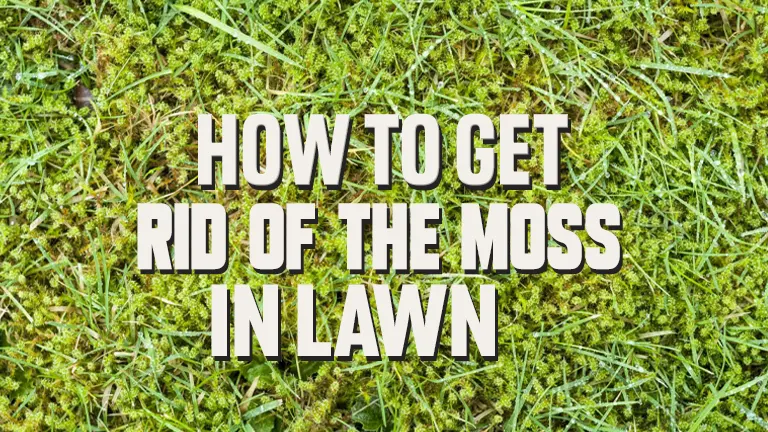
Hey there, fellow lawn enthusiast! So, you've got that fuzzy green carpet creeping onto your beautiful green carpet, huh? Yeah, I'm talking about moss. That velvety, spongy stuff that loves damp, shady spots and can make your lawn look less like a manicured masterpiece and more like a forgotten fairy garden. Don't worry, though. You're not alone in this mossy predicament, and getting rid of it is totally doable without needing a hazmat suit or a degree in botany. Let's get this green menace under control, shall we?
First things first, why is moss even hanging out on your lawn? It's not like it has a lease, right? Well, moss isn't exactly a picky eater, but it is a creature of comfort. It thrives in conditions that your beloved grass might not be too happy about. Think dampness, shade, and compacted soil. If your lawn is constantly soggy, gets very little direct sunlight, or feels like you're walking on concrete, moss sees it as a five-star resort. So, while we're tackling the moss itself, we're also going to peek at why it’s invited itself over in the first place. It’s like finding out why your friend always brings snacks to your house – you gotta address the root of the problem, even if the problem is just really… moist.
Let's Get Acquainted with Our Green Foe
Before we start the eviction process, let's give our mossy intruder a little intro. Moss isn't a weed in the traditional sense. It doesn't have roots like your grass, but it does have tiny, hair-like structures called rhizoids that help it cling on for dear life. It reproduces by spores, which are microscopic and can travel on the wind, so once it’s established, it can spread like wildfire… or, you know, like a very persistent patch of moss.
Must Read
It can also be a sign of underlying issues. Is your soil too acidic? Is your lawn getting enough air? Is your drainage system taking a siesta? Moss is like the canary in the coal mine, chirping (or rather, greening) to let you know something might be a little off-balance. So, think of it as a friendly, albeit fuzzy, detective pointing you in the right direction. It's less about "get rid of it!" and more about "let's make your lawn a place grass loves and moss… less so."
Phase 1: The Detective Work – Why Is It Happening?
As I mentioned, moss is a symptom, not the disease. So, before you go grabbing the nearest garden tool and launching a full-scale assault, let's play detective. Grab a trowel and dig a little. Is the soil hard as a rock? If so, you've got compaction. This is a biggie because it prevents water from draining away and air from getting to your grass roots. Think of it as your lawn's pores being clogged. Not a good look, or feel.
Next, check the light situation. Is that majestic oak tree casting a permanent twilight over your yard? Or is that new fence you just put up creating a shady fortress? Shade is prime moss real estate. Grass, for the most part, likes a good dose of sunshine. Moss? Not so much. It’s happy in the perpetual gloom, like a nocturnal creature in your garden. It’s not saying your shade is bad, but it might be too good for your grass.
And then there's the dampness. Does your lawn stay wet for ages after a rain? Do puddles linger like unwelcome guests? Poor drainage is a moss magnet. Waterlogged soil is like a spa treatment for moss, but a terrible spa treatment for grass. Your grass roots need oxygen, and they can’t get it when they’re busy swimming.
Finally, consider the pH. Most lawn grasses prefer a slightly acidic to neutral soil (around 6.0 to 7.0). Moss, however, is happy in more acidic conditions, often below 6.0. You can pick up a simple soil test kit at your local garden center. It’s super easy to use and will tell you if your soil is playing favorites with the moss.
Phase 2: The Attack Plan – Tactics to Banish the Green Stuff
Alright, detective work done! Now for the fun part: kicking moss to the curb. We’re going to do this in stages, and the best approach is often a combination of methods.
1. Physical Removal: The Rake and Scrape Method
This is your frontline attack. For smaller patches or initial clearing, a stiff-bristled rake or a wire brush is your best friend. Think of it as a vigorous exfoliation for your lawn. Get in there and scrape away as much of the moss as you can. You can do this when the moss is dry, which makes it a bit easier to dislodge. It's going to look a bit messy afterward, like you’ve had a wrestling match with a very persistent pillow, but that's totally normal.
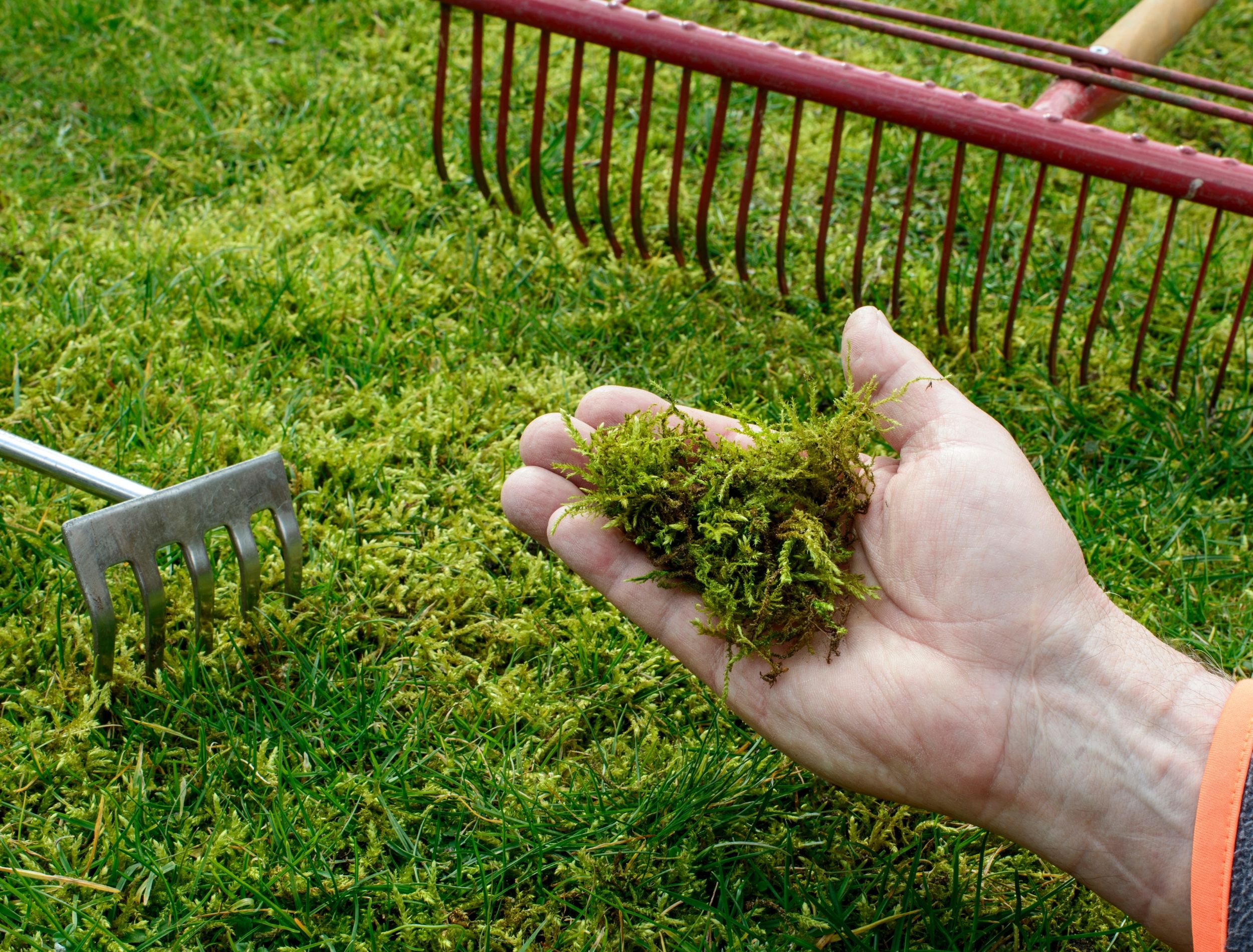
For larger areas, you might consider a scarifier or a dethatcher. These tools are designed to dig into the soil and pull out thatch and moss. It’s a bit more of a commitment, but it can be incredibly effective. Just remember to use it with a bit of gusto! Don't be shy. This is your chance to channel your inner superhero and vanquish the green invader.
After you've raked or scarified, you’ll have a pile of moss. What do you do with it? Well, don't just leave it lying around to spread its spores. Bag it up and dispose of it. Some people like to compost moss, but be sure you know what you’re doing to avoid reintroducing spores to your garden. When in doubt, chuck it out!
2. Chemical Warfare (The Natural Kind!): Moss Killers
If physical removal isn't quite cutting it, or if you have extensive moss problems, you might consider using a moss killer. Now, before you run off to buy the strongest chemical concoction you can find, let's talk about the more eco-friendly options. Nature has provided us with some pretty decent solutions.
Many commercial moss killers contain ingredients like iron sulfate (also known as ferrous sulfate). When applied, iron sulfate not only kills the moss but also helps to fertilize your grass, giving it a nice green boost. It's a win-win! You can buy granular or liquid forms. Follow the instructions on the packaging very carefully. Too much can actually harm your grass, so it’s all about moderation.

Another natural option is using vinegar. Dilute a strong household vinegar (like pickling vinegar, 10% acidity) with water – about 50/50. Spray it directly onto the moss. Be aware that this will kill any plant it touches, so use it with precision and avoid spraying it on your grass. It's more of a spot treatment for stubborn patches. It’s like a highly targeted laser of green destruction. Just make sure you're wearing old clothes, because vinegar can be a bit… aggressive.
After applying a moss killer, you’ll often see the moss turn brown and die. This is your cue to go back to Phase 1 and rake it all up. It’s like the moss is saying, "Fine, I'll leave, but I'm going out in a blaze of brown!"
3. Addressing the Underlying Issues: The Long-Term Game
This is where you really win the war, not just a battle. Remember those detective findings? Now we fix them!
- Aeration for Compaction: If your soil is compacted, it's time to aerate. You can rent a core aerator, which pulls out little plugs of soil, or use a spiky aerator. This creates holes that allow water, air, and nutrients to penetrate the soil, giving your grass roots a chance to breathe and thrive. It's like giving your lawn a good massage.
- Improve Drainage: If your lawn is holding water like a sponge, you might need to improve drainage. This can involve adding organic matter to the soil to improve its structure, creating drainage channels, or even installing a French drain if the problem is severe.
- Sunlight Solutions: For shady areas, you have a couple of options. You can prune trees and shrubs to allow more sunlight to reach the lawn. Or, if that's not feasible, consider planting shade-tolerant ground covers or grasses in those spots. Sometimes, you have to work with nature's limitations. It’s like accepting your hair just won’t do that one style, no matter how hard you try.
- pH Adjustment: If your soil test revealed it’s too acidic, you can add lime to raise the pH. Again, follow the instructions on the lime packaging carefully. It's a gradual process, so don't expect overnight results.
Phase 3: Re-seeding and Re-invigoration
Once you've cleared out the moss and addressed the underlying issues, you might have some bare patches. This is the perfect opportunity to re-seed with a good quality grass seed. Choose a mix that's suitable for your lawn conditions, especially if you have shady areas. Consider a grass variety that's more tolerant of shade and moisture.

Water the new seed gently and consistently. And then, sit back and watch your beautiful grass grow! It's like giving your lawn a fresh start, a chance to be the best it can be. You’ve evicted the moss, you’ve made the place more welcoming for grass, and now you’re planting the seeds of future glory.
The Long Haul: Keeping Moss at Bay
Getting rid of moss isn't usually a one-and-done deal. It’s more of an ongoing relationship with your lawn. Regular aeration, ensuring good drainage, and making sure your grass is healthy and growing vigorously are your best defenses against moss returning. A thick, healthy lawn is its own best defense, crowding out the moss and making it hard for it to get a foothold.
Keep an eye on those shady spots and damp areas. A quick rake or a spot treatment with a moss killer can nip any new invasions in the bud before they become a major problem. Think of it as regular lawn maintenance, like getting your oil changed. It prevents bigger, more expensive problems down the road. And who doesn't want a lawn that looks like a million bucks without costing a million bucks?
And Finally… A Sunny Outlook!
So there you have it! Getting rid of moss might seem like a daunting task, but with a little detective work, some elbow grease, and a smart strategy, you can reclaim your lawn from the fuzzy green invasion. You’ve learned why it’s there, how to get it gone, and how to keep it from coming back. You’re basically a lawn-whisperer now! Imagine your lawn, lush, green, and free of that spongy intruder. It’s a beautiful sight, isn’t it? Go forth and conquer, my friend. Your lawn will thank you, and you’ll have one less thing to worry about, leaving you with more time to do… well, whatever makes you smile. Happy mowing!

:max_bytes(150000):strip_icc()/how-to-get-rid-of-moss-in-lawns-2132201_FINAL-5c47627cc9e77c00014a6a3b.png)