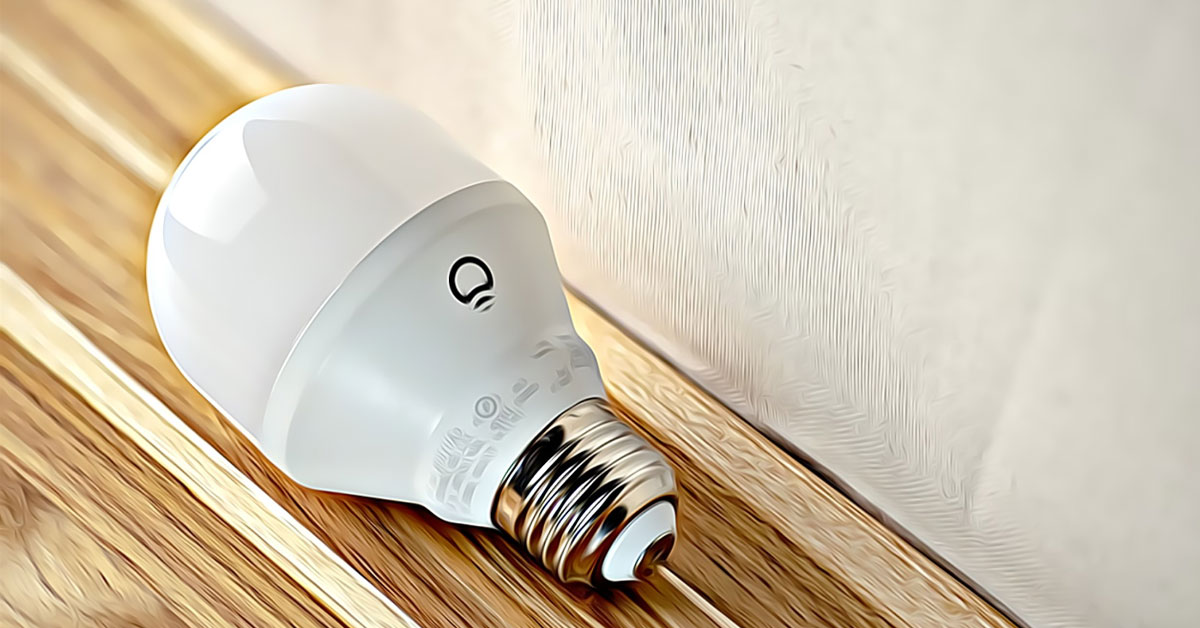
How To Get Rid Of Light Bulbs

Hey there, my brilliant friend! So, you’ve got a stash of old light bulbs gathering dust, or maybe a few have gone to the great bulb graveyard in the sky. Don't panic! Getting rid of them is way less complicated than trying to figure out why that one sock always disappears in the wash. We’re going to tackle this little household task with a smile and maybe even a chuckle or two. Think of it as a tiny adventure, a quest for proper bulb disposal!
First off, let’s talk about the types of bulbs you might be dealing with. It’s not like we’re performing a scientific dissection here, but knowing the difference can save you a bit of hassle. We've got the old school incandescent bulbs – the ones that feel like a tiny heater when you touch them after they’ve been on. Then there are the energy-saving CFLs (Compact Fluorescent Lamps), those swirly little guys. And finally, the modern marvels, the LEDs (Light Emitting Diodes), which are super efficient and last practically forever. Seriously, you might be long gone before an LED burns out!
Now, before we even think about tossing these bad boys, a word of caution: safety first! Nobody wants to be picking glass shards out of their fingers like they’re performing impromptu needlepoint. If a bulb is broken, treat it with the utmost respect (and maybe wear some gloves, just in case). We’re not playing bomb disposal, but a little precaution goes a long way. Think of it as putting on your superhero cape – in this case, your trusty rubber gloves.
Must Read
The Incandescent Enigma: Your Classic Bulbs
Alright, let’s start with the easiest ones: the classic incandescent bulbs. These are the dinosaurs of the lighting world, but they’re pretty harmless when it comes to disposal. Most places will happily take these in their regular trash. Yep, you heard that right. These are usually the least problematic when it comes to getting rid of them.
However, even with these, it’s good practice to wrap them up. Why? Well, imagine your garbage collector having a surprise glass party in their truck. Not ideal. A simple way to do this is to grab an old newspaper, some bubble wrap you might have lying around (because who doesn’t have rogue bubble wrap?), or even a sturdy paper bag. Gently wrap the bulb, and then pop it into your regular trash bin.
If a bulb happens to break before you can wrap it? Don’t fret! Carefully sweep up the larger pieces with a broom and dustpan, then use a damp paper towel to pick up the tiny shards. Seriously, those little glass glitter bits can be sneaky. Once you’ve gathered everything, seal it in a sturdy bag before putting it in the trash. This is like giving those stray glass fragments a cozy, contained nap.
Why the fuss about wrapping?
It’s all about protecting the workers. These are the unsung heroes who keep our communities clean, and we want to make their jobs as safe as possible. Think of it as a small act of gratitude, a little thank you from you to them. Plus, it stops your bin from sounding like a mariachi band made of glass every time it’s moved.
The CFL Conundrum: Those Swirly Savvy Sellers
Now, for the CFLs. These guys are a little bit fancier. They’re energy-efficient, which is great for your wallet and the planet, but they contain a small amount of mercury. Don't let that word scare you – it's not like you're holding a tiny vial of toxic goo. But because of that mercury, they shouldn't just be tossed in the regular trash. We need to give them a more responsible send-off.

So, where do these mercurial marvels go? The best place is usually a household hazardous waste (HHW) facility. Many cities and counties have these special drop-off points. A quick search on your local government’s website should tell you where yours is and what their hours are. It’s like a VIP lounge for your old bulbs!
Another super convenient option is to check with the retailers where you buy light bulbs. Many hardware stores and big box stores (think Home Depot, Lowe's, or even some supermarkets) have dedicated recycling programs for CFLs. They often have a bin near the customer service desk or the lighting section. You just walk in, drop off your old bulbs, and feel good about yourself. It's almost too easy, right?
Before you head out, make sure to handle your CFLs with care. If one breaks, it’s a bit more serious than an incandescent. Open windows, leave the room for about 15-30 minutes to let the mercury vapor dissipate, and then carefully clean up the fragments. Again, use gloves and a damp paper towel for the tiny bits. Never, ever use a vacuum cleaner on a broken CFL, as it can spread the mercury vapor. We're aiming for a gentle, eco-conscious cleanup, not a mercury-dispersing disaster.
The mercury myth vs. reality
It’s true that CFLs contain mercury, but the amount is very small, and the risk to you and the environment is minimal if handled properly. The real danger comes when these bulbs end up in landfills, where the mercury can eventually be released. Recycling them keeps that mercury safely contained and prevents it from entering our ecosystem. So, it’s less about being scared and more about being smart and responsible.
The LED Liberation: Our Future Friends
And now, for the champions of the lighting world: LEDs. These little wonders are incredibly energy-efficient and, best of all, they do not contain mercury. This makes them much easier to dispose of than CFLs. Hallelujah!

For most LEDs, you can generally treat them like your trusty incandescent bulbs. That means they can often go into your regular household trash, especially if they’re intact. Again, wrapping them is always a good idea to prevent breakage and protect the sanitation workers. Think of it as tucking them into a cozy little sleeping bag for their journey.
However, since LEDs are so long-lasting and valuable, many places are starting to offer specific recycling programs for them. Similar to CFLs, check with your local HHW facility or your favorite hardware store. Some retailers might even offer incentives or discounts for bringing in old LEDs for recycling. It's like a loyalty program for being environmentally conscious!
If an LED bulb breaks, it’s not a cause for alarm regarding mercury. It’s just glass and plastic. So, the same rules apply as with broken incandescents: carefully sweep up the pieces, use a damp paper towel for the tiny bits, and seal them securely in a bag before tossing them in the trash. No need for panic, just a little bit of careful cleanup.
Why recycle LEDs even if they don't have mercury?
LEDs contain valuable materials like rare earth metals. Recycling them allows these resources to be recovered and reused, which is great for the environment and reduces the need for mining new materials. So, even though they're mercury-free, recycling your LEDs is still a super eco-friendly choice!
The Grand Finale: Where to Find Your Bulb-Banishment Centers
Okay, so we’ve covered the different types and general rules. But where, oh where, do you actually take these bulbs if you can't just toss them? Here's a quick rundown of your best bets:
:max_bytes(150000):strip_icc()/LED-Light-Bulb-462540883-56a4a16f3df78cf77283537b.jpg)
1. Local Household Hazardous Waste (HHW) Facilities: These are your go-to for CFLs and sometimes for LEDs. A quick Google search for "[Your City/County] household hazardous waste" should bring up all the info you need. They’re usually free or have a very small fee.
2. Retailer Take-Back Programs: Many major retailers, like those mentioned before (Home Depot, Lowe’s, IKEA, etc.), have bins for recycling CFLs. Some are starting to accept LEDs too. It’s worth checking their websites or asking customer service.
3. Community Recycling Events: Keep an eye out for local recycling drives. Sometimes, towns or community groups will organize special events to collect items like batteries, electronics, and, you guessed it, light bulbs!
4. Special Mail-In Programs: For those who are super dedicated to the recycling cause, some companies offer mail-in programs. You pay for shipping, and they take care of the recycling. This is usually for bulk quantities, but it’s an option if you're feeling particularly ambitious.
Remember to always check the specific guidelines of the facility or retailer you plan to use. Some might have restrictions on the number of bulbs you can bring or specific packaging requirements. It's like checking the dress code before a fancy party – you want to make sure you're prepared!
A Few Extra Bulb-tastic Tips
* Store them safely: While you’re collecting bulbs to dispose of, keep them in a box or container where they won’t get broken. A spare shoebox works wonders!
* When in doubt, ask: If you’re unsure about a particular type of bulb or a local disposal option, don’t hesitate to call your local waste management service. They’re usually happy to help guide you.
* Educate your family: Make it a team effort! Teach your kids or housemates about proper bulb disposal. They might even find it fun, like a little science experiment.
* Spread the word: Encourage your friends and neighbors to recycle their bulbs too. The more people who do it, the bigger the positive impact!
And there you have it! Getting rid of old light bulbs is not some daunting, world-ending task. It's actually a small, manageable step you can take to contribute to a healthier planet and a safer community. Every time you properly dispose of a bulb, you're doing a little good deed, a quiet act of kindness for Mother Earth.
So, go forth with confidence! Tackle that collection of spent bulbs with a spring in your step. Whether you’re wrapping them in newspaper or dropping them off at a special center, you’re making a difference. And that, my friend, is something to shine a light on. You’re awesome, and your planet thanks you for it!