How To Get Rid Of Lawn Moss
Ah, the emerald carpet of your lawn – a quintessential sign of a well-loved garden. But sometimes, that plush green can get a little… fuzzy. We're talking about lawn moss, that soft, spongy invader that loves damp, shady spots and can sometimes feel like an unwelcome guest at your garden party. But fear not, fellow garden enthusiasts! Tackling moss isn't a chore; it's an opportunity to reclaim your lawn's glory and create that picture-perfect outdoor space you’ve always dreamed of. Think of it as a fun gardening puzzle, and we're here to help you solve it with a smile!
Why is getting rid of moss so popular? Because a healthy, vibrant lawn is the foundation of a beautiful outdoor living area. It's where kids play, where you entertain friends, and where you relax with a good book. Moss, while intriguing in its own right, can choke out the grass, making your lawn look patchy and uninviting. So, the purpose of this guide is simple: to equip you with the knowledge and confidence to banish that unwelcome greenery and usher in a season of lush, robust grass. The benefits are far-reaching – a healthier lawn means better drainage, fewer weeds, and a more aesthetically pleasing space. Plus, the satisfaction of seeing your lawn bounce back to its former, grassy glory is incredibly rewarding!
Understanding Your Green Invader
Before we dive into the battle plan, let’s get acquainted with our opponent. Lawn moss isn't technically a weed; it's a type of non-flowering plant that thrives in specific conditions. It doesn't have roots like grass, but tiny hair-like structures called rhizoids that anchor it. This is a key difference that helps explain why it can be so persistent.
Must Read
The most common reasons moss takes hold are:
- Shade: Many lawn grasses struggle in deep shade, creating an opening for moss.
- Poor Drainage: Moss absolutely loves moisture. If your soil stays soggy, moss will be delighted.
- Low Soil Fertility: A nutrient-poor lawn is a weaker lawn, more susceptible to moss invasion.
- Compacted Soil: Hard, compacted soil restricts grass growth and allows moss to spread more easily.
- Low pH (Acidic Soil): Moss prefers acidic conditions. Many grasses, however, prefer a more neutral pH.
Identifying these underlying issues is the first and most crucial step. Simply trying to kill the moss without addressing the cause is like putting a bandage on a broken bone – it won't solve the problem long-term.

Your Moss-Busting Arsenal: The Methods
Now, for the fun part – the actual removal! There are several effective methods, and often, a combination works best. We’ll walk you through them:
1. Manual Removal: The Old-Fashioned Way
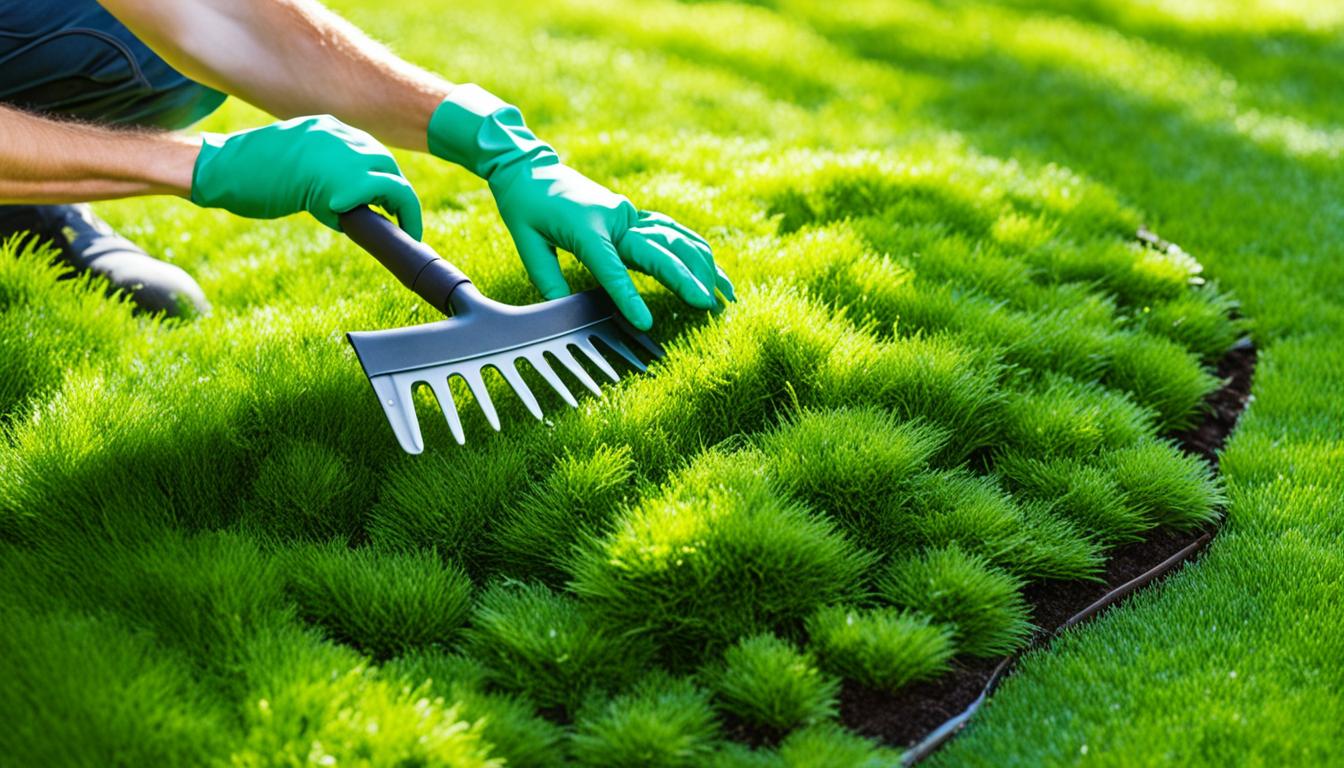
For smaller patches or as a first step, good old-fashioned elbow grease can be surprisingly effective. Tools like a stiff-bristled brush, a lawn rake, or even a metal garden fork can be used to scrape away the moss.
Pro Tip: It's often easier to remove moss when the ground is slightly damp, but not waterlogged. This allows the rhizoids to release their grip more readily.
After raking, you'll be left with bare patches, which is exactly what we want! This creates space for new grass to grow. Don't be discouraged by the initial appearance; think of it as preparing the canvas for your lawn's masterpiece.

2. Chemical Warfare (The Gentle Kind!)
If manual removal isn't enough, or if you have widespread moss, chemical solutions can be your allies. The most common active ingredient in moss killers is ferrous sulfate (also known as iron sulfate).
You can find these products in various forms, such as granules or liquids. Follow the manufacturer's instructions meticulously, as overuse can damage your grass. The ferrous sulfate works by killing the moss, turning it black. Once the moss is dead, you can then rake it out.

Important Note: Ferrous sulfate can temporarily stain concrete and paving stones, so be careful with application. Some products also contain a lawn feed, which can give your grass a boost after the moss is gone.
3. Addressing the Root Cause: The Long-Term Solution
This is where the real magic happens. To prevent moss from returning, you need to make your lawn less hospitable to it and more welcoming to grass.
- Improve Drainage: If your lawn holds water, consider aeration. This involves poking holes in the soil to allow water and air to penetrate. For very compacted areas, you might need to de-compact.
- Adjust Soil pH: Moss loves acidic soil. If your soil tests as acidic (below 6.0), you can add lime to raise the pH and make it more favorable for grass. Test your soil’s pH with a simple kit; it's a worthwhile investment!
- Fertilize Appropriately: A well-fed lawn is a strong lawn. Use a good quality lawn fertilizer according to the season and your grass type. This will encourage vigorous grass growth, which can outcompete moss.
- Manage Shade: If shade is the primary culprit, consider pruning back overhanging branches from trees or shrubs. In extreme cases, you might need to consider shade-tolerant grass seed for those areas.
- Aerate and Dethatch: Regular aeration and dethatching (removing the layer of dead grass and organic matter that builds up) are essential for a healthy lawn. These processes improve air circulation, water penetration, and nutrient uptake, all of which discourage moss.
The Re-Seeding and Recovery Phase
After removing the dead moss and addressing the underlying issues, you’ll likely have some bare patches. This is the perfect opportunity to re-seed!

Choose a high-quality grass seed that is suited to your climate and the light conditions in those areas. Gently rake the soil, spread the seed, and lightly cover it with soil or compost. Keep the area consistently moist until the new grass germinates and establishes.
Regular watering, mowing at the correct height (never too short!), and continued feeding will help your lawn thicken up, making it more resistant to future moss invasions.
So, there you have it! Tackling lawn moss might seem daunting, but by understanding its preferences and employing a multi-pronged approach, you can transform your lawn from a mossy haven into a verdant paradise. It’s a journey, and each step you take is a victory for your garden. Happy gardening!