
How To Get Pen Ink Out Of Wood
Oh no! You've done it. That precious wooden surface, be it a beautiful table, a beloved floor, or even that special little side table, has become the victim of a rogue pen. A runaway ink blob, a scribbled doodle where there shouldn't be one... it happens to the best of us, right? Don't panic! Before you start contemplating a full-blown refinishing project or hiding the evidence with strategically placed coasters (we've all been there!), let's dive into the surprisingly simple, and dare I say, fun, world of pen ink removal from wood. Think of me as your friendly neighborhood stain superhero, cape optional but highly encouraged.
First things first, let's acknowledge the elephant in the room. Ink on wood. It's not exactly a match made in heaven. Wood is porous, and ink is… well, inky. It likes to seep in and make itself at home. So, the trick is to convince that ink that its new dwelling isn't quite as cozy as it thought. We're going to be gentle, persuasive, and armed with a few household heroes.
Now, before we grab the heavy artillery, it’s important to identify your enemy. What kind of ink are we dealing with? Ballpoint? Gel pen? Marker? Each has its own personality, and therefore, its own preferred method of persuasion. For the most part, though, we’re going to start with the gentlest approach and escalate if needed. Patience, my friend, is a virtue, especially when coaxing stubborn ink out of wood.
Must Read
Let's talk about the type of wood too. Is it finished wood (like a varnished table) or unfinished wood (like a rustic cutting board)? This makes a huge difference. Finished wood offers a protective layer, making your job a little easier. Unfinished wood is like a hungry sponge, so we'll need to be extra careful. We'll cover both, but for now, let's assume you've got a slightly more forgiving, finished surface.
The Gentle Giants: Your First Line of Defense
Alright, let's start with the super simple stuff. No fancy chemicals, no obscure ingredients. Just things you probably already have in your kitchen or bathroom. These methods are great for fresh ink stains, the kind that are still a bit damp and haven't had a chance to really embed themselves.
Toothpaste to the Rescue! (Yes, You Read That Right)
I know, it sounds utterly bizarre. Toothpaste? For ink? But hear me out! Non-gel, white, paste-like toothpaste is your secret weapon here. Think of it as a mild abrasive. Grab a clean, soft cloth (an old t-shirt works wonders) and dab a tiny amount of toothpaste onto the ink stain. Now, here's the key: gently rub in a circular motion. Don't scrub like you're trying to win the Olympics of stain removal. We're talking a gentle massage for your wood.
The mild abrasives in the toothpaste will help lift the ink from the surface without damaging the finish too much. Keep dabbing and gently rubbing until the ink starts to fade. You might need to repeat this a couple of times. Rinse the cloth frequently with water to avoid spreading the ink. Once you're happy, wipe the area clean with a damp cloth and then dry it thoroughly with a separate dry cloth. Ta-da! Your teeth might be cleaner, but your wood is happier.
The Magic of Baking Soda Paste
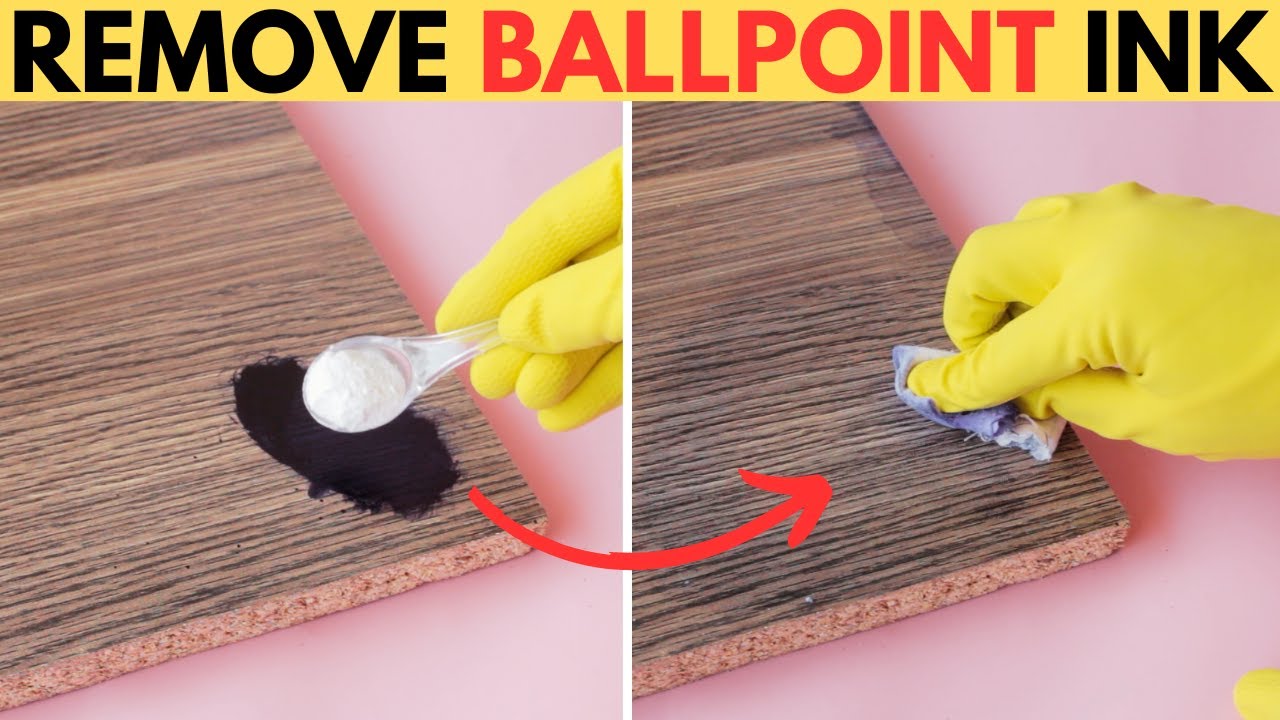
Another kitchen staple to the rescue! Baking soda is a fantastic natural cleaner. Mix a tablespoon of baking soda with a tablespoon of water to create a paste. Again, this is for fresh or lightly set stains. Apply the paste to the ink spot with a soft cloth and rub gently in a circular motion.
Baking soda, like toothpaste, acts as a mild abrasive and can absorb some of the ink. It’s also a bit more forgiving on finishes than some harsher chemicals. You’ll want to work quickly and not let the paste dry out completely on the wood. Once the ink seems to be lifting, wipe it away with a damp cloth and dry the area. This is a particularly good method for those slightly more stubborn ballpoint pen marks.
Remember, with both toothpaste and baking soda, the gentle part is crucial. We’re aiming to lift the ink, not remove the wood’s protective layer. Think of it like a spa treatment for your furniture. A little pampering goes a long way.

Stepping Up Our Game: When the Gentle Giants Need Backup
So, the toothpaste and baking soda worked wonders on some of the ink, but there’s still a faint shadow of your pen’s artistic endeavors. Don't despair! It’s time to call in some slightly more potent, but still relatively safe, reinforcements. These methods might require a bit more attention to detail, but they’re still very achievable for the average DIY enthusiast.
Rubbing Alcohol: The Great Dissolver
Ah, rubbing alcohol (isopropyl alcohol). This stuff is a powerhouse when it comes to dissolving things. It's particularly effective against the oils and pigments found in many inks. Grab a cotton ball or a cotton swab – cotton balls are good for larger areas, while swabs are perfect for getting into those tricky nooks and crannies.
Dampen the cotton ball or swab with rubbing alcohol. You don't want it dripping wet, just nicely saturated. Now, here’s where you need to be mindful. Test this in an inconspicuous spot first! Some finishes can react with alcohol. If it looks okay, gently dab and blot the ink stain. Do NOT rub aggressively, as this can spread the ink and potentially dull the finish. You’re aiming to lift the ink by dabbing and transferring it to the cotton.
You’ll see the ink transferring to the cotton ball. Keep moving to a clean section of the cotton ball or grab a fresh one as the ink builds up. This is key to not smearing the ink around. Continue dabbing until the ink is gone or significantly faded. Once you’re done, wipe the area with a clean, damp cloth to remove any alcohol residue, and then dry it thoroughly. This method is often a winner for many types of ink, especially those stubborn gel pen marks.
Hairspray: The Unexpected Hero
Yes, you read that right again! Hairspray. Specifically, aerosol hairspray with alcohol in it. The alcohol is the active ingredient here, just like with rubbing alcohol. It acts as a solvent to break down the ink.
Again, test this in an inconspicuous area first! Spray a little hairspray onto a clean, soft cloth, not directly onto the wood. Then, gently blot the ink stain. You might need to work fairly quickly. As the ink starts to lift, dab with a clean part of the cloth. Once the ink is gone, wipe the area with a damp cloth to remove any sticky residue and then dry thoroughly. It’s a bit of a strange one, but it can be surprisingly effective!
The key with hairspray and rubbing alcohol is to work from the outside of the stain in. This prevents you from spreading the ink outwards and creating a bigger problem. Think of it like you're corralling a runaway ink blob back into its original spot for easy removal.

Magic Eraser: Use with Caution (Seriously!)
Ah, the Mr. Clean Magic Eraser. It’s called "magic" for a reason, right? It can get out some truly astonishing stains. However, when it comes to wood, you need to wield this thing with extreme caution. Magic Erasers are essentially micro-abrasives. They work by gently abrading the surface to remove the stain.
This means they can also remove the finish from your wood. So, if you choose to go this route, dampen the Magic Eraser very lightly and use the absolute gentlest touch imaginable. Dab, don't rub. You’re trying to lift the ink, not scrub away your furniture’s protective coating.
I’d only recommend this for minor ink marks on very durable, finished wood. And for goodness sake, test it in a hidden spot first! If you see any dulling of the finish, stop immediately. This is a last resort, a tool for when you’re feeling brave and have nothing to lose but a tiny bit of shine.
For the Tough Guys: Unfinished Wood and Stubborn Stains
Okay, now we’re talking about the more challenging scenarios. Unfinished wood is like a blank canvas that the ink has decided to permanently mark. And some ink stains are just plain stubborn, no matter how beautiful the wood. These methods might require a little more effort, but they’re still within your reach.
Sandpaper: The Ultimate Reset Button
When all else fails, or when you’re dealing with unfinished wood, sandpaper is your friend. This is where we’re essentially removing the top layer of wood that has absorbed the ink. For unfinished wood, this is often the most effective solution.
Start with a fine-grit sandpaper. You want to be able to sand away the ink without taking off too much wood. If you’re dealing with finished wood, you’ll likely need to refinish the area after sanding, so keep that in mind.
Gently sand the ink stain. Use light, even strokes, working with the grain of the wood. You’ll see the ink gradually disappear. As you sand, you can periodically wipe the area with a clean cloth to see your progress. Once the ink is gone, you might need to lightly sand the surrounding area to blend the finish.
If you’ve sanded finished wood, you’ll need to reapply a sealant or polish to protect the area. For unfinished wood, you might want to apply a wood conditioner or sealant to prevent future staining. This method is a bit more hands-on, but it’s incredibly effective. Think of it as giving your wood a fresh start!
Wood Bleach: For the Truly Challenging Cases
Wood bleach is a more specialized product, but it can be a lifesaver for deep-set or particularly dark ink stains. There are two main types: oxalic acid and chlorine bleach. Oxalic acid is generally preferred for wood as it’s less harsh and more effective at removing stains.
You can usually find wood bleach at hardware stores. Follow the manufacturer’s instructions very carefully. This usually involves mixing the bleach with water and applying it to the stained area. You’ll need to wear gloves and ensure good ventilation.
After applying the wood bleach and allowing it to work (again, follow the instructions!), you’ll need to neutralize it according to the product directions. Then, rinse the area thoroughly and let it dry completely. You may need to repeat the process for very stubborn stains.
Wood bleach can lighten the wood, so you might need to re-stain or finish the area to match the surrounding wood. This is definitely a more advanced technique, but for those really persistent ink invaders, it can be your secret weapon.
A Few Extra Tips for Stain Success!
Before we wrap this up, let’s sprinkle in some extra wisdom. These little nuggets of advice can make all the difference between a frustrated sigh and a satisfied smile.
Act Fast! Seriously, the sooner you tackle the stain, the easier it will be to remove. Ink has a tendency to become best friends with wood over time. So, if you see it, grab your cleaning supplies (or your magic toothpaste) and get to it!

Always Test First! I’ve said it before, and I’ll say it again because it’s that important. Always, always, always test any cleaning solution in an inconspicuous area of your wood first. Behind a leg, on the underside of a table, in a corner – anywhere that won’t be immediately noticeable if something goes awry. This is your insurance policy against a bigger disaster.
Gentle Does It! We’re not trying to perform surgery here. We’re trying to coax the ink away. Gentle dabbing, light rubbing, and patience are your best friends. Aggressive scrubbing can damage the wood finish and make the problem worse.
Work with the Grain! When you’re sanding or even when you’re rubbing, try to follow the direction of the wood grain. This helps prevent visible scratches and ensures a smoother finish.
Protect Your Hands! Even with mild solutions, it’s a good idea to wear gloves, especially if you have sensitive skin or if you’re using stronger cleaners like rubbing alcohol or wood bleach.
Ventilation is Key! If you’re using anything with fumes, like rubbing alcohol or wood bleach, make sure you’re in a well-ventilated area. Open those windows and let the fresh air in!
Know When to Call in the Pros! If you have an incredibly valuable antique, a very delicate finish, or a stain that just won’t budge after multiple attempts, don’t be afraid to call a professional furniture restorer. Sometimes, it’s best to leave the really tricky stuff to the experts. There’s no shame in that!
And there you have it! You’ve conquered the ink monster! Look at you, a bona fide wood-cleaning wizard. Whether you used toothpaste, baking soda, rubbing alcohol, or even bravely wielded sandpaper, you’ve saved your precious wooden friend from a permanent inky fate. So, stand back, admire your handiwork, and give yourself a pat on the back. Your wood is gleaming, and your confidence is soaring. You’ve proven that with a little know-how and a dash of creativity, even the most annoying little accidents can be turned into triumph. Now go forth and keep your wooden treasures looking fabulous! You’ve got this!

