How To Get Mould Out Of Leather
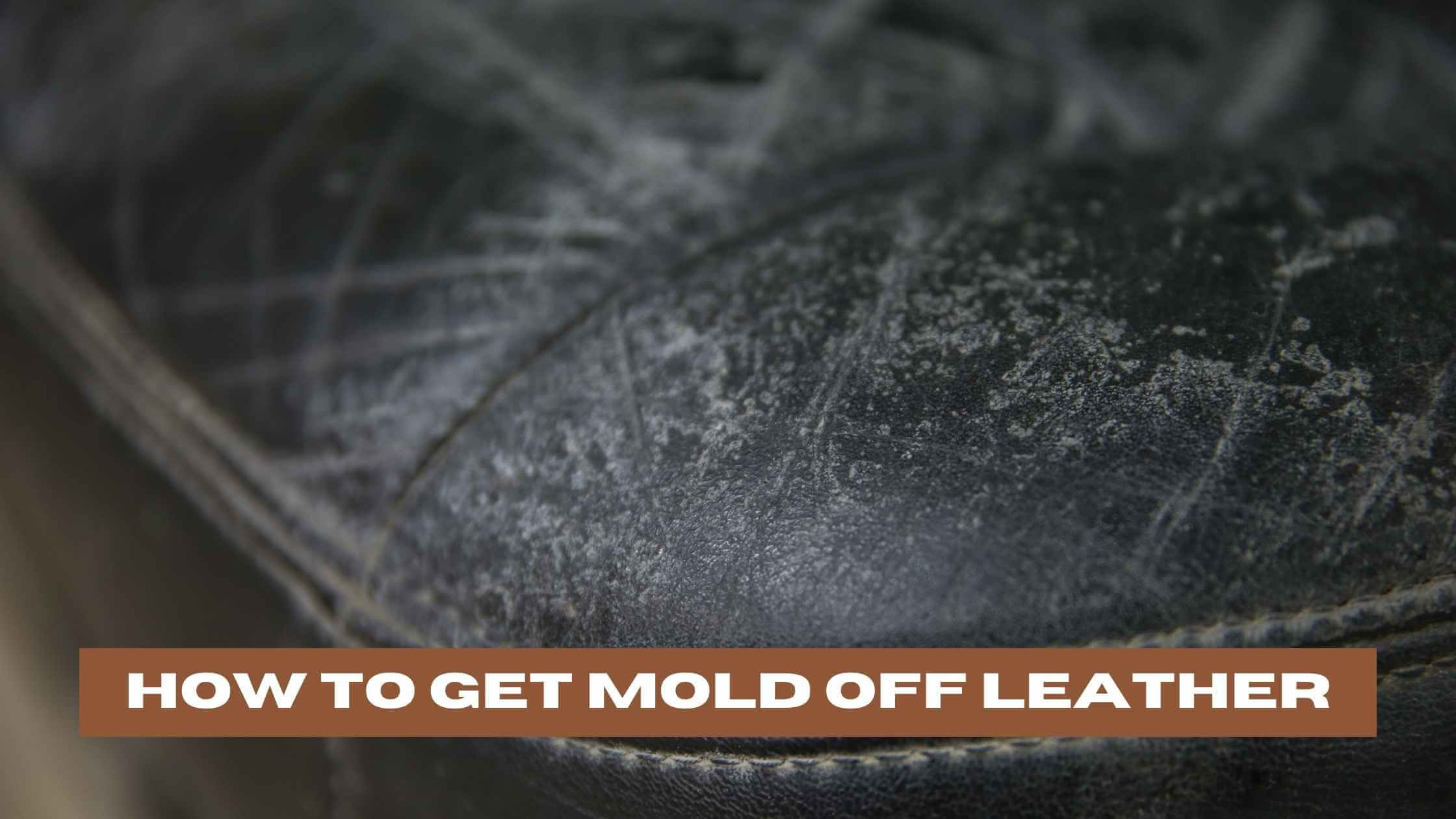
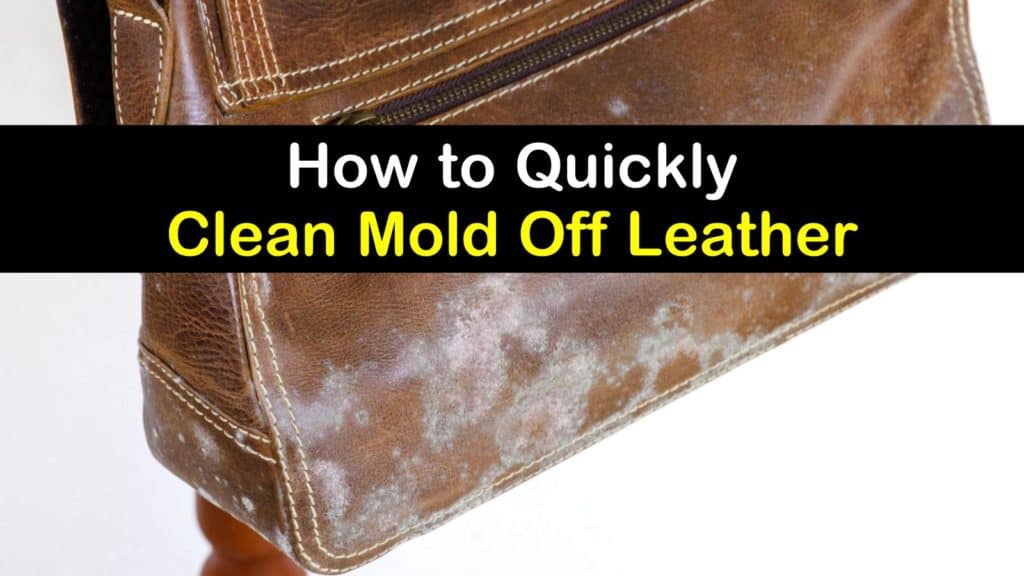
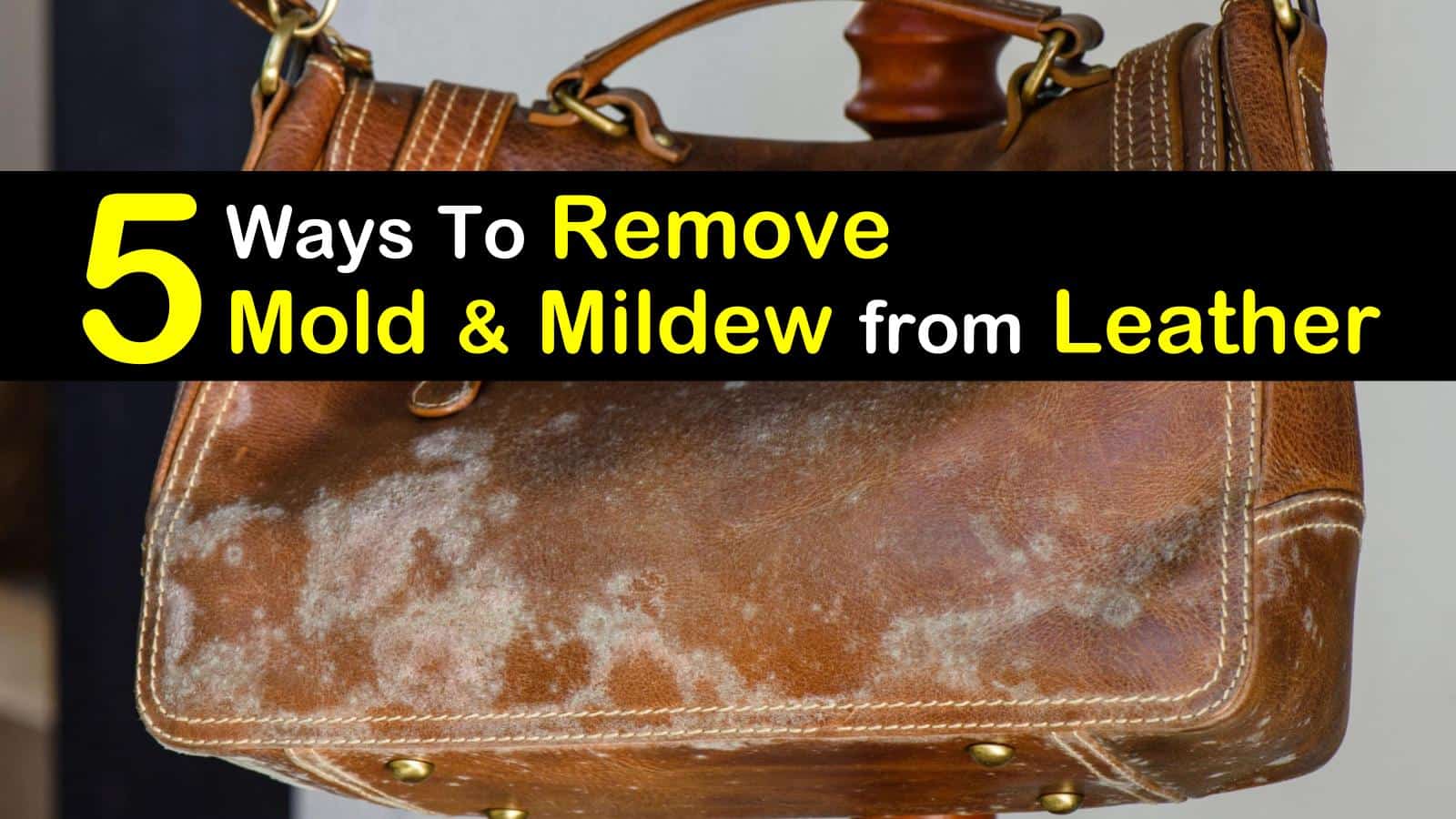
Ever noticed a faint, fuzzy patch on your favorite leather boots or that trusty old armchair and felt a little… dread? You’re not alone! Discovering mould on leather can feel like a small disaster, but here’s the fun part: it’s actually a super manageable situation, and learning how to tackle it is a surprisingly satisfying little skill to have in your arsenal. Think of it as giving your beloved leather items a spa treatment, a little revival that keeps them looking and feeling their best.
The purpose of getting mould out of leather is pretty straightforward: to preserve and protect your valuable belongings. Mould isn't just unsightly; it can actually damage the leather over time, leading to discoloration, weakening of the material, and even unpleasant odors. By addressing mould promptly, you’re extending the lifespan of your leather goods, saving you money in the long run, and keeping those beautiful textures and finishes intact. Plus, there’s a certain joy in seeing something that looked a bit sad and neglected return to its former glory!
This isn’t just about dusty attics or forgotten closets, though those are certainly prime spots for mould to make an appearance. Think about it: that vintage leather jacket you found at a thrift store? Or the beautiful leather-bound books you inherited from a grandparent? Learning to deal with mould is a practical life skill that pops up more often than you might think. In an educational context, understanding mould and its effects on different materials is a fascinating dive into biology and preservation. In daily life, it’s simply about being a good caretaker for the things you own and love. It’s about being a bit of a leather detective, spotting the problem and knowing exactly how to fix it!
Must Read
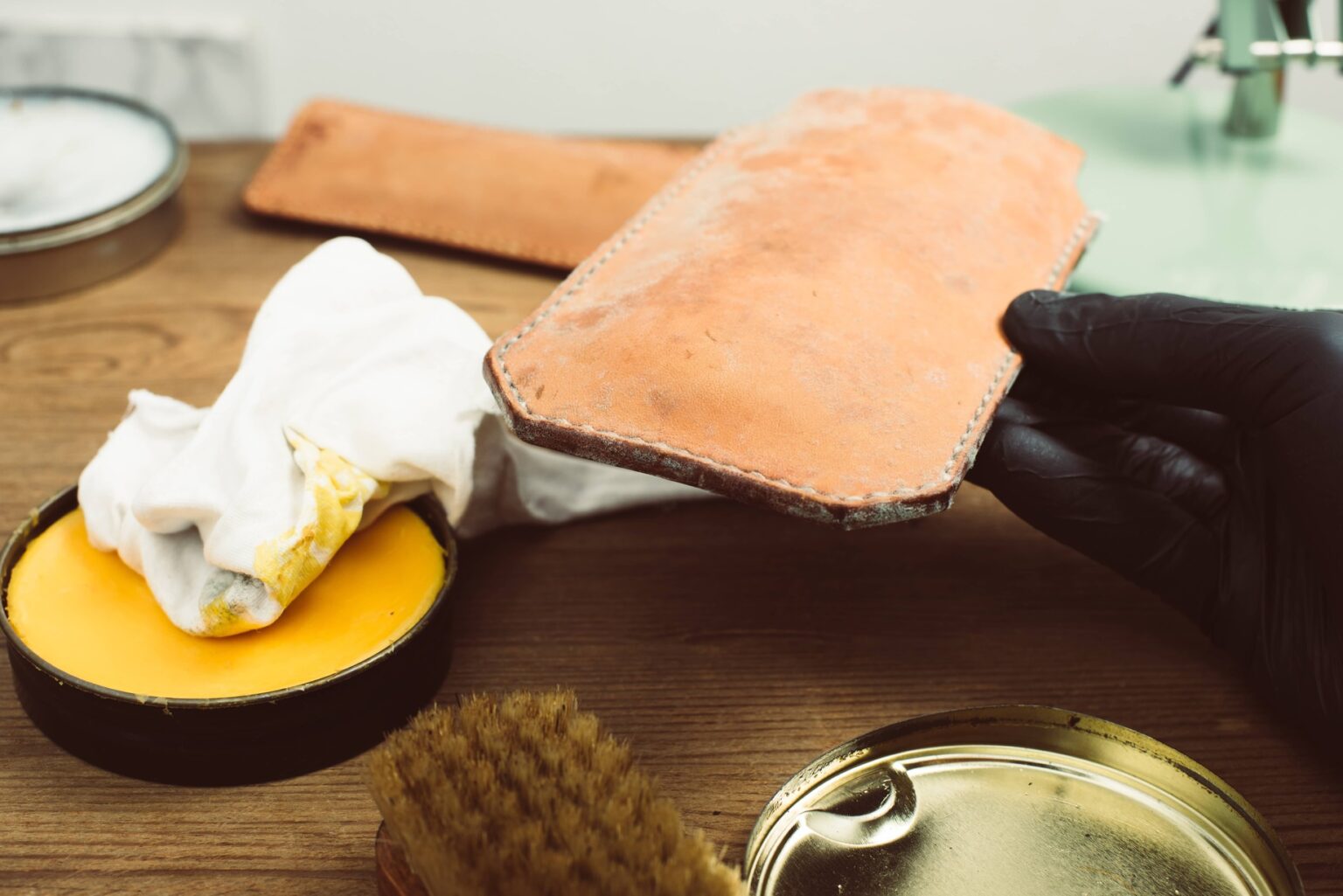
So, how do we embark on this mould-busting adventure? It’s surprisingly simple, and you likely have most of the supplies already. The key is to be gentle but thorough. Start by taking your leather item outdoors to avoid spreading spores inside your home. For most surface mould, a simple solution of mild soap and water is your best friend. Mix a few drops of gentle dish soap or a specialized leather cleaner with lukewarm water. Dampen a soft cloth (a microfiber cloth works wonders), wring it out until it’s just slightly damp, and gently wipe away the mould. You might need to rinse and repeat, but avoid soaking the leather. For more stubborn patches, a solution of white vinegar and water (a 50/50 mix) can be effective. Again, use a damp cloth and wipe gently. After cleaning, it’s crucial to let the leather air dry completely, away from direct heat or sunlight, which can cause cracking. Once dry, a good quality leather conditioner is your final, vital step. This replenishes the natural oils, keeping the leather supple and adding a protective barrier against future mould growth.
Exploring this skill is all about practice and observation. Next time you’re at a flea market, take a closer look at vintage leather goods and see if you can spot the early signs of mould. Or, if you have a leather item that’s been stored away, give it a check-up. It’s a small effort that yields big rewards in terms of keeping your leather looking fantastic for years to come. Happy mould-busting!