How To Get Mould Out Of Clothes

Okay, so you’ve done it. You’ve opened up your laundry basket, or maybe that gym bag you swear you’ll unpack tomorrow, and BAM! A fuzzy green, black, or even pink surprise. Yep, we’re talking mould. The ultimate party crasher for your favourite tee. Don't panic. This isn't the end of your wardrobe's story. Think of me as your friendly neighbourhood mould whisperer, here to save your threads from the fuzzy doom.
Seriously though, who hasn't experienced this? You leave clothes damp for, ahem, a little too long. Or maybe the washing machine wasn’t quite… enthusiastic enough with the drying cycle. Suddenly, your once pristine garment looks like it’s been cuddling with a science experiment. It’s enough to make you want to burn the whole lot, right? But hold on to your bleach, we’ve got this. We’re going to tackle this fuzzy menace together, one stubborn stain at a time.
The Great Mould Escape: Your Mission, Should You Choose to Accept It
So, how do we actually get this stuff off? It’s not like it’s going to pack its tiny bags and leave on its own. We need a plan, my friend. A superhero-level, mould-busting plan. And the best part? You probably already have most of the ingredients in your kitchen. Revolutionary, I know!
Must Read
Step 1: The Reconnaissance Mission (Identify the Fuzz)
First things first, let’s get a good look at the enemy. What colour is it? Is it just a light dusting, or has it gone full-on shag carpet on your shirt? This will help you decide on your attack strategy. Sometimes, a little bit of mould is easier to deal with than a full-blown infestation. No judgement here. We’ve all been there.
Think of it like this: if it's just a few tiny spores, we can probably go in with a gentle approach. If it’s a thick, undeniable layer, we might need to bring out the heavy artillery. And by heavy artillery, I mean things that are actually effective and won’t destroy your clothes. We’re not barbarians, after all. We’re just… slightly disorganised laundry enthusiasts.
Step 2: The Isolation Chamber (Quarantine Those Clothes!)
This is super important, people. You do not want mould spreading. Imagine your whole laundry basket suddenly becoming a mould convention. Nightmare fuel. So, as soon as you spot the fuzz, isolate the affected garment(s). Put them in a separate plastic bag. Tie it up tight. Send it to its own little timeout corner. This prevents spores from hitching a ride on other clothes in the hamper or, heaven forbid, on your clean laundry. We’re talking extreme social distancing for your clothes here.
Think of it as a mandatory spa day for the mouldy item, but a spa day where it’s kept strictly separate from everyone else. We don’t want it contaminating the good vibes. This step is the unsung hero of mould removal. Seriously, it’s the difference between a quick fix and a full-blown mould catastrophe. So, bag it up. No ifs, ands, or buts.
Step 3: The Cleaning Arsenal (Gather Your Supplies)
Now for the fun part! Let’s talk about what you’ll need. The good news is, you don't need to raid a professional cleaning supply store. Your kitchen is likely a treasure trove of mould-fighting agents. Who knew your spice rack held such power? It’s like a secret agent movie, but with more suds.
Here are your likely suspects:
:max_bytes(150000):strip_icc()/how-to-get-mold-off-clothes-7089876-v1-d388dcbd40054387923be8e2c40175f3.png)
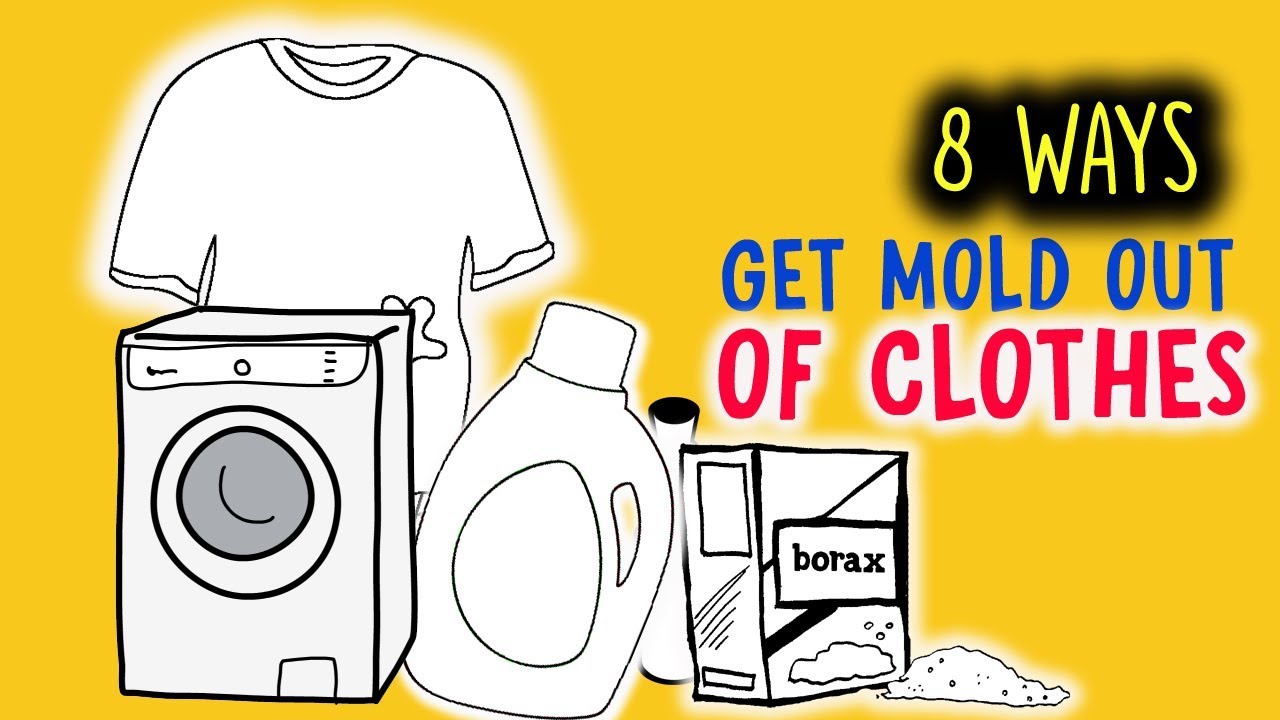
- White Vinegar: This is your MVP. Seriously, vinegar is a godsend for mould. It’s acidic, which mould hates. Plus, it’s natural and won’t bleach your clothes like some harsher chemicals. You can buy a huge bottle for next to nothing. It’s the gift that keeps on giving.
- Baking Soda: Another kitchen staple with a hidden talent. It’s a mild abrasive and also helps to deodorise. Mould can leave a pretty funky smell, so baking soda is like a little breath of fresh air for your clothes. And it’s so cheap! You can practically buy it by the truckload.
- Lemon Juice: For those lighter stains or if you want a natural bleaching effect. The citric acid in lemon juice is a natural bleach. It’s great for making things a little brighter, and it smells a lot nicer than, well, mould. Plus, it feels very "wellness influencer" to use lemon juice.
- Hydrogen Peroxide (3% solution): This is a bit stronger, so use it with a little more caution. It’s a good disinfectant and can tackle stubborn mould. However, it can lighten colours, so patch test first, my friend. We don’t want to turn your favourite colourful socks into pastels.
- Bleach: The ultimate weapon. Use with extreme caution. Bleach is effective, but it can damage fabrics and will definitely lighten colours. Only use bleach on whites and diluted. It’s the nuclear option, reserved for the most stubborn cases on appropriate fabrics. And never mix bleach with vinegar. That’s a chemical cocktail you do not want to be brewing. Seriously, don't.
- An Old Toothbrush or Scrub Brush: For getting into those nooks and crannies. You know, where the mould likes to hide and have little parties.
- A Bucket or Sink: For soaking.
- Gloves: To protect your hands. Mould isn't exactly a friend to your skin.
So, gather your supplies! It's like preparing for battle, but a much cleaner, less destructive battle. You've got this. Imagine yourself a kitchen chemist, ready to concoct the perfect mould-be-gone potion.
Step 4: The Pre-Wash Power Play (The Soak)
Before you even think about tossing it in the washing machine, we need to do some pre-treatment. This is where the magic really starts to happen. Think of it as a relaxing spa treatment for your mouldy clothes, but with actual cleaning agents.
For Vinegar Power: Mix a solution of one part white vinegar to two parts water in a bucket or sink. Submerge the mouldy items. Let them soak for at least an hour, but overnight is even better if the mould is particularly stubborn. This gives the vinegar time to work its acidic wonders and break down that fuzzy invader. It's like giving the mould a stern lecture it can't ignore.
For Baking Soda Boost: If you’re using baking soda, you can make a paste. Mix baking soda with a little water to form a thick paste. Apply this paste directly to the mouldy spots. Let it sit for about 30 minutes. This helps lift the mould and absorbs any lingering odours. It’s a gentle but effective way to target specific areas.
For Lemon Juice Loveliness: For lighter mould or a natural brightening effect, soak the item in a solution of lemon juice and water (again, a good ratio is about 1:2). You can even rub a little lemon juice directly onto the stain. Let it sit in the sun for a while if possible; the sun’s rays can help amplify the bleaching effect of the lemon juice. Nature's own laundry helper!
For the Hydrogen Peroxide Hit: If you’re going with hydrogen peroxide, dilute it with water (about 1 part peroxide to 3 parts water). Apply to the mouldy area. Let it sit for about 15-20 minutes. Remember to patch test on an inconspicuous area first! We don’t want any accidental colour removal.

The Bleach Brigade (Whites Only!): If you’re resorting to bleach (and only on white, bleach-safe fabrics!), mix about 1/4 cup of bleach with a gallon of water. Soak the garment for about 10-15 minutes. Do not leave it in for too long. And again, this is strictly for whites. No exceptions. We’re not trying to create tie-dye disasters here.
During the soak, you might even want to gently scrub the mouldy areas with an old toothbrush. This helps to loosen the spores and get them ready for the washing machine. It’s like gently exfoliating the mould away. A little elbow grease never hurt anyone (or any garment, when done carefully).
Step 5: The Washing Machine Showdown
Okay, the soaking is done. The mould has had a taste of its own medicine. Now it’s time for the main event: the washing machine. This is where we really kick the mould to the curb.
Use the hottest water setting your fabric can handle. Why? Because mould likes warmth, but it really hates hot water. It helps kill off any remaining spores. So crank it up (within reason for your clothes, of course). Check those care labels, people!
Add your usual detergent, but here’s the secret sauce: add about a cup of white vinegar or ½ cup of baking soda to the wash cycle along with your detergent. If you used bleach in the soak, rinse the garment thoroughly before putting it in the washing machine with regular detergent. You don’t want any residual bleach reacting with anything else. We’re playing it safe here.
Wash the mouldy items separately from your other laundry. We don’t want those spores going on a joyride with your clean clothes. Think of it as a dedicated mould-fighting mission. No distractions.
Step 6: The Drying Debacle (The Crucial Final Step!)
This is arguably the MOST important step after washing. If you don’t dry things properly, you’re just inviting the mould back for an encore performance. And nobody wants that. Nobody.
Dry the garment on the hottest setting possible that the fabric can withstand. Again, check those care labels. High heat is your friend here. It helps kill any lingering mould spores. Think of it as a hot sauna for your clothes, but one that kills tiny fuzzy organisms.
Ensure the garment is completely dry before storing it. This means no slightly damp patches, no suspicious-feeling areas. If you have to, do a second drying cycle. Better safe than sorry, right?
If you can, hang the garment to dry in direct sunlight after washing. Sunlight is a natural disinfectant and mould killer. It's like a free outdoor spa treatment for your clothes. Plus, it can help brighten whites and fade any lingering stains. It’s a win-win situation.
Step 7: Inspect and Repeat (If Necessary)
Once everything is dry, give it a thorough inspection. Look for any remaining spots or that tell-tale musty smell. If you still see a bit of mould, don't despair! You might need to repeat the process. Sometimes, mould is a tenacious little bugger.
If the mould is still there, try a stronger solution or a different cleaning agent. For instance, if vinegar didn't quite cut it, maybe try the hydrogen peroxide method next. Or, if you’re dealing with a persistent patch on a white garment, you might consider a more concentrated bleach treatment (again, with extreme caution and on appropriate fabrics).
Step 8: Prevention is Key (The Long Game)
Now that you’ve conquered the mould beast, let’s talk about making sure it doesn’t come back. Because honestly, who has time for this every week? We’ve got better things to do, like drink coffee and… well, maybe do laundry without the drama.

Don't leave damp clothes sitting in the washing machine. As soon as the cycle is done, get them out! Or, invest in a washing machine with a delay start and set it for right when you'll be home to unload it. Pro tip!
Dry your clothes thoroughly. Make sure they’re completely dry before folding or hanging them up. If you live in a humid climate, consider using a dehumidifier in your laundry room or drying area.
Ensure good ventilation. Mould thrives in damp, stagnant environments. Make sure your laundry area has good airflow. Open windows, use a fan, whatever it takes.
Clean your washing machine regularly. Yes, your washing machine can get mouldy too! Run an empty hot wash cycle with vinegar or a washing machine cleaner every month or so. Check the rubber seal around the door – that’s a prime mould hiding spot. Wipe it down regularly.
Don't overstuff your washing machine. Clothes need room to move and get properly cleaned and rinsed. Overstuffing can lead to poor drainage and damp clothes that fester. Give your clothes some breathing room!
Store clothes properly. Make sure they are completely dry before putting them away. Avoid storing clothes in damp basements or closets if possible. If you have to, make sure there’s some airflow.
So there you have it! Your guide to banishing mould from your clothes. It’s not rocket science, but it does require a little bit of know-how and a willingness to get your hands (with gloves, of course!) a little dirty. Now go forth and conquer that fuzz! Your favourite clothes will thank you for it. And hey, if all else fails, at least you’ve got a new appreciation for the power of vinegar. Who knew?