How To Get Key Out Of Lock

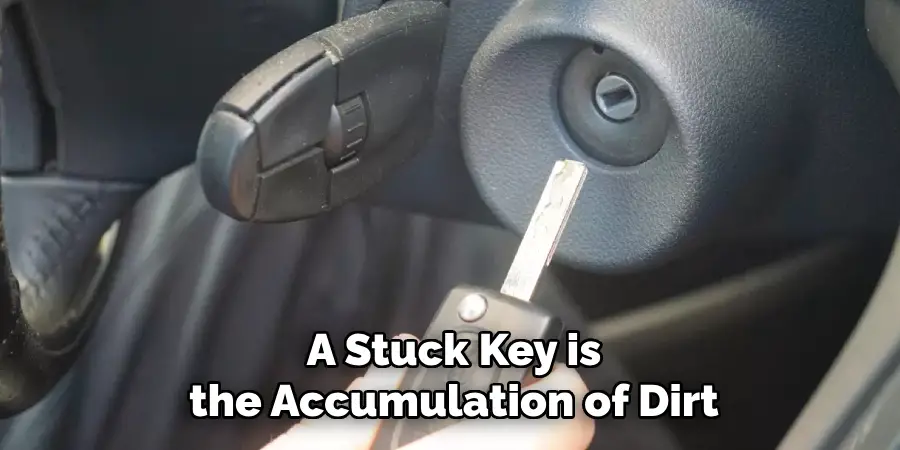
Okay, so you’ve been there, right? You’re about to head out, feeling all smug and ready to conquer the world, and BAM! The key is stuck in the lock. It’s like the lock is playing a really terrible prank on you. Or maybe it’s a tiny, metallic diva demanding extra attention. Whatever it is, don't panic! We've all faced this tiny, irritating hurdle, and thankfully, there are some super simple, totally non-stressful ways to get that sneaky key out.
First things first, take a deep breath. Seriously. Rushing and getting flustered will only make things worse. Think of it as a little puzzle, a mini-adventure for your day. You're the hero, and this stubborn key is just a minor villain.
The "Gentle Persuasion" Approach
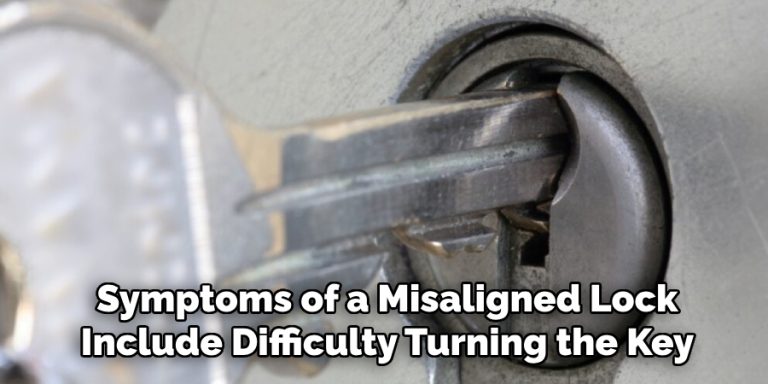
Before we go all Rambo on this situation, let's try the soft touch. Sometimes, a key gets stuck because it's just a little… misaligned. It happens. Especially if you were in a hurry when you last used it.
Must Read
Wiggle, wiggle, wiggle! Gently try to wiggle the key from side to side. Not a violent shake, mind you. Think more like a tiny dance. Try to pull it out simultaneously. Sometimes this is all it takes to get it to loosen up.
If wiggling alone isn’t doing the trick, try a gentle jiggle upwards or downwards while pulling. Imagine you’re trying to coax a shy cat out of hiding. Patience is your superpower here.
Another trick under the "gentle persuasion" umbrella is to try turning the key slightly back to its original position. If it’s stuck in the locked position, try to turn it back to the unlocked one, or vice versa. Sometimes, even a millimeter of movement can release the tension holding it captive.
When Things Get a Little… Slippery
If your key is being particularly stubborn, it might need a little lubrication. Now, before you go grabbing the olive oil from your kitchen (tempting, I know, but resist!), let’s talk about the right kind of slippery stuff.
Graphite lubricant is your best friend here. You can usually find these in small tubes or pens at hardware stores. They’re specifically designed for locks and won't leave a sticky residue that will attract dirt later on. Just a puff or a few drops into the keyhole should do the trick.
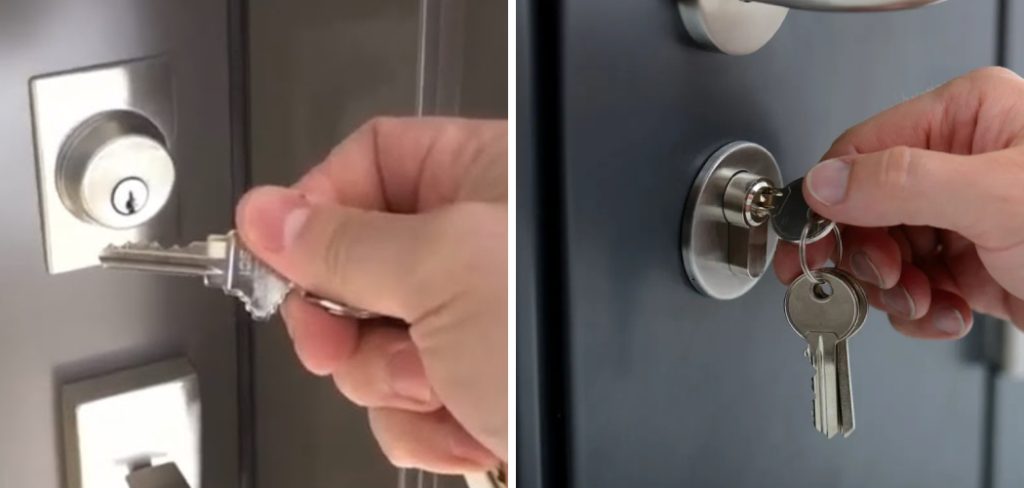
How to apply it? Aim the nozzle directly into the keyhole and give it a gentle squeeze. Then, try wiggling the key again. The lubricant should help things slide more smoothly.
What if you don't have graphite lubricant handy? Don't despair! In a pinch, a tiny amount of WD-40 can work. However, use this sparingly! WD-40 is a water displacer and can attract dust over time, which can make your lock gunkier in the long run. If you use it, definitely consider getting a proper graphite lubricant later to clean it out.
Another unconventional, but sometimes effective, lubricant is a pencil lead. Yes, you read that right! The graphite in the pencil lead is a dry lubricant. You can rub the tip of a pencil lead on the teeth of the key itself. Then, insert the key into the lock and wiggle it. The graphite should transfer and help things slide.
Don't be afraid to try the lubricant on the key itself, not just the lock. Sometimes, applying it directly to the metal of the key before re-inserting it can make a difference.
The "Leverage is Key" Technique
Sometimes, the key is just wedged in there at an awkward angle. This is where a little bit of strategic leverage comes in. But remember, gentle is still the operative word. We're not trying to break the key or the lock here.
You can try using a flathead screwdriver or a butter knife. Carefully insert the tip of the screwdriver or knife into the groove of the key, right next to the lock cylinder. Then, apply a gentle, steady pressure to try and lever the key out. Again, no brute force!
The idea is to give yourself a little extra grip and a slightly different angle of pull. Think of it as giving the key a little nudge in the right direction.
Another helpful tool here can be a pair of needle-nose pliers. If you can get a good grip on the head of the key, you can try to pull it straight out. This works best if a good portion of the key is still accessible. Be careful not to squeeze too hard, as you might bend or break the key.
If the key is really stuck, and you’re using pliers, try to pull straight out. Avoid twisting with the pliers, as this can also damage the lock. Focus on a consistent, straight pull.
What if the Key is Actually… Broken?
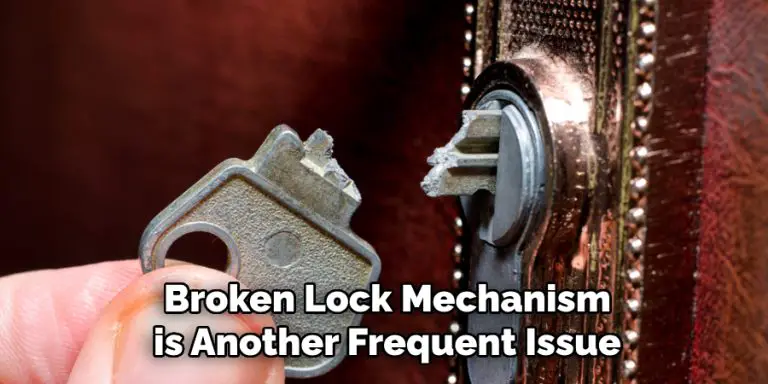
Okay, so sometimes, life throws you a curveball, and you discover your key has snapped, leaving a piece inside the lock. Ugh. This is definitely more of a pickle, but still, not the end of the world!
If you have a good chunk of the key still sticking out, you might be able to grab it with needle-nose pliers and carefully wiggle it out. This is the ideal broken-key scenario, so count your lucky stars if this is you!
If the break is flush with the lock, or there's only a tiny bit showing, things get trickier. You might need a key extraction kit. These are special tools designed to grip broken key fragments. You can usually find them at hardware stores or online. They have tiny hooks and barbs that can grab onto the broken piece.
Using a key extraction kit requires a steady hand and a bit of patience. You'll need to carefully insert the tool into the keyway, get it to grip the broken piece, and then gently pull it out. There are lots of helpful videos online if you get one of these kits!
If all else fails, and the key is broken inside, it might be time to call a locksmith. They have specialized tools and expertise to deal with this kind of situation without causing further damage to your lock. It might seem like an extra step, but sometimes, it’s the most efficient and least frustrating solution.
Preventative Measures: Avoiding Future Lock-Key Drama
Now that you've conquered the stuck-key situation, let’s talk about how to prevent it from happening again. A little bit of preventative maintenance goes a long way!

Lubricate your locks regularly. Once or twice a year, give your locks a good spray with graphite lubricant. This keeps them working smoothly and prevents them from getting sticky.
Don't force it! If your key feels stiff or difficult to turn, don't shove it in or twist with all your might. Stop, take a breath, and try one of the gentle persuasion techniques. Forcing it is often what leads to a stuck or broken key.
Keep your keys clean. Dirt and grime on your keys can get transferred to your lock, causing issues. Give your keys a quick wipe down now and then.
Avoid using your key as a pry bar or scraper. Keys are for turning, not for opening paint cans or scraping ice. They're surprisingly delicate!
You Did It!
See? You tackled that tricky key situation like a champ! Whether it was a gentle wiggle, a touch of lubricant, or a bit of clever leverage, you’ve emerged victorious. You’ve proven that even the most frustrating little problems can be solved with a bit of patience and know-how. So go ahead, pat yourself on the back. You’ve not only rescued your key but also gained a valuable life skill. Now, go forth and conquer your day, feeling extra accomplished and maybe just a little bit smug. You’ve earned it!