How To Get Ink Out Of Carpet
Oh, the sheer, unadulterated panic. You know the feeling, right? That moment when you’re just chilling, maybe enjoying a cuppa, and then… BAM! Your toddler, your cat, or let’s be honest, maybe even you, decides that your pristine carpet is the perfect canvas for a vibrant, permanent-marker masterpiece. For me, it was a particularly ambitious attempt by my then-seven-year-old to draw a life-sized dragon on the living room rug. It was… impressive. And terrifying. My immediate thought was, “Well, there goes the security deposit.” But before you start eyeing the nearest paint store for a complete overhaul, hold onto your hats (or, in my case, my rapidly fraying nerves). Because as I learned through a series of increasingly desperate internet searches and trial-and-error, getting ink out of carpet is a thing. A very achievable thing, actually.
So, let’s dive into this ink-induced adventure, shall we? We’re going to tackle those rogue ink stains like the carpet-rescuing superheroes we are. No fear, just a little bit of elbow grease and some clever tricks.
The Ink Stain: A Carpet’s Worst Nightmare (And How to Fight Back)
Ink. It’s designed to be permanent, right? That’s its whole job. And carpets? They’re designed to be… well, walked on, spilled on, and generally subjected to the chaos of everyday life. When these two worlds collide, it’s a recipe for disaster. But fear not, my friend. We’re going to break down the process, step by step, so you can banish those unsightly marks and reclaim your floor.
Must Read
The first thing to remember is that speed is your friend. The longer that ink sits there, the deeper it can seep into those carpet fibers, making your job infinitely harder. So, as soon as that ink disaster strikes, it’s time to act. No dilly-dallying, no “I’ll get to it later.” Later might be too late.
Identifying Your Ink Foe
Before you go Rambo on the stain with every cleaning product under your sink (please, for the love of all that is fluffy, don’t do that!), it’s a good idea to try and identify the type of ink you’re dealing with. This isn’t always easy, especially if it’s a mystery splatter from a pen that’s mysteriously appeared. But knowing if it’s ballpoint, permanent marker, or even something water-based can significantly influence your cleaning strategy.
Ballpoint ink is generally oil-based. This means you’ll want to use solvents that can break down oil. Think rubbing alcohol or even hairspray (more on that later!).
Permanent marker ink is usually alcohol-based, but can also contain pigments that are tougher to lift. Again, rubbing alcohol is often your best bet here.
Water-based ink, like that from a washable marker, is the easiest to tackle. Often, plain old water and a little dish soap will do the trick. Lucky you!
If you’re staring at a stain and have absolutely no clue what kind of ink it is, don’t sweat it. We’ll start with the gentlest methods and escalate if needed. It’s like a culinary journey, but with less delicious outcomes and more potential for soapy hands.
The Golden Rule: Blot, Don't Rub!
This is probably the most important piece of advice I can give you. When dealing with any liquid spill on carpet, and especially ink, rubbing is your enemy. Why? Because rubbing will just push the ink deeper into the fibers and spread it around, creating a bigger, uglier mess. Imagine trying to wipe a smudge of chocolate ice cream off a white shirt. If you rub it, you’ll end up with a splotchy, brown disaster zone. If you blot, you can lift some of it off. Same principle applies here, just with less deliciousness and more potential for permanent scarring.

So, grab a clean white cloth or paper towels. Gently blot the stain from the outside in. This helps to contain the spread. Think of yourself as a very careful, very determined blotter. You’re not attacking the stain; you’re gently coaxing it to leave.
Your First Line of Defense: Water and Dish Soap
Let’s start with the simplest and least aggressive approach. For any type of ink, and especially for water-based inks, a solution of cool water and a few drops of mild dish soap can be surprisingly effective.
Mix about a quarter teaspoon of mild dish soap (like Dawn, the superhero of dish soaps) with a cup of cool water. Dip a clean white cloth into the solution, wring it out so it’s damp, not soaking wet, and start blotting the stain. Again, work from the outside in.
You’ll want to alternate between your cleaning cloth and a clean, dry cloth or paper towels to blot up the moisture and the lifted ink. Keep blotting, rinsing your cloth, and blotting again. You might be surprised at how much you can lift with this simple concoction. It’s like a mini-spa treatment for your carpet, minus the cucumbers on the eyes.
If the water and soap don’t seem to be making much headway, don’t despair. We have more powerful weapons in our arsenal.
The Power of Alcohol (The Rubbing Kind, Of Course!)
Ah, rubbing alcohol. It’s not just for post-workout massages or sanitizing surfaces. Isopropyl alcohol is a fantastic solvent for many types of ink, particularly ballpoint and permanent markers. This is where things can get really interesting.
Grab another clean white cloth or some cotton balls. Dampen the cloth with rubbing alcohol. You don’t want to saturate it, just make it nice and moist. Now, gently blot the ink stain. You should start to see the ink transferring from the carpet to the cloth. It’s a magical, albeit slightly chemical, transformation.
Keep using a clean part of the cloth as the ink transfers. You’ll likely go through a few cloths or cotton balls. Be patient! This might take some time. If you’re using a spray bottle, you can lightly spray the area, but be careful not to over-wet the carpet. Always blot after applying the alcohol.

Once you’ve lifted as much ink as possible with the alcohol, you’ll want to rinse the area. Blot with a cloth dampened with plain cool water to remove any residual alcohol. Then, blot with a dry cloth to absorb excess moisture.
Hairspray: The Unexpected Hero?
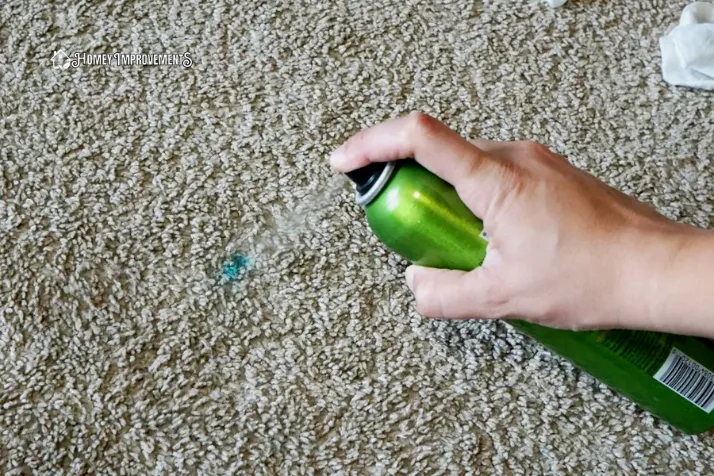
You know that can of hairspray sitting on your vanity? It might be your secret weapon against ink stains. Many hairsprays contain alcohol, which, as we just discussed, is great for breaking down ink. This is especially true for older, alcohol-based hairsprays. The newer, water-based formulas might not be as effective.
So, if you have an older can lying around, give it a try! Spray a little bit of hairspray onto a clean white cloth (don’t spray directly onto the carpet, as this can lead to overspray and sticky residue). Then, blot the ink stain with the dampened cloth. You should see the ink start to lift. Again, work from the outside in.
Just like with rubbing alcohol, once you’ve lifted the ink, rinse the area by blotting with a damp cloth and then dry it thoroughly by blotting with a dry cloth.
It feels a bit like a beauty hack meets a home emergency, doesn’t it? Who knew your hair could save your carpet?
Tackling Tougher Stains: Ammonia and Vinegar
If rubbing alcohol or hairspray haven’t completely done the trick, or if you’re dealing with a particularly stubborn ink stain, you might need to bring out the heavier artillery. But caution is key here, as these are stronger cleaning agents.
Ammonia can be effective for some ink stains, particularly those that are oil-based. However, it can also damage certain carpet fibers and cause discoloration, so it’s essential to test it in an inconspicuous area first. Mix one tablespoon of clear household ammonia with a quarter cup of cool water. Apply with a clean cloth, blotting gently. Rinse thoroughly with cool water and blot dry.
White vinegar is another option. Its acidic nature can help break down certain types of ink. Mix equal parts white vinegar and cool water. Apply to a clean cloth and blot the stain. Again, rinse with cool water and blot dry.

A word of warning about ammonia and vinegar: NEVER mix them! This creates toxic fumes that can be very dangerous. Always use them separately and ensure good ventilation when using either.
And one more thing: if you have a wool or silk carpet, these stronger cleaners are generally not recommended. Stick to gentler methods for those precious fibers.
When All Else Fails: Commercial Carpet Cleaners
Sometimes, despite our best efforts, a stain is just too stubborn for DIY solutions. In these cases, it might be time to reach for a commercial carpet stain remover specifically designed for ink. Read the labels carefully and choose a product that is suitable for your type of carpet. Always follow the manufacturer’s instructions and, again, test in an inconspicuous area first.
There are many effective ink removers on the market. Some are water-based, while others are solvent-based. The key is to find one that targets the type of ink you’re dealing with.
When using a commercial cleaner, ensure you have good ventilation and wear gloves if recommended. Blot, blot, blot! And then rinse thoroughly as per the instructions to avoid leaving any sticky residue that could attract more dirt.
The Final Touches: Rinsing and Drying
No matter which cleaning method you use, the rinsing and drying stages are crucial. Leftover cleaning solution can attract dirt and create a new stain, and a damp carpet is a breeding ground for mildew.
After you’ve finished treating the ink stain, it’s time to rinse. Take a clean cloth and dampen it with plain cool water. Blot the treated area thoroughly to remove any residue from the cleaning solution. You want to get as much of that cleaner out as possible.
Once you’re confident you’ve rinsed it well, it’s time to dry. Grab some clean, dry towels or paper towels and blot up as much moisture as possible. You can even place a thick stack of towels over the damp area and weigh them down with something heavy (like a stack of books or a piece of furniture) to help absorb the moisture. If you have a fan, you can also use it to speed up the drying process.
Ensure the area is completely dry before allowing foot traffic. This might take a few hours, or even overnight, depending on how damp it got.
Prevention is Key (If Only We Were Always That Organized!)
Now that you’ve conquered that ink stain, let’s have a little chat about prevention. I know, I know. It’s not as exciting as stain removal. But wouldn’t it be nice to avoid the panic in the first place?
Keep pens and markers out of reach of little hands (and curious pets). Consider using placemats or a designated craft area if you have messy artists in the house. And maybe, just maybe, invest in some stain-resistant carpet. It’s not a magic bullet, but it can definitely make life a little easier.
If you’re really worried about permanent markers, there are even some great carpet protectors on the market that can make ink a lot easier to remove if it does happen. A little bit of foresight can save you a lot of scrubbing later.
When to Call in the Professionals
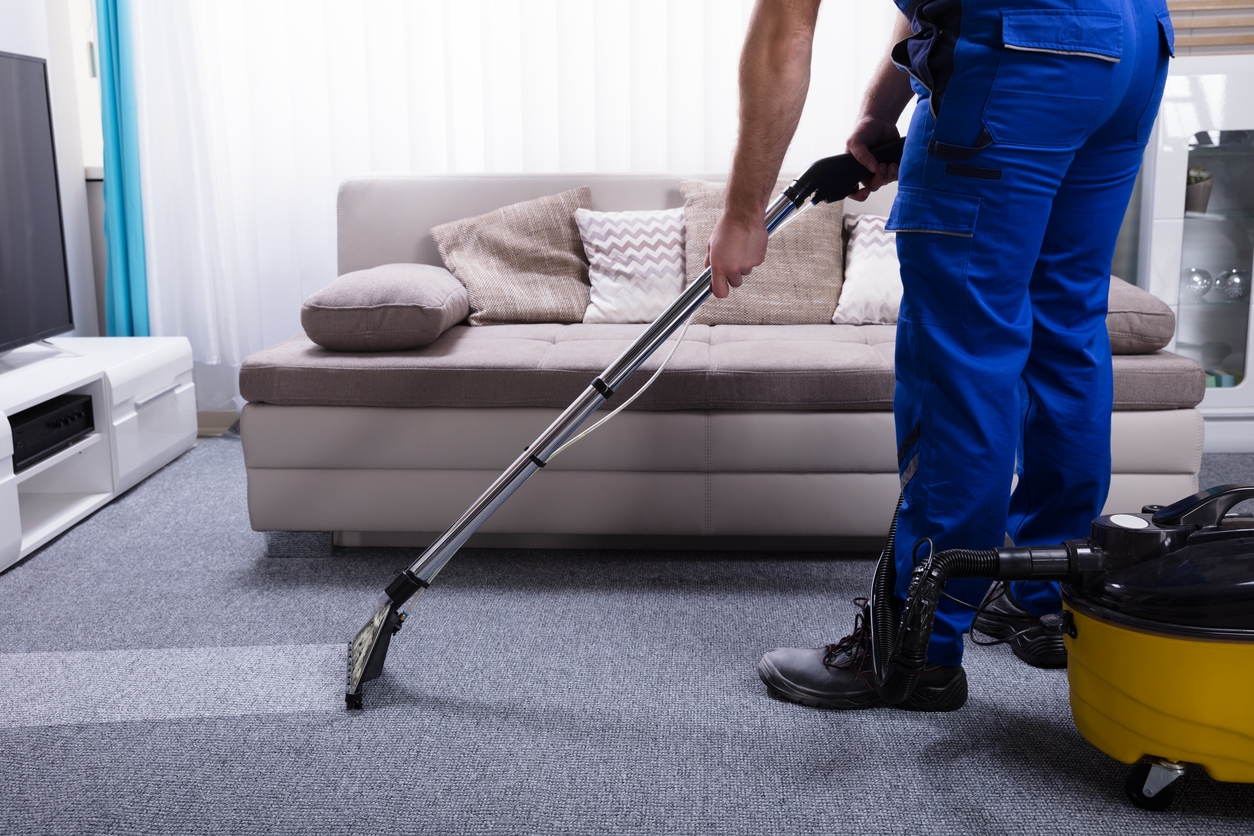
Look, sometimes you have to know when to fold ‘em. If you’ve tried everything, and the stain is still stubbornly there, or if you’re dealing with a very expensive or delicate carpet, it might be time to call in the professionals. Professional carpet cleaners have specialized equipment and cleaning solutions that can tackle even the most difficult stains. It might cost a bit more, but it could save your carpet (and your sanity).
Don’t feel defeated if you can’t get it out yourself. Some stains are just plain tough. A good professional cleaner can work wonders. They’ve seen it all, believe me.
The Dragon Incident and Beyond
So, back to my son’s dragon. After a fair bit of blotting with rubbing alcohol and a subsequent rinse, I managed to lighten the permanent marker considerably. It wasn’t perfectly gone, but it was no longer a vibrant, floor-to-ceiling dragon. It was more of a… faint, ghostly dragon outline. Which, honestly, was a huge win. He still talks about his dragon art project, and I can still walk on my carpet without flinching. A happy ending, albeit with a slightly less majestic dragon than originally envisioned.
Getting ink out of carpet can feel like a daunting task, but with the right approach and a little patience, you can often achieve fantastic results. Remember to act quickly, blot, identify your ink, and don’t be afraid to try different methods. You’ve got this. Now go forth and conquer those stains!