
How To Get Cat To Come To You

Ever look at your feline overlord, lounging majestically on the highest bookshelf, and think, "How on earth do I get that magnificent creature to grace me with its presence?" It's a question as old as time, right? We love our cats, we truly do, but sometimes they seem to operate on a whole different wavelength. It's like they have a secret society dedicated to ignoring us at the most opportune moments.
But here's the thing: cats aren't mean. They're just... cats. And understanding their unique brand of communication is the key to unlocking a world of purr-fectly delightful interactions. It’s less about forcing them and more about becoming a cat magnet. Intrigued? Let's dive into the fascinating art of luring your aloof (or not-so-aloof!) kitty your way.
Why Bother? The Joy of a Willing Companion
Okay, so sometimes you just want to cuddle your furry friend, right? Or maybe you need them to come for a dose of medicine (a less fun, but sometimes necessary, endeavor). But beyond the practicalities, there's a deeper reward. When your cat chooses to come to you, it’s a genuine vote of confidence. It means they trust you, they feel safe with you, and they want to be near you. How cool is that?
Must Read
It’s like being invited to the inner circle of a tiny, furry mob boss. You've earned your stripes! And honestly, seeing your cat trot over, tail held high like a victory flag, is one of life's simple, yet profound, pleasures. It’s a little nudge of affection that can make your whole day better.
The Art of the Subtle Approach: Less is More
The biggest mistake most humans make? Chasing. We see a cat, we want attention, we lunge. This, my friends, is the cat equivalent of a predator stalking prey. And guess what? Cats are excellent at spotting predators. They’ll be halfway up the curtains before you even realize your tactical error.
Instead, think of yourself as a calm, inviting oasis. Cats are drawn to stillness and predictability. So, when you want your cat to come to you, be still. Sit on the floor. Read a book. Pretend you're not even paying attention (even though, let's be honest, your eyes are probably darting towards them every five seconds).
This is where the magic happens. By being unthreatening and relaxed, you signal safety. You’re not demanding, you’re just… there. It’s like setting out a comfy, sun-drenched spot, and waiting for them to discover it. Eventually, their curiosity, or their desire for a warm lap, will kick in.

The Power of the Sound: Whispers and Little Clicks
What sounds does your cat respond to? Do they perk up when you open a can of their favorite food? That's a powerful clue! The sound of sustenance is a universal cat language, but we can go beyond that.
Try using a soft, gentle voice. No loud, booming calls of "KITTY!" Try a soft, inviting "psssst" sound, or a gentle clicking noise. Some cats respond to a soft, high-pitched chirp. It's like mimicking a mother cat’s calls – it’s instinctively comforting and draws them in. Experiment! You're basically conducting a scientific experiment in your living room, with a very furry, very opinionated lab assistant.
Don't overdo it, though. A constant barrage of noises can be just as annoying to a cat as it is to us. Keep it short, sweet, and effective. Think of it as a secret code, only you and your cat understand.
The Temptation of Treats: A Little Incentive Goes a Long Way
Let's not pretend we don't all love a good bribe, and cats are no exception! Treats are a feline siren song. But there's a right way and a wrong way to use them.
Don't just wave a treat in their face and expect them to sprint towards you. Instead, use them strategically. Toss a treat a short distance away from you. This encourages them to move towards you to get it. Once they’ve eaten it, and if they seem receptive, toss another one a little closer.
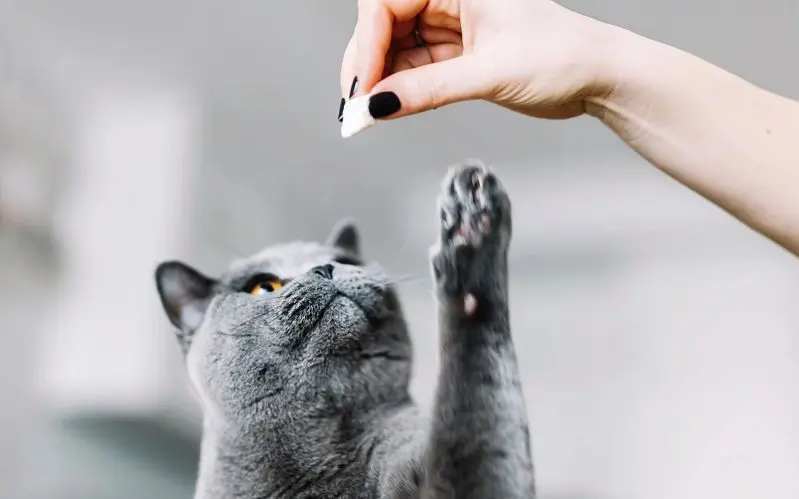
You're essentially creating a trail of delicious breadcrumbs, leading them right to your welcoming arms. It's a positive reinforcement system, and who doesn't appreciate a little positive reinforcement?
Alternatively, sit down with a handful of treats. Let them come to you. As they approach, offer a treat. This builds a strong association: "When I go to that human, good things happen." It’s a simple equation, but incredibly effective.
Playtime: The Ultimate Bonding Experience
For many cats, especially younger or more energetic ones, play is the ultimate invitation. They're natural hunters, and interactive toys tap into that primal instinct.
Wand toys, feather toys, laser pointers (use with caution and always end with a tangible reward!) – these are your secret weapons. The key is to move the toy in a way that mimics prey. Darting, hiding, and erratic movements are all part of the game.
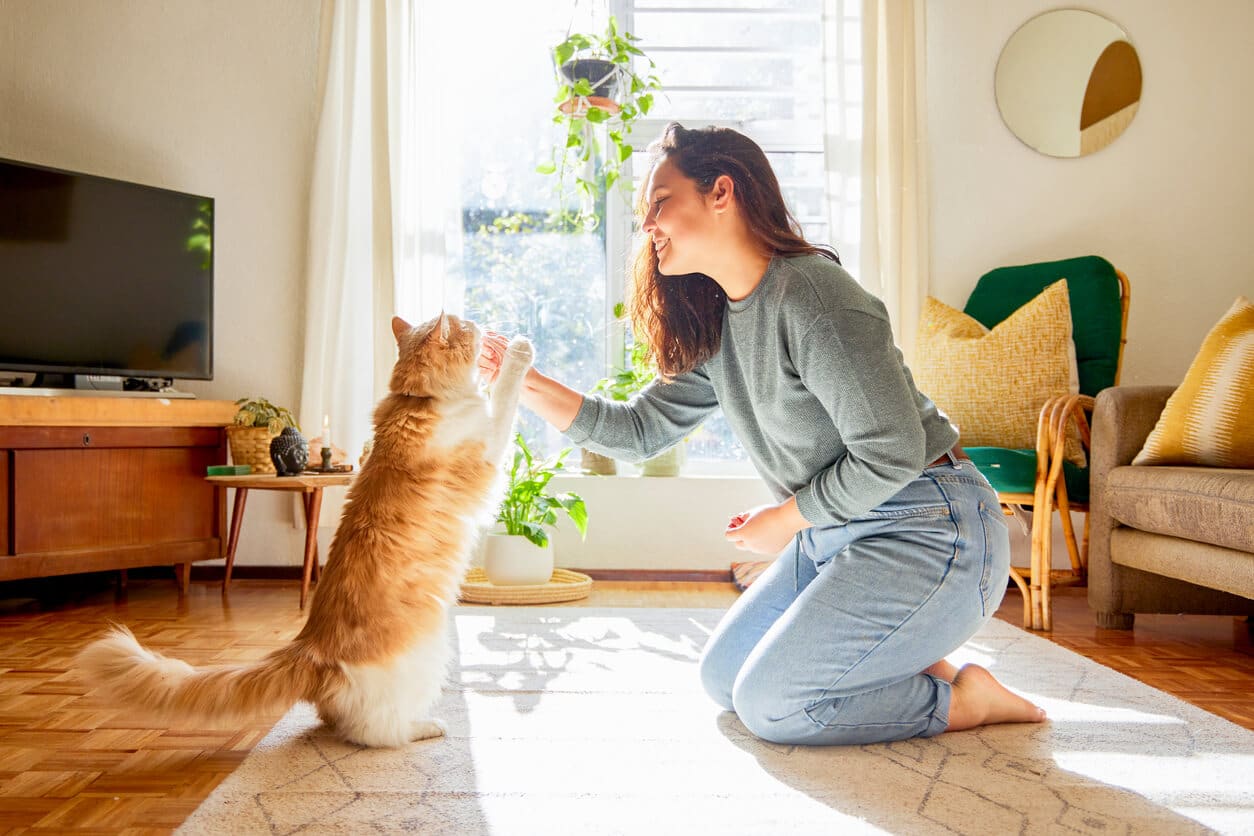
Don't just dangle the toy limply. Make it exciting! As they chase, call their name softly. When they catch the "prey" (the toy), praise them. This makes them associate coming to you with fun and positive attention.
Imagine it: you're the valiant knight, and your cat is the brave adventurer. The wand toy is the dragon they must conquer, and your lap is the cozy castle they return to for victory treats.
Creating a Cat-Friendly Environment: Making Your Home Inviting
Sometimes, the reason your cat isn't coming to you isn't about your technique, but about their environment. Does your home feel safe and welcoming to your cat?
Cats love vertical space. If your cat is always up high, they might feel more secure there. Provide climbing trees, shelves, or even just an empty box in a quiet corner. These are their safe havens.
Also, consider their routine. Cats are creatures of habit. If you're constantly changing things up, it can be unsettling. Predictability breeds comfort, and comfort makes them more likely to venture out and interact.
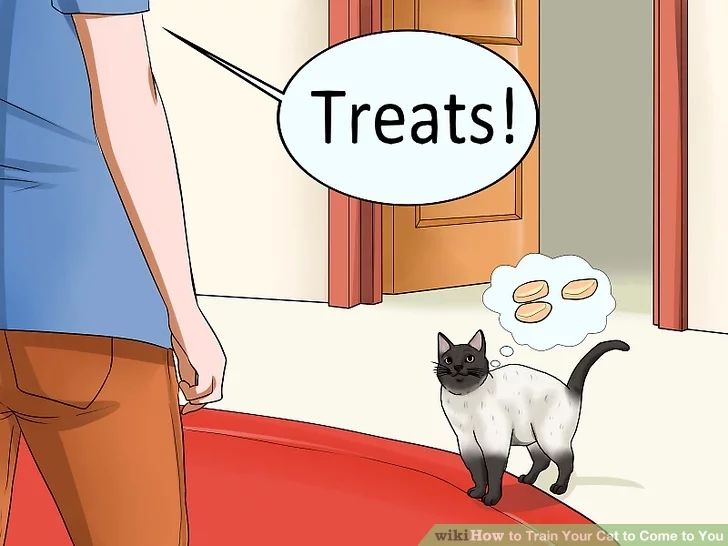
Make sure they have their own special spots where they can eat, drink, and use the litter box without being disturbed. When these basic needs are met, they can relax and be more open to social interaction.
The Ultimate Secret: Patience and Understanding
Here’s the big one, folks. Patience is your superpower. Cats operate on their own timeline. They aren't robots designed to respond to our every whim. They have moods, they have preferences, and they have a certain regal air about them that demands respect.
If you’ve tried everything and your cat is still playing hard to get, don’t despair. Keep offering gentle invitations, keep being a calm and positive presence, and trust that your bond will grow. It’s like nurturing a friendship; it takes time and consistent effort.
Every cat is an individual. What works for one might not work for another. Observe your cat. What are their preferences? What makes them purr? What makes them flatten their ears? You are the detective, and your cat is the mystery to be solved.
So, the next time you find yourself gazing longingly at your elusive feline friend, take a deep breath. Forget the forceful tactics. Embrace the subtle whispers, the tantalizing treats, the playful pounces, and the quiet patience. Because when your cat chooses to come to you, it’s a moment that's truly worth waiting for. It's a beautiful dance of trust and affection, a testament to the unique and wonderful bond we share with these enigmatic creatures.

