How To Get Blu Tack Off Walls
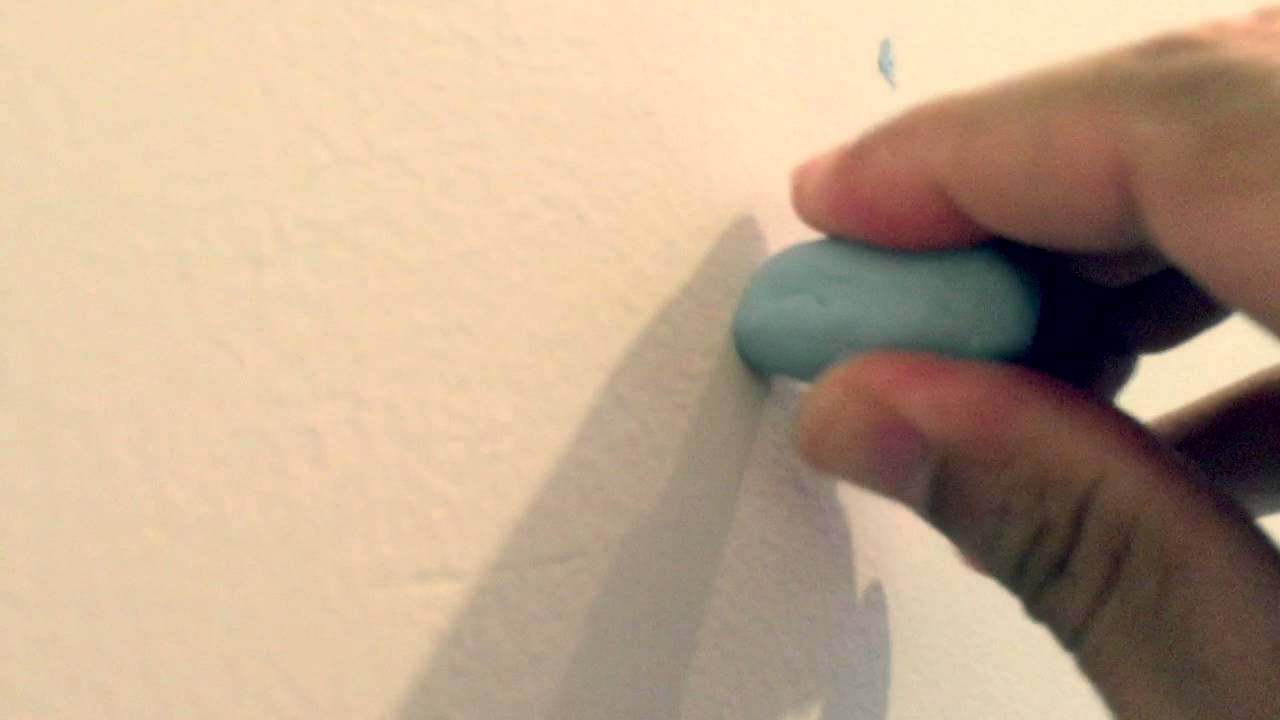
Ah, Blu Tack. That glorious, sticky blue friend that helps us hang posters, keep notes in place, and, let's be honest, occasionally becomes a temporary stress ball. We've all been there, haven't we? That moment when you peel off your favourite band's poster from your teen years, or that vital reminder you stuck to the fridge with the best of intentions, only to be greeted by the ghostly, blue imprint left behind. It’s like a tiny, sticky ghost has taken up permanent residence on your wall, whispering, "You can't get rid of me!"
The sheer tenacity of Blu Tack is both its superpower and its ultimate betrayal. It sticks to walls like a toddler to a cookie. Seriously, sometimes I think it's got a tiny little mind of its own, plotting how to embed itself deeper into the plaster. You try to be gentle, you really do. You peel it slowly, whispering sweet nothings to the wall, but nope. It leaves behind those stubborn little smudges, those faint blue ghosts that mock your decorating efforts. It’s enough to make you want to re-paint the entire room, isn’t it?
But fear not, my fellow sufferers of the Blu Tack blues! You don't need to embark on a full-scale renovation. There are ways. Ways that don't involve a chisel or a blowtorch (though, in a moment of sheer frustration, who hasn't considered it?). We're talking about simple, everyday solutions that'll have your walls looking as good as new, or at least, as good as they were before the sticky blue menace arrived.
Must Read
The "Gentle Persuasion" Method
This is where we start with the soft touch. Think of it like trying to convince a cat to get off your keyboard – you can't just shove it. You need to be a bit cunning.
First things first, let's assess the damage. Is it a faint smudge, or a full-blown blue war zone? The approach might differ. For those lighter marks, a good old-fashioned pencil eraser might just do the trick. Yes, that humble stationery staple you probably haven't thought about since primary school. Just gently rub over the Blu Tack residue. Imagine you're erasing a tiny mistake in a very important drawing. It might take a few goes, and you need to be careful not to rub too hard and damage the paint, but for those subtle marks, it’s surprisingly effective. It’s like a gentle hug for your wall.
Another gentle giant in this battle is warm water and a soft cloth. Now, I'm not saying drench your walls like you're putting out a small fire. We’re talking damp, not drowning. Dip your cloth in warm water, wring it out until it’s just moist, and then gently rub the Blu Tack residue. The warmth can help soften the tack, making it easier to lift. This is especially good if you have slightly more stubborn bits that the eraser couldn't quite conquer. Think of it as a spa treatment for your wall, albeit a very quick and slightly damp one.
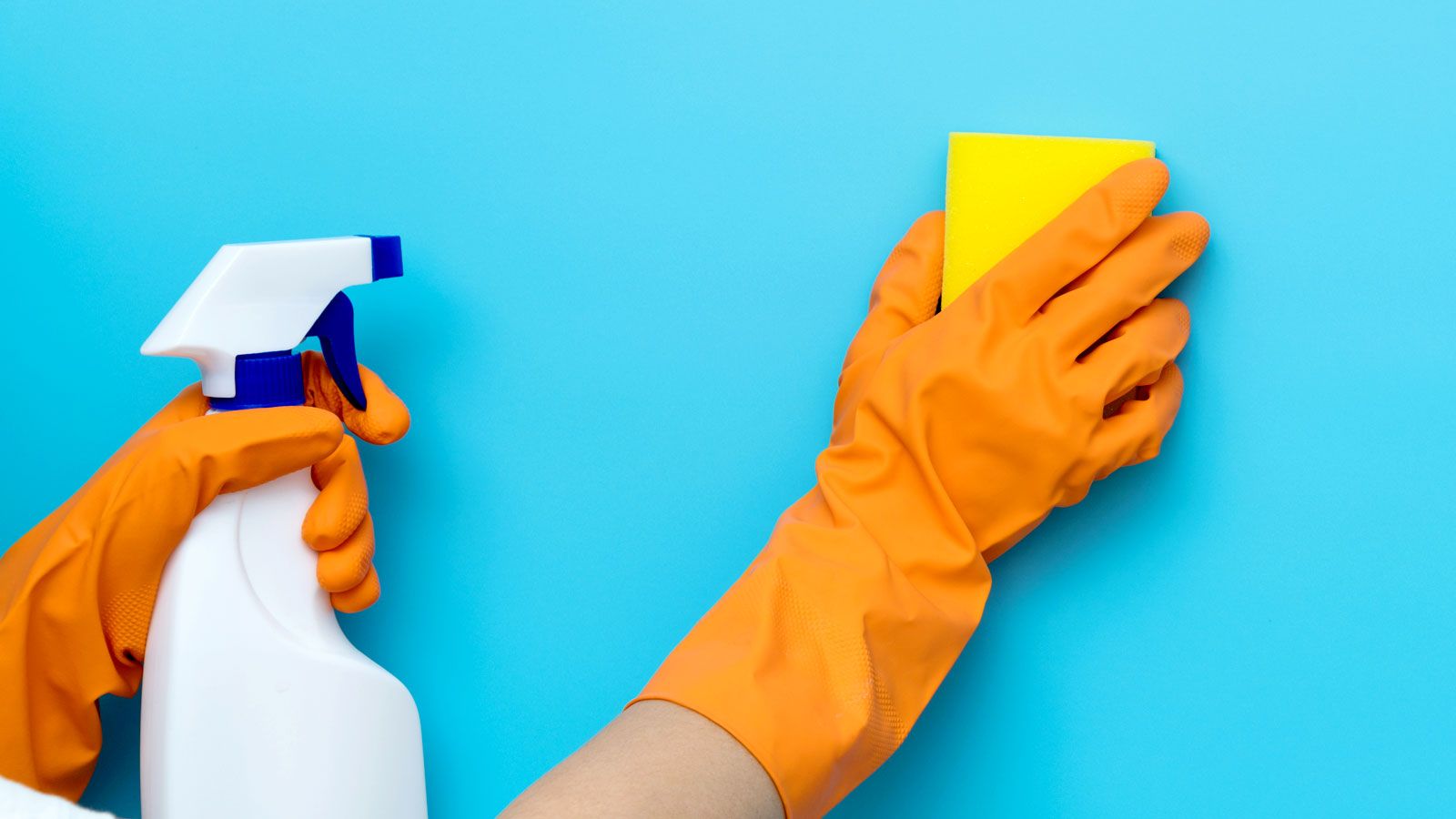
For those who are feeling a bit more adventurous (or whose Blu Tack is particularly stubborn), a tiny drop of mild dish soap in that warm water can be a game-changer. Just a tiny drop, mind you. You don't want to create a sudsy avalanche. This adds a bit of extra cleaning power without being too harsh. Again, the key here is gentle rubbing. No aggressive scrubbing, or you risk taking the paint off with the Blu Tack, which is a whole other ballgame of DIY despair.
When Gentle Isn't Enough: The "Slightly More Assertive" Squad
Okay, so the gentle giants didn't quite win the war. The Blu Tack is putting up a fight, digging its little blue heels in. Time to bring out the slightly more assertive tools.
Enter the hero of our story: white vinegar. Now, I know what you’re thinking. Vinegar? On my walls? Won't it smell like a giant fish and chip shop? Well, yes, for a little while. But the smell dissipates, and the results are often worth the temporary aroma. Mix equal parts white vinegar and water in a spray bottle. Lightly mist the Blu Tack residue (don't soak the wall!). Let it sit for a minute or two – just long enough for the vinegar to work its magic and break down that sticky bond. Then, grab your soft cloth (yes, still soft, we're not going full bulldozer) and gently wipe away the residue. This method is particularly effective for those greasy, ingrained marks.

Another surprisingly effective trick involves bread. Yes, you read that right. A soft, white bread roll. You know, the kind you might normally use for a sandwich? Tear off a small piece, knead it a bit to make it soft and pliable, and then gently dab and roll it over the Blu Tack mark. The bread acts like a natural, slightly sticky sponge, picking up the residue. It sounds utterly ridiculous, I know, but it works! It’s like a secret weapon that your grandma might have known about. Just make sure the bread isn’t too fresh and crumbly, or you’ll end up with breadcrumbs and Blu Tack. Double whammy!
For those really persistent, almost melted-into-the-paint smudges, a bit of rubbing alcohol (isopropyl alcohol) can be your best friend. Be warned, though: this is a more potent solution and can sometimes lift or discolour certain types of paint. ALWAYS test this in an inconspicuous area first. Like, a tiny spot behind a picture frame or in a corner. If it’s all good, put a little rubbing alcohol on a cotton ball or a soft cloth and gently dab at the Blu Tack residue. Again, no aggressive rubbing. You want to dissolve the tack, not sandblast your wall.
The "Last Resort" (But Still Totally Doable) Brigade
When all else fails, and that blue blob is staring at you with defiant glee, it’s time to consider the more… robust options. But don’t panic! These aren't about brute force; they’re about strategic application.
The king of sticky residue removal is often cited as WD-40. Yes, that lubricant for squeaky hinges and rusty bike chains. Again, test this in a discreet spot first, as it can leave a slight oily residue or affect certain paints. Spray a small amount onto a cloth (not directly onto the wall, unless you want a greasy Jackson Pollock). Gently rub the Blu Tack. The WD-40 helps to break down the adhesive. Once the Blu Tack is gone, you’ll likely need to clean the area with a mild soap and water solution to remove any oily film left behind. It’s a bit of a multi-step process, but it’s incredibly effective for stubborn cases.
Now, for the really, truly, stubborn Blu Tack. The kind that looks like it's fused with your wall at a molecular level. You might be tempted by things like nail polish remover (acetone). I’d strongly advise against that. Acetone is a powerful solvent that can very easily melt or strip paint. We're aiming for a smile, not a DIY disaster that requires a complete repaint! Stick to the gentler methods or the tested solutions like vinegar or WD-40 if you must.
If you've tried all of the above and there are still faint blue marks, or if the paint itself has been slightly damaged by the Blu Tack's tenacious grip, then it might be time for the magic of a touch-up paint pen or a small pot of wall paint. You can often find small amounts of your wall's original paint colour, or you can get a colour-matching service at your local hardware store. A small brush or a cotton swab can be used to carefully dab a tiny bit of paint over the remaining mark. This is the ultimate fix, like a concealer for your walls. Just be careful to apply it sparingly and blend it in so you don't create a new, more obvious blemish.
Preventative Measures: The Shield Against the Blue Menace
So, you’ve conquered the Blu Tack. Your walls are clean, your faith in home décor is restored. How do we prevent this sticky saga from repeating itself?
Consider using command strips or picture hanging strips for anything heavier than a postcard. They’re designed to hold things up without leaving residue. They might cost a little more upfront, but think of the peace of mind! No more post-poster panic.
If you must use Blu Tack, try to use it sparingly. A tiny blob is usually enough. And avoid leaving it on the wall for extended periods, especially in direct sunlight or heat, as this can make it harder to remove.
Also, be mindful of the type of paint on your walls. Matte or emulsion paints are generally more delicate than gloss or satin finishes. So, if you have a more sensitive paint job, proceed with extra caution and stick to the gentlest removal methods.
Ultimately, dealing with Blu Tack is a rite of passage for anyone who's ever decorated their living space. It’s a testament to our desire to express ourselves, to personalize our surroundings. And while it can leave a sticky, blue reminder of our past decorating choices, it’s also a chance to learn, to experiment, and to discover the surprising cleaning power of everyday household items. So, the next time you see that blue smudge, don't despair. Just smile, remember the bread trick, and get to work. Your walls (and your sanity) will thank you for it!