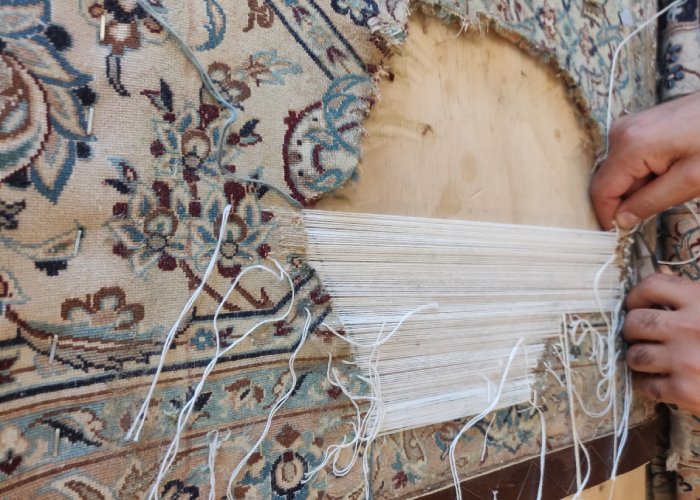
How To Fix A Hole In A Rug
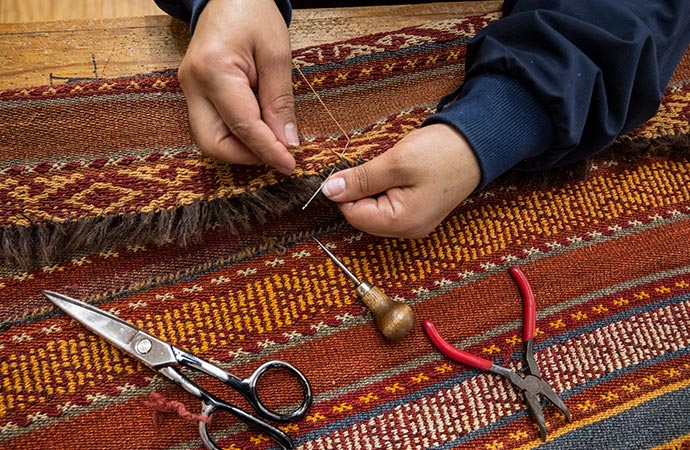
Oh, the humble rug. It’s the unsung hero of our living spaces, quietly cushioning our footsteps, adding warmth, and sometimes, serving as a canvas for our accidental spills and everyday mishaps. We love them for their cozy embrace, but let's face it, life happens. And sometimes, life happens in the form of a rogue Lego brick, an overzealous pet, or a kitchen incident that leaves behind a rather unwelcome void. That gaping hole in your beloved rug – it can feel like a small tragedy, a tiny tear in the fabric of your otherwise put-together home. But fear not, fellow domestic warriors! Repairing a hole in a rug isn't some arcane art form reserved for seasoned upholsterers. With a little patience, the right tools, and perhaps a calming cup of your favorite beverage, you can breathe new life into your floor covering and banish that unsightly blemish. Let’s dive into the wonderfully satisfying world of rug repair, making it feel less like a chore and more like a home spa treatment for your rug.
Think of it like this: your rug is like a well-loved leather jacket or a favorite pair of jeans. Minor imperfections only add character, right? A small snag here, a slight fray there – these are the badges of honor from a life well-lived. But a full-blown hole? That’s where we draw the line, and fortunately, we have the power to draw it back. So, grab your sewing kit, channel your inner DIY guru, and let’s get this rug looking its best again. It’s all about embracing the imperfections and learning a few clever tricks to keep our homes looking their stylish best.
Decoding the Damage: What Kind of Hole Are We Dealing With?
Before we grab the needle and thread, it's crucial to assess the situation. Not all rug holes are created equal, and understanding the nature of the damage will dictate our approach. Is it a simple snag, where a few fibers have been pulled loose, creating a small, localized fuzzball? Or are we looking at a more significant tear, perhaps a clean cut or a shredded area where entire sections of the rug have been compromised? The size and location of the hole also play a role. A tiny nick on a high-traffic entryway demands a different strategy than a gaping maw in a rarely seen corner.
Must Read
If it’s a minor snag, you might be able to simply trim away the offending loose fibers with a sharp pair of scissors. Think of it as giving your rug a tiny haircut. However, if the snag has created a noticeable gap, we'll need to go a little deeper. For larger tears, especially those with frayed edges, the process becomes a bit more involved. We’ll need to encourage those unruly edges to behave and, in some cases, introduce new material to bridge the gap. It’s a bit like performing minor surgery on your floor, but with much less screaming involved, hopefully.
Consider the material of your rug, too. Wool rugs are incredibly resilient and can often be repaired with a more traditional approach. Synthetic rugs might require slightly different techniques or adhesives. Natural fiber rugs like jute or sisal can be a bit more delicate, so a gentle touch is key. Knowing your rug’s DNA will help you choose the most effective repair method. It’s like knowing your own personality – it helps you navigate life’s little challenges!
Gathering Your Arsenal: The Tools of the Trade
Now, let’s talk about what you’ll need. Don’t worry, this isn't an expedition to the Amazon; it’s a trip to your local craft store or even your existing home supplies. The beauty of rug repair is that it doesn’t require a professional’s toolkit. Think of it as assembling a curated collection of everyday heroes.
First up: scissors. And not just any scissors, but a sharp, precise pair. Craft scissors or fabric shears work wonders. You want them to be able to make clean cuts, not tear and snag the existing fibers. A good pair of scissors is a game-changer in any crafting or DIY endeavor. They’re like the conductor of an orchestra, guiding everything into place.
Next, we have our trusty needle and thread. For most repairs, you’ll want a strong, upholstery-grade thread. Look for neutral colors that match your rug as closely as possible. If you can’t find an exact match, it’s often better to go slightly lighter than darker, as a dark thread can sometimes show through a lighter rug. Alternatively, consider using a matching yarn for a more robust and decorative repair, especially on thicker pile rugs.

A small comb or brush can be incredibly helpful for tidying up the surrounding fibers and ensuring a smooth finish. Think of it as the final polish, the last sweep of the brush before the curtain rises. A pair of tweezers can also be useful for manipulating small fibers or pulling out any stray threads that are causing trouble.
For more significant repairs, you might consider a rug patching kit or a strong, flexible fabric adhesive. These are readily available at craft stores and can be a lifesaver for larger holes or areas where sewing might be too difficult. Always read the instructions carefully and test the adhesive on an inconspicuous area first to ensure it doesn’t damage your rug’s fibers or color.
Finally, a bit of patience and a good dose of determination. These are often overlooked but are arguably the most important tools in your arsenal. Embrace the process, and don’t get discouraged if your first attempt isn’t perfect. Remember, even the most skilled artisans started somewhere!
The Art of the Mend: Step-by-Step Guide to Repairing Rug Holes
Alright, let’s get down to business. We’re going to break this down into manageable steps, making it as easy as piecing together a favorite quilt.
Scenario 1: The Minor Snag and Fray
This is your everyday rug boo-boo. A few fibers have escaped their designated spot. First, take your sharp scissors and carefully trim away any obviously loose or protruding fibers. Try to make the cut as close to the surface of the rug as possible without disturbing the surrounding pile. If the snag has created a slight disturbance in the pile, gently tease the surrounding fibers with your comb or brush to blend it in. It’s like smoothing down a ruffled collar – a simple touch can make all the difference.

If the snag has left a small, but visible, gap, you can use a needle and thread to gently stitch the area closed. Use a small, strong stitch, like a whipstitch or a backstitch, working from the underside of the rug if possible. The goal here is to subtly pull the edges of the hole together. Don’t pull too tightly, as this can create puckering. Once stitched, you can gently brush over the area to help disguise the repair. It's a bit like adding a subtle stitch to a favorite piece of clothing – it's there to reinforce, not to be obvious.
Scenario 2: The Larger Tear or Hole
Now for the more substantial repairs. For these, we often need to think about reinforcing and, in some cases, patching.
Step 1: Prepare the Edges. Carefully trim away any ragged or frayed edges of the hole. You want to create clean, manageable edges to work with. If the backing of the rug is exposed, gently try to pull the surrounding carpet fibers towards the hole to cover as much of the backing as possible. You can use a dab of fabric adhesive on the underside of these fibers to help hold them in place, giving you a more cohesive base.
Step 2: The Invisible Stitch (for smaller tears). If the tear is relatively clean and the rug pile is intact on either side, you can attempt an invisible stitch. Thread a needle with your matching upholstery thread. Start from the underside of the rug, bringing the needle up through one edge of the tear and then down through the other edge, directly across. Try to catch the base of the carpet fibers with each stitch. Pull the thread gently, allowing the edges to meet. Continue stitching along the length of the tear, keeping your stitches small and consistent. The aim is to create a nearly seamless join. This is akin to a surgeon's precision, but for your rug!
Step 3: Patching it Up (for larger holes). For larger holes where the carpet pile is significantly damaged or missing, patching is often the most effective solution. You’ll need a piece of sturdy fabric that matches your rug’s color and texture as closely as possible. You can often find matching patches at craft stores, or if you have an old, discarded rug of the same type, you can cut a piece from there. The patch should be slightly larger than the hole itself.
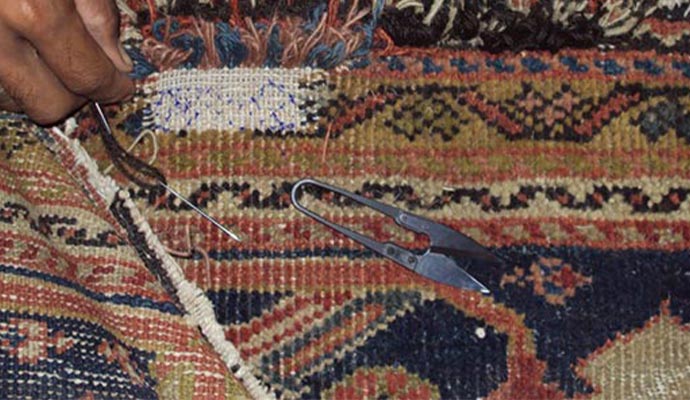
Step 3a: Preparing the Patch. Cut your patch to size, ensuring it fits neatly underneath the damaged area. If the edges of the patch are prone to fraying, you can fold them over or use a bit of fabric glue to secure them.
Step 3b: Securing the Patch. There are two main ways to secure the patch: using fabric adhesive or by sewing.
Using Fabric Adhesive: Apply a generous amount of strong fabric adhesive to the underside of the rug around the edges of the hole. Carefully place the patch onto the adhesive-covered area, pressing down firmly. You might need to weight it down with heavy books or objects while it dries to ensure a secure bond. This method is relatively quick and effective, especially for thicker pile rugs where sewing might be more challenging.
Sewing the Patch: For a more durable and integrated repair, sewing the patch is recommended. Carefully place the patch underneath the hole, aligning it as best you can. Using a strong needle and upholstery thread, begin to stitch the patch to the backing of the rug. Use small, sturdy stitches, working your way around the perimeter of the patch. Once the patch is securely attached to the backing, you can then begin to stitch the edges of the carpet pile over the patch, effectively hiding it. This takes a bit more time and skill but results in a very strong and often invisible repair.
Step 4: The Finishing Touches. Once your patch is secured and any adhesive has dried, it’s time for the final flourish. Gently brush and tease the surrounding carpet fibers over the repaired area. If you’ve used a patch, try to blend the existing pile with the new material. Sometimes, a very light application of carpet spray in a matching color can help camouflage minor discrepancies. This is where your artistic flair comes into play. It’s the final act of transformation!
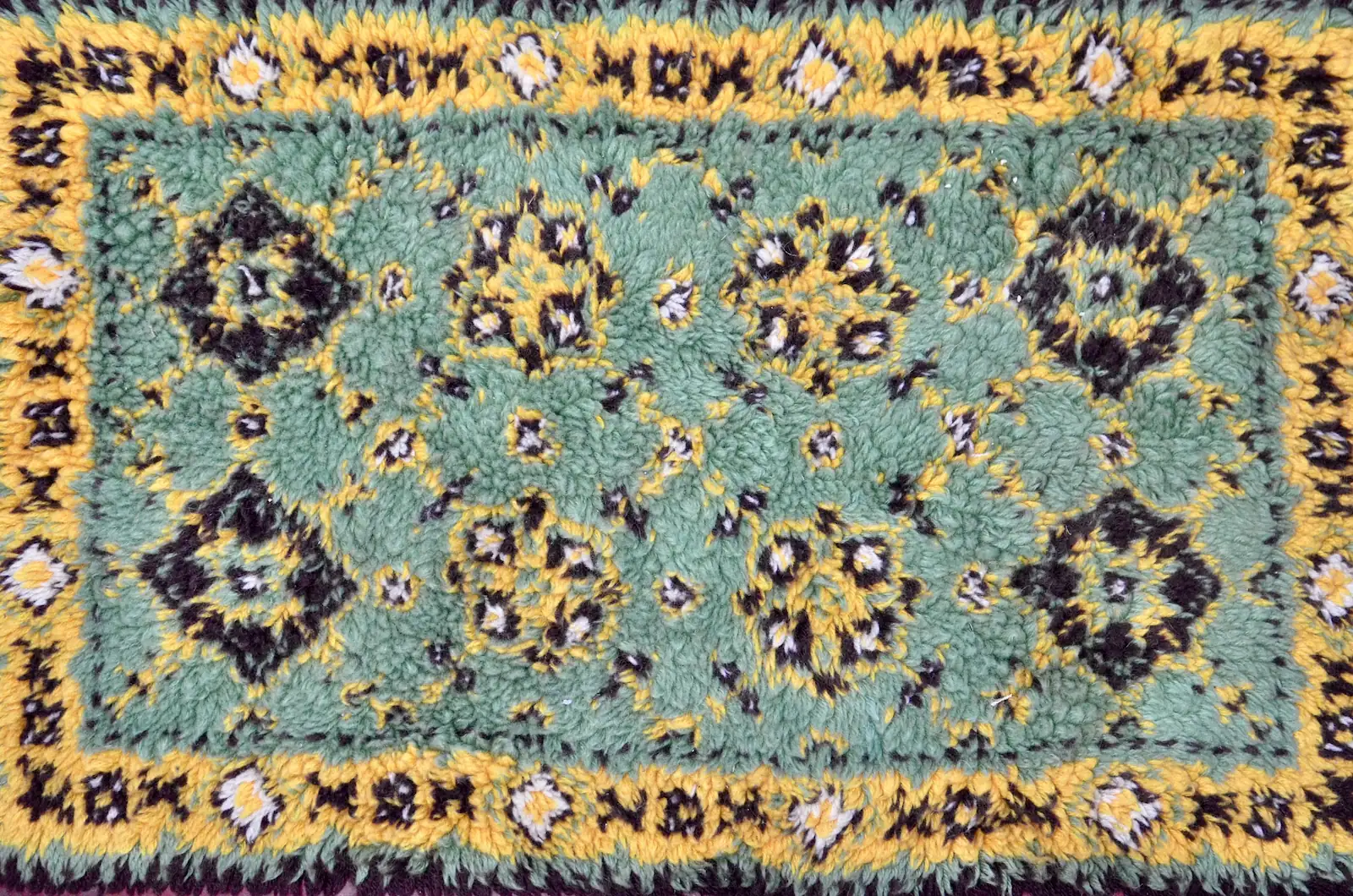
A Fun Little Fact: Did you know that the oldest known surviving rug is the Pazyryk carpet, discovered in Siberia and dating back to the 5th century BC? It’s a testament to the incredible durability and artistry of early rug making! Imagine the stories that rug could tell, and the repairs it has likely endured!
When to Call in the Cavalry
While most rug holes can be tackled with a DIY approach, there are times when it’s best to seek professional help. If your rug is an antique or has significant sentimental value, it might be worth consulting a professional rug cleaner or restorer. They have specialized tools, techniques, and knowledge that can preserve the integrity and beauty of your precious floor covering.
Also, if the hole is extremely large, has caused significant damage to the rug’s backing, or if the rug is made of a very delicate or unique material, a professional can offer the best solution. Don't be afraid to ask for an assessment; it's better to be safe than sorry when it comes to valuable pieces.
The Reward: A Home Restored
There's a deep satisfaction that comes from mending something that's broken, isn't there? It’s a small victory that echoes throughout your home. That repaired rug, once a source of annoyance, is now a testament to your resourcefulness and care. It’s a quiet reminder that even in the face of minor damage, we have the power to restore and renew.
This simple act of repair mirrors so much of our daily lives. We mend relationships, fix broken toys for our kids, or patch up our own metaphorical "holes" with self-care and resilience. It’s about embracing the imperfections, learning new skills, and finding joy in the process of making things whole again. So, the next time your rug suffers a casualty, don't despair. See it as an opportunity to get a little crafty, connect with your home on a deeper level, and add another chapter to the story of your well-loved living space. And who knows, you might just discover a hidden talent for rug whispering!