
How To Fit Hinges To A Door
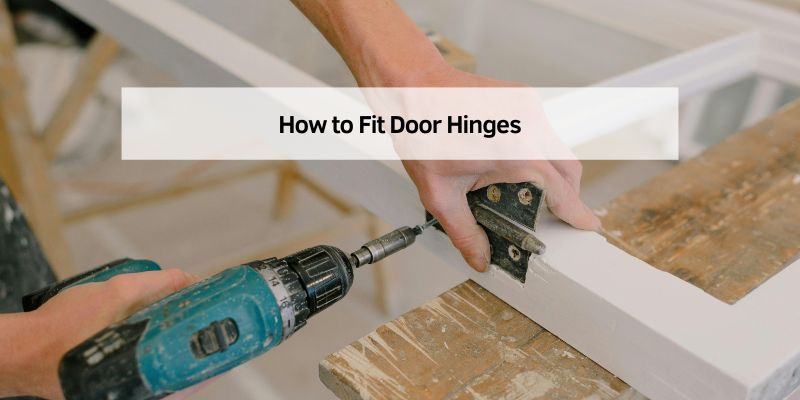
Alright, let's talk hinges! Sounds a bit… squeaky, right? But honestly, people, there's a secret joy to be found in the humble door hinge. Think about it. This little metal contraption is basically the unsung hero of your home. It’s the reason you can sneak into the kitchen for a midnight snack without waking the whole house. It’s the silent guardian of your privacy. And guess what? You can actually put them on yourself. Pretty cool, huh?
Now, before you picture yourself wrestling with a stubborn slab of wood and a toolbox full of mystery bits, let's take a breath. Fitting hinges isn't rocket surgery. It’s more like… furniture assembly, but with more swinging involved. And the satisfaction? Oh, the satisfaction of a door that swings open and shut like a dream. It’s practically a superpower.
Ever notice how some doors just… groan? Or maybe they sag a bit, like they’ve had a long day. That’s often a hinge issue. And fixing it? Well, that's where the fun begins. It’s a chance to become the superhero of your own doorway. So, grab your courage, a cuppa, and let’s dive in.
Must Read
Why Hinges Are More Exciting Than You Think
Seriously, think about the history! Hinges have been around for ages. We're talking ancient Egyptians were probably fiddling with them. Imagine Cleopatra, trying to get her palace doors to open just right. Probably had a whole team of royal hinge adjusters. Now, you're part of that legacy! You’re joining a millennia-old tradition of door-opening innovation.
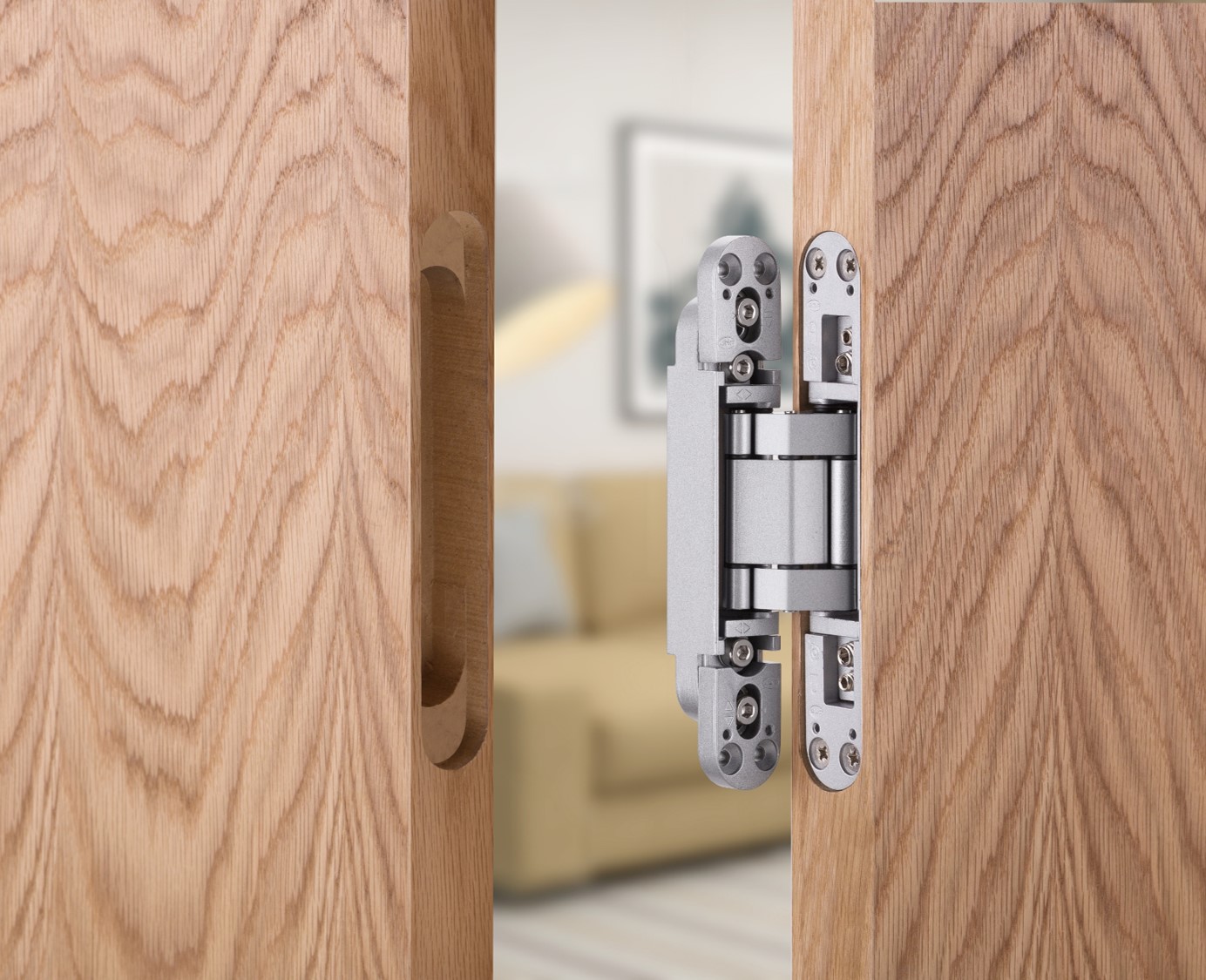
And the variety! There are so many kinds of hinges. You’ve got your standard butt hinges, sleek and straightforward. Then there are these fancy decorative ones that look like something out of a fairytale castle. Ever seen a pivot hinge? They make doors look like they’re floating. It’s pure magic, people.
But for us regular folk, the most common heroes are the butt hinges. They’re the workhorses. And learning to fit them is like learning to tie your shoelaces, but way more impactful. A well-fitted hinge means a happy door. A happy door means a happy you. It’s a simple equation, really.
Gather Your Trusty Sidekicks (Tools!)
Before we get our hands dirty, let’s make sure we have our trusty sidekicks. No hero goes into battle unarmed, right?
- A Pencil: For marking. Your future self will thank you.
- A Measuring Tape: Precision is key, my friend.
- A Screwdriver: Usually a Phillips head, but have a flathead handy just in case. These are your trusty swords.
- A Spirit Level: To make sure your door isn't having a permanent lean.
- A Chisel: This is your precision sculptor. Don't be scared!
- A Hammer: For gentle persuasion.
- The Hinges: Obviously! Make sure you have the right size and type.
- Screws: They usually come with the hinges, but it's good to have a few extras.
And maybe a cold drink. Because celebrating small victories is important.
The Doorway Dance: Preparation Station
Okay, deep breaths. We're going to prepare the stage. First, you need to decide where your hinges are going. Usually, there are three. One at the top, one in the middle, and one near the bottom. This gives your door stability and prevents it from doing any unwanted interpretive dance moves.
Now, here’s a quirky fact: the hinge knuckles (those round bits) are what allow the door to swing. It's like a tiny, metallic joint. Fascinating, if you’re into that sort of thing. And it's crucial that these knuckles align perfectly, or your door will be doing a wonky shuffle.
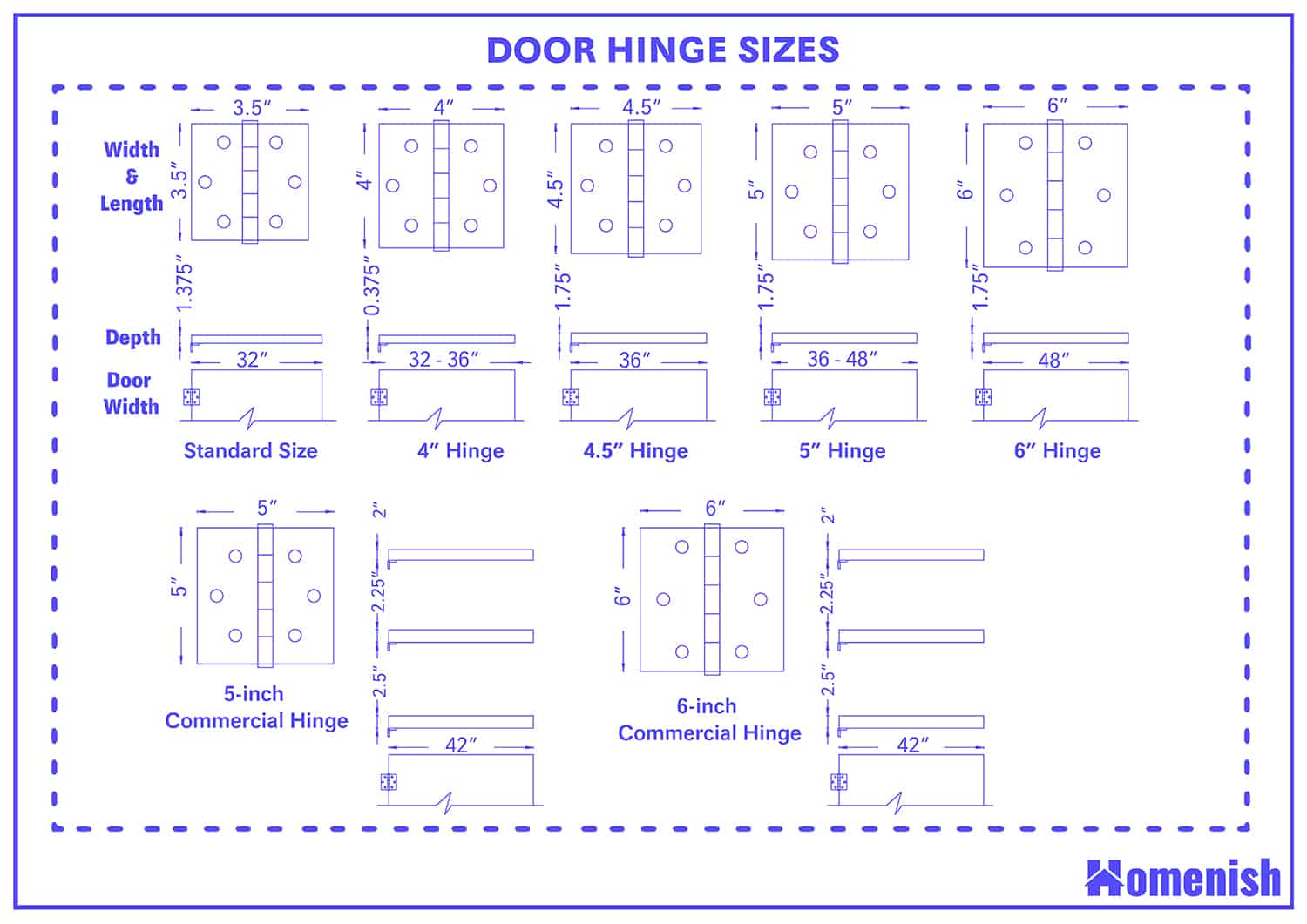
You’ll be marking out where the hinge leaves (the flat bits) sit. One part goes on the door, and the other goes on the door frame. This is where your pencil and measuring tape become your best friends. Measure twice, cut once. It’s a mantra that will save you tears and possibly a trip to the hardware store.
Creating a Cozy Home for Your Hinges
This is where the chisel comes in. You’re not just screwing a hinge on; you're carving out a perfect little bed for it. Think of it as giving your hinge a spa treatment. You want the hinge leaf to sit flush with the wood. No proud bits sticking out, making your door bulge like it’s eaten too much.
You'll typically scribe the outline of the hinge leaf onto the wood. Then, using your chisel, you’ll carefully remove small amounts of wood until the hinge sits perfectly. This is where patience is your superpower. Go slow. Little by little. You can always take more wood away, but you can't put it back!
The trick is to make the cut shallow enough that the hinge is flush, but deep enough that the screw heads won’t stick out and snag on anything. It’s a delicate balance, like walking a tightrope… but with wood and metal.
The Grand Entrance: Attaching the Hinges
Once you've created those cozy little nooks, it's time to introduce the hinges to their new homes. Place the hinge leaf into the carved-out area. Make sure it’s sitting nice and snug.
Now, the screws. You’ll likely pre-drill pilot holes. This is super important. It makes screwing easier and prevents the wood from splitting. Think of pilot holes as little welcome mats for your screws. They make them feel at home.
Screw in the screws, but don’t tighten them all the way just yet. You want a little wiggle room. This is where the spirit level comes in. Hold your door up to the frame and use the spirit level to ensure it's hanging straight. Adjust the hinges as needed.
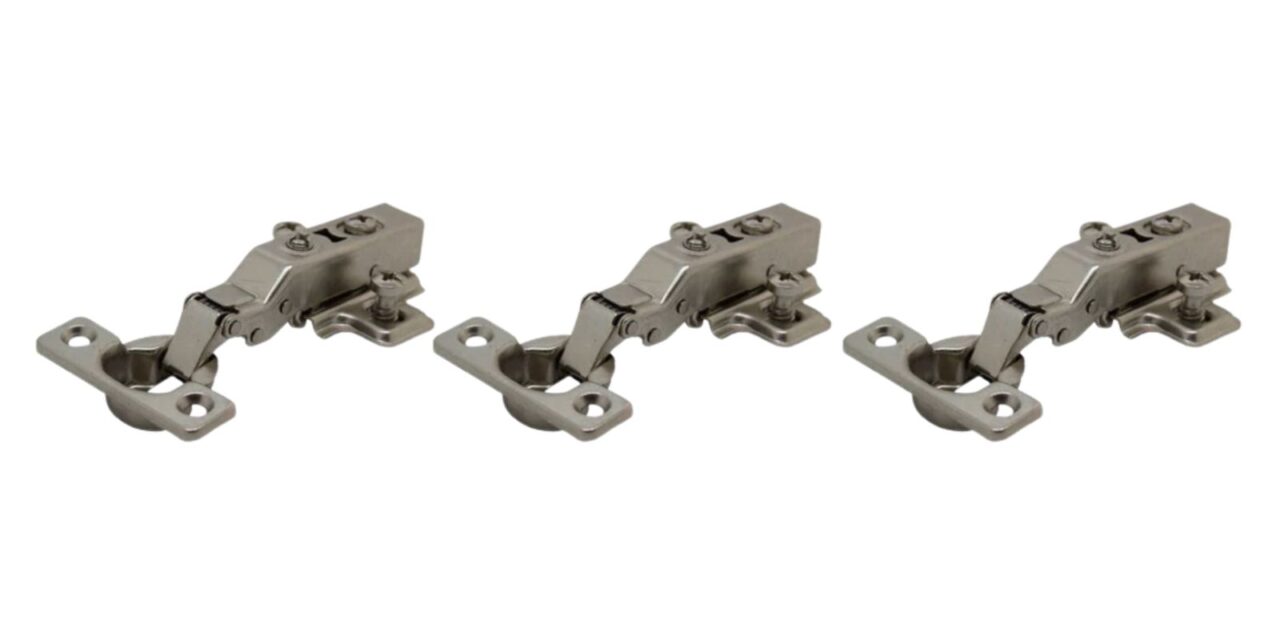
Once you're happy with the alignment, then you can tighten those screws all the way. But be firm, not brutal. We’re not trying to win a wrestling match here.
The Moment of Truth: The Swing Test
This is it! The climax! Gently swing the door. Does it move smoothly? Does it close without a fuss? Does it not sound like a haunted house? If you answered yes to all of those, congratulations, you magnificent hinge-fitting human!
If it’s a bit stiff, a tiny bit of oil might do the trick. If it’s still a bit wonky, don’t despair. You might need to do some minor adjustments. Maybe a hinge needs to be seated a little deeper, or a screw needs a slight turn. It’s all part of the learning process. And hey, even if it’s not perfect, it’s probably better than it was before, right?
The best part is the quiet hum of a well-functioning door. It’s a subtle victory, but a victory nonetheless. You’ve tamed the wild door. You’ve brought order to the entryway. And you did it with your own two hands. Now, go forth and swing with pride!

