How To Find My Blood Type Uk
Ever found yourself idly wondering, "What's my blood type?" It's a question that pops up more often than you might think, from casual conversations to medical forms. While it might seem like a bit of a personal detail, knowing your blood type in the UK is actually quite interesting and, more importantly, incredibly useful. Think of it as a little bit of biological detective work about yourself, with some pretty significant real-world implications!
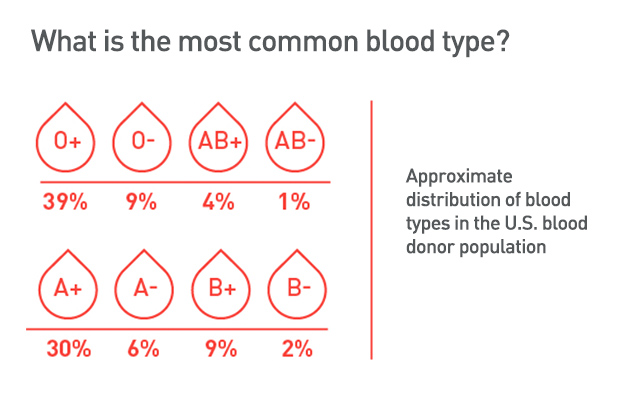
So, what's the big deal about blood types? Primarily, it's all about the antigens present on the surface of your red blood cells. The most common system we talk about is the ABO system (A, B, AB, and O) and the Rh factor (positive or negative). These combinations – like A positive, O negative, or AB positive – determine compatibility between different blood types. This is absolutely critical in a few key areas.
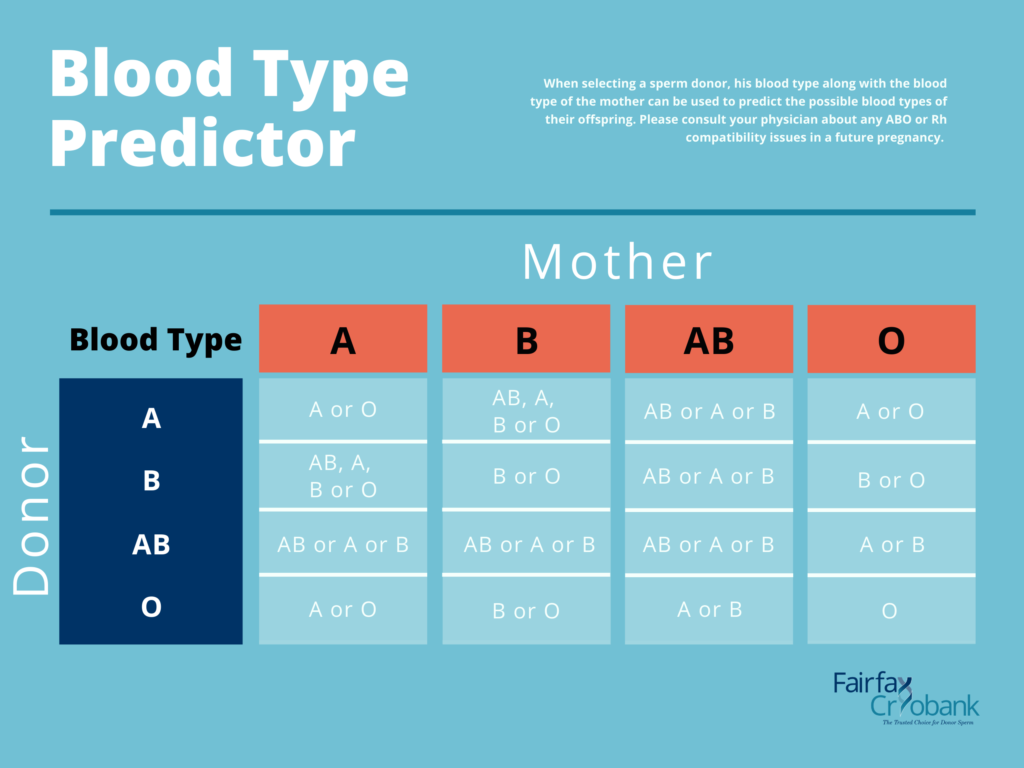
The most obvious and perhaps most vital purpose of knowing your blood type is for blood transfusions. If you ever need a blood transfusion, doctors need to ensure they receive blood that is compatible with yours. Giving someone the wrong blood type can lead to a serious, even life-threatening, reaction. It's a stark reminder of how precisely our bodies work! Beyond transfusions, understanding your blood type is also important during pregnancy, especially if there's an Rh factor incompatibility between the mother and baby. This knowledge allows healthcare professionals to take necessary preventative measures.
Must Read
On a more educational and even slightly fun note, blood types have been linked to some interesting theories, though it’s important to remember these are not scientifically proven to dictate personality. For instance, in some cultures, there's a belief that your blood type might influence certain personality traits. While this is largely folklore, it can be a lighthearted conversation starter or a fun element in educational settings when discussing genetics and human variation. In everyday life, it might come up when donating blood, registering as an organ donor, or even just when filling out that ever-present medical history form!

Now, how can you actually find out your blood type here in the UK? The most straightforward way is often through your GP (General Practitioner). If you've had blood tests done in the past for any medical reason, your blood type might already be recorded in your medical notes. You can simply ask your doctor or practice nurse to check this for you. Another common method is when you donate blood. The National Blood Service (NHS Blood and Transplant) tests every donation, and they will usually inform you of your blood type. This is a fantastic way to contribute to saving lives and learn something personal about yourself!
For those who are particularly curious or want to explore this further without a direct medical need, there are also private blood typing kits available online. These kits involve a simple finger prick test and can be sent away for analysis. While this is a convenient option, it's always a good idea to discuss any results with a healthcare professional, especially if you have any underlying health concerns. So, dive in, be curious, and discover a fascinating piece of your own biological puzzle!