
How To Find A Volume Of Cuboid
Who doesn't love a good mystery? Or perhaps, a touch of organized chaos that magically turns into something perfectly understandable? That's the delightful world of geometry, and today, we're diving headfirst into one of its most fundamental and surprisingly useful puzzles: figuring out the volume of a cuboid. You might be thinking, "Volume? Of a box? Why should I care?" Well, my friends, let me tell you, understanding this seemingly simple concept unlocks a world of practical magic in your everyday life, from packing suitcases to planning that dream bookshelf!
The purpose of finding the volume of a cuboid is essentially to quantify the space it occupies. Think of it as the cuboid's "fullness" capacity. This isn't just for dusty math textbooks; it's for the savvy organizer, the budget-conscious shopper, and the ambitious DIYer. Need to know if that new flat-pack furniture will actually fit through your doorway? Volume is your answer. Wondering how much soil you'll need for that rectangular garden bed? Yep, volume. Even figuring out how much pizza you can realistically order for a party hinges on this very principle!
We encounter cuboids everywhere, often without even realizing it. Your refrigerator? A cuboid. A brick? A cuboid. A standard shipping box? You guessed it, a cuboid. So, when you're at the grocery store trying to decide between two boxes of cereal that look similar in size but have different dimensions listed, knowing how to calculate their volume can tell you which one offers more cereal for your buck. Or imagine you're an artist. If you're sculpting with clay, understanding the volume of your material helps you plan your project and avoid running out halfway through!
Must Read
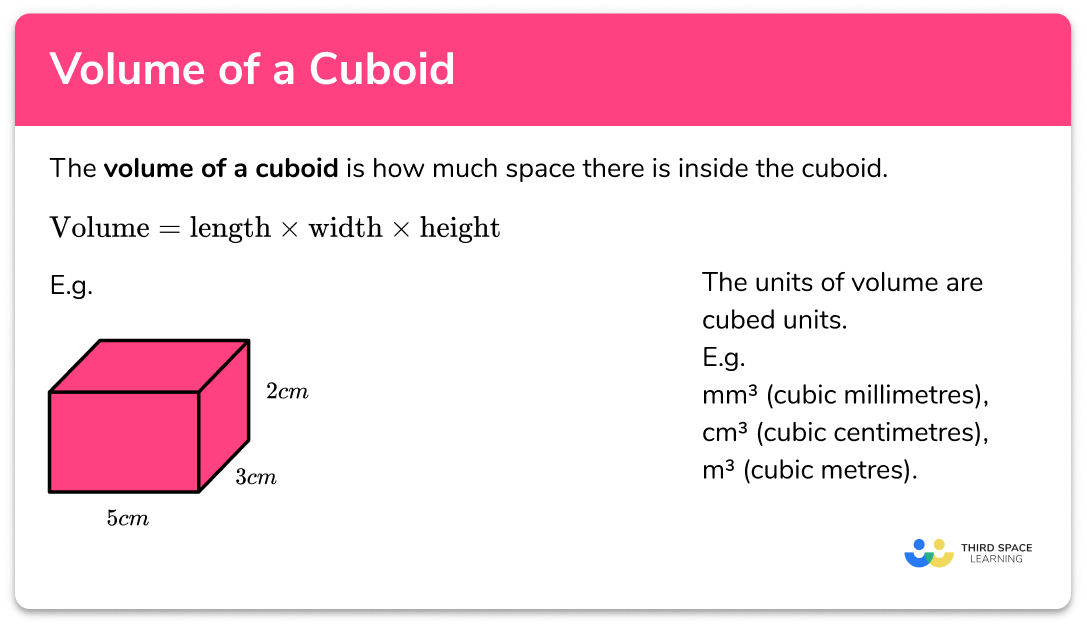
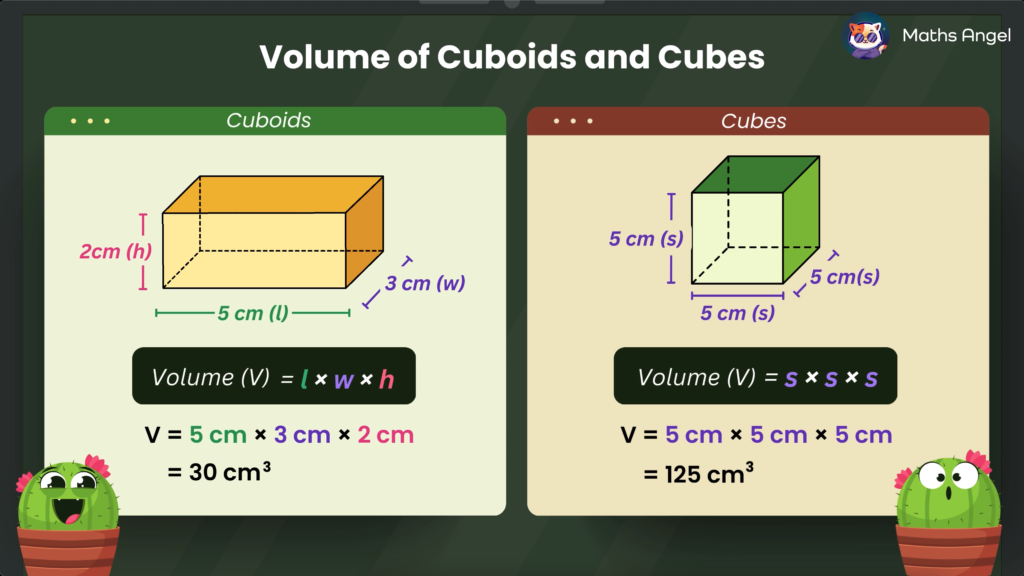
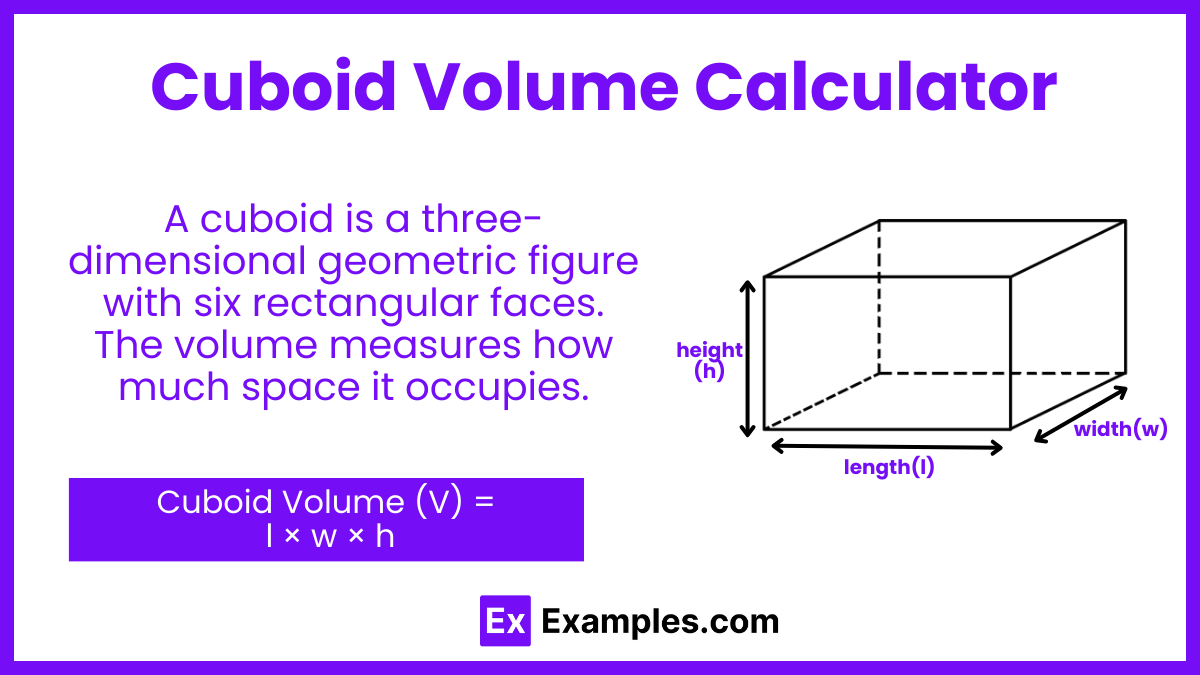
So, how do we crack this geometrical nut? It's wonderfully straightforward! A cuboid has three key dimensions: its length, its width, and its height. To find the volume, you simply multiply these three numbers together. That's it!
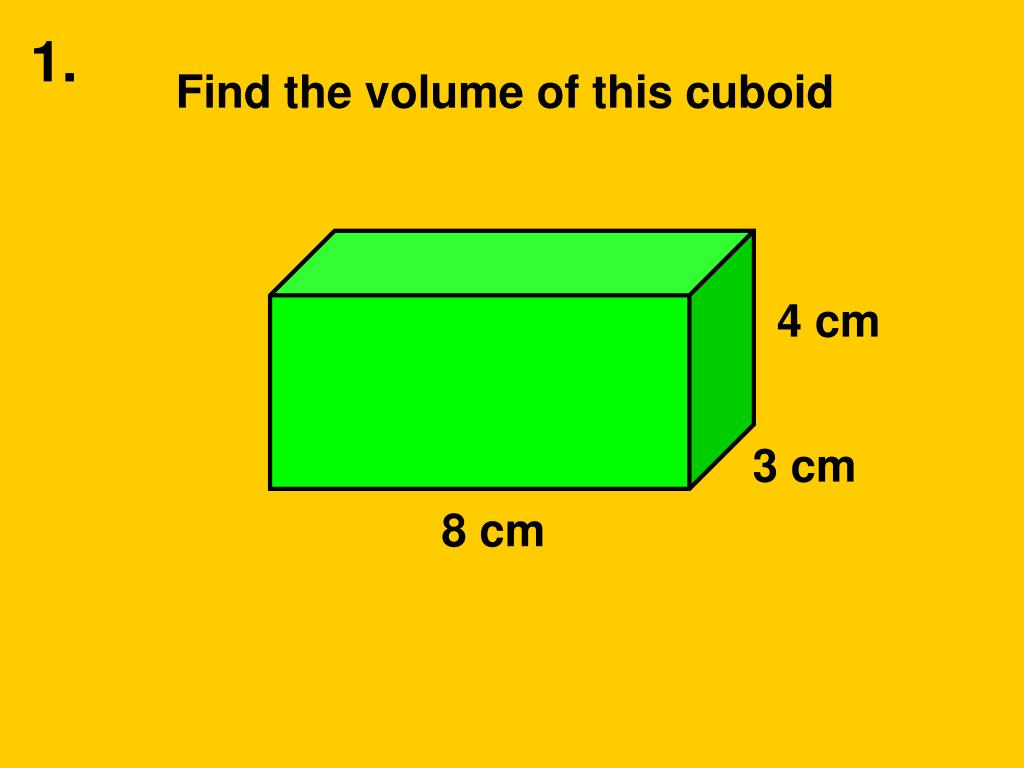
Volume = Length × Width × Height
Let's say you have a box that is 10 centimeters long, 5 centimeters wide, and 3 centimeters high. Its volume would be 10 cm × 5 cm × 3 cm = 150 cubic centimeters. Easy peasy!
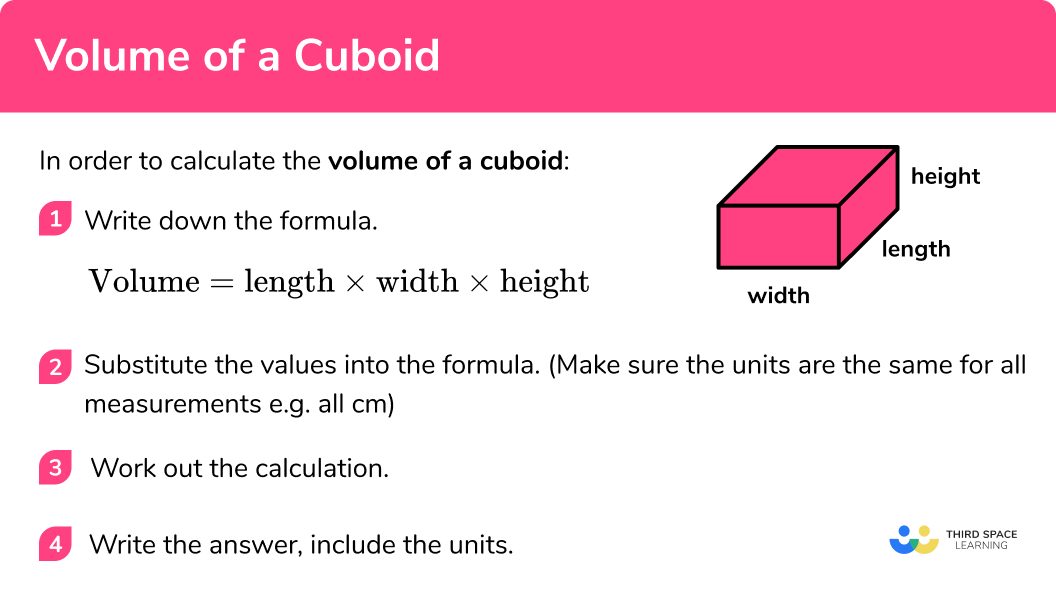
To make finding the volume of a cuboid even more enjoyable, here are a few tips. Firstly, visualize. Grab an actual box – a cereal box, a shoebox – and label its sides. This hands-on approach makes the abstract concept tangible. Secondly, practice with real-world examples. Measure the dimensions of items around your house and calculate their volumes. It’s a fun way to turn chores into a learning experience. Thirdly, remember the units! If you measure in centimeters, your volume will be in cubic centimeters. If you use inches, you'll get cubic inches. Consistency is key!
And finally, don't be afraid to use online calculators or apps once you understand the principle. They can be great for quick checks or for more complex shapes. But mastering the basic formula for a cuboid is a foundational skill that empowers you to understand and interact with the three-dimensional world around you in a more informed and creative way. So go forth, measure, calculate, and discover the hidden volumes in your everyday life!

.png)