How To Find A Grave At A Cemetery

So, you've decided it's time for a little graveyard adventure. Maybe you're looking for a long-lost relative, or perhaps you're just curious about the stories whispered by the stones. Whatever your reason, let's talk about finding a grave.
It's not quite like finding a good parking spot at the mall. Cemeteries are vast. They are quiet. They are, dare I say, a bit of a maze.
Our first step is often a bit of homework. Think of it like being a detective, but your case files are old church records and faded family trees. You're hunting for clues!
Must Read
You'll want to know the name of the dearly departed, of course. This is usually the starting point. Don't just have a vague idea. Be specific. Knowing their full name is like having the secret password.
Next up, the location. This is where things can get tricky. Did they have a favorite cemetery? Was there a family plot passed down through generations?
Sometimes, your ancestors were creatures of habit. They might have all ended up in the same place. This is a good thing. It means less wandering for you.
Other times, well, they were a bit more adventurous. Or perhaps their descendants moved around. The possibilities are endless, and so are the potential cemeteries.
If you're lucky, you might have a family member who remembers. An older aunt or uncle might recall Uncle Bob being buried "over by the big oak tree." Cherish these memories! They are gold.
If family lore is silent, it’s time for the internet. Websites dedicated to genealogy are your new best friend. Sites like Find A Grave are practically a treasure map.
You can search by name, by cemetery, and sometimes even by the approximate date of death. It’s like a virtual graveyard tour before the actual one.
Remember to check multiple sources. Sometimes information can be a little… fuzzy. Like an old photograph. One site might have it one way, another slightly different.
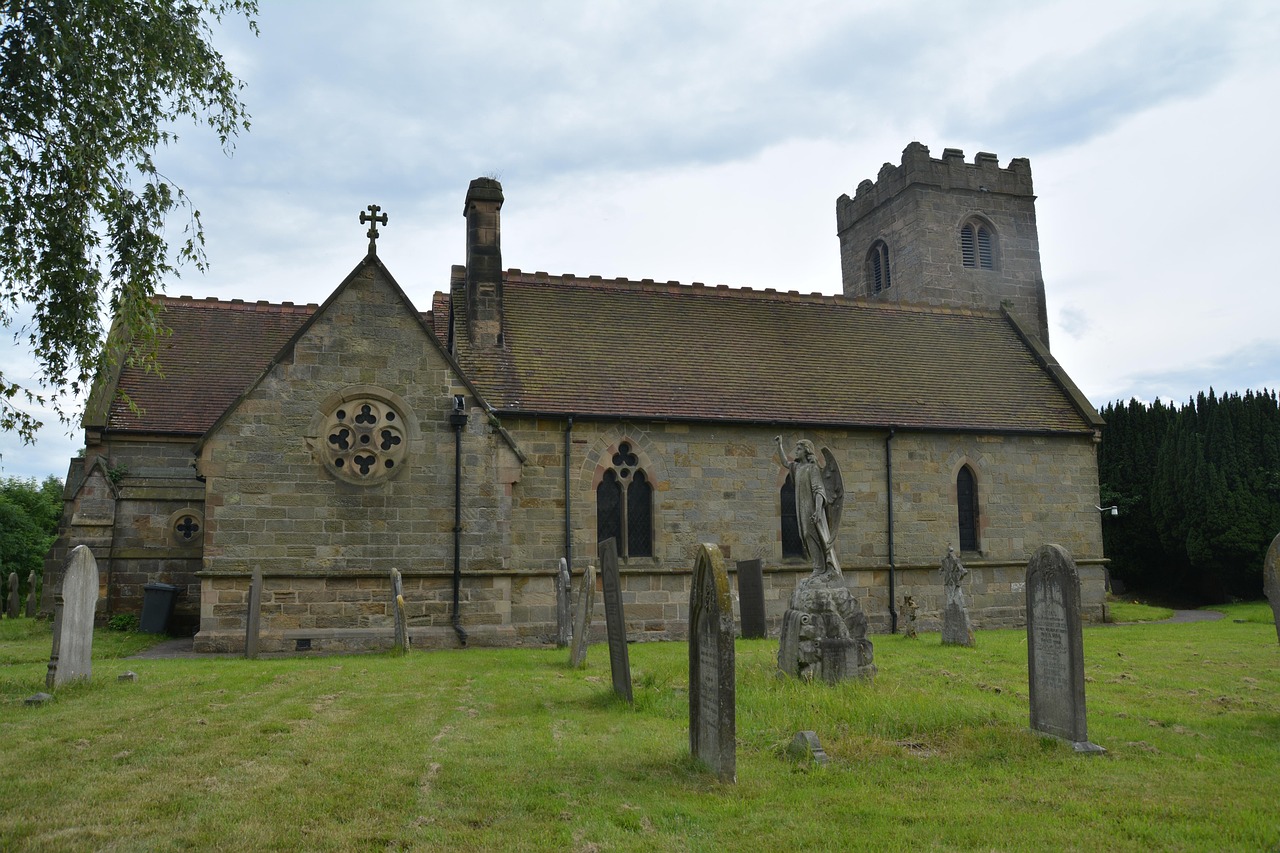
Once you have a likely cemetery, it’s time to visit. Dress comfortably. You’ll be doing some walking. And maybe some light bushwhacking, depending on the cemetery's upkeep.
Cemeteries come in all shapes and sizes. Some are meticulously manicured. Others are a bit more… wild.
The first thing you'll want to do is find the cemetery office. If there is one. Some older cemeteries are managed by volunteer groups. Others are just… there.
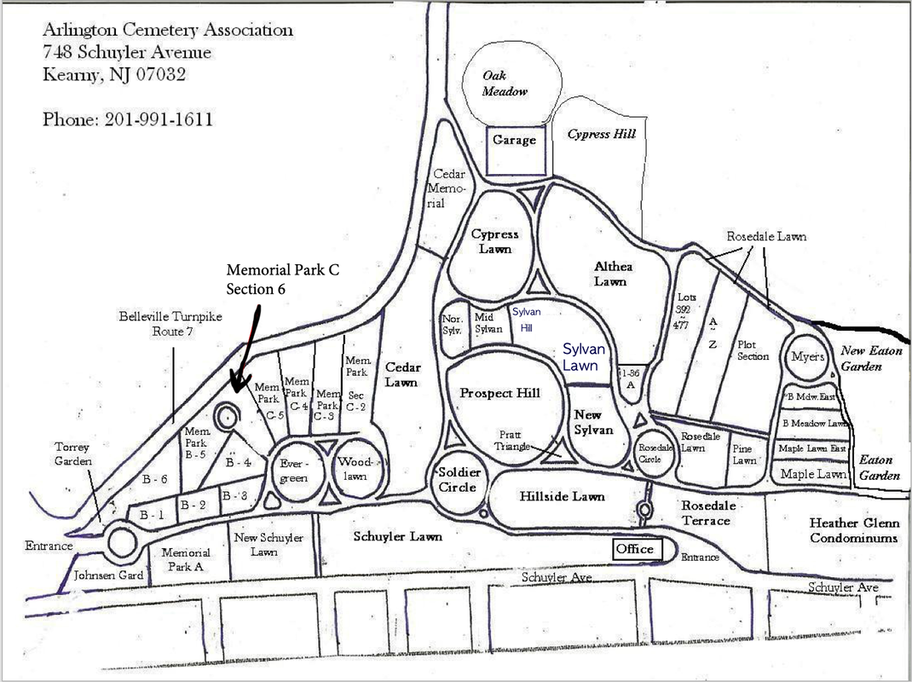
If there's an office, they often have maps. These maps are your sacred text. They are your guide through the land of the eternal rest.
A good cemetery map will show you sections. It will have lot numbers. It might even have names. It’s a beautiful thing.
Take a photo of the map. Or sketch it out. Don’t rely on your memory. Your memory is probably already busy trying to recall where you left your keys.
Armed with your map and your detective hat, you can now enter the cemetery proper. Take a deep breath. It’s peaceful here. Mostly.
Look for section markers. These are usually posts or signs at the beginning of each section. They correspond to your map.

Now, you'll need to find your specific lot. This is where the numbers come in. They are often carved into the sides of headstones or on separate markers.
This can be the most time-consuming part. Sections can be large. Lots can be hidden behind overgrown bushes. Or they can be entirely covered by a particularly enthusiastic patch of ivy.
Don't be afraid to look closely. Sometimes the lot markers are small. Or weathered. They might be at ground level.
If you have a specific relative’s name and you know their approximate burial area, you can also just start walking. Keep your eyes peeled for their surname on the headstones.
This is more of a visual search. It’s a treasure hunt with a rather solemn prize.
Think of it as a slow-motion, high-stakes game of ‘Where's Waldo?’ but instead of Waldo, you're looking for Great Aunt Mildred.
Be patient. This is not a race. The occupants aren’t going anywhere, after all.
If you’re really stuck, and the map is confusing, and the names are all running together, don’t despair.

You can ask for help. Cemetery staff, if available, are often very knowledgeable. They’ve seen it all. They know these grounds like the back of their hand.
Some cemeteries even have online databases you can access on your phone. This can be a lifesaver.
What if there’s no office? What if there are no maps? This is when things get truly adventurous.
You’ll have to rely more on your observation skills. And perhaps a bit of luck.
Walk through the sections methodically. Look for older stones. Look for family plots, which are often marked by larger monuments or fences.
If you have the date of death, you can sometimes estimate where someone might be. Older burials are often in older sections.
But be warned: cemeteries can be reorganized. Paths can be moved. And nature has a way of reclaiming things.
It’s also worth noting that not everyone has a headstone. Some people are buried in unmarked graves. This is a sad reality for many.
If you suspect an unmarked grave, it’s an even more delicate situation. Cemetery records or historical society archives might be your only hope.
Remember to be respectful. You are in a place of quiet reflection for many. Keep your voice down. Avoid walking on graves.
And while we’re talking about it, maybe bring a small offering. A flower. A small token. It’s a nice gesture.
Sometimes, you’ll find the grave right away. It’s smooth sailing. You’ll feel like a graveyard ninja.
Other times, you might search for hours and come up empty. This is also part of the experience.
Maybe you’ll discover a new relative you never knew. Or maybe you’ll just get some fresh air and a good walk.
The quest for a grave is not always about the destination. It’s about the journey. And the stories you uncover along the way.
So, go forth. Be brave. And may your grave-finding adventures be filled with more smiles than stumbles.