How To Figure Out My Ring Size

Let's be honest. Measuring your ring size can feel like a covert operation. You're trying to be stealthy, subtle, and totally un-suspicious. Especially if it's for a surprise. The stakes are high! A ring that's too big is a runaway. A ring that's too small is a sad, stuck situation.
We've all been there. Staring at a finger, wondering, "Is this a size 6 or a size 7?" It's a mystery worthy of a detective novel. Except the only clue is your own digit.
My unpopular opinion? The best way to figure out your ring size is often the most straightforward. Forget the complicated charts and the confusing calipers for a moment. Let's embrace a little bit of old-fashioned common sense. And maybe a dash of playful desperation.
Must Read
The "Borrow and Compare" Tactic
This is my go-to strategy. It’s simple and surprisingly effective. Do you have a friend or family member who wears rings? Preferably on the same finger you're eyeing for your future bling?
Sneakily (or not so sneakily, depending on your accomplice's level of suspicion) try on one of their rings. Does it fit your target finger? If it slides on smoothly, not too tight and not too loose, you've got a ballpark! Write down the size. If they know the size, even better!
This method is fantastic because it leverages existing data. Someone else has already done the hard work of finding a ring that fits them. Now you just need to see if your finger is a similar diameter. It's like a fingerprint, but for jewelry.
Of course, there’s a caveat. Fingers aren't always the same size. Your left ring finger might be a tad different from your right. And your knuckle can be a whole other adventure.
"The knuckle is the gatekeeper of the ring!"
So, if the borrowed ring gets stuck at the knuckle, that’s important intel. It means you'll need a slightly larger size. Don't force it! You don't want to explain that anecdote to a jeweler.
The "String Theory" (But Less Complicated)
Okay, so borrowing isn't an option. Or maybe your friends have tiny or enormous fingers. Fear not, we have other methods! The string method is a classic. It’s a bit more DIY.
Grab a piece of string, a ribbon, or even a thin strip of paper. Make sure it’s not too stretchy. You don't want any misleading elasticity giving you false hope.
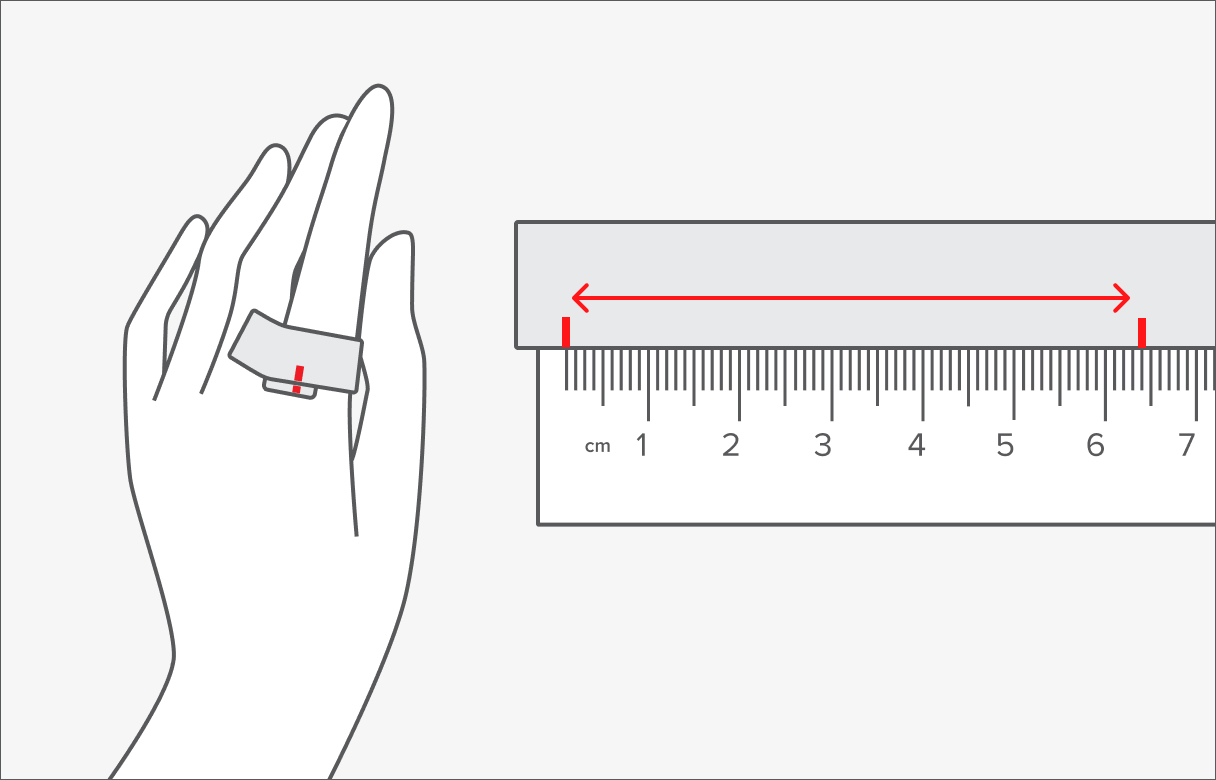
Wrap it around the base of your finger. Where the end meets the beginning, make a little mark. Or cut it. Just know where that measurement is.
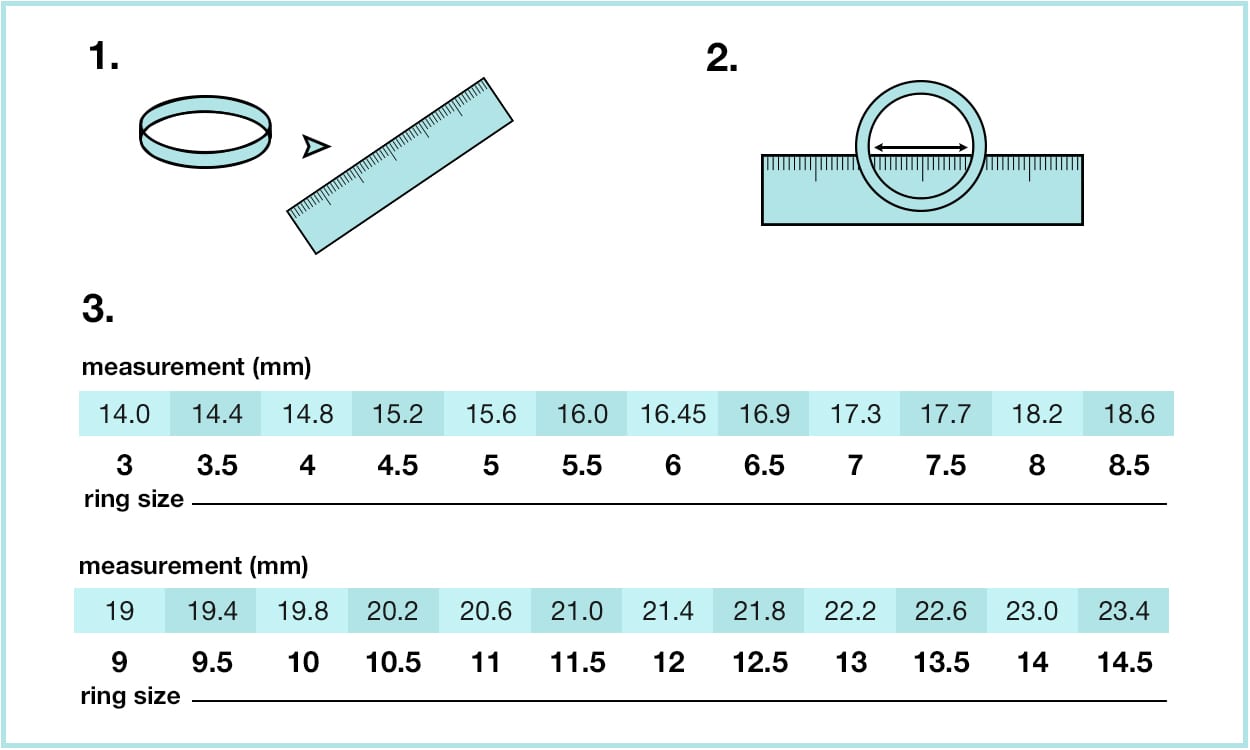
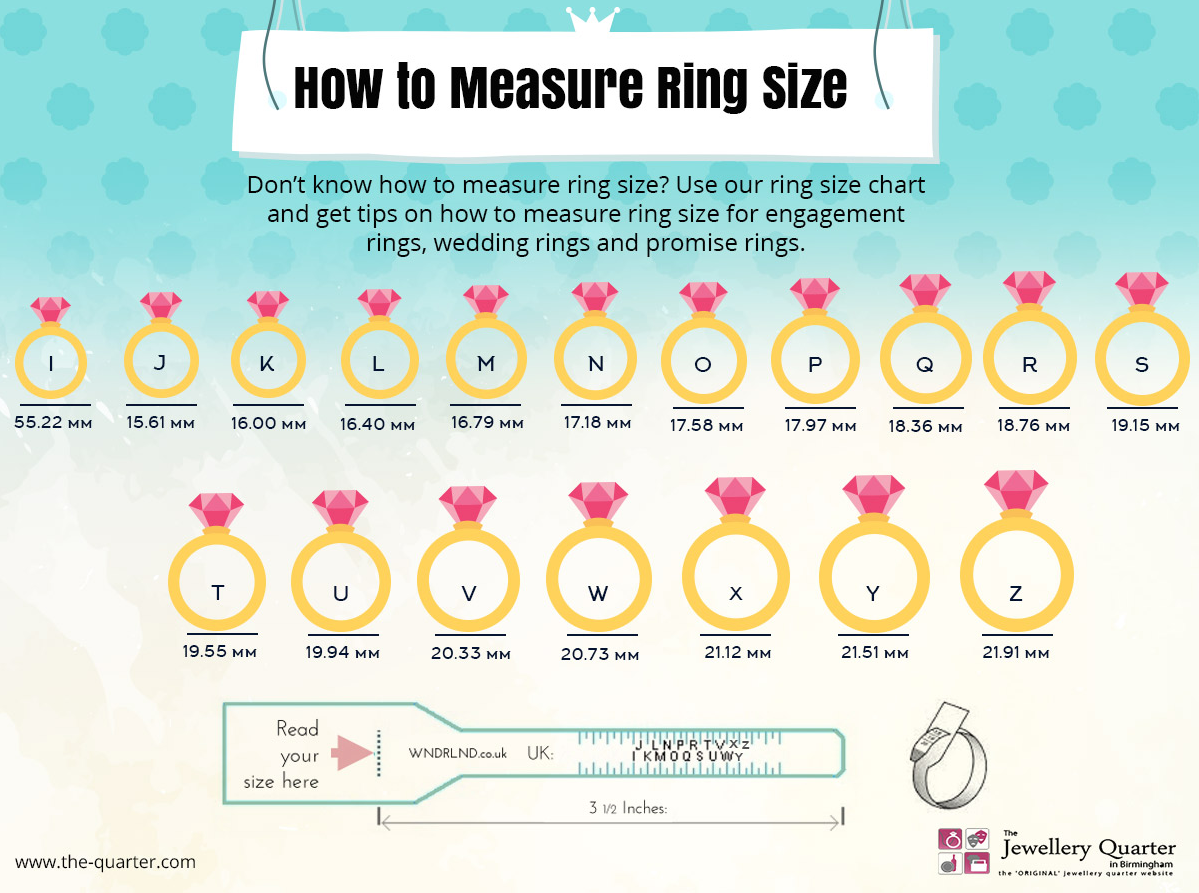
Now, here’s the slightly less fun part. You need to compare that length to something. A ruler is your best friend here. Measure the length of the string. This measurement, in millimeters, is your approximate circumference.
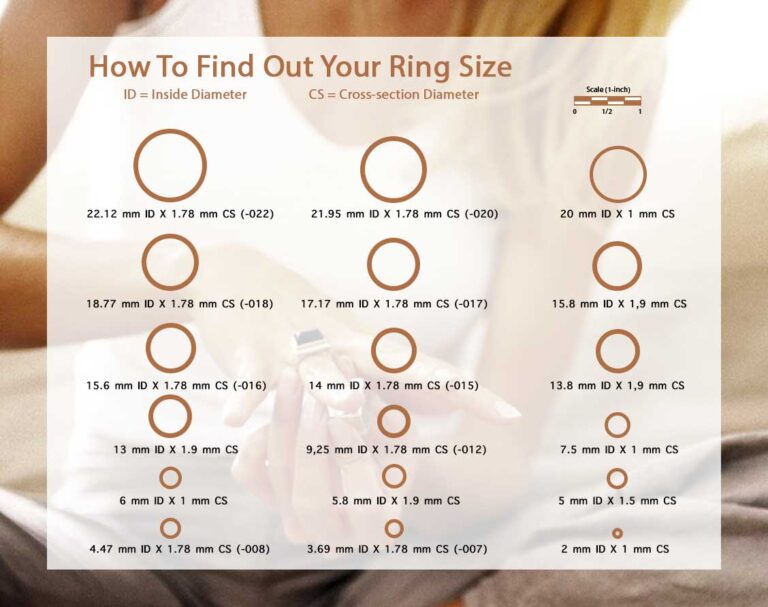
This is where the "unpopular opinion" part really kicks in. Most people then frantically search for a ring size chart online. They stare at their string, then the chart, and then their finger, with a look of deep contemplation.
My advice? Take that string to a jewelry store. Just walk in, casually, and say, "Hi, I have this string, and I think it's this big around my finger. Can you tell me what size that is?" They do this all day, every day. They have special little ring sizers. It’s their job!
They can instantly tell you if your string measurement translates to a 6, a 7, or a mysterious 6.5. It saves you the headache of deciphering those cryptic charts. And it feels much more official.
The "Slightly Too Tight Pen" Technique
This one is for the truly adventurous. And the brave. It's a bit of a bluff, a feeler, a reconnaissance mission. You need a pen.
Slide the pen onto your finger. Let it go down to the knuckle. Is it snug? Does it require a little wiggle to get it off? If it's just a bit tight, but not painfully so, you're onto something.
Now, here’s the tricky part. You need to remember that feeling. Or, better yet, you can try to replicate it with a ring sizer later.
This method is less about an exact measurement and more about a feeling. It’s the “Goldilocks” principle applied to finger accessories. Not too loose, not too tight. Just right.
The danger here is misinterpreting the feeling. Is it genuinely snug, or is your finger just a little warm from holding that pen? Or maybe you’ve just been gripping it too tightly?
"The phantom squeeze is the enemy of accurate sizing!"
This is why the jewelry store comparison is still my favorite. They can translate that "slightly too tight pen" feeling into a concrete number.
The "Ask the Jeweler" Philosophy (It's Not Cheating!)
Let's be perfectly clear. Going to a jeweler to get your finger sized is not a sign of weakness. It’s a sign of intelligence. And a desire for a well-fitting ring.
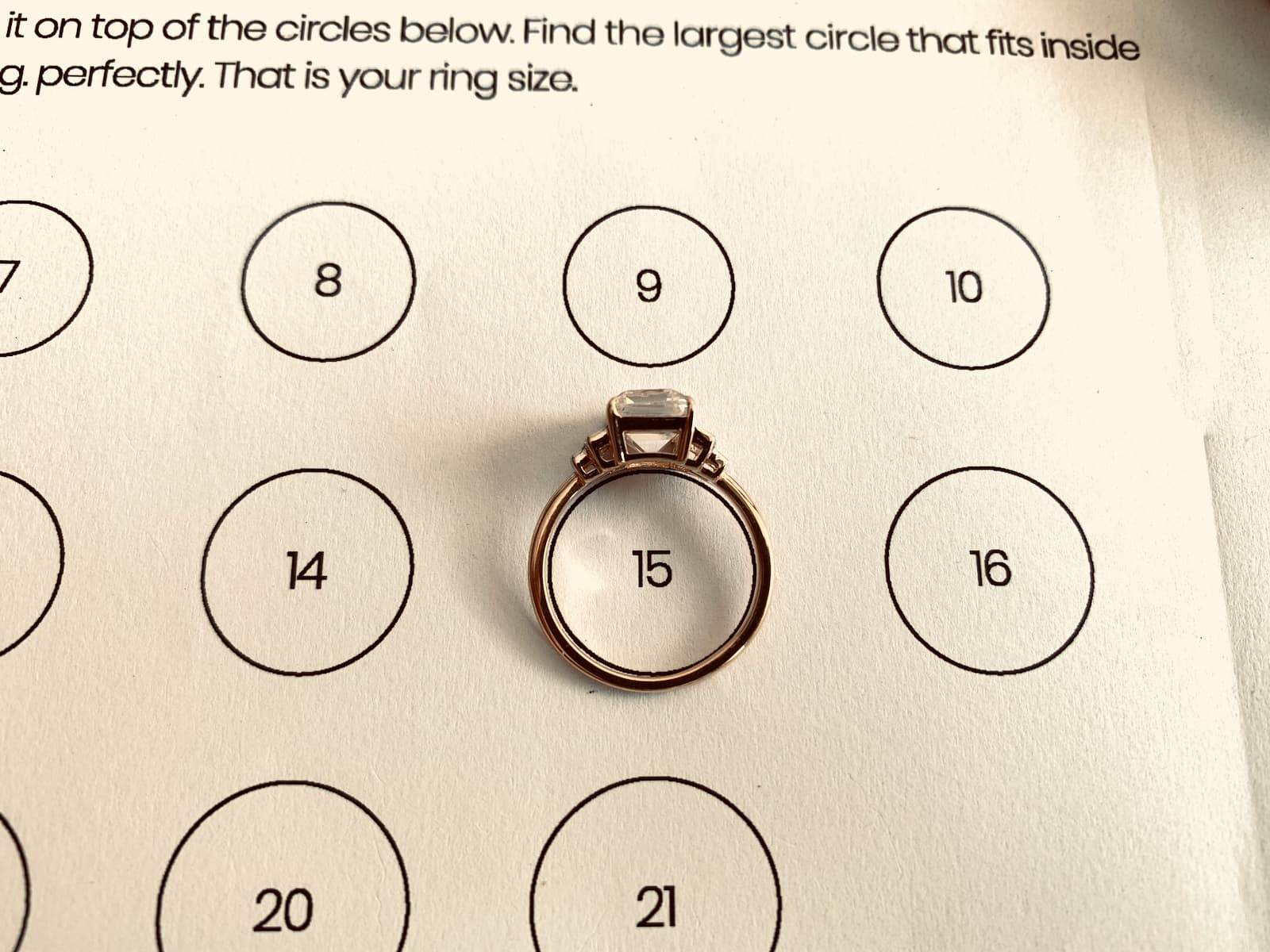
They have a collection of metal rings, all sorted by size. They are called ring sizers. They look like a bunch of tiny, stacked donuts.
You simply slide them onto your finger until you find the one that feels just right. Not too loose, not too tight. The jeweler will tell you the size. Boom. Done. Easy peasy.

This is the most accurate method. It eliminates guesswork. It removes the anxiety. It ensures you're not ordering a ring that will end up on your thumb (unless that's your intention, of course).
And the best part? Most jewelers are happy to do this for free. They want you to be happy with your purchase. They understand the importance of a perfect fit.
Things to Consider (Because Fingers Are Fickle)
Remember that your finger size can change. Your body temperature plays a role. Your finger might be slightly larger when you’re warm and smaller when you’re cold. So, try to measure when your hands are at a normal temperature.
Also, consider the width of the ring. A wider band will feel tighter than a slim band of the same size. If you're eyeing a chunky statement ring, you might want to go up a quarter or half size.
And don't forget the knuckle! If you have prominent knuckles, make sure the ring can get past them comfortably. This is where the "borrow and compare" method with a slightly thicker ring can be very insightful.
Ultimately, the most entertaining way to figure out your ring size involves a little bit of playful investigation. Whether you're borrowing from a friend, playing with string, or just strolling into a jewelry store with a confident swagger, the goal is the same: to find that perfect fit. Happy sizing!