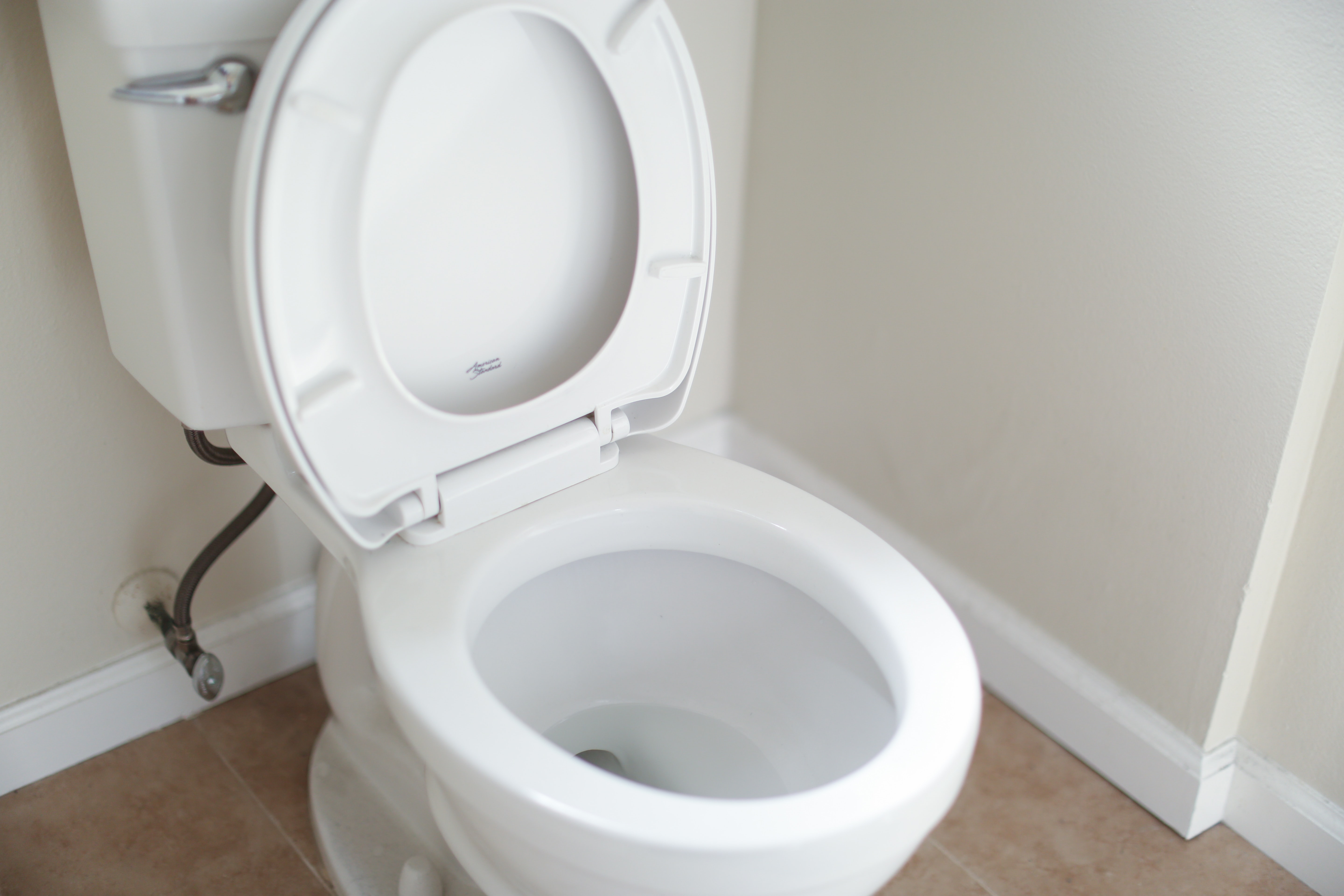
Ah, the humble toilet. We rarely give it a second thought until… well, until something goes a little wonky. And when it comes to toilet troubleshooting, knowing how to gracefully and efficiently empty one of its watery contents can be a surprisingly useful skill. Think of it as a secret superpower in your bathroom arsenal! It’s not exactly the kind of party trick you’ll be showing off at your next get-together, but in those moments of plumbing panic, it’s a genuine lifesaver. So, let’s dive into the fascinating (and yes, we promise, fun!) world of toilet water removal.
Why Would You Even Want To Do This?
Now, before you picture yourself deliberately draining your commode for kicks, let’s talk about the practical reasons. This isn't about creating a water feature in your bathroom; it's about solving common household dilemmas. The most frequent culprit? A clogged toilet. When your usual flushing attempts result in a rapidly rising water level and no satisfying swirl down the drain, the first step to freeing that stubborn blockage is often to remove the excess water. This prevents a messy overflow and gives you the space and leverage you need to tackle the clog itself.
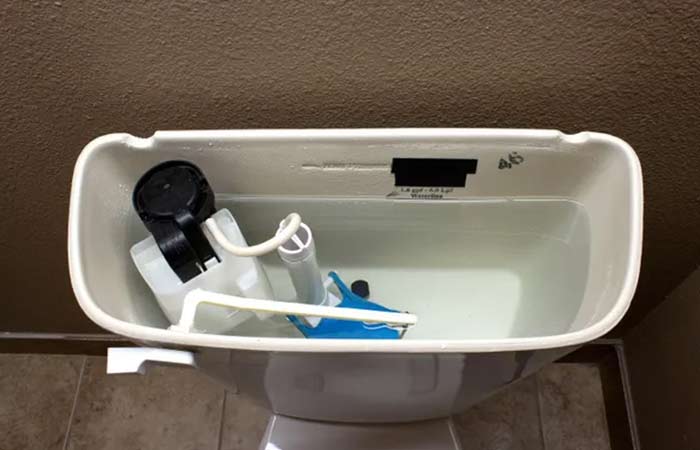
Another common scenario is when you need to perform toilet maintenance or repair. Whether you’re replacing a worn-out flapper, tightening a leaky connection, or installing a new toilet seat, having a dry toilet bowl makes the job infinitely easier and cleaner. Imagine trying to unscrew bolts or fiddle with internal mechanisms when you’re splashing around in a bowl full of water – not ideal, right? Emptying the toilet bowl is also crucial before attempting any DIY plumbing fixes that might involve disconnecting parts of the toilet. You don’t want a surprise flush of water when you’re mid-repair!
Furthermore, in the event of a major plumbing emergency, like a burst pipe or a backed-up sewer line, quickly draining the toilet can be a vital part of damage control. It can buy you precious time to turn off the main water supply and prevent further flooding in your bathroom and potentially your home. So, while it might seem like a niche skill, understanding how to empty a toilet of water is actually a valuable piece of practical knowledge for any homeowner or renter.
Mastering The Art: Your Go-To Methods
Fear not, brave plunger-wielder! Emptying a toilet bowl is far simpler than you might imagine. There are a few tried-and-true methods, each with its own charm and effectiveness. Let’s explore them:
How to drain a toilet – DIY for repairs and installs | Real Homes
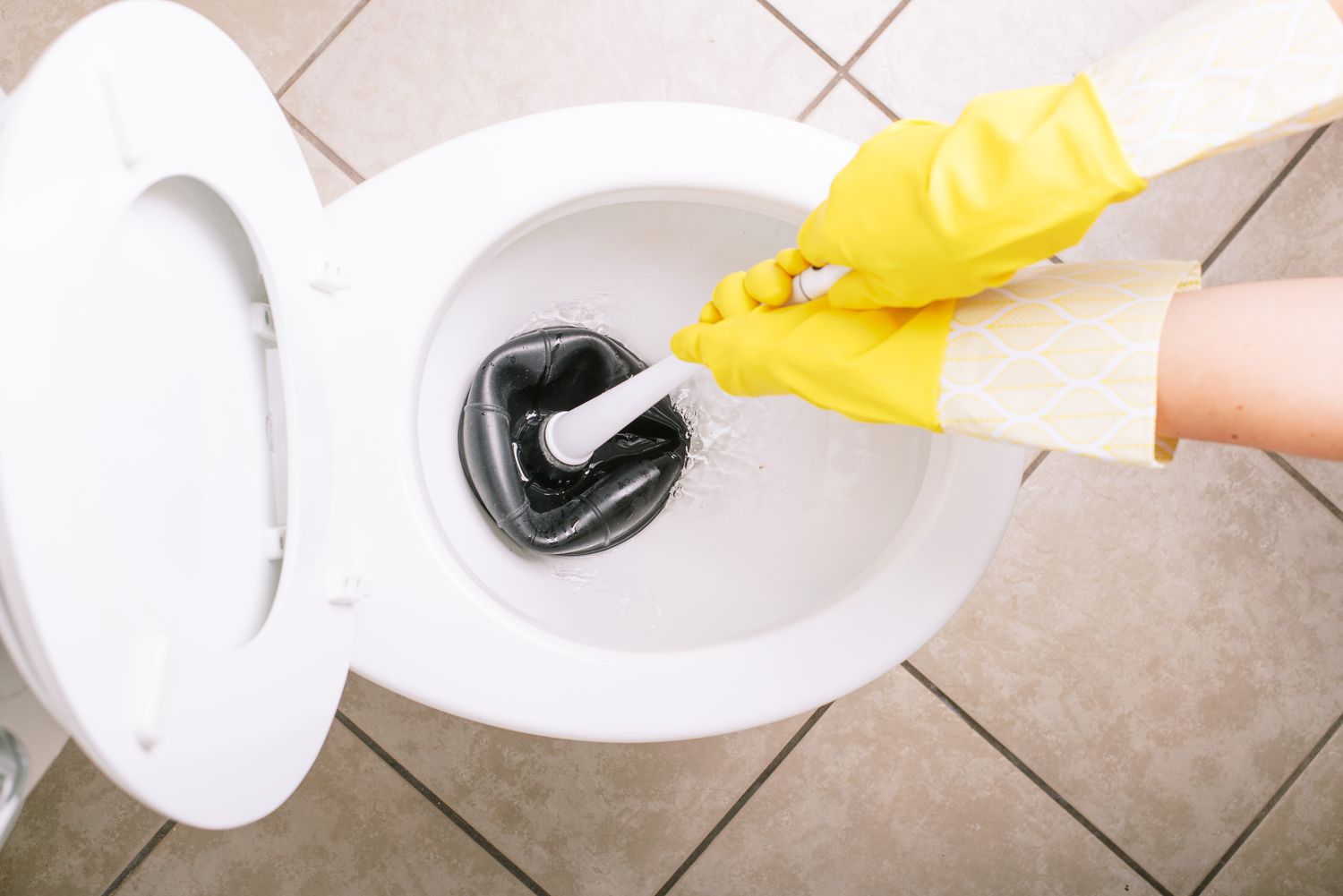
The Classic Plunger Technique (with a twist!): You’ve got your trusty plunger. We all know it’s for plunging, but it can also be your best friend for water removal. The key here is to create a vacuum. Insert the plunger firmly into the drain opening, ensuring a good seal. Then, with a swift, strong pull, lift the plunger upwards. This action can displace a significant amount of water, drawing it back up into the bowl with the plunger. Repeat this process, and you’ll find the water level steadily decreasing.
The Bucket Brigade: For a more direct approach, the humble bucket is your ally. This is particularly effective when you need to remove most of the water quickly. First, ensure the toilet handle is in the up position to prevent the tank from refilling. Then, grab a sturdy bucket (or two!), carefully position it inside the toilet bowl, and scoop out the water, emptying it into a larger bucket or directly into a drain elsewhere (like a bathtub or sink). Be patient and work systematically; it might take a few trips, but it’s a surefire way to get the bowl as empty as possible.
Toilet Bowl Not Filling with Water after Flush: Why and How to Fix
The Towel Trick (for the finer details): Sometimes, you don't need to remove all the water, just get the level down enough to work. In these cases, a few absorbent towels can be surprisingly effective. Place towels around the base of the toilet bowl, and then carefully use them to soak up the remaining water. You might need to wring them out into a bucket as they become saturated. This is a gentler method, perfect for those times when you just need a slightly lower water level for a quick fix.
The Emergency Siphon (use with caution!): In a dire situation, you might consider using a siphon. This typically involves a flexible tube that you place into the toilet bowl and then use to create suction, drawing the water out. However, this method requires care to ensure you don’t introduce any contaminants into your water source. It’s generally best reserved for true emergencies and when you have a dedicated siphon setup.
Remember, the goal is to be prepared and to handle any minor plumbing hiccup with confidence. So, the next time your toilet is feeling a bit full and uncooperative, you’ll know exactly what to do. It’s a small skill, perhaps, but one that can save you a whole lot of mess and stress. Happy (and dry) toilet tinkering!