How To Drive A Dsg Gearbox Car
So, you’ve snagged yourself a car with a DSG gearbox. Fancy! It’s like stepping into the future, or at least a slightly less foot-heavy version of the present. If you're used to the old-school rumble of manual gears or the sometimes-sluggish "whump" of a traditional automatic, a DSG can feel a bit like befriending a hyper-efficient robot butler who's always one step ahead. Don't let the tech jargon scare you; driving a DSG is actually remarkably chill. Think of it as an automatic, but with a bit more… oomph and a whole lot less fuss.
Let’s break it down, shall we? Imagine your old manual car was like trying to cook a complicated recipe from scratch every time you wanted to change a gear. You're clunking the clutch, wrestling the stick, hoping you don't stall and look like a complete plonker at the traffic lights. A traditional automatic? That's like using a pre-made sauce. It does the job, gets you there, but sometimes it feels a bit… generic. A DSG, on the other hand, is like having a Michelin-star chef in your kitchen who anticipates your every culinary need. They’re already prepping the next dish before you even think about it. That’s kind of what a DSG does with your gears.
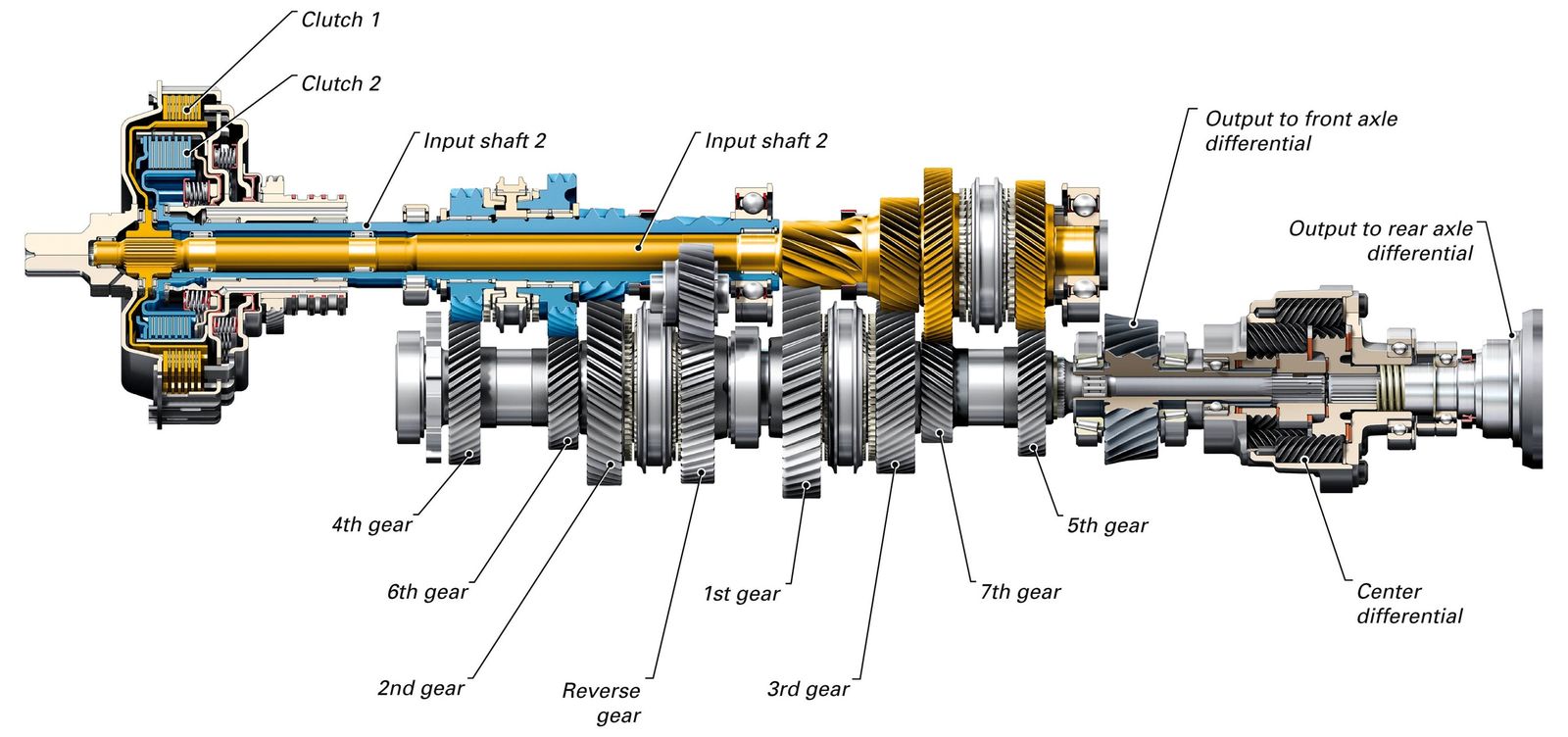
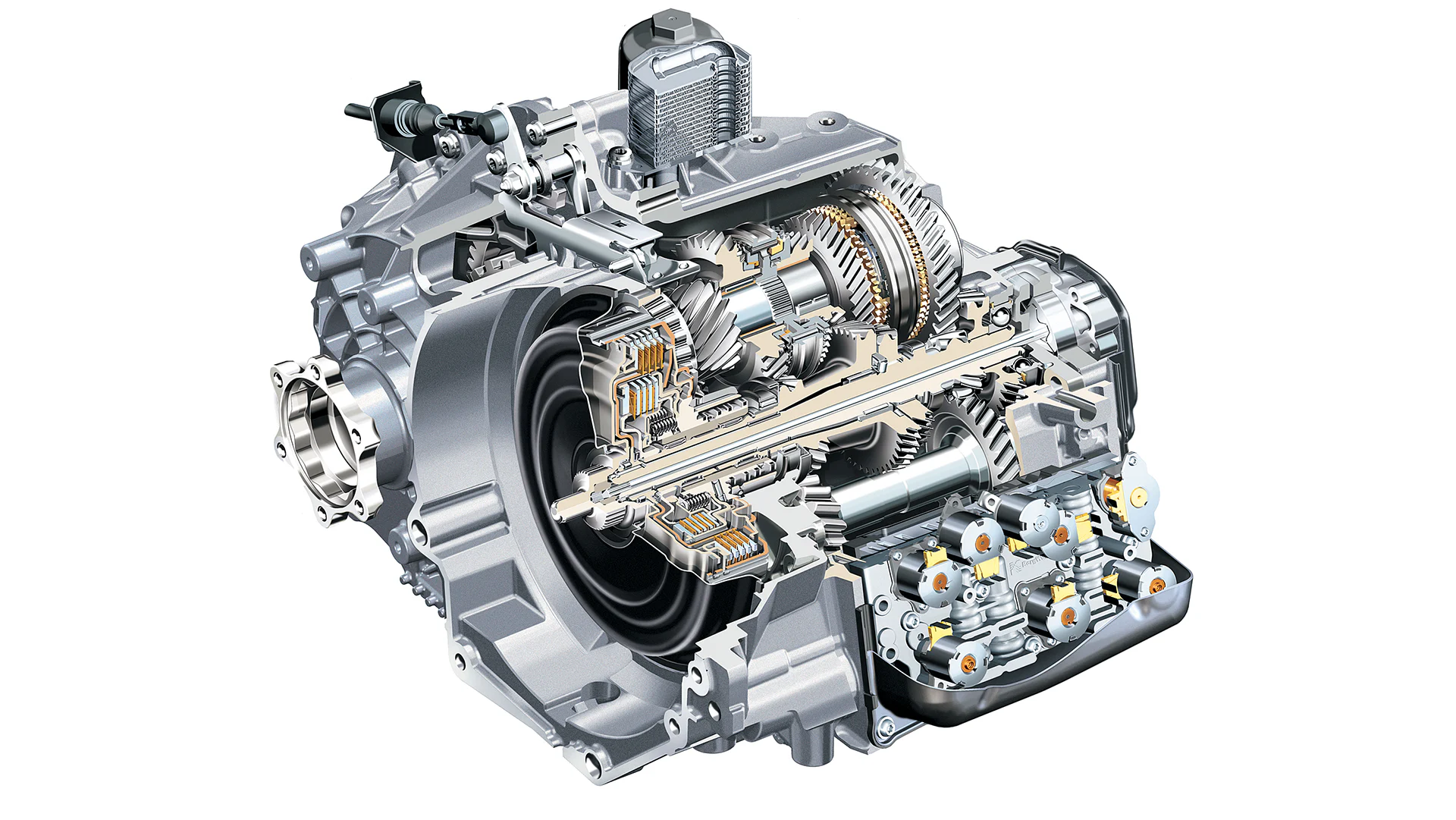
At its heart, a DSG (Direct-Shift Gearbox) is essentially two manual gearboxes working in tandem, each with its own clutch. Sounds complicated, right? But in practice, it means the car is already thinking about the next gear for you. While you're cruising in third, it's got a sneaky peek at fourth, ready to slide it in with the smoothness of a ninja stealing a cookie. This is where that "smooth" feeling comes in. No jerky lunges, no awkward pauses where you briefly question your life choices and the car's ability to reach its destination. Just a seamless transition, like a really well-choreographed dance.
Must Read
Getting Started: It's Not Rocket Science, Promise!
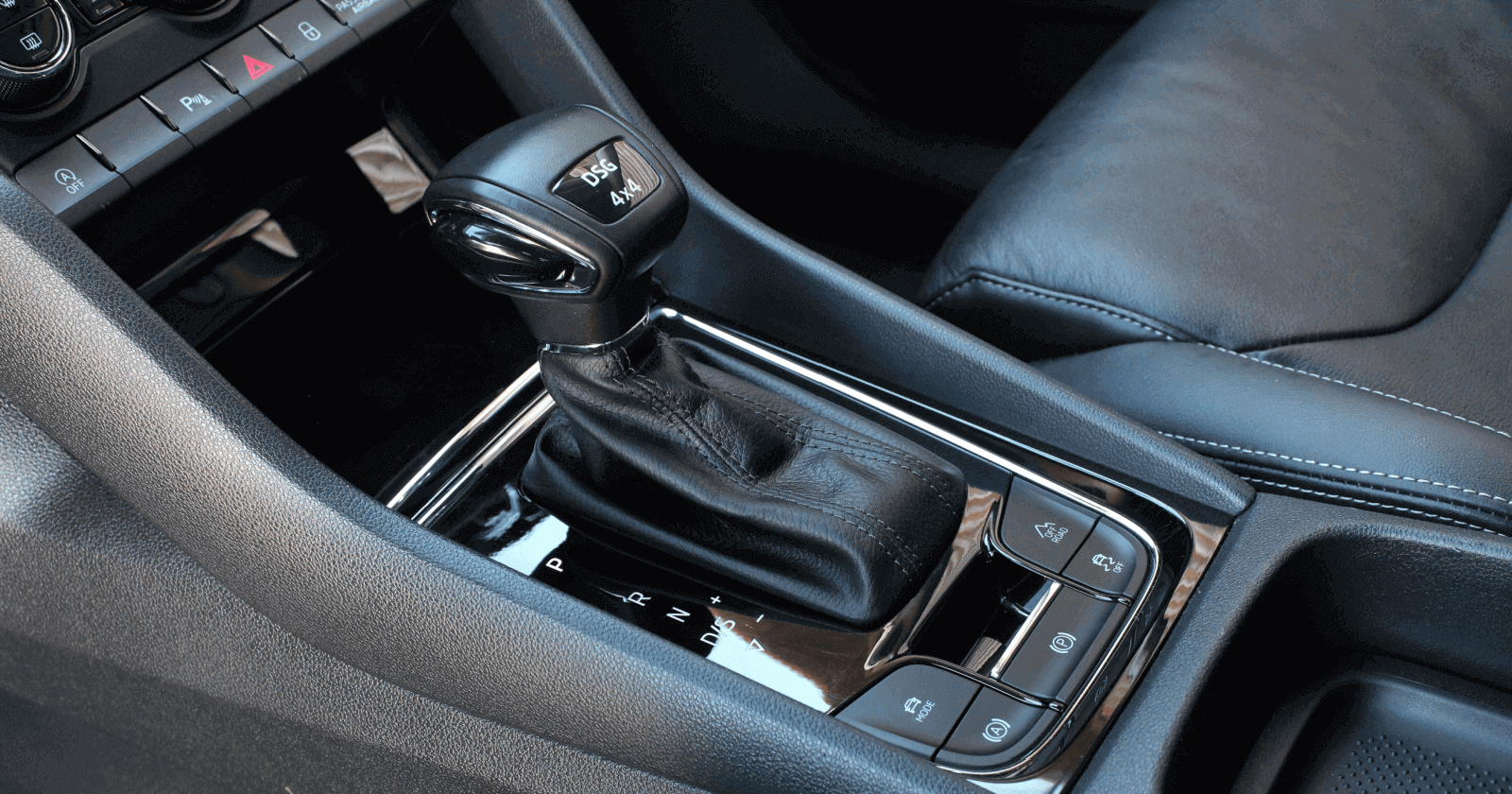
First things first, you’ll notice your gear selector looks a bit different. You’ll still have P (Park), R (Reverse), N (Neutral), and D (Drive). The magic happens with the D. Just like any automatic, you put it in D, and off you go. Easy peasy, lemon squeezy. No clutch pedal to worry about, no embarrassing stall attempts.
The biggest difference you'll feel is when you accelerate. If you're used to a traditional auto, you might notice the DSG feels a bit more… responsive. It’s like the car is a bit more eager to please. Accelerate gently, and it’ll shift up smoothly, almost imperceptibly. It’s like your grandma buttering toast – just a quiet, efficient glide.
But here's where the fun starts. Put your foot down a bit more, and that's when the DSG shows off its sporty side. It’ll hold onto the gears a little longer, giving you a satisfying surge of power. It's the automotive equivalent of a confident wink. It knows it's got the goods, and it's not afraid to show them off.

"But What About Manual Mode?" I Hear You Cry!
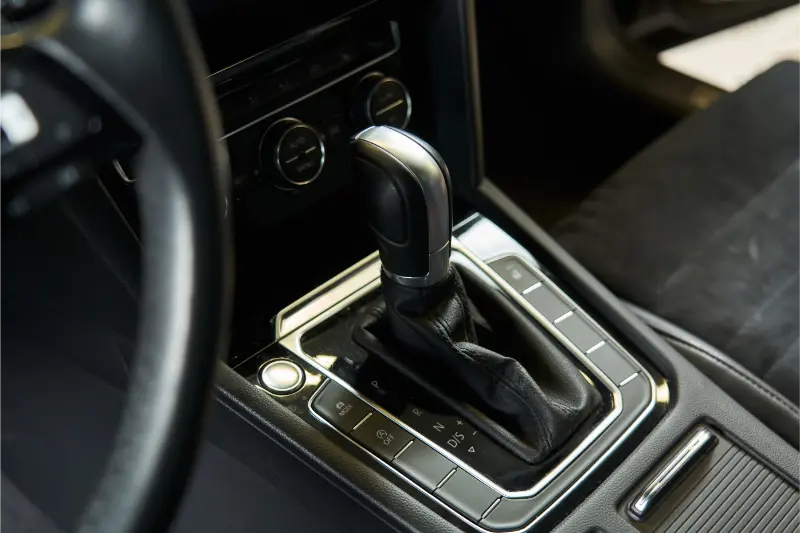
Ah, yes, the manual mode. This is where your inner racing driver (or at least your inner "I like to feel in control" person) can come out to play. Most DSGs have a +/- function on the gear selector, or sometimes paddle shifters behind the steering wheel. Think of these as your personal gear-changing superpowers.
Want to overtake that sluggish lorry that's holding up the entire motorway? Flick the paddle down or push the selector forward, and bam! The DSG will downshift, giving you that extra oomph you need. It's like having a turbo boost button, but instead of a button, it’s a tiny flick of your finger. It’s incredibly satisfying, almost addictive. You might find yourself looking for excuses to overtake things, not out of road rage, but just for the sheer joy of that quick, decisive gear change.
And when you're cruising down a winding country lane, feeling like you're in a movie montage? Flicking those paddles to keep the revs in the sweet spot is pure joy. It’s that feeling of being connected to the car, even though it's doing most of the hard work for you. It's like having a dance partner who's brilliant at leading, but you still get to twirl and dip when you feel like it.
However, there's a tiny caveat. The DSG is smart, but it's not a mind-reader. If you’re in manual mode and you completely forget about it (which, let’s be honest, happens when you’re engrossed in a particularly gripping podcast or contemplating the existential dread of your grocery list), the DSG will eventually get bored and shift up for you. It doesn't want you to blow up its engine, bless its cotton socks. It's like your mum reminding you to eat your vegetables – it’s for your own good.
The 'S' Mode: When You’re Feeling a Bit Cheeky
Many DSG cars have an 'S' mode, usually next to 'D'. Now, 'S' stands for Sport, and oh boy, does it deliver. Think of 'D' as your sensible, everyday driving mode. It's like wearing your comfy slippers around the house. 'S' mode is like putting on your favourite dancing shoes and heading out for a night on the town.
In 'S' mode, the gearbox holds onto gears for longer, revs climb higher, and the whole car just feels a bit more lively. It’s like the car has had a shot of espresso. This is great for spirited driving, or when you just need a little bit more urgency to get you moving. Need to merge onto a busy road? Flick it into 'S', and you’ll be zipping in with confidence. It’s the car’s way of saying, “Alright, let’s have some fun!”
But be warned, 'S' mode isn't for every occasion. If you're stuck in rush hour traffic, constantly starting and stopping, leaving it in 'S' mode can feel a bit like trying to sprint everywhere when you're just trying to get your milk. It's a bit… fussy. You’ll probably find yourself wanting to flick it back to 'D' for a more relaxed experience. It’s all about picking the right tool for the job, or in this case, the right gear mode for the journey.
What Happens When It's Cold Outside (and Inside)?
Just like us humans, DSGs can take a moment to warm up. When you first start the car on a chilly morning, the gearbox might feel a little… hesitant. It’s like trying to get out of bed when it’s freezing – you’re not exactly leaping into action.
The shifts might be a touch less smooth, or it might take a fraction longer to engage a gear. This is perfectly normal. The internal clutches and oils need to reach their optimal operating temperature. Just drive gently for the first few minutes, and you’ll notice it loosens up and starts behaving like its usual, smooth self. It’s like giving your engine a gentle pat and saying, “Come on, mate, let’s get going.”
Don’t go flooring it immediately on a frosty morning. Let the car settle in. Think of it as a bit of pre-drive stretching for your car. It’s a small thing, but it helps keep your DSG happy and performing at its best.
Common (and Mostly Harmless) DSG Quirks
DSGs are brilliant, but like any piece of technology, they can have their little eccentricities. One thing you might notice is a slight jolt or hesitation when you’re crawling in traffic, especially when the car is deciding whether to stay in first or go into neutral. It can feel a bit like it’s having a tiny internal debate. “Should I? Shouldn’t I? Ooh, maybe I will!”
Another common one is a slight lurch when you're coming to a stop. It’s not a dramatic brake-slamming lurch, more of a gentle “whoops, I’m here” nudge. This is usually the car disengaging one of the clutches to prevent unnecessary wear. Think of it as a polite curtsy as it pulls up.

If you ever feel any truly violent jolts, strange noises, or warning lights, that’s when you should definitely get it checked out. But for the most part, these little quirks are just part of the DSG personality. They don't usually signify anything serious and often settle down on their own as the car adapts to your driving style.
Tips for a Happy DSG Relationship
Treat your DSG well, and it’ll treat you well. Here are a few pointers:
- Gentle acceleration from cold: As we discussed, give it a few minutes to warm up. No need to be aggressive straight away.
- Avoid "feathering" the throttle too much in stop-start traffic: While it's tempting to be super light on the pedal to avoid jerky shifts, sometimes a slightly more consistent, gentle pressure can help the DSG settle into a smoother rhythm. It's like coaxing a cat – sometimes being too gentle makes them more skittish.
- Listen to your car: If something feels genuinely wrong, don't ignore it. Get it checked out. Your DSG is a complex piece of engineering.
- Understand the modes: Know when to use D, S, and manual mode. Using the right mode for the right situation will make your driving experience much more enjoyable and will be kinder to the gearbox.
- Regular servicing: Just like any car, regular maintenance is key. Make sure your DSG fluid is changed according to the manufacturer's recommendations. It's the lifeblood of the gearbox!
Driving a DSG is a really enjoyable experience. It bridges the gap between the ease of an automatic and the engagement of a manual, often giving you the best of both worlds. It’s a smooth, responsive, and often quite zippy way to get around. So, next time you’re behind the wheel, embrace the technology, play with the paddles, and enjoy the ride. It’s like having a tiny, incredibly efficient co-pilot who’s always ready to make your journey that little bit smoother and a whole lot more fun.
Think of it this way: you’re not just driving a car; you’re piloting a little bit of automotive wizardry. And the best part? You don’t need a magic wand, just your feet and your hands. Happy driving!