How To Cook 2kg Leg Of Lamb
Ah, the leg of lamb. It's one of those dishes that just feels special, isn't it? The kind you'd whip out for a Sunday roast that stretches into a lazy afternoon, or a dinner party where the conversation flows as freely as the wine. And when you're talking about a generous 2kg of this magnificent cut, you're talking about serious comfort food, potential leftovers for days (hello, lamb sandwiches!), and a whole lot of deliciousness to share.
Now, before you start picturing yourself wrestling a giant joint of meat like a culinary gladiator, let's ditch that image. Cooking a leg of lamb, especially when you've got a good 2kg to work with, is actually surprisingly straightforward. It’s more about patience and a few smart tricks than complex techniques. Think of it as your delicious, slow-burn project for the day.
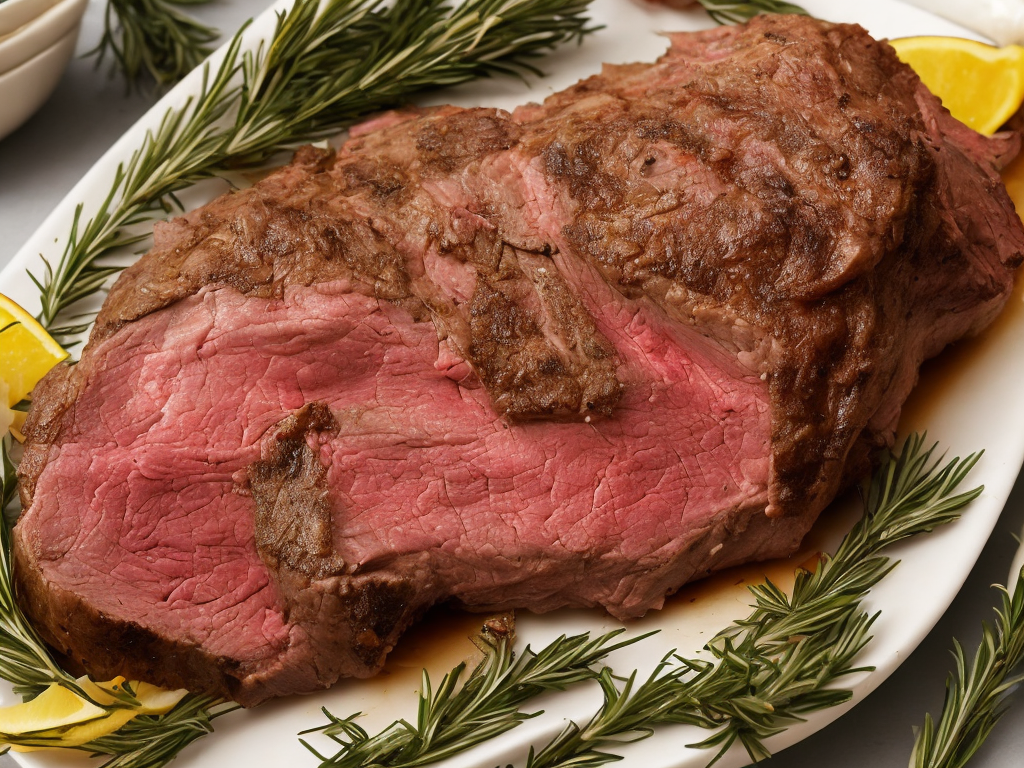
We're going to aim for that perfect balance: a beautifully rosy, tender interior that practically melts in your mouth, encased in a slightly crisp, flavourful exterior. It’s a symphony of textures and tastes, and trust me, you'll be getting requests for seconds, thirds, and the recipe.
Must Read
The Star of the Show: Selecting Your Lamb
First things first, let’s talk about the star. When you’re picking out your 2kg leg of lamb, look for one that has a good even distribution of fat. This marbling is your friend; it’s what keeps the meat moist and adds incredible flavour as it renders down. A bit of a fat cap on top is also a good sign – we can trim it if it’s excessive, but don’t be afraid of it.
You can opt for bone-in or boneless. Bone-in generally offers a richer flavour and can be a bit more forgiving to cook, as the bone insulates the meat. Boneless is easier to carve, which is a definite bonus if you’re serving a crowd who are eager to dig in. Whichever you choose, ensure it’s good quality. Ask your butcher if you’re unsure – they’re usually a treasure trove of knowledge and happy to point you in the right direction.
Fun fact: Lamb is a staple in many cuisines around the world, from the Mediterranean to the Middle East. In Greece, it's practically synonymous with Easter celebrations, often roasted on a spit. Imagine that! A whole lamb slowly turning over coals… makes our 2kg feel positively petite, but no less delicious.
Prep Like a Pro (But Keep it Chill)
Okay, you’ve got your gorgeous leg of lamb. Now, let's get it ready for its starring role. The best practice is to take the lamb out of the fridge at least an hour, preferably two, before you plan to cook it. This allows it to come to room temperature, which means it will cook more evenly. No one likes a cold centre and a burnt crust!
:max_bytes(150000):strip_icc()/lamb-leg-steak-with-pistachio-gremolata-and-marsala-onions-ft-RECIPE0718-de112b36e7f646cda24e6934bfc290f6.jpg)
Next, the scoring. This is where you make those little cuts into the fat cap. Use a sharp knife and make them about 1cm apart. This helps the fat to render and crisp up beautifully, and it also gives us channels to push all those delicious aromatics into.
And speaking of aromatics… this is where the magic really begins to happen. We're going to create a flavour bomb to infuse our lamb with. Think of garlic, rosemary, and thyme. Classic for a reason, right? You’ll need a few cloves of garlic, peeled and then either thinly sliced or crushed. Fresh rosemary and thyme sprigs are essential. If you’re feeling adventurous, a little bit of lemon zest can add a lovely brightness.
Now, for the insertion. Using the tip of your knife, make small incisions all over the lamb, especially in those scored fat lines. Then, stuff those incisions with slices of garlic and sprigs of rosemary and thyme. Don’t be shy! The more, the merrier. You can also gently push some into the cavity if your lamb is bone-in.
For a simple yet effective seasoning, we'll use good old salt and freshly ground black pepper. Be generous! You want to season both the outside and those little nooks and crannies you've just created. And a good drizzle of olive oil over the top will help everything crisp up nicely in the oven.
The Roasting Ritual: Low and Slow is the Way to Go
This is where patience comes in. For a 2kg leg of lamb, we’re not going to blast it with high heat. Instead, we’re going to embrace the "low and slow" method. It's a gentle approach that ensures tenderness and prevents that dreaded dryness.
Preheat your oven to 160°C (140°C fan/Gas Mark 3). This is our sweet spot. Place your prepared lamb into a roasting tin. If you have one, a rack in the roasting tin is ideal, as it allows the hot air to circulate around the lamb and helps with even cooking.
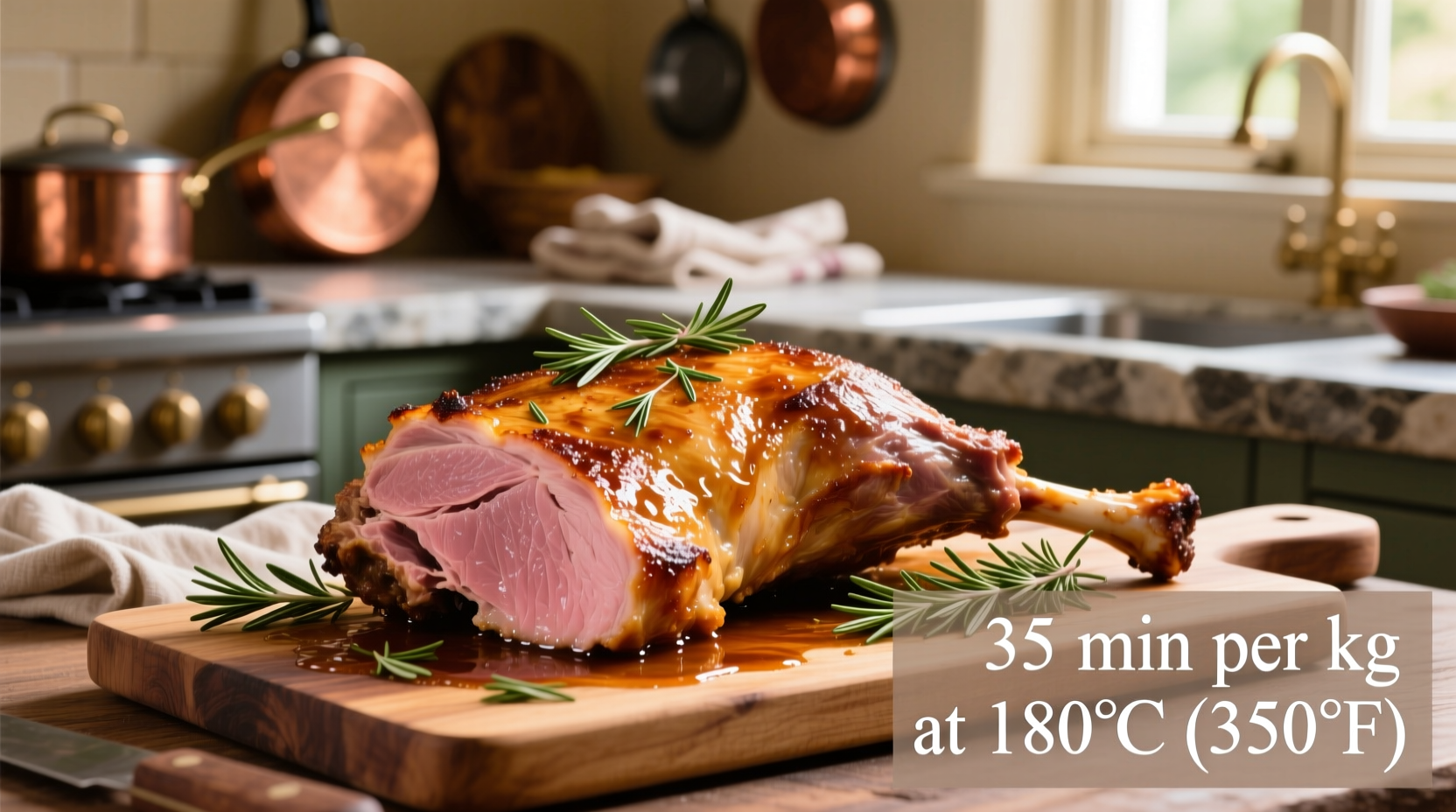
Now, we need to talk cooking times. This is where things can vary slightly depending on your oven and how you like your lamb. A general guideline for a 2kg leg of lamb is about 25-30 minutes per 500g for medium-rare, and 30-35 minutes per 500g for medium. So, for a 2kg leg, we’re looking at roughly 1 hour 40 minutes to 2 hours for medium-rare, and 2 hours to 2 hours 20 minutes for medium.
The absolute best way to check for doneness is to use a meat thermometer. It’s your best friend in the kitchen for foolproof results. For medium-rare, you’re looking for an internal temperature of around 55-60°C. For medium, aim for 60-65°C. Stick the thermometer into the thickest part of the meat, avoiding any bones.
During the roasting process, it's a good idea to baste the lamb every 30-40 minutes. You can do this by scooping up some of those delicious pan juices with a spoon and drizzling them over the lamb. This adds moisture and helps to build up that beautiful crust.

If you notice the top is browning too quickly, you can loosely tent it with foil for the remainder of the cooking time. This is a common occurrence, especially with fatty cuts, and foil is your simple solution.
While the lamb is doing its thing in the oven, this is the perfect time to prepare any accompaniments. Think roasted vegetables – potatoes, carrots, parsnips, and onions are all fantastic partners. Toss them with a little olive oil, salt, pepper, and perhaps some extra herbs, and pop them into the oven for the last 45-60 minutes of the lamb's cooking time, depending on your oven and how you like your veg.
The Crucial Rest: Patience is a Virtue (and Delicious)
Once your lamb has reached its desired internal temperature, the temptation will be to carve it immediately. Resist! This is perhaps the most crucial step for a truly succulent roast.
Remove the lamb from the oven and transfer it to a warm serving platter. Tent it loosely with foil and let it rest for at least 20-30 minutes. This allows the juices, which have been pushed to the centre during cooking, to redistribute back throughout the meat. If you cut into it too soon, all those precious juices will just run out onto the board, leaving you with a drier roast.
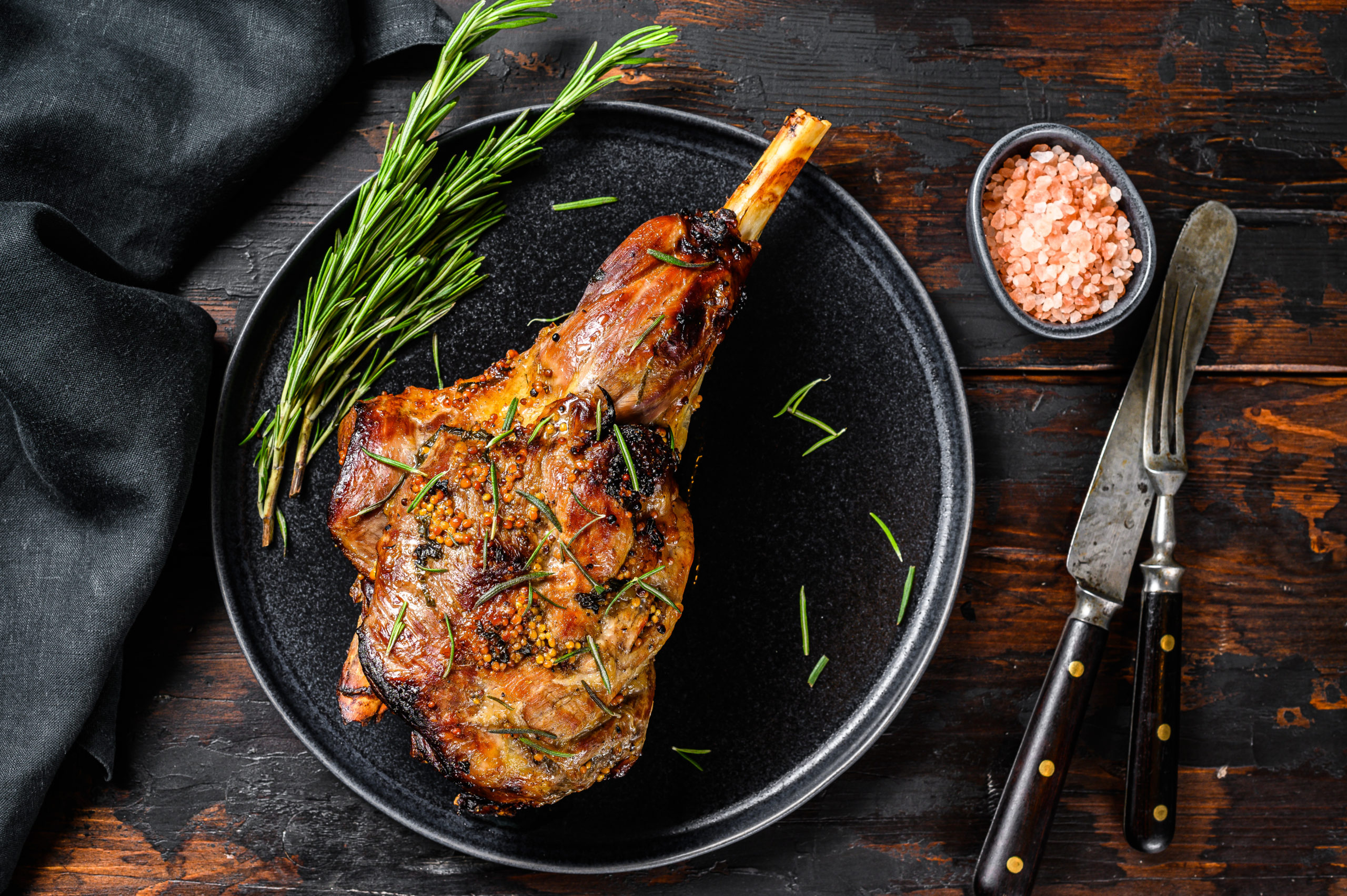
While it’s resting, you can also make a quick pan gravy if you like. Deglaze the roasting tin with a splash of red wine or chicken stock, scrape up all those lovely browned bits from the bottom, and let it simmer and reduce. A knob of butter stirred in at the end will give it a beautiful sheen.
Carving and Serving: The Grand Finale
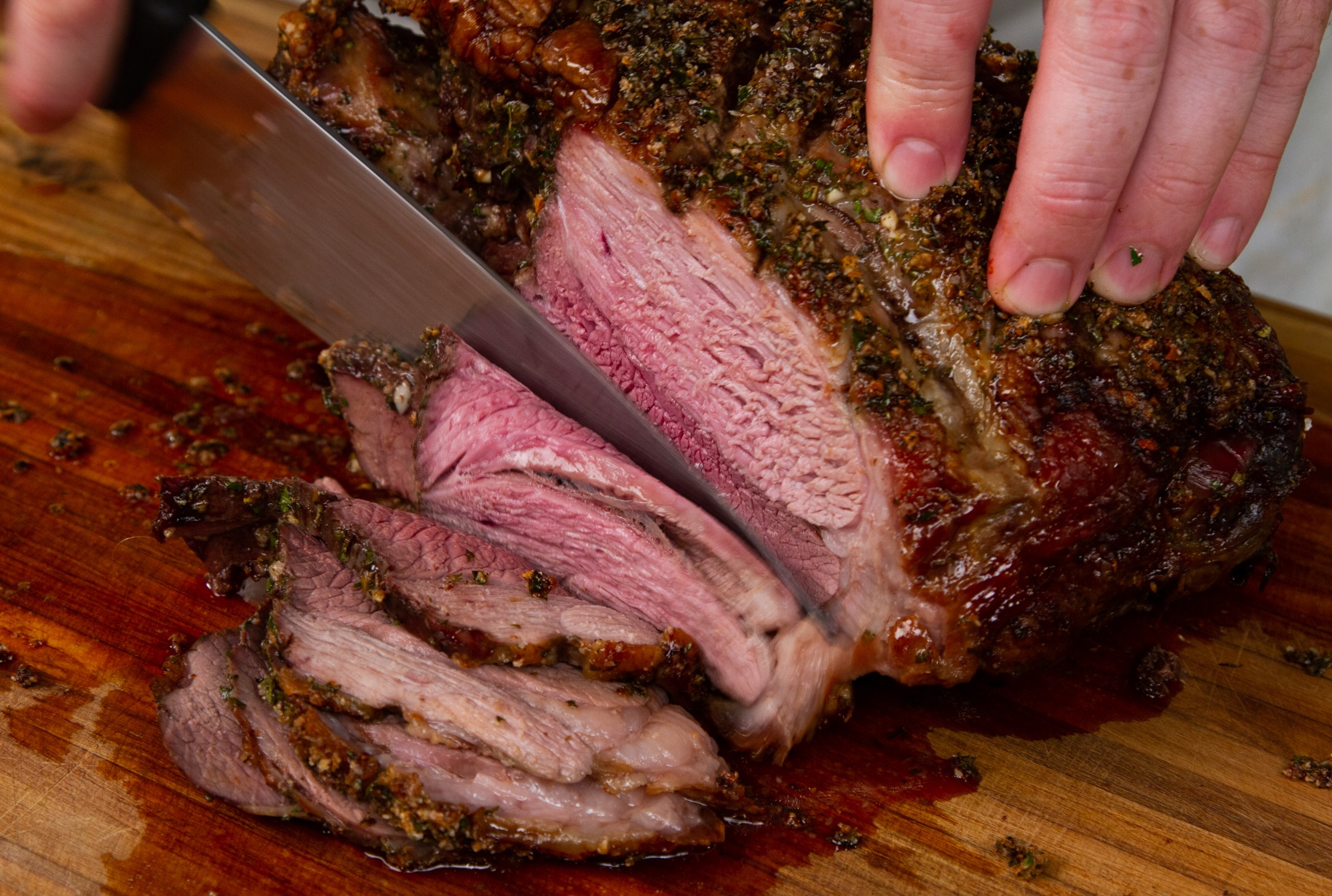
After its well-deserved rest, it’s time to carve. Use a sharp carving knife and fork. If your lamb is bone-in, make your first cut parallel to the bone, then slice across the grain. If it’s boneless, simply slice across the grain at your desired thickness.
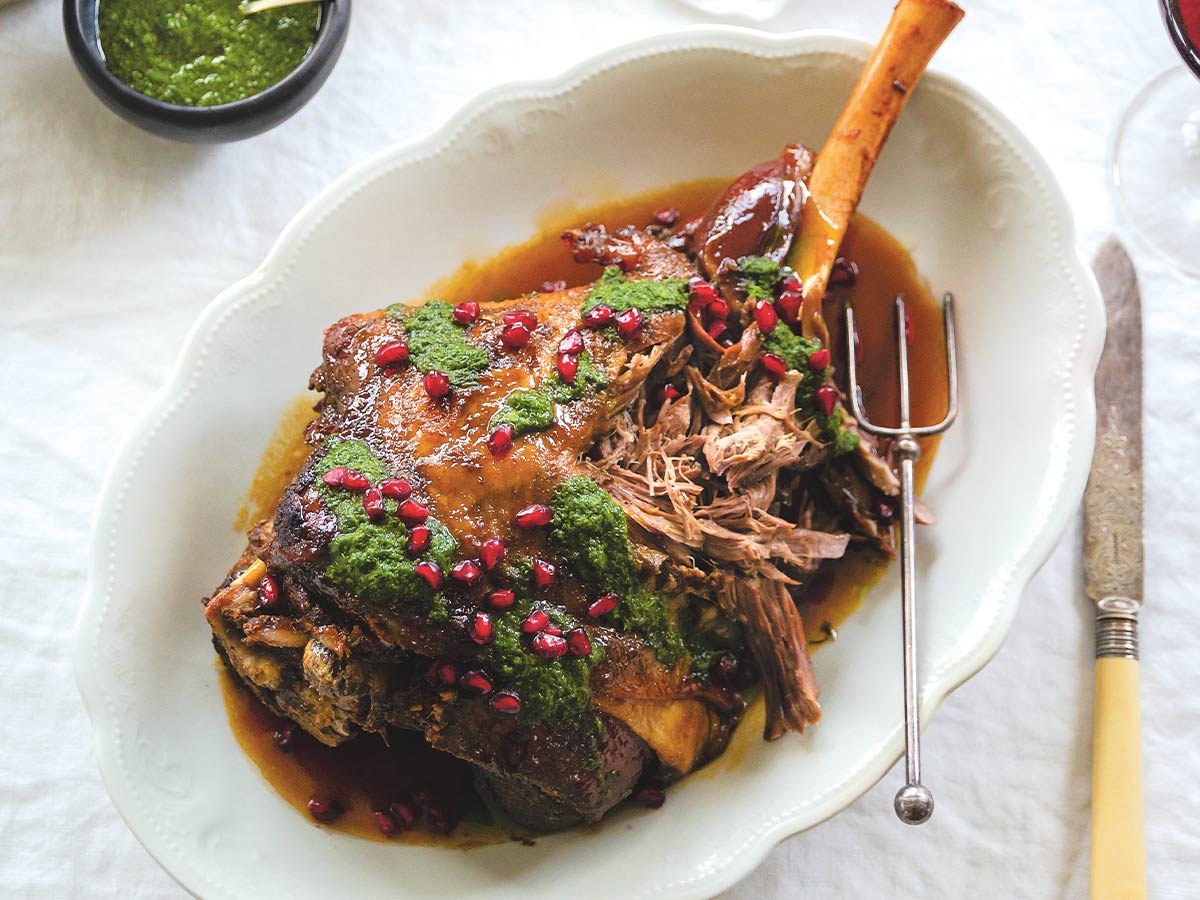
Serve your magnificent leg of lamb with your roasted vegetables, a dollop of mint sauce (a classic for a reason!), and that lovely pan gravy you might have made. It’s a feast for the senses, a testament to your patience and skill.
A Moment of Reflection
In our fast-paced world, there’s something incredibly grounding about taking the time to cook something like a leg of lamb. It’s an investment of time and care, a deliberate act of nourishing ourselves and those we love. It’s about slowing down, about the simple pleasure of a perfectly cooked meal, and about the connections forged around a shared table.
Just like that 2kg leg of lamb, which needs time to rest and develop its full potential, so too do we often need moments of pause and reflection in our own lives. It's in those moments of rest, when we allow ourselves to simply be, that we can truly absorb and appreciate the richness of our experiences. So, the next time you’re contemplating a weekend roast, remember that the process is as rewarding as the delicious outcome. It’s a gentle reminder that good things, and good meals, are worth waiting for.