
How To Clean Non Stick Fry Pan

Ah, the non-stick fry pan. Our trusty sidekick in the culinary adventures that punctuate our days. From those perfectly flipped pancakes that make us feel like breakfast superheroes to the effortless sear on a piece of salmon, it’s a kitchen essential. But like any good relationship, it requires a little tender loving care to keep it performing at its best. Forget the harsh scrubbing and the fear of damaging that precious surface; keeping your non-stick pan sparkling is actually a breeze. Let's dive into the world of gentle cleaning, shall we?
Think of your non-stick pan as a high-maintenance friend who secretly loves a good pamper session. It’s not about brute force; it’s about finesse. The golden rule, etched into the annals of kitchen wisdom, is to always let your pan cool down before you even think about approaching it with water. Plunging a scorching hot pan into cold water is a recipe for disaster, not just for your pan’s non-stick coating, but potentially for you too! We’re aiming for a serene, post-cooking ritual, not a dramatic kitchen scene reminiscent of a poorly executed science experiment.
Once it’s reached a comfortably warm temperature, it’s time for the gentle approach. Forget those abrasive scouring pads that feel like they’re designed to strip paint. For most everyday messes, a soft sponge or cloth is your best friend. A little bit of warm water, and maybe a tiny drop of mild dish soap. We’re talking about a whisper of soap, not a monsoon of suds. Overdoing it with detergent can actually leave a residue that can, over time, affect the pan’s performance. It’s the culinary equivalent of over-seasoning – a little goes a long way.
Must Read
For those slightly more stubborn bits – maybe you got a little too enthusiastic with the caramelisation on your onions, or a rogue bit of scrambled egg decided to play hide-and-seek – don’t despair. You don’t need to channel your inner lumberjack. A good soak can work wonders. Fill the cooled pan with warm water and let it sit for a while. Imagine it like a spa day for your pan, letting the water work its magic to loosen up any clinging food particles. After a good soak, those stubborn bits should lift away with minimal effort.
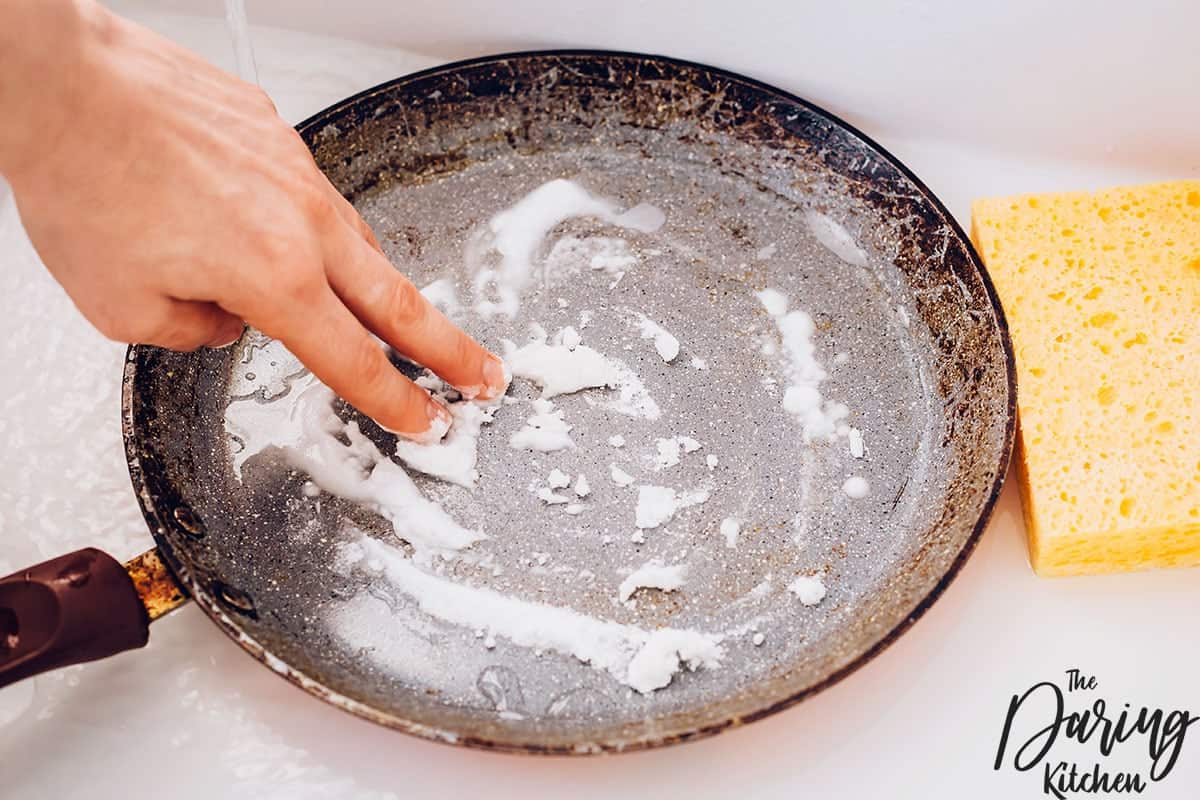
If, after a soak, there’s still a little resistance, a baking soda paste can be your secret weapon. Baking soda is nature’s gentle abrasive. Mix a tablespoon or two of baking soda with a little water to form a paste. Apply this paste to the problem areas and let it sit for a few minutes. Then, with your soft sponge, gently scrub in a circular motion. It’s surprisingly effective and won’t scratch your precious surface. Think of it as a gentle exfoliation, leaving your pan feeling renewed and ready for its next culinary challenge.
And what about those notoriously tricky burnt-on bits? The ones that make you sigh and consider just buying a new pan? Before you succumb to that temptation, try the baking soda method again, but this time, with a bit of heat. Add a couple of tablespoons of baking soda to the pan, add enough water to cover the bottom, and gently heat it on the stove for a few minutes. Let it simmer, not boil furiously. This steaming action helps to lift even the most tenacious burnt-on food. Once it’s cooled, rinse and gently wipe. You’ll be amazed at how much easier it is to clean.
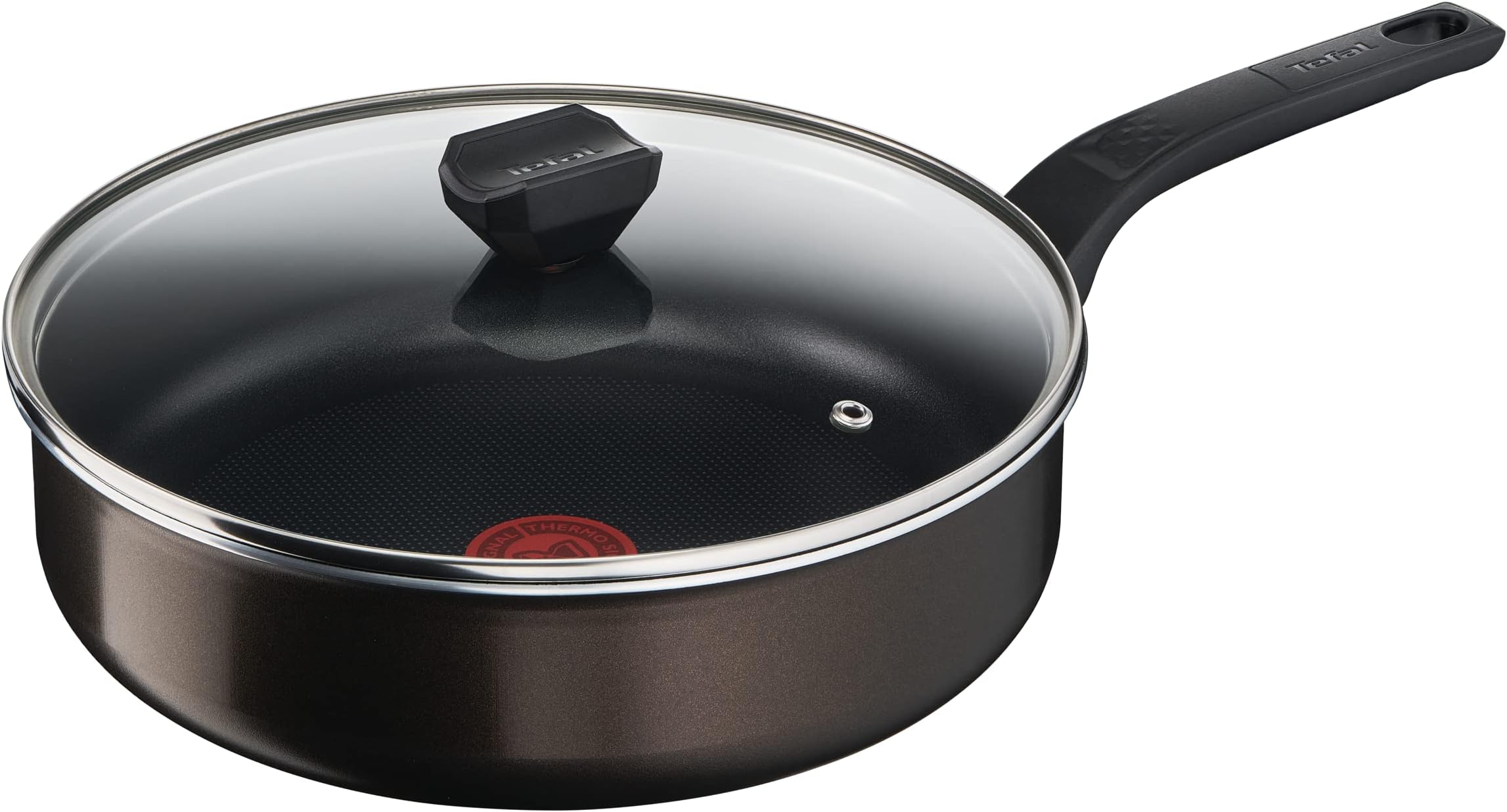
Now, let’s talk about what to avoid. This is where we channel our inner zen masters and practice restraint. Metal utensils are a no-go. Absolutely, positively, unequivocally, no metal. Not spatulas, not whisks, not even those cute little metal pastry servers. They are the sworn enemies of your non-stick coating. Stick to silicone, wood, or heat-resistant nylon. It’s like choosing your allies wisely in a grand battle. Think of your non-stick pan as a delicate ecosystem that metal utensils can easily disrupt.
And those abrasive cleaners? Forget them. We’re talking about steel wool, abrasive powders, and anything that promises to “power clean.” These are the culinary equivalent of a heavy-handed makeover that ends up looking…well, less than natural. They will scratch and damage the non-stick surface, rendering it less effective and potentially releasing harmful chemicals. Remember, the goal is to preserve, not to obliterate.
Dishwashers are also generally a no-fly zone for your beloved non-stick pans. While some manufacturers might claim their pans are dishwasher safe, the harsh detergents and the high heat can degrade the non-stick coating over time. The jostling and bumping against other dishes can also cause microscopic damage. It’s like sending your favourite silk scarf to a heavy-duty industrial wash cycle. Better to err on the side of caution and keep them out of there. Hand-washing is a small price to pay for longevity.
Seasoning your non-stick pan? It's a concept that often gets confused. For cast iron, seasoning is crucial for creating a natural non-stick surface. But for most modern non-stick pans, especially those with Teflon or ceramic coatings, this isn't necessary and can actually be detrimental. The manufacturers have already done the heavy lifting for you. So, save your oils for cooking, not for a pre-cleaning ritual that your pan doesn’t need.
What about those slightly discolored pans? Sometimes, especially with very high heat or certain acidic foods, non-stick pans can develop a slight discoloration. This is often just superficial and doesn't mean the pan is ruined. The baking soda trick can sometimes help here too, but if it persists, it’s usually just an aesthetic issue. The functional integrity of the non-stick surface is likely still intact. Embrace the battle scars of a well-used pan!
Let's sprinkle in some fun facts and cultural whispers. Did you know that the invention of Teflon, the most common non-stick coating, was a happy accident? Dr. Roy J. Plunkett was trying to create a new refrigerant in 1938 when he discovered a slippery, white powder in his lab. He named it "Teflon" (short for tetrafluoroethylene polymer), and the world of cooking was forever changed. Imagine a world without perfectly cooked eggs!
In Japanese cuisine, the art of subtle flavour and delicate presentation is paramount. While they have their own specialized cookware, the principles of gentle care and preserving the integrity of the cooking surface are universal. Think of the meticulous care taken in preparing a sushi roll or the precise stir-frying in a wok – it all stems from respecting the tools and ingredients.
Consider the Italian nonna. Her well-worn pans are often passed down through generations, a testament to careful maintenance and a lifetime of delicious meals. It’s not just about cooking; it’s about heritage and the stories that unfold around the kitchen table. Keeping your non-stick pan in good condition is a way of honouring that tradition, ensuring it can create many more memories.
So, how do you dry your pan after its refreshing wash? Again, gentle is key. A soft, clean dish towel is your best bet. Some people like to hang their pans to air dry, which is also a great option. The key is to ensure it’s completely dry before storing it. Moisture can lead to rust (for pans with metal bases) or simply make it less appealing for its next use. Think of it as tucking your pan into bed, perfectly dry and ready for action.

When storing your non-stick pans, especially if you stack them, consider using pan protectors or soft cloths between them. This prevents scratches and keeps that beautiful non-stick surface pristine. It’s a small step that can make a big difference in extending the lifespan of your cookware. Imagine your pans snuggled up in their own little protective blankets.
The life of a non-stick pan isn't as complicated as it might seem. It's a dance of gentle movements, a symphony of soft sponges and warm water. It’s about understanding that this tool, which brings so much ease and joy to your cooking, deserves a little respect in return. By following these simple, easy-going guidelines, you’re not just cleaning a pan; you’re investing in countless future delicious meals and stress-free cooking experiences.
In the grand tapestry of our daily lives, our kitchen tools are often unsung heroes. The humble non-stick fry pan is a prime example. It’s there for our hurried weekday breakfasts, our celebratory weekend brunches, and our weeknight dinners that need to be whipped up in a flash. Taking a few extra moments to care for it isn't a chore; it's a mindful practice. It's a small act of gratitude for the convenience and deliciousness it brings into our homes. Just like nurturing our relationships, tending to our tools creates a more harmonious and enjoyable environment, allowing us to focus on what truly matters: the joy of creating and sharing good food.

