
How To Clean A Fabric Sofa Uk

Right then, let's have a natter about your sofa. You know, that magnificent beast in the living room that’s seen more action than a reality TV show contestant? The one that's been host to countless movie nights, biscuit-dunking emergencies, and the occasional existential crisis huddled up with a cuppa? Yep, that one. Your fabric sofa. It's more than just furniture, isn't it? It's the unsung hero of your home, quietly absorbing all the spills, crumbs, and… well, let's just say 'life events' that happen on its plushy, or perhaps slightly less plushy, surface. And at some point, usually when a particularly egregious coffee ring makes an unwelcome appearance, we all find ourselves wondering: "How on earth do I clean this thing?"
Honestly, cleaning a fabric sofa can feel a bit like trying to herd cats. You’ve got different fabric types, mysterious stains that seem to have a life of their own, and the lingering fear of making it all worse. But fear not, fellow sofa warriors! It doesn't have to be a Herculean task. Think of this as a friendly chat over a brew, a guide to bringing your beloved sofa back from the brink of fabric-induced despair. We’re not aiming for showroom perfection here, mind you. We're aiming for 'pretty darn good' and 'smells vaguely of fabric softener, not old crisps'.
First things first, let's have a little look-see at the enemy. Or rather, the fabric itself. This is crucial. Trying to clean a delicate linen sofa with the same gusto you'd tackle a sturdy chenille is like trying to use a sledgehammer to swat a fly – not ideal. Most sofas will have a little tag, often tucked away in an obscure crevice, that’s basically your sofa’s birth certificate. It'll have a code on it. Now, don't go Googling 'ancient Egyptian hieroglyphics' just yet. These codes are actually super helpful. The most common ones are:
Must Read
Understanding Your Sofa's Secret Code
W: Water-based cleaners only. This is your friendly neighbourhood cleaner. You can get stuck in with water and mild detergents. Easy peasy.
S: Solvent-based cleaners only. Ah, the tricky one. This means no water, my friends. You'll need a special solvent cleaner. Think of it as the sofa's posh cousin who only drinks sparkling water.
W/S: Water-based or solvent-based cleaners. Lucky you! You've got options. You can be a bit more experimental here, but always start gently.
X: Vacuum only. This is the sofa that’s telling you, "Look, I’m delicate. Just leave me alone and let me be fluffy." You can’t use any liquids at all. Seriously. Not even a damp cloth. This is where your trusty vacuum cleaner becomes your best friend.

So, before you unleash the cleaning arsenal, have a little scout for that tag. It’s usually down the side, under a cushion, or somewhere equally as convenient to find when you’re in a panic. If you absolutely cannot find it, err on the side of caution and stick to dry methods or very, very mild, diluted solutions. Better safe than sorry, as my nan used to say, usually after a particularly adventurous bake that ended up stuck to the ceiling.
Now, let's talk about the general spruce-up. Because even before we get to the epic battles with stains, a good old-fashioned declutter and vacuum can work wonders. Imagine your sofa as a giant, comfy biscuit tin. Over time, bits and bobs fall into the crevices. Crumbs, loose change, maybe even a rogue Lego brick that’s been missing for weeks. A good vacuum will not only make it look tidier, but it also removes loose dirt and dust that can get ground into the fabric, making future cleaning much easier. Get into all the nooks and crannies. Use the crevice tool. Reach for the stars (or at least the back of the sofa). It’s a workout, but think of it as functional fitness.
Once you've conquered the crumb invasion, it's time to think about the pre-treatment. This is where you tackle those visible offenders before they have a chance to embed themselves deeper into the fabric's soul. Spills happen. We’re human. A rogue splash of red wine during a particularly dramatic movie scene? A splatter of spaghetti bolognese that escaped its plate like a culinary ninja? A mystery mark that you’re convinced appeared out of thin air? We've all been there. The key is to act fast. The longer a stain sits, the more it becomes part of the sofa’s DNA.
The Art of Stain Removal: A Gentle Approach
For most common spills on 'W' or 'W/S' sofas, a good starting point is a mild solution of dish soap and water. Don’t go drowning the sofa in suds, though. You want a little bit of soap. Think a teaspoon of washing-up liquid to a pint of water. Mix it up in a bowl or a spray bottle. Now, here’s the trick: blot, don’t rub. Rubbing just spreads the stain and can damage the fabric fibres. Get a clean cloth (white is best, so you can see what you’re lifting) and dip it into your soapy solution. Wring it out so it’s just damp, not dripping. Then, gently blot the stain, working from the outside in. This encourages the stain to lift onto the cloth rather than spread outwards.
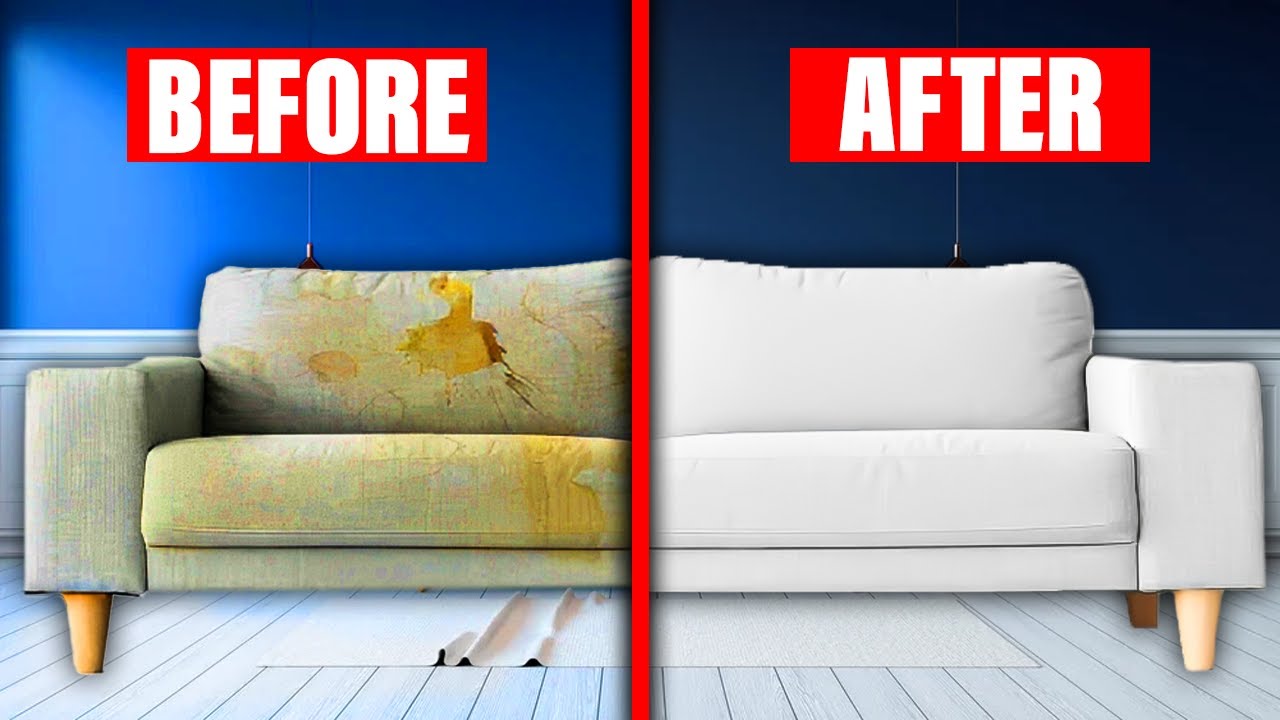
For those stubborn, dried-on stains, you might need a bit more oomph. For 'W' or 'W/S' sofas, a mild upholstery cleaner can be your best friend. Always, always, always test it in an inconspicuous area first. This is non-negotiable. Find a spot under the sofa, or on the back, and spray a little bit of the cleaner. Wait for it to dry completely. If it doesn't discolour, fade, or leave a weird mark, then you're probably good to go. Apply the cleaner to your cloth, not directly onto the sofa unless the product instructions say otherwise. Again, blot, blot, blot. Patience is key here. You might need to repeat the process a few times.
Now, what about those tricky 'S' code sofas? This is where things get a bit more technical, and frankly, a bit less fun. You'll need a dry cleaning solvent specifically designed for upholstery. You can usually find these at larger supermarkets or hardware stores. Again, testing in an inconspicuous area is paramount. Apply the solvent to a clean, dry cloth and blot the stain. These solvents evaporate quickly, which is why they’re used on 'S' code fabrics – they don’t leave water marks. Make sure the room is well-ventilated when you're using these. Open a window, get some fresh air in. It’s like giving your sofa a spa treatment, but with slightly more industrial-smelling products.
What if you’ve got a stain that laughs in the face of all your efforts? For many common fabrics, a mild solution of white vinegar and water (about 50/50) can work wonders. Vinegar is a bit of a superhero for lifting odours and tackling certain types of stains. Again, test it first! Blot it on, let it sit for a few minutes, then blot it off with a clean, damp cloth. Don't worry, the vinegar smell usually dissipates as it dries.
And what about those really tough customers? For instance, that dark, mysterious mark that you swear wasn't there yesterday. If it’s a 'W' or 'W/S' fabric, a gentle upholstery shampoo might be the answer. Follow the product instructions religiously. Usually, you’ll dilute it, apply it to the stain with a cloth, and then gently lift it off with a clean, damp cloth. Again, blotting is your mantra. Think of yourself as a very careful, very focused tea-towel artist.

The 'X' Factor: Vacuuming to the Rescue
Now, for those poor souls with the 'X' code sofas – you can’t use water or solvents. This is where your vacuum cleaner becomes your ultimate weapon. You’ll need to be a bit more proactive with general cleaning. Regular, thorough vacuuming is essential. For the odd spill that isn't liquid, like a bit of dried mud, you might be able to gently brush it off after it’s completely dry. But honestly, for 'X' code fabrics, your best bet is prevention and very, very light dusting. If you’re really worried about a stain, you might need to consult a professional upholstery cleaner. They have the specialised tools and knowledge to deal with these delicate souls.
Deep Cleaning: Giving Your Sofa a Proper Pamper
So, you’ve tackled the immediate spills, but your sofa is starting to look a bit… tired. Like it’s been through the wringer (or at least the last six months of your life). It might be time for a general refresh. For 'W' or 'W/S' sofas, you can often get away with a more widespread cleaning. You can use a slightly more diluted solution of mild detergent and water and a soft brush or sponge to gently go over the entire surface. The key here is even application. You don't want to create watermarks. Work in sections, and try to overlap slightly. Then, using a clean, damp cloth, wipe over the area to remove any soapy residue. This is where a little bit of elbow grease comes in, but remember, gentle is still the operative word.
Some people swear by upholstery cleaning machines, often available to hire or buy. These machines use a cleaning solution and then extract the dirt and moisture. If you’re going down this route, again, read the manual carefully and test in an inconspicuous area. These can be great for a deeper clean, but they do involve a lot of water, so make sure your sofa fabric can handle it (check that code!). Also, ensure good ventilation to help it dry properly. Nobody wants a damp, musty-smelling sofa, not even as a temporary state.
For 'S' code sofas, a deep clean can be more challenging without professional help. You might be able to use a solvent-based spray cleaner and a cloth, working over the surface in sections, but it's a bit more like a marathon than a sprint. Again, professional cleaning is often the safest and most effective route for a thorough deep clean on these fabrics.

Reviving Your Sofa's Fluffiness
Once your sofa is clean and has had a chance to dry – and please, let it dry properly before you dive back into binge-watching – it might look a bit… flat. Especially if it’s a textured fabric. A soft-bristled brush can work wonders to revive the pile and give it back its oomph. Gently brush the fabric in the direction of the weave. This can help to lift the fibres and make it look and feel much more inviting. It’s like giving your sofa a gentle, post-wash massage.
And if you’ve got cushions with removable covers, that’s a bonus! Some of these can be popped into the washing machine (check the label first, obviously!). Just make sure they’re completely dry before putting them back on, and be aware that some fabrics can shrink or change texture in the wash. It’s always a bit of a gamble, but sometimes the gamble pays off with a refreshingly clean cushion.
Finally, a little bit about prevention. The best cleaning is the cleaning you don’t have to do, right? Consider a fabric protector spray. These can help to make your sofa more resistant to spills and stains, giving you a bit more time to mop things up before they become a permanent fixture. You can also be mindful of where you eat and drink. Maybe designate the coffee table as the official biscuit zone, rather than the sofa itself. Easier said than done, I know, especially when the remote control is just out of reach.
So there you have it. Cleaning your fabric sofa doesn’t have to be a terrifying ordeal. It’s about understanding your sofa, being a little bit patient, and using the right tools and techniques. It’s about treating your sofa like the valuable member of the family that it is – the one that doesn't talk back but definitely absorbs a lot of your life. So go forth, be brave, and get your sofa looking and feeling its best again. Your backside will thank you for it.
:max_bytes(150000):strip_icc()/how-to-clean-fabric-sofa-without-water-5214386-07-b7319ce994e845f78b4c27f4d2825bd4.jpg)
:max_bytes(150000):strip_icc()/how-to-clean-fabric-sofa-without-water-5214386-04-b25f10324c9847969f87dca29ed1f90c.jpg)