How To Check If Silver Is Real
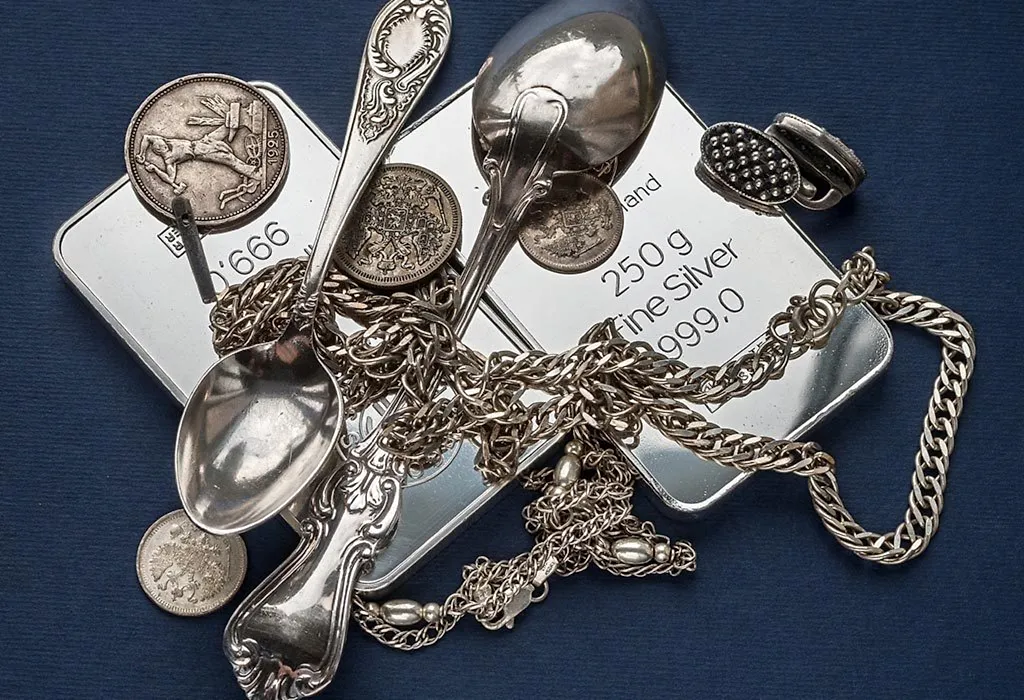
I remember this one time, a friend of mine, let’s call her "Sparkle" because, well, she loved shiny things, bought this absolutely gorgeous, intricate silver locket at a flea market. It looked ancient, felt heavy, and had this patina that just screamed "authenticity." She was over the moon, showing it off to everyone, convinced she'd snagged a priceless heirloom for a song. Fast forward a few weeks, and the locket started… well, discoloring. Not in that charming antique way, but in a patchy, almost greenish sort of way. Sparkle was heartbroken. Turns out, it wasn't real silver at all. Just a clever (or not so clever, in hindsight) imitation. And that, my friends, is how I learned that looking like the real deal doesn't always mean it is the real deal. Which brings us, with a sigh and a knowing nod, to the wonderful, sometimes bewildering, world of checking if your silver is, in fact, real silver.
You know that feeling, right? You're browsing online, or maybe at a quirky little antique shop, and you spot something that catches your eye. A delicate bracelet, a chunky ring, maybe even a set of silverware that looks like it belonged to your great-great-aunt Mildred. It's got that gleam, that heft, and the price… well, it's almost too good to be true. That's when your internal alarm bells should start doing a little jig. Because, let's be honest, the world is full of imitators. And while some fakes are pretty obvious, others are so good, they can fool even the most discerning eye (and sometimes, especially mine after a glass of wine or two). So, how do you separate the genuine article from the shiny imposters? Grab your magnifying glass (or just your keen eyesight) because we're diving in!
The Obvious, Yet Sometimes Overlooked, Clues
Before we get into the nitty-gritty science of silver testing, let's start with the stuff you can spot with a casual glance. Think of these as your first line of defense. Your silver's silent (or not-so-silent) confession.
Must Read
Hallmarks: The Tiny Signatures of Authenticity
This is probably the most important and often the easiest way to start identifying real silver. Most real silver items, especially those made after the 18th century, will have tiny stamps, or hallmarks, on them. These are like little official seals of approval. You'll usually find them on a discreet part of the item, like the clasp of a necklace, the back of a pendant, the bottom of a bowl, or the inside of a ring band. So, get your reading glasses on, or whip out your phone's zoom feature.
What are you looking for? The most common and significant hallmark for sterling silver is "925". This means the silver is 92.5% pure silver, with the remaining 7.5% usually being copper or another metal to give it strength and durability. If you see "925" and a tiny little symbol next to it, that's even better. That symbol is often the maker's mark, identifying the company or silversmith who created the piece. Pretty neat, huh? It's like finding the artist's signature on a painting.
Other sterling silver hallmarks you might encounter include "STERLING" or "STG SIL". Don't confuse these with other markings. For example, "MEXICO 925" indicates it's sterling silver from Mexico. Likewise, if you see "999", that's fine silver, which is 99.9% pure. This is softer and less common for everyday jewelry or tableware, but it exists!
Now, for a little bit of caution. Just because an item has a hallmark doesn't automatically mean it's 100% legit. Some unscrupulous sellers might stamp fake items. However, a genuine hallmark is a very strong indicator of authenticity. Conversely, if there's no hallmark on a piece that looks like it should have one, be extra suspicious. A very old, hand-crafted piece might not have one, but for anything mass-produced or more recent, a hallmark is pretty standard.
The Magnet Test: A Surprisingly Simple (and Effective!) Trick
Okay, this is where things get a little… scientific, but in a totally DIY, kitchen-table kind of way. Silver itself is not magnetic. This is a HUGE clue! So, grab a magnet. Not just any magnet, though. You want a strong one. Refrigerator magnets usually won't cut it. Think of those little neodymium magnets you can buy online or from craft stores.
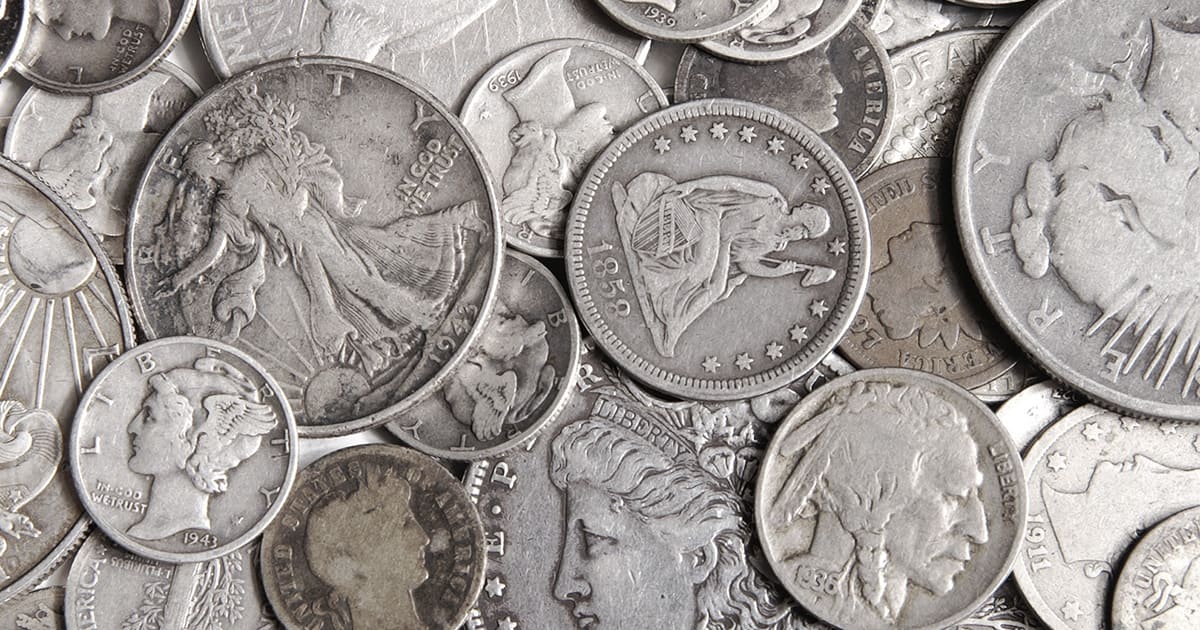
Here's the lowdown: If your silver item sticks to the magnet, chances are it's not real silver. Why? Because many common silver-plated items, or items made from other metals that look like silver, contain iron or nickel, which are magnetic. So, if you hold a strong magnet up to your piece and it leaps towards it like a lost puppy, that's a big red flag.
Now, there's a tiny caveat here. Sometimes, the clasp on a silver necklace or bracelet might have a steel spring inside, which is magnetic. Or, if it's a very old piece with some non-silver components, you might get a slight pull. But for the most part, if the main body of the piece is strongly attracted to a magnet, you're probably looking at a fake. It's a quick and dirty test, but remarkably effective for weeding out the obvious imposters.
The Visual and Tactile Clues: What Your Eyes and Fingers Can Tell You
Beyond the stamps and magnets, your own senses can be powerful tools. Sometimes, the truth is right there, waiting to be noticed. It's all about paying attention to the details.
Color and Patina: The Nuances of Aging
Real silver has a distinct, bright, silvery-white color. When it tarnishes, it develops a dull, grayish or blackish film. This tarnish is usually even and can be cleaned off. If you see patches of discoloration, especially greenish or coppery hues, this is a strong indicator that the item is not solid silver. It's likely plated, and the plating is wearing off, revealing the base metal underneath.
Genuine silver tarnish is a chemical reaction with sulfur in the air. It's like a natural aging process. Fake silver, especially cheaper alloys or plated items, might tarnish unevenly or develop odd colors. Think of it like this: real silver ages gracefully, like a distinguished elder. Fake silver might look like it's having a messy mid-life crisis, with blotches and weird spots.

Also, consider the weight. Real silver, especially sterling silver, is a relatively dense metal. If a piece feels surprisingly light for its size, it might be hollow, made of a lighter base metal, or just not solid silver. Compare it to a known piece of real silver if you can. The difference in heft can be quite noticeable.
The Sound Test: A Quirky but Informative Method
This one is a bit more advanced and might take some practice, but it's surprisingly accurate for certain items, especially silverware or thicker pieces. When you gently tap real silver, it makes a distinct, clear ringing sound. It's a pure, sustained tone. This is because of the way silver vibrates.
Now, if you tap a piece of plated metal or an alloy that looks like silver, it will often produce a duller, thudding sound. It's less resonant. Think of the difference between tapping a fine crystal glass (clear ring) and a regular ceramic mug (duller sound). It's not a foolproof method, especially for small or intricate pieces, but for something like a silver coin or a hefty spoon, it can be a good indicator. Again, comparing to a known real silver item is key.
The More Intensive Tests: For the Determined Detective
If you've done the basic checks and you're still not 100% sure, or if you've got a valuable piece you want to be absolutely certain about, you can move on to slightly more involved tests. Remember to always test on an inconspicuous area!
The Acid Test: Not for the Faint of Heart (or Your Jewelry!)
This is one of the most reliable ways to test for silver, but it involves using a special silver testing acid. You can buy kits online that come with a testing stone (often a piece of dark slate) and small bottles of acid for different karats of gold and silver. This is definitely for the more serious collector or if you're buying a high-value item.

Here's how it generally works: You scratch a tiny bit of the metal off your item onto the testing stone. Then, you apply a drop of the silver testing acid (usually marked for sterling or 925) to the scratch.
What to look for:
- If the scratch mark dissolves immediately or turns a milky white or greenish color, it's likely not real silver.
- If the scratch mark remains unchanged or turns a dull gray, it's probably real sterling silver.
- Different acids are used for different levels of silver purity (e.g., 800, 900, 925, 999). You'll need the right acid for the hallmark you're testing for.
Important note: This test will leave a small mark on your item, so it's best reserved for pieces you don't mind altering slightly, or for testing on a hidden spot. It’s also crucial to follow the acid kit's instructions precisely and wear protective gear (gloves and eye protection) because these acids can be corrosive. Don't go pouring random household acids on your treasures!
The Ice Test: A Chillingly Simple Concept
This test is based on the fact that silver is an excellent conductor of heat. In fact, it's one of the best! This means it will conduct heat very quickly away from its surroundings.
Here's how you do it: Place an ice cube on a piece of jewelry that you suspect might be silver. Do the same with a piece you know is real silver, and maybe another piece made of a different metal.
What to observe:
- The ice cube on the real silver piece will start to melt much faster than on other metals. It might even start melting almost immediately as the silver draws the heat from the ice.
- The ice on a plated item or a less conductive metal will melt more slowly.
This test is more of a fun observation rather than a definitive proof, but it can offer another data point, especially if you have a known real silver item to compare it to. It's a cool (pun intended) way to see how silver behaves!
When in Doubt, Ask the Experts!
Look, sometimes you've done all the tests, you've squinted at hallmarks until your eyes water, you've tapped your silverware with the gentleness of a butterfly landing, and you're still not sure. And that's perfectly okay! We're not all gemologists or metallurgists.
If you're dealing with something potentially valuable, or if you just want absolute peace of mind, the best course of action is to take it to a reputable jeweler or an appraiser. They have specialized equipment, like X-ray fluorescence (XRF) analyzers, which can determine the elemental composition of metals without damaging the item. They've seen it all, and they know their silver from their tin!
Don't be afraid to ask questions. A good jeweler will be happy to explain their process and their findings. It's an investment in your peace of mind, and it's a great way to learn more about the beautiful pieces you own (or are thinking of owning).
So there you have it! A comprehensive (and hopefully not too intimidating) guide to figuring out if your sparkly possessions are the real deal. Remember, the journey of discovery is often as fun as the destination. Happy hunting for genuine silver treasures!