
How To Change Fuse In A Plug

Okay, so picture this: it’s a Saturday morning. The smell of freshly brewed coffee (or maybe burnt toast, we’ve all been there) is in the air. You’re ready to power up your trusty toaster, envisioning perfectly golden slices of sourdough. You flick the switch, and… nothing. Nada. Zilch. Just the deafening silence of a device that’s decided to take an early nap. Annoying, right?
That was me, about a year ago. My beloved retro kettle, a vintage gem that made my kitchen feel like a scene from a Wes Anderson movie, also decided to pack it in mid-brew. I was genuinely distraught. And then, the dreaded realization hit: the fuse in the plug had probably blown. My first thought? “Oh, for crying out loud. Does this mean I have to call an electrician? That’s going to cost a fortune!” My second thought? “Is this even something a regular human being can fix, or is it some kind of wizardry only electrical engineers possess?”
Spoiler alert: it’s definitely something a regular human being can fix. And guess what? You’re probably already equipped with the skills, even if you don’t know it yet. So, if you’ve ever been faced with a mysteriously dead appliance and felt a pang of dread (and maybe a touch of panic), this is for you. Let’s demystify the humble fuse in a plug, shall we?
Must Read
The Not-So-Scary World of Fuses
First off, let’s get one thing straight: a fuse is your appliance’s tiny, unassuming bodyguard. Its sole job is to protect your device (and, by extension, your house) from a sudden surge of electricity that could cause damage or, heaven forbid, a fire. Think of it like a tiny, breakable bridge. When the current gets too high – maybe because of a faulty appliance or a short circuit – the wire inside the fuse heats up and breaks, cutting off the power. Voilà! Safety first.
It’s actually a pretty brilliant, albeit simple, invention. And thankfully, it’s one of the easiest things you can fix yourself. No need to summon the ghostbusters or your uncle Barry who claims he’s “good with electrics” but once wired a doorbell that only rang when it rained. You can do this. Trust me.
What Exactly Is a Fuse in a Plug?
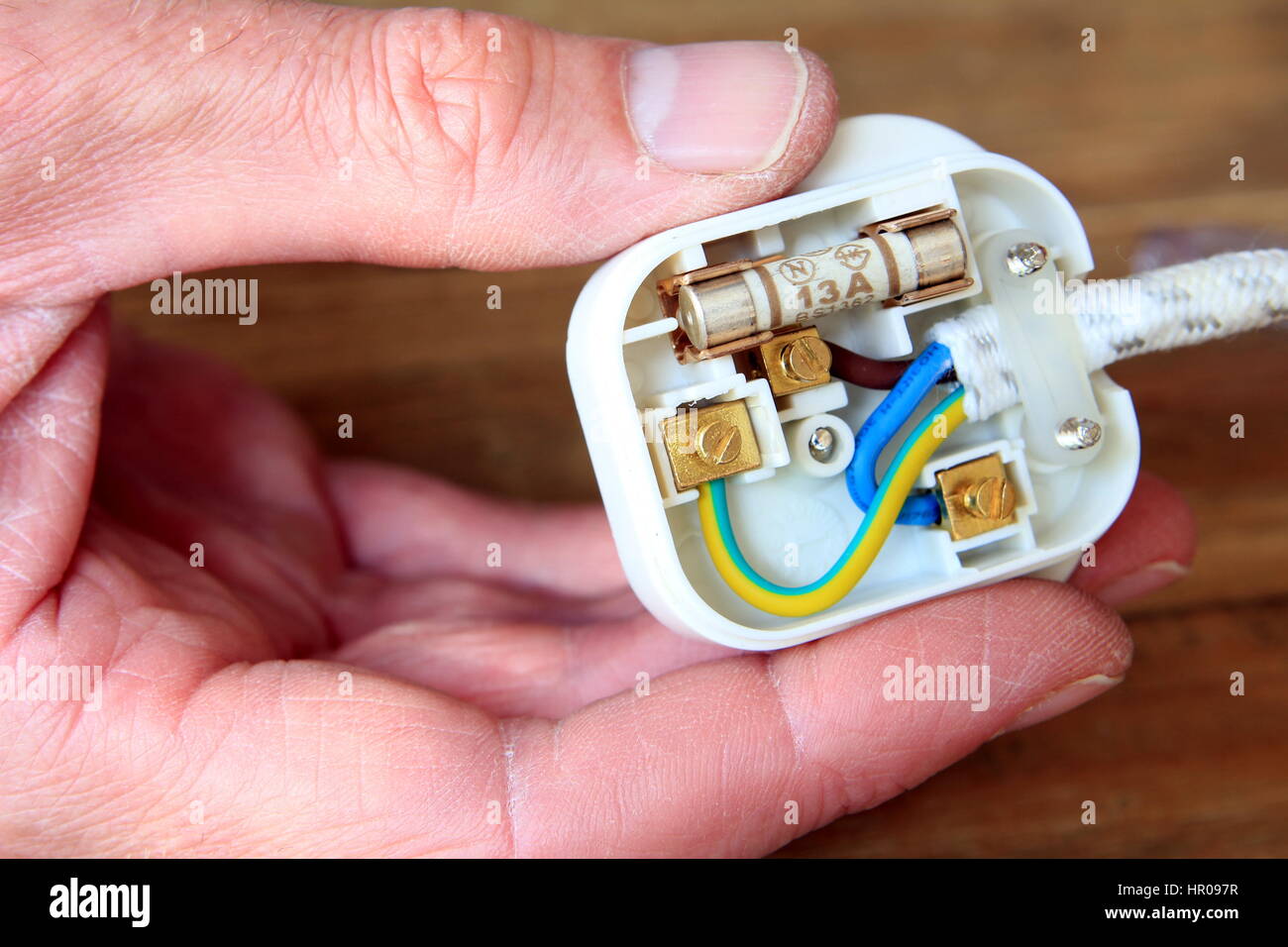
So, you know it’s a bodyguard. But what does it look like? Most household plugs, especially in the UK and some other countries (we’ll get to that in a sec!), have a fuse inside. It’s usually a small, cylindrical cartridge made of glass or ceramic, with a metal strip running through the middle. This little metal strip is the part that breaks when things get spicy electrically speaking.
You’ll typically find it tucked away behind a small, removable cover on the plug itself. This cover is usually held in place by a little sliding tab. It’s designed to be easily accessible so you can change the fuse without having to dismantle the entire plug. Pretty thoughtful, if you ask me. They want you to be able to fix it!
The fuse will have a number printed on it, like 3A, 5A, or 13A. This number indicates the maximum amount of current the fuse can handle before it blows. We’ll dive into what those numbers mean a bit later, but for now, just know that it’s important to replace a blown fuse with one of the same rating. Using a higher-rated fuse is a big no-no and defeats the whole point of having a fuse in the first place. Think of it as giving your bodyguard a superhero suit that’s too big – it won’t offer the right protection.
When Your Appliance Goes Silent: The Tell-Tale Signs
Sometimes, it’s obvious. The appliance just… dies. No lights, no sounds, no hint of life. But other times, there might be subtle clues. You might have noticed a faint burning smell (eek!), or maybe the appliance was behaving a bit erratically before it gave up the ghost.
The most common scenario, though, is the sudden, complete silence. You’re using your hairdryer, and poof, it stops. You’re plugging in your laptop charger, and the charging light doesn’t come on. These are classic fuse-failure scenarios. It’s like the appliance just decided to go on strike.
And if you’re lucky, sometimes you might hear a tiny ‘pop’ sound just before it happens, especially if it’s a sudden, dramatic surge. That’s the fuse doing its job, sacrificing itself for the greater good. A little hero in a small ceramic or glass body.
The Fuse is Blown: Now What?
Okay, so you’ve diagnosed the problem: your appliance is dead, and you’re pretty sure it’s the fuse in the plug. Don’t panic! This is where the DIY magic happens. You’re about to become an appliance whisperer, a fixer of things. High fives all around.
Here’s what you’ll need:
- A replacement fuse: This is the most crucial bit. We’ll talk about how to find the right one in a jiffy.
- A small, flat-head screwdriver (or even a coin): This is to gently pry open the fuse cover.
- Your brain: And a healthy dose of caution.
Seriously, that’s it. No fancy tools, no arcane knowledge. You've got this. And if you're feeling a bit nervous, that's totally normal. Most people do the first time. Just take a deep breath.
The Step-by-Step Guide to Changing a Fuse (It’s Easier Than You Think!)
Alright, deep breaths everyone. Let’s do this. We’re going to walk through it, nice and slow. Imagine we’re in your kitchen, coffee in hand, working on this together. Friendly reminder: safety first, always.
Step 1: Unplug Everything!
This is non-negotiable. Before you even think about touching that plug, make sure it is completely disconnected from the wall socket. No power flowing into it. This is the golden rule of anything electrical. Seriously, unplug it. I can’t stress this enough. You don’t want to be the reason for a new electrical incident while trying to fix an old one. Please unplug it.

Step 2: Locate the Fuse Cover
Turn the plug over in your hand. Look at the flat side, the one that doesn’t have the prongs. You should see a small, often rectangular or square, cover. This is usually held in place by a little tab. Some plugs have a little slot, some have a little bump. Your mission, should you choose to accept it, is to find this cover.
On some plugs, it’s really obvious. On others, it’s blended in a bit. Take a good look. It’s usually right there, staring you in the face. Don’t be shy, give it a little nudge.
Step 3: Open the Fuse Cover
This is where your screwdriver or coin comes in. Gently insert the tip of your flat-head screwdriver (or the edge of a coin) into the slot or under the tab of the fuse cover. You want to apply gentle pressure to slide or lever the cover open. It should pop open quite easily. Don't force it! If it's not budging, double-check that you're on the tab or in the slot. It’s designed to be opened without much fuss.
Sometimes, the cover just slides off. Other times, it might pivot open like a tiny door. Again, no brute force required. Think of it like opening a stubborn jar of pickles – a little finesse goes a long way. And when it opens, you’ll see the fuse sitting there, looking all innocent.
Step 4: Eject the Blown Fuse
Once the cover is open, you’ll see the fuse cartridge. It’s usually held in place by metal clips on either side. You can often just pull the fuse out with your fingers. If it's a bit stuck, you can gently use the tip of your screwdriver to lever it out. Again, be gentle! We're not trying to perform surgery here; we're just replacing a tiny part.
Behold the suspect! Is the metal wire inside visibly broken or discolored? If so, you’ve found your culprit. Sometimes, it’s not obvious to the naked eye, especially if it’s a ceramic fuse. But if the appliance is dead, and the fuse looks… suspicious, it's probably time to swap it out. Don’t overthink it at this stage.
Step 5: Find the Right Replacement Fuse
This is crucial. Look at the blown fuse you just removed. There will be a number printed on it, like 3A, 5A, or 13A. This is the ampere rating. You must replace it with a fuse of the exact same rating. Don’t guess! Don’t use a higher rating because you think it might be “better” – it’s not.

If you can’t see the rating clearly, or the fuse is damaged beyond recognition, you need to find out the correct rating for your appliance. How? Check the appliance itself! There’s often a sticker on the back or bottom that will tell you the power consumption, or sometimes it directly states the fuse rating required. If you're really stuck, a quick internet search for your appliance model should give you the answer. For common UK plugs, the standard ratings are 3A, 5A, and 13A. Most small appliances will use a 3A fuse, while higher-powered ones like kettles or toasters might use a 5A or even a 13A fuse.
Where do you get them? Any hardware store, supermarket with an electrical aisle, or even a dedicated electronics shop will sell them. They’re super cheap, you can often buy a pack of them for a few quid. Keep a few spares handy; you’ll thank yourself later.
Step 6: Insert the New Fuse
Take your shiny new fuse of the correct rating. Line it up with the metal clips inside the plug and gently push it into place. It should click in securely. Make sure it’s seated properly. Imagine you’re putting a new battery in a remote control – it needs to fit snugly.
This is the moment of truth, people! You’re about to bring your appliance back to life. It’s like being a magician, but with less glitter and more electricity. Pretty cool, huh?
Step 7: Close the Fuse Cover
Now, simply slide or pivot the fuse cover back into its original position. It should click shut securely. Give it a gentle tug to make sure it’s fastened properly. We don’t want any loose bits flapping about.
Step 8: Test Your Appliance!
With the fuse replaced and the cover secured, you can now plug your appliance back into the wall socket. Take a deep breath, flick the switch, and… fingers crossed! Hopefully, your appliance will spring back to life, ready to fulfil its duty. That coffee, that toast, that perfectly styled hair – it’s all within reach again!
Why Does This Happen? A Little More Fuse Wisdom
So, why did the fuse blow in the first place? As we mentioned, it’s a safety mechanism. The most common reasons are:

- Appliance Fault: The appliance itself might have developed a fault, causing an overload.
- Short Circuit: This is when live and neutral wires touch unexpectedly, causing a massive surge of current. This can happen if the insulation on the wires is damaged.
- Overload: Trying to draw too much power from a single socket, though this usually trips a circuit breaker rather than blowing a plug fuse, it can sometimes contribute.
- Age: Sometimes, old appliances just start to have internal issues.
If your fuse blows repeatedly, it’s a strong indicator that there’s a more serious problem with the appliance. In that case, it’s probably time to consider replacing the appliance rather than keep fiddling with fuses. It’s like trying to keep a sinking ship afloat by bailing out water with a teacup – it’s not a sustainable solution!
What About Different Types of Plugs?
Now, a quick word for our friends outside the UK. The fused plug we’ve been talking about is most common in the United Kingdom, Ireland, Malta, Cyprus, and some other countries that follow similar electrical standards. In countries like the United States and Canada, plugs typically don’t have accessible fuses in the plug itself. Instead, they rely on circuit breakers in the main electrical panel for protection. If your appliance is dead in those regions, the issue is likely with the appliance itself or a tripped circuit breaker.
So, if you're reading this from across the pond and your toaster is silent, you’ll be looking at your breaker box, not your plug. Everyone’s got their own way of doing things, right?
A Word on Safety (Seriously, Pay Attention Here!)
While changing a fuse is usually straightforward, electrical work can be dangerous if not done correctly. Always ensure the appliance is unplugged before you start. If you’re unsure about anything, or if a fuse blows repeatedly, it’s always best to consult a qualified electrician. Don’t take unnecessary risks. Your safety is worth far more than a few quid saved on an electrician’s call-out fee.
And one more thing: if the plug itself looks damaged, cracked, or feels loose, it’s probably best to replace the whole plug. You can buy replacement plugs at any hardware store, and they’re relatively easy to wire up (again, with the power off!). There are tons of guides online for that too.
You’ve Done It!
So there you have it. You’ve successfully navigated the mysterious world of plug fuses. You’ve faced a common household problem and emerged victorious. You’re now armed with the knowledge to bring dead appliances back to life, saving yourself time, money, and the frustration of a silent toaster. You can now confidently tell your friends, “Oh yeah, I changed the fuse in the plug last week. Easy peasy.”
Next time your appliance decides to take an unscheduled break, you’ll know exactly what to do. No more panic, just a calm, collected approach to fixing the problem. Go forth and be empowered! Your appliances will thank you for it.

