How To Calculate M2 Of A House
Ever found yourself scrolling through real estate listings and seeing those cryptic numbers like "1,500 sq ft" or "2,000 m²"? You probably nodded, thinking, "Yep, that's a decent size house!" But have you ever wondered how they actually arrive at that number? It's not some secret real estate magic, but a surprisingly straightforward calculation. And guess what? Knowing how to calculate the square meterage (m²) of a house isn't just for potential buyers or sellers – it's a fun little skill to have, a great way to understand your own living space, and surprisingly useful for all sorts of planning, from furniture placement to garden layouts.
Think of it like this: you're becoming a mini-home inspector, armed with a tape measure and a knack for geometry. It’s incredibly satisfying to break down something as big as a house into manageable, measurable parts. Plus, in many parts of the world, especially outside the US, square meters are the standard unit for measuring property size. So, understanding this calculation opens up a whole new world of property descriptions and comparisons.
Why Bother Calculating M²? The Perks of Knowing Your Space
So, why would you want to calculate the square meterage of a house? The benefits are more numerous than you might initially think! For starters, it’s the backbone of understanding property value. Real estate agents and appraisers use m² extensively to compare properties and determine fair market prices. Knowing the m² of your own home gives you a much clearer picture of its worth and helps you negotiate effectively if you're buying or selling.
Must Read
Beyond the financial side, it’s a fantastic tool for practical planning. Planning a renovation? Knowing the precise m² of each room is crucial for budgeting materials like paint, flooring, or tiles. Trying to decide if that new sofa will actually fit through the door and into the living room? A quick calculation of the room’s m² and the furniture’s dimensions can save you a lot of hassle and potential returns. It also helps with furniture arrangement – you can map out where everything will go without physically moving a single piece of furniture.
Furthermore, it’s invaluable for personal organization. Want to create a home gym, a reading nook, or perhaps a craft space? Understanding the usable m² allows you to visualize how much space you truly have for these activities and if your aspirations are realistic within your current home.
"Calculating square meterage is like giving your house a definitive size tag – it’s practical, informative, and surprisingly empowering!"
The Simple Science: How to Measure and Calculate M²
Now for the fun part – the calculation itself! Don't worry, you don't need a degree in advanced mathematics. At its core, calculating square meterage is all about finding the area of rectangular or square spaces. The fundamental formula you'll use is:
Area = Length × Width
This formula gives you the area in square meters (m²) if you measure your length and width in meters.
Step 1: Get Your Tools Ready
First, you'll need a reliable tape measure. A metal one is best for accuracy. You might also want a notepad and pen, or a smartphone app, to jot down your measurements. A spirit level can be handy to ensure you're measuring straight lines.
Step 2: Measure Each Room
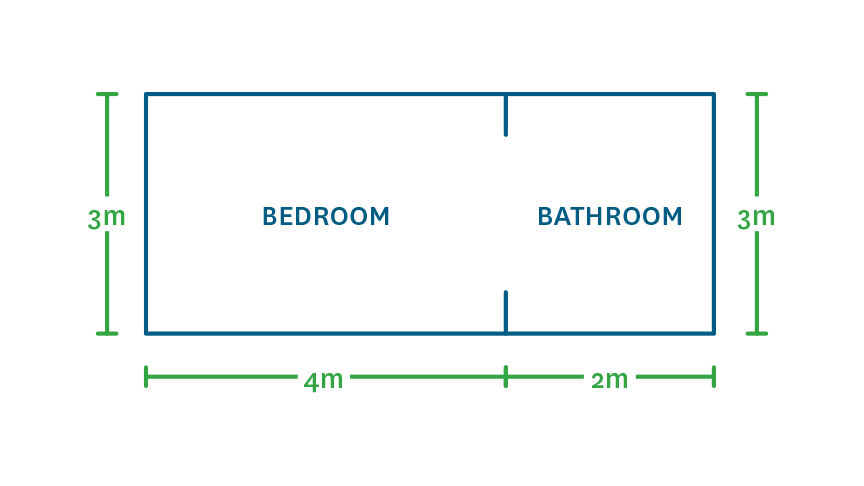
The most common way to calculate the total m² of a house is to measure the floor area of each individual room and then add them all up. Start with one room, say your living room. Stand in a corner and measure the length of one wall. Let's say it's 5 meters. Then, measure the width of the adjacent wall. Let's say it's 4 meters.
Step 3: Calculate the Area of Each Room
Using our formula, Area = Length × Width, you'd calculate the living room's area:
5 meters × 4 meters = 20 m²
Repeat this for every room in the house: bedrooms, kitchen, bathrooms, hallways, dining rooms, etc. Don't forget smaller spaces like utility rooms or pantries if they are significant in size.
Step 4: Sum It All Up!
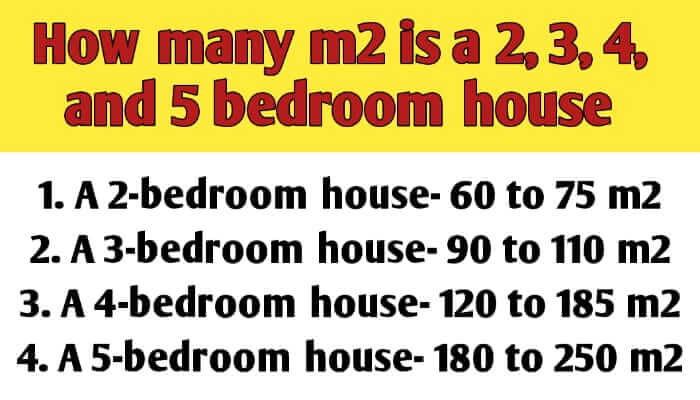
Once you have the m² for each individual room, simply add them together to get the total square meterage of the house. For example, if your living room is 20 m², your kitchen is 15 m², a bedroom is 12 m², and a bathroom is 5 m², your total for these rooms would be:
20 m² + 15 m² + 12 m² + 5 m² = 52 m²
Keep adding until all measured areas are accounted for. This gives you the total habitable or rentable m².
Dealing with Awkward Shapes
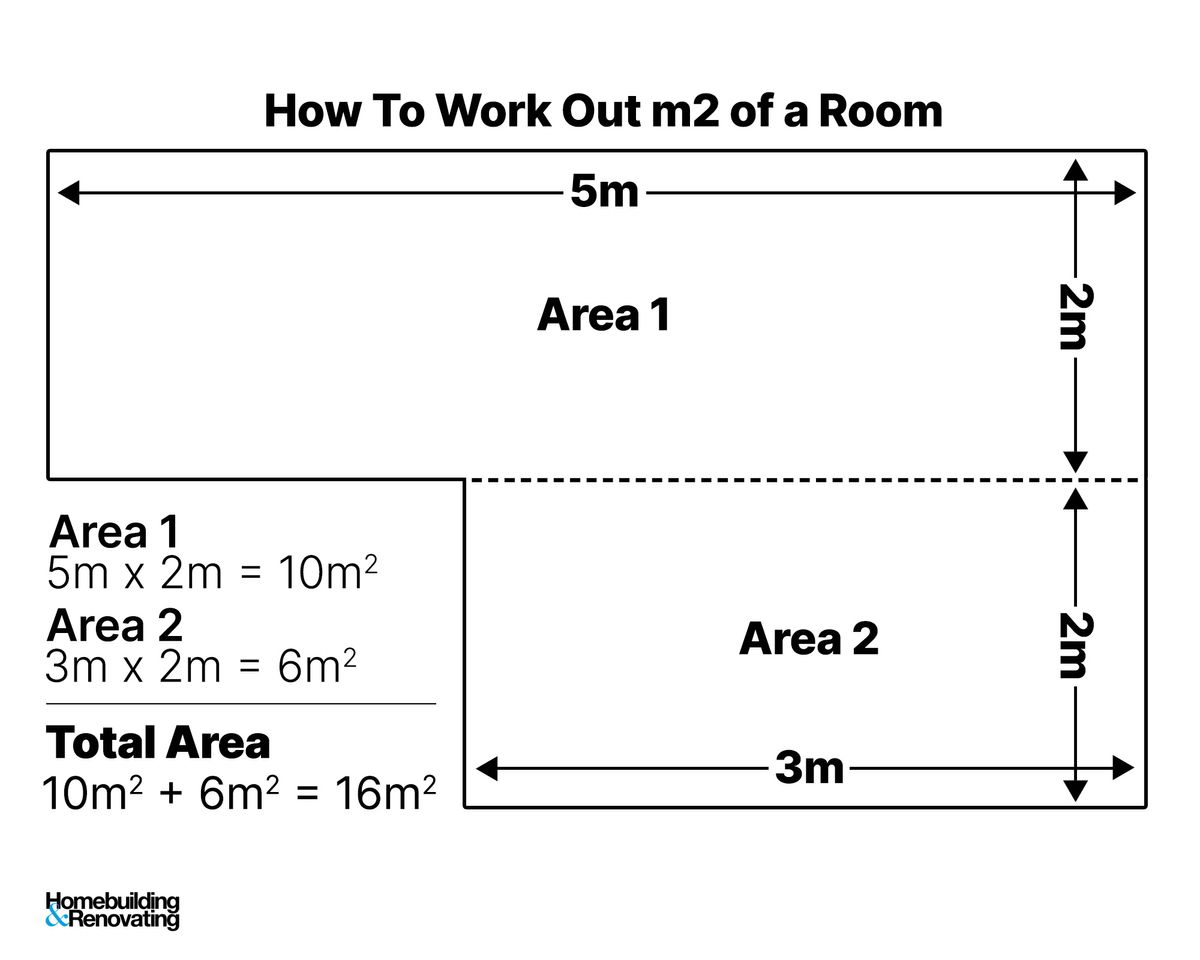
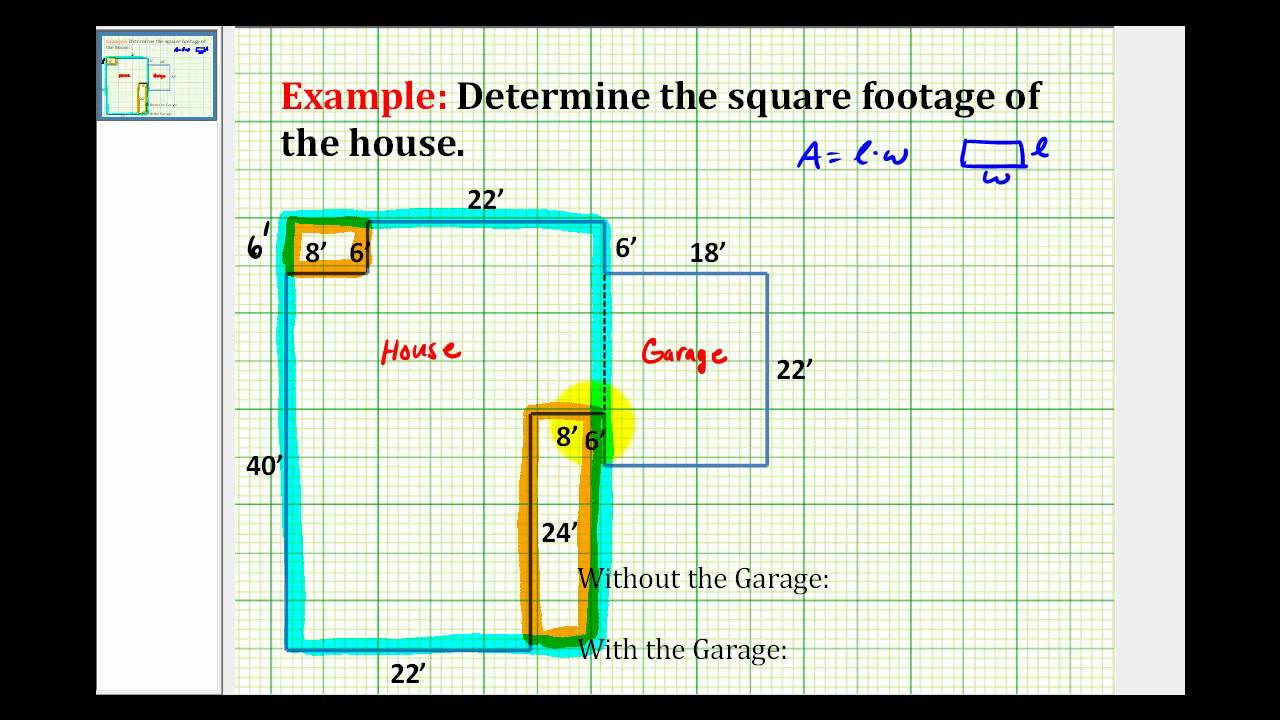
What if you have rooms that aren't perfect rectangles? This is where it gets a little more creative, but still manageable! For L-shaped rooms, you can simply divide the room into two rectangular sections, calculate the area of each section separately, and then add them together. For example, an L-shaped room could be viewed as a larger rectangle with a smaller rectangle removed. Measure the dimensions of both parts and add their areas.
Irregularly shaped rooms might require you to break them down into triangles or even more complex shapes. The area of a triangle is calculated as (base × height) / 2. While this might sound daunting, for most houses, you'll be dealing with mostly rectangular spaces. If you encounter very unusual shapes, you can often approximate by dividing them into several smaller, easier-to-measure polygons.
What About Wall Thickness?
When calculating the interior m², you typically measure from the inside of one wall to the inside of the opposite wall. This is because you're interested in the usable living space. The thickness of the walls themselves doesn't usually count towards the square meterage of the rooms. So, when you measure, make sure your tape measure is against the base of the interior walls.
The Bigger Picture: Gross vs. Net M²
It's worth noting that there's sometimes a distinction between net m² (the usable floor space within the walls of your rooms) and gross m² (which might include things like internal walls, staircases, and sometimes even balconies or communal areas, depending on the definition used). For most personal purposes, calculating the net m² of your living spaces is what you’ll be doing.
So there you have it! Calculating the m² of a house is a hands-on, practical skill that demystifies property sizes and empowers you with knowledge. It’s a simple geometric exercise that can lead to significant insights, whether you're dreaming of a new home, planning a remodel, or just curious about the space you inhabit. Happy measuring!