How To Build A Walk In Wardrobe

Let’s be honest, the phrase “walk-in wardrobe” conjures images of impossibly chic people with perfectly curated outfits, probably sipping champagne while their personal stylist arranges cashmere sweaters. And while that’s a lovely daydream, the reality for most of us involves a slightly more… energetic approach to clothing organization. You know, the kind where you excavate a pile of forgotten fashion disasters in search of that one shirt you actually like, only to find it crumpled at the bottom like a forgotten biscuit?
If your current closet situation resembles a black hole where socks go to die and dresses engage in a silent, wrinkly protest, then you, my friend, are not alone. We’ve all been there. Staring into the abyss, muttering things like, “Did I even own this?” or, my personal favorite, “Where did that other shoe possibly escape to?” It’s enough to make you want to just embrace a minimalist lifestyle of wearing the same three outfits on repeat. But fear not, intrepid fashion wrangler! We’re going to tackle this beast, and it’s going to be less about intimidating interior design magazines and more about getting your threads in order without needing a degree in structural engineering.
The "Why" Behind the Wardrobe Dream
So, why bother with this whole “walk-in wardrobe” thing? Well, for starters, it’s about reclaiming your sanity. Imagine a space where you can actually see what you own. A magical land where finding an outfit doesn't involve a precarious Jenga-like operation. It’s about the joy of opening your doors and seeing your clothes looking back at you, organized, accessible, and perhaps even smiling (okay, maybe not smiling, but definitely less judging).
Must Read
Think about it. No more frantically rummaging through drawers while the clock ticks down to that important meeting. No more discovering that your favorite jacket has been secretly harboring a colony of moths. A walk-in wardrobe is like giving your clothes a spa day, and in return, they promise to behave and make your mornings a whole lot smoother. It’s an investment in your peace of mind, a sanctuary for your style, and, let’s be honest, a pretty cool place to just stand and admire your collection for a moment.
Plus, let’s face it, the sheer drama of having a dedicated space for your clothing is appealing. It feels grown-up. It feels… organized. It’s the antithesis of that time you wore two different socks to a job interview because you were running late. We’ve all had those “character-building” moments, haven’t we?
De-Cluttering: The Everest of Wardrobe Building
Alright, before we even think about shelves and hangers, we have to address the elephant in the room. Or, more accurately, the mountains of clothes in the room. De-cluttering is probably the least fun part, but trust me, it’s the most crucial. Think of it as spring cleaning, but with a much higher emotional stake. You’re not just cleaning; you’re confronting your past fashion choices. It’s like a historical excavation of your personal style.
Here’s where the real fun (read: existential crisis) begins. Grab a big bin bag, or three. And maybe a friend. Someone who isn’t afraid to gently (or not so gently) tell you that, no, you do not need three identical black t-shirts, and that sequined tube top from 2007? It’s probably time to let it go. Unless, of course, you have a very specific disco-themed event planned in the near future. In that case, by all means, hold onto it. But for the rest of us?
The “Does it spark joy?” Marie Kondo method is a great starting point, but let’s be real, sometimes joy is a bit of a stretch. A more practical approach is the “Have I worn this in the last year?” rule. If the answer is a resounding “nope,” it’s probably time for it to find a new home. Think of it as giving your clothes a second life. Or, at the very least, making space for new clothes. We’re all about positive reinforcement here.

Don’t be afraid to be ruthless. That ill-fitting pair of jeans that you’ve been “meaning to get altered for ages”? They’re not going to magically transform themselves. That sweater that feels like sandpaper against your skin but you love the color? Life’s too short for itchy sweaters. Consider a “donate,” “sell,” and “maybe” pile. The “maybe” pile should be small, and you should revisit it with a critical eye. If you haven’t touched them after a month, they’re officially heading to the donation bin. It’s tough love, but your future, organized self will thank you.
Finding Your Space: The “Where Can This Possibly Fit?” Conundrum
Now that you’ve purged your wardrobe like a professional declutterer (or at least like someone who’s had enough of tripping over shoes), it’s time to figure out where this magnificent walk-in wonderland will actually be. This is where things get a little creative, and sometimes, a little bit like Tetris. Do you have a spare room that’s currently being used as a storage unit for old magazines and questionable furniture? Perfect!
Perhaps you have a large walk-in closet that you’re currently using as a glorified coat rack. With a bit of clever configuration, that could become your sartorial paradise. Even a corner of a larger room can be transformed with some smart partitioning. Think of it as creating a cozy nook for your clothes. A little boutique, just for you. And your socks. Hopefully, now you'll be able to keep track of them.
The key is to assess your available space and then think about how you can maximize it. Are you willing to sacrifice a bit of floor space? Do you have high ceilings that you can utilize for vertical storage? Sometimes, the simplest solutions are the best. Maybe it's a matter of moving a piece of furniture or reconfiguring a closet door. Don’t be afraid to think outside the traditional “closet box.”
If you’re feeling particularly ambitious, you might even consider converting a smaller bedroom or a large landing area. This is where you might need to roll up your sleeves a bit more, but the reward is a truly bespoke space. Imagine stepping into your own personal fashion showroom every morning. It's the dream, right? The dream that involves a lot less frantic searching and a lot more confident dressing.
Designing Your Dream: Shelves, Rods, and the Art of Organization
This is where your walk-in wardrobe starts to take shape, and it’s the fun part! Think about what you actually need. Do you have more dresses than trousers? More shirts than sweaters? Tailor your design to your wardrobe’s specific needs. There are a million and one ways to organize, and the best one is the one that works for you.
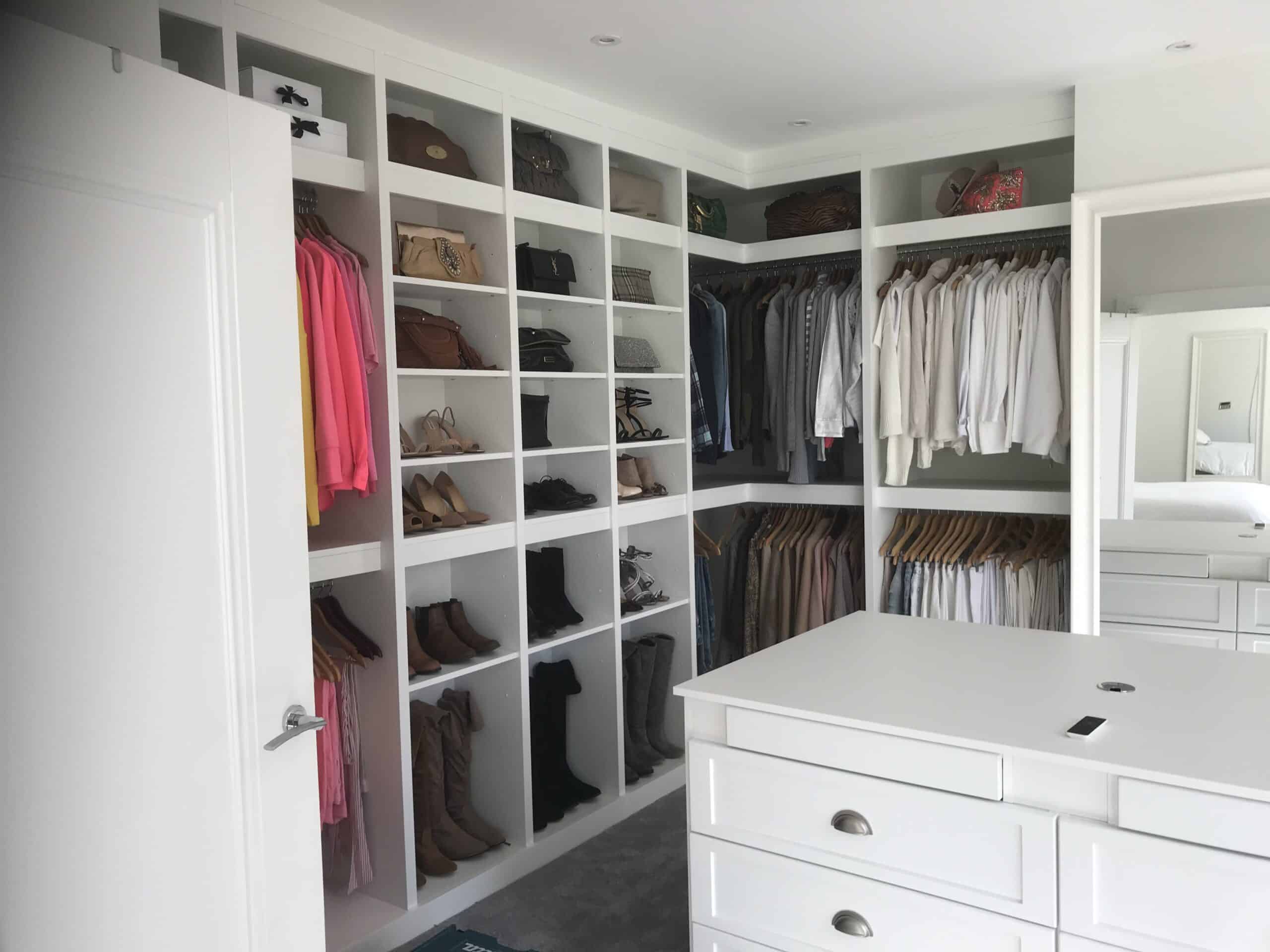
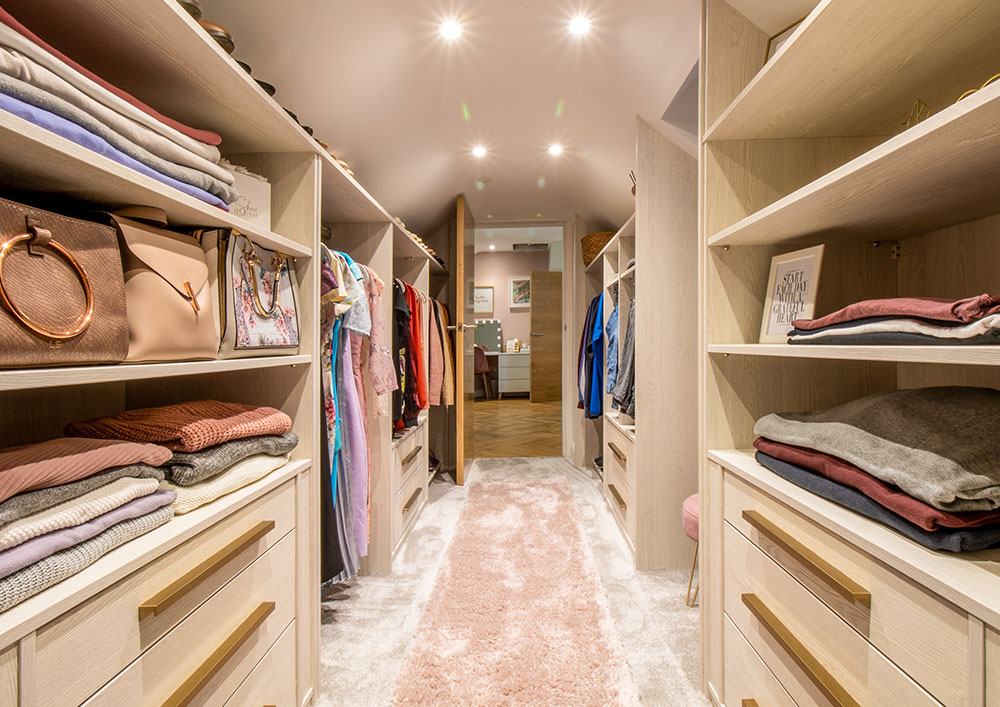
Shelving is your best friend. For folded items like sweaters, t-shirts, and jeans, shelves are essential. You can opt for built-in shelves if you’re feeling fancy, or more affordable freestanding units. Adjustable shelves are a lifesaver, as your clothing needs might change over time. Remember that comedian who said they have more clothes than hangers? You don’t want to be that person. Invest in good quality hangers too. Velvet ones are great for preventing slippage, and uniform hangers make everything look instantly neater. It’s like putting all your little soldiers in perfectly aligned rows.
Hanging space is crucial. You’ll need rods for hanging items like shirts, dresses, jackets, and trousers. Consider different heights for your rods. Shorter rods are great for shirts and folded trousers, while a full-length rod is necessary for dresses and long coats. If you have a lot of trousers, a dedicated trouser rack can be a game-changer. No more creased trousers from being crammed onto a single rod!
Drawers are your secret weapon. For smaller items like socks, underwear, scarves, and accessories, drawers are perfect. They keep things tidy and out of sight. You can integrate drawers into your shelving system or opt for a freestanding chest of drawers. Drawer dividers are a brilliant invention for keeping everything sorted. Imagine never having to dig for that one specific pair of socks again. A true revolution!
Don’t forget the little things. Consider how you’ll store your accessories. Hooks for belts, shelves for handbags, a jewelry organizer – these small touches can make a big difference. Lighting is also important. A good light can make your wardrobe feel bigger and brighter, and it helps you see your clothes clearly. Smart lighting with motion sensors is a neat trick, so you don’t have to fumble for a switch in the dark.
Think about accessibility. Put frequently used items at eye level. Less-used items can go on higher shelves or in less accessible drawers. The goal is to make your daily routine as seamless as possible. You want to be able to grab what you need without performing a circus act.

DIY vs. The Professionals: Making the Choice
Now, for the big decision: are you going to be a DIY warrior, or are you going to call in the cavalry? Both have their pros and cons, and it really depends on your budget, your skill level, and your patience.
DIY can be incredibly rewarding. If you’re handy with a screwdriver and don’t mind a bit of sweat equity, you can save a significant amount of money. There are tons of affordable shelving systems and modular units available at your local hardware store or online. Flat-pack furniture has come a long way, and many systems are designed for easy assembly. Plus, there’s a certain smug satisfaction that comes with building something with your own two hands. You can stand back, admire your handiwork, and say, “I did that!”
However, DIY isn’t for everyone. If your idea of home improvement is changing a lightbulb, this might be a bridge too far. You need to be comfortable with measuring, cutting (if necessary), and assembling. Mistakes can happen, and sometimes they can be costly. But with careful planning and a bit of YouTube tutorials, you can achieve some amazing results.
Professionals can be a lifesaver. If you have the budget, hiring a professional organizer or a custom closet company can take all the stress out of the process. They’ll measure your space, design a system tailored to your needs, and install it for you. It’s the “set it and forget it” approach. You get a beautiful, functional wardrobe without lifting a finger. This is especially useful if you have an awkward space or want a truly bespoke solution.
The downside? It’s definitely more expensive. But for some, the peace of mind and the perfect result are well worth the investment. It’s like ordering a gourmet meal versus cooking it yourself. Both can be delicious, but one requires significantly less effort.
The Finishing Touches: Making It Yours
Once the shelves are up and the rods are in place, it’s time to add those little extras that make your walk-in wardrobe truly yours. This is where you inject your personality into your organizational haven.

Mirrors are your secret weapon. A full-length mirror is a must-have. It allows you to check out your outfit from head to toe and makes the space feel larger and brighter. You could even go for a mirrored wardrobe door if you’re feeling extra chic.
Consider seating. A small stool or a bench can be incredibly useful for putting on shoes or just taking a moment to decide on your ensemble. It adds a touch of luxury and practicality.
Personalize it. Add some artwork, a small plant, or a decorative box to store trinkets. Make it a space you enjoy being in, not just a place to stuff your clothes.
Smell good. A subtle scent can make a big difference. Potpourri, a sachet, or a discreet diffuser can keep your clothes smelling fresh. Just don’t overdo it; you don’t want to smell like a perfumery when you walk in.
The goal is to create a space that is not only functional but also a pleasure to use. It’s a sanctuary for your style, a place where you can get ready for your day feeling calm, organized, and confident. It’s the antithesis of that morning where you accidentally wore your pajamas to the grocery store because you were too tired to notice. We’ve all had those moments, right?
The Payoff: A Life Less Wrinkled
So there you have it. Building a walk-in wardrobe might seem like a daunting task, but it’s really about taking things one step at a time. It’s about decluttering with a ruthless (but loving) heart, finding the perfect spot, and then creating a system that works for you. The payoff? A life that’s a little less chaotic, a lot more organized, and where finding that perfect outfit is no longer an Olympic sport. You’ll walk in, browse, and walk out with a smile. And isn’t that what a little bit of sartorial heaven is all about?