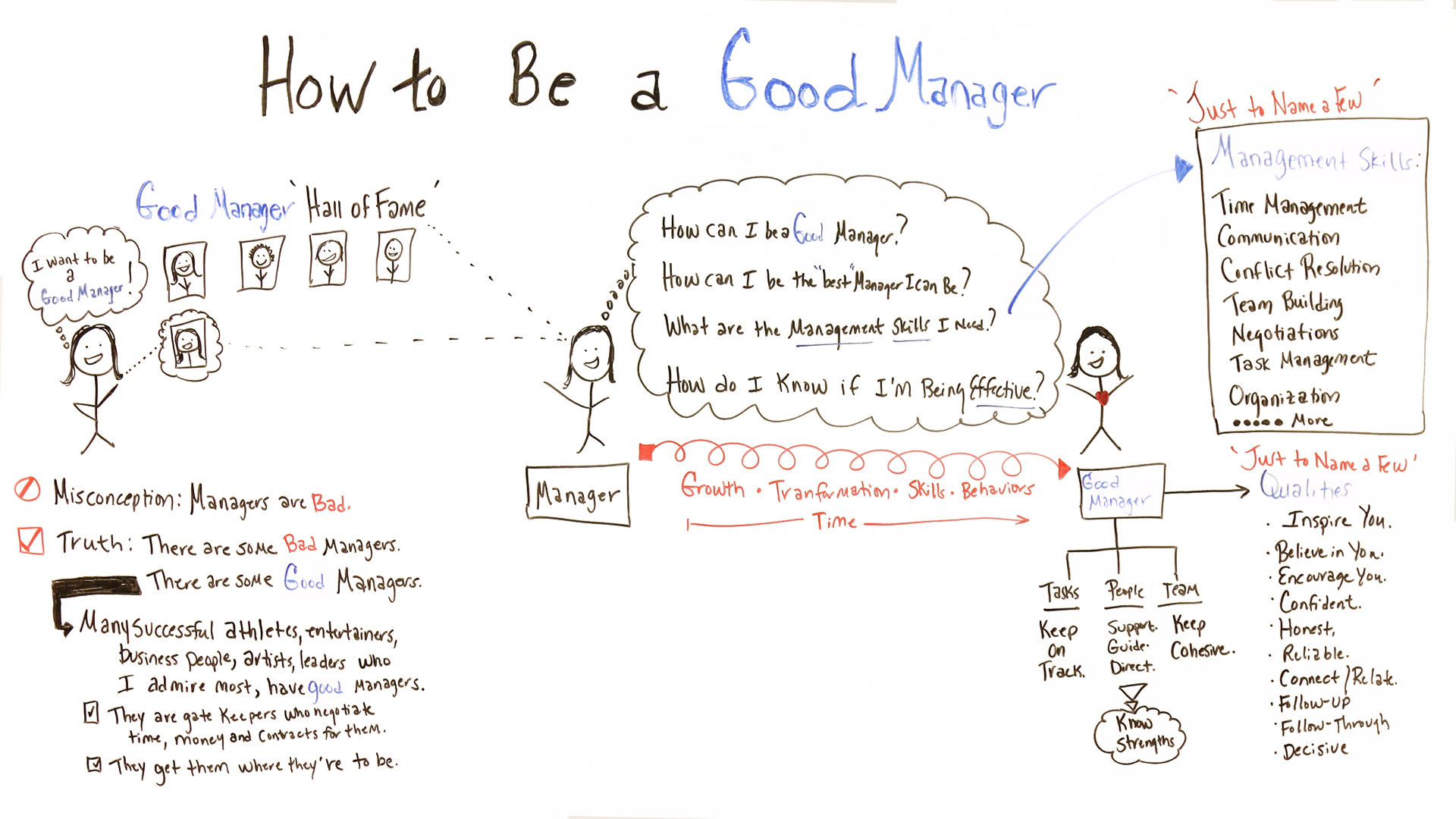
How To Be A Good It Manager

I remember my first foray into IT management like it was yesterday. Fresh out of a coding bootcamp, brimming with the confidence of someone who had just wrestled a particularly stubborn bug into submission, I was handed the keys to the kingdom. "Here," my predecessor said, gesturing vaguely at a server rack that hummed like a disgruntled bear, "you're in charge now. Don't break anything." Easy enough, right? Famous last words.
Within a week, the company website decided to spontaneously combust, a crucial database started acting like a toddler throwing a tantrum, and I spent three days straight fueled by lukewarm coffee and existential dread. I was so focused on the tech – the blinking lights, the error messages, the sheer volume of blinking lights – that I completely forgot about the people. You know, the actual humans who used this stuff and who were, let's just say, a tad unhappy with my early tenure.
That, my friends, is the bedrock of what it means to be a good IT manager. It's not just about knowing your way around a firewall or being able to decipher a packet capture (though those are, you know, slightly helpful). It's about something far more fundamental, something that often gets overlooked in the rush to patch the latest vulnerability or implement the newest cloud solution. It's about being a human manager of technology.
Must Read
The Myth of the Tech Wizard
We've all seen them in movies, right? The lone genius in a dark room, fingers flying across a keyboard, saving the world with a few keystrokes. That’s a fun fantasy, but it’s not reality. And honestly, if you're aiming to be that guy, you're probably in the wrong job. Or at least, you're missing a massive piece of the puzzle.
The truth is, the best IT managers aren't necessarily the ones who can build the most complex system from scratch. They're the ones who can make sure that complex system actually works for the people who need it. They’re the ones who can translate technical jargon into something that makes sense to someone whose primary concern is, say, selling widgets or closing deals.
Think about it. If you're constantly dealing with cryptic error codes and demanding that your team magically understands them, you're setting yourself up for failure. Your team will feel frustrated, and the end-users will feel completely disconnected. And trust me, a disconnected end-user is an unhappy end-user, and an unhappy end-user is a sure way to get your boss's attention for all the wrong reasons. Been there, done that, got the slightly-too-tight t-shirt.
Communication: More Than Just Talking
This is where it all starts, folks. Communication. And I don't just mean sending out mass emails or holding lengthy, jargon-filled meetings. I mean real communication. The kind where you actually listen, the kind where you explain things clearly, and the kind where you’re honest, even when the news isn’t great.
Active listening is your superpower here. When someone from another department comes to you with a problem, do you jump straight to the technical solution, or do you take a moment to understand their workflow, their pain points, and what they're actually trying to achieve? Often, the solution isn't as complicated as we IT folks like to make it. Sometimes, it's just about understanding the 'why'.
And when you're explaining something technical? Ditch the acronyms! Unless you're absolutely certain your audience knows what they mean (and even then, use sparingly), opt for plain English. Imagine you're explaining it to your grandma. If Grandma wouldn't understand it, your colleague probably won't either. No offense to grandmas, they’re usually pretty sharp, but you get the idea.

Transparency is another key ingredient. If there's a major outage, don't hide it. Communicate what's happening, what you're doing to fix it, and when people can expect a resolution. Even if you don't have all the answers, acknowledging the problem and providing updates builds trust. Hiding things? That’s like trying to put a band-aid on a gaping wound. It rarely ends well.
Empower Your Team (Don't Just Delegate Tasks)
Ah, the team. These are your warriors, your knights of the keyboard, your… well, you get it. They're the ones on the front lines, wrestling with servers, writing code, and keeping the digital wheels of the company turning. And a good IT manager doesn't just assign them tasks; they empower them.
What does empowerment look like? It means giving your team the resources they need to succeed. That could be training, better tools, or even just the autonomy to make decisions within their areas of expertise. It’s about trusting them to do their jobs and not micromanaging every single keystroke.
Invest in their development. The IT landscape is always changing. What was cutting-edge yesterday is old news today. Encourage your team to learn new skills, attend conferences, and stay up-to-date. Not only does this benefit them, but it also benefits the company. A team that's constantly learning is a team that's constantly innovating.
Delegate effectively. This is crucial. Don't hoard all the "interesting" projects for yourself. Distribute them based on your team members' strengths and their desire to grow. And when you delegate, make sure they have a clear understanding of the goals and the resources available. Then, step back and let them shine. It’s also a great way to avoid burnout for yourself, just saying.
Be the Shield, Not Just the Sword
In IT, you're often the buffer between the technical complexities and the rest of the organization. This means you’re going to be the one fielding the angry calls, explaining why that "quick fix" took longer than expected, and defending your team when things inevitably go wrong. A good IT manager acts as a shield for their team.

When a project misses its deadline or a system experiences a hiccup, and the finger-pointing starts, a good manager doesn't immediately throw their team under the bus. Instead, they take responsibility, investigate the root cause, and then use that information to improve processes. They protect their team's reputation and create an environment where people aren't afraid to admit mistakes.
This doesn't mean you don't hold people accountable. It means you do it fairly and constructively. It means focusing on learning and improvement rather than blame. Because when your team knows you've got their back, they're more likely to take risks, be innovative, and go the extra mile. And that's what makes a truly high-performing team.
Embrace the "Business" in "Business Technology"
Here's a secret the tech-focused IT folks sometimes miss: IT exists to support the business. Shocking, I know! Your company isn't in the business of running servers or deploying software; it's in the business of making money, serving customers, or achieving some other overarching goal. Your job is to make sure the technology helps them do that, not hinders them.
This means you need to understand the business. What are the company's goals? What are the key performance indicators? What are the biggest challenges your colleagues in sales, marketing, or operations are facing? The more you understand these things, the better you can align your IT strategy to support them.
Strategic thinking is your friend here. Don't just react to problems; anticipate them. Look ahead. Where is the business going? What technological shifts will be necessary to get there? Proactive IT planning can save the company a fortune in the long run and position you as a valuable strategic partner, not just a cost center.
Financial literacy is also surprisingly important. Understand budgets, return on investment (ROI), and total cost of ownership (TCO). When you can articulate the business value of your IT initiatives in financial terms, you'll find it much easier to get buy-in and secure the resources you need. No more being that person who just asks for money without explaining why! Although sometimes, you just have to ask for it.

Never Stop Learning (and Be Humble About It)
The technology world is a relentless beast. New tools, new languages, new threats – they’re all popping up faster than you can say "cloud migration." A good IT manager recognizes that they don't know everything, and they're constantly striving to learn more.
Continuous learning isn't just a buzzword; it's a survival skill in this field. Read industry blogs, take online courses, attend webinars, and most importantly, learn from your team. They might be working on cutting-edge tech that you're less familiar with. Ask them questions! Show genuine interest in their work. This not only expands your knowledge but also builds respect and rapport.
And with all this learning comes the need for humility. You'll make mistakes. Your team will make mistakes. The technology you rely on will fail. The key is to acknowledge these moments, learn from them, and move forward without ego. The IT manager who thinks they have all the answers is the one who’s about to be blindsided by the next big thing.
Build Bridges, Not Silos
One of the biggest pitfalls for IT departments is becoming an isolated silo. Everyone else in the company sees IT as "those people in the back room who fix the computers." A good IT manager actively works to break down these silos and build bridges.
This means actively engaging with other departments. Attend their meetings when appropriate. Offer your expertise proactively. Help them understand how technology can solve their problems. Be a collaborative partner, not an external service provider.
Cross-functional collaboration is the name of the game. When you understand the challenges faced by marketing, you can suggest IT solutions that help them run more effective campaigns. When you understand the needs of customer service, you can ensure your systems are robust and reliable. This interconnectedness benefits everyone.

And remember those user stories from earlier? They’re not just complaints; they’re opportunities for connection and understanding. The more you interact with users, the more you’ll understand their perspective, and the better you can tailor your IT solutions to their actual needs.
Be the Advocate for Good Practices
As an IT manager, you're in a unique position to advocate for good IT practices across the entire organization. This includes security, data management, and efficient technology use.
Security, for example, isn't just an IT problem; it's an everyone problem. You need to educate users on best practices for passwords, phishing awareness, and data handling. You need to champion strong security policies and ensure they’re implemented consistently.
Similarly, advocating for efficient technology use can save the company a lot of money and frustration. Are people using outdated software? Are they struggling with inefficient workflows? Your role is to identify these issues and propose solutions, whether that’s training, new software, or process improvements.
It's a constant effort, and sometimes it feels like you're banging your head against a wall. But by being a consistent advocate and explaining the 'why' behind these practices, you can gradually shift the culture and create a more secure, efficient, and technologically savvy organization. And that, my friend, is a win for everyone.
So, there you have it. Being a good IT manager is a multifaceted role that goes far beyond the technical. It’s about leadership, communication, empathy, and a deep understanding of how technology serves people and the business. It’s about being the bridge, the shield, and the perpetual student. And if you can master these elements, you won't just be managing IT; you'll be leading your team and your organization to success. Now, if you'll excuse me, I think I hear a server humming… and this time, it sounds a lot less disgruntled.