How To Be A Better Rugby Coach

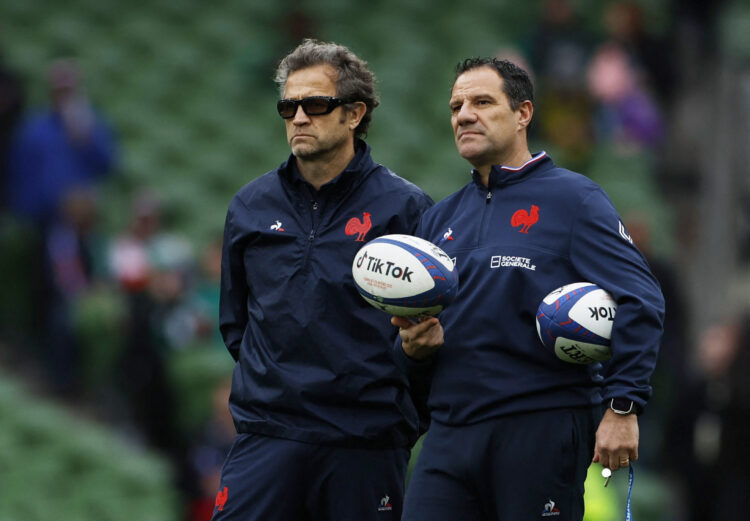
So, you've found yourself in the slightly chaotic, wonderfully rewarding world of coaching rugby. Maybe you've got a kid who's suddenly obsessed with scrums, or perhaps you've been roped into helping out your local club because, well, someone had to. Whatever the reason, welcome to the club! Being a better rugby coach isn't about being the next Warren Gatland barking into a headset; it’s about fostering a love for the game, building a team that’s more like a slightly dysfunctional, but fiercely loyal, family, and generally making sure everyone has a darn good time. Think of it less like a military operation and more like running a really enthusiastic, mud-splattered potluck dinner. Everyone brings something to the table, and the outcome is usually surprisingly delicious (or at least memorable).
Let’s be honest, coaching a bunch of budding rugby players can feel a bit like herding cats. Except these cats occasionally decide to form a maul. One minute they’re chasing a rogue pigeon across the pitch, the next they’re locked in a surprisingly effective defensive formation. Your job, as the coach, is to be the slightly bewildered but ultimately in-charge shepherd of these furry, often bewildered, humans. And that’s okay! We’ve all been there. Remember that time you tried to explain the offside rule and ended up with a huddle of blank stares that could curdle milk? Yeah, me too. It’s part of the charm, folks.
Understanding the "Why" Before the "How"
Before we even think about cones, drills, or perfecting that phantom pass, let's talk about the heart of it all: why are these kids (or adults!) out here in the freezing cold, getting battered and bruised, and probably smelling faintly of liniment and desperation?
Must Read
It’s usually for the craic. For the mates. For the feeling of belonging. For the sheer, unadulterated joy of a perfectly executed tackle (even if it's on your own teammate during training, oops!). As coaches, we are the guardians of that joy. We’re the ones who can accidentally extinguish that spark with too much pressure, too much jargon, or just a general lack of empathy. So, the first, and arguably the most important, step to becoming a better coach is to remember the player's perspective. What’s it like for them? Imagine you’re trying to learn to drive a car, and your instructor is constantly yelling about the nuances of the combustion engine and the precise angle of your elbow. You’d probably just freeze up and crash into a hedge, right? Rugby can feel like that for a beginner.
Think about your own experiences as a player. What did you love? What made you dread turning up? Was it the coach who made you feel like a superhero when you made a good play, or the one who made you feel about as useful as a chocolate teapot when you messed up? We’re not aiming to be the latter. We’re aiming to be the former. The one who makes them want to run through brick walls for you (and for the guy next to them).
It’s Not Just About Winning (Shocking, I Know!)
Ah, winning. The siren song of competitive sport. And yes, we all like to win. But here’s a little secret: at the grassroots level, it's often not the most important thing. Shocking, I know. If your sole focus is on the scoreline, you’re probably going to miss out on a whole heap of crucial development. Are players improving their tackling technique? Are they understanding the phases of play? Are they learning to communicate effectively on the field? Are they, dare I say it, actually enjoying themselves?
Imagine you’re baking a cake. Your goal is a delicious, moist masterpiece. If you’re so focused on getting the icing on perfectly straight away, you might forget to actually mix the ingredients, preheat the oven, or even check if you have enough flour. The cake might look okay from afar, but it’s going to be a culinary disaster. In coaching, the "icing" is the win. The "cake" is the development of good players and good people. Focus on baking the cake, and the icing will often sort itself out.
Making Training Less of a Chore and More of an Adventure
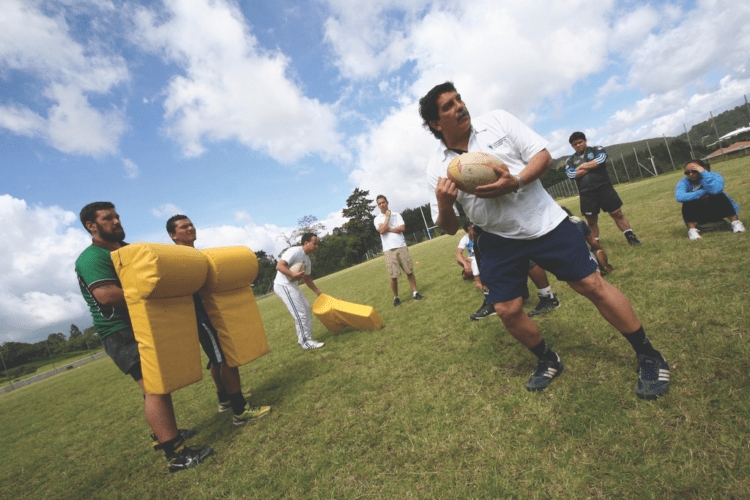
Let's face it, some drills can be drier than a week-old cracker. If your training sessions feel like a monotonous march through a grey, drizzly Tuesday afternoon, your players will start to feel that way too. We need to inject some life, some fun, some oomph into what we do.
Variety is the spice of life, and the secret sauce of good training. Think about it: would you rather spend an hour doing endless passing drills with no context, or play a game of "Sharks and Minnows" that subtly works on your footwork, evasion skills, and spatial awareness? Most of us would choose the latter. So, how do we do this?
Gamify everything. Turn your drills into mini-competitions. Instead of "practice your passing," make it "pass the ball through the cones the fastest" or "score points by hitting designated targets with your passes." Little incentives, a bit of friendly rivalry, and suddenly your players are not just going through the motions; they're actively engaged. It’s like turning your grocery shopping into a scavenger hunt for the best deals – suddenly it’s a bit more exciting than just aimlessly wandering the aisles.
The Art of the "Tell, Show, Do" (With a Twist)
This is a classic coaching mantra for a reason, but it can easily become a bit dry. "Tell them what to do, show them how to do it, then watch them do it." Simple, right?
The twist comes in the engagement. When you're telling, are you using language that resonates? Are you painting a picture? Instead of "maintain a low centre of gravity," try "stay like a grumpy badger, digging your claws in." When you're showing, are you demonstrating with enthusiasm? Are you exaggerating movements slightly to highlight the key points? And when they're doing it, are you giving specific, constructive feedback? Don't just say "good tackle." Say "Great tackle, Sarah! You got your body low and drove through the ball carrier – that's exactly what we want to see!"

Think of it like explaining a recipe. You don't just say "add flour." You say, "Now, for the magic ingredient – the flour! Sprinkle it in gently, like fairy dust, and let's see our batter transform." And when they add it, you might say, "Perfect! See how it’s thickening up? That’s the gluten working its magic." It’s about bringing the instruction to life.
Building a Team, Not Just a Collection of Players
This is where the real magic happens. A team is more than just eleven (or fifteen) individuals who happen to wear the same jersey. It’s a unit. It’s a brotherhood. It’s a sisterhood. It’s that feeling of knowing the bloke next to you has your back, even when you’ve just fumbled the ball on your own try line.
How do we cultivate this?
Foster communication. Rugby is a chaotic symphony of shouts and calls. If your players aren't talking to each other, they're essentially playing blindfolded. Encourage them to talk during drills, to call for the ball, to shout out when someone's running free. Make it a habit. When they're not communicating, gently remind them. "Anyone see that gap? Nope? Okay, let's work on our 'eyes up' game!"
The Power of Positive Reinforcement (Even When They're Being Goats)
We all mess up. It’s a universal truth. Your players will drop balls, miss tackles, and generally make mistakes that make you want to pull your hair out. But here’s the thing: focusing on the mistakes without acknowledging the effort is like only pointing out the burnt bits on a barbecue. You’re missing the whole delicious experience.

Catch them doing something right. Even if it’s just a tiny bit right. Did they get their body in the right position for a tackle, even if they missed? Praise that. Did they chase back hard, even if they were a bit late? Praise that. It’s about building their confidence so they’re willing to try again. Imagine trying to learn a new dance move. If every attempt is met with criticism, you’ll just want to sit down. But if the instructor says, "Great footwork there! Now, let’s just work on the hip sway a little," you’re more likely to keep trying.
And when they do make a mistake? Frame it constructively. Instead of "That was a terrible pass!" try "That pass was a bit wide. Let’s try to keep it tighter next time, aiming for your teammate’s chest." It’s about guiding them, not crushing their spirit. Think of it like you’re a sculptor. You’re not trying to smash the clay; you’re gently shaping it into something beautiful.
The Coach as a Role Model (Even When You'd Rather Be Napping)
Your players are watching you, all the time. Your attitude, your work ethic, your respect for the game and the opposition – it all rubs off. If you’re constantly moaning about the weather, or making sarcastic remarks about the referee, or showing a lack of respect for the other team, guess what? Your players will start to mirror that behaviour.
Be the person you want your players to be. Be enthusiastic, even on a soggy Saturday morning. Be fair and respectful, even when the referee makes a decision you strongly disagree with. Be committed. If you’re not willing to put in the effort, why should they? It's like trying to teach your kids about healthy eating by scoffing crisps in front of them. It doesn’t quite send the right message.
Dealing with the "Difficult" Player (And Understanding Their "Why")
Every team has one. The player who’s always a bit disruptive, who questions everything, who maybe struggles to follow instructions. They can be a handful, but often, there’s a reason behind their behaviour. Are they bored? Are they seeking attention? Are they struggling with something off the field?

Before you label them as a problem, try to understand the root cause. Have a quiet word. Ask them how they’re finding training. Sometimes, a simple conversation can unlock a whole lot. Maybe they just need a bit more responsibility, or a clearer explanation of their role. It’s like dealing with a toddler who’s having a meltdown. Sometimes a cuddle and a chat is more effective than a stern telling-off.
And if they are genuinely being a pain, remember that your role is to manage the team. Set clear boundaries. Explain the consequences of their actions. But always try to do it with a sense of fairness and a desire to help them improve, rather than just punishing them. You're building a team, remember?
Continuously Learning and Adapting
The game of rugby is constantly evolving, and so should your coaching. Don't be afraid to try new things, to read up on new techniques, to watch other coaches. Never stop learning. It’s like staying curious about the world. If you think you know it all, you’re probably already falling behind.
Seek feedback. Ask your players what they think. Ask your fellow coaches. Be open to constructive criticism. It might sting a little sometimes, but it’s usually a sign that you’re on the right track to improvement. It’s like getting a review on your cooking. If someone says, "This is a bit bland," you don't get angry; you think, "Okay, next time I’ll add more seasoning!"
Ultimately, being a better rugby coach is about being a better human. It's about fostering a positive environment, encouraging growth, and celebrating the small victories. It's about making sure that when the final whistle blows, everyone walks off the pitch with a smile, a sense of accomplishment, and a desire to come back next week, ready for more muddy, glorious rugby. And who knows, you might even find yourself enjoying it as much as they do. Now, go forth and coach with a smile!