How To Avoid Wheel Spin On Ice
Ah, winter! The season of cozy fires, steaming mugs, and… unexpected slides? While many of us associate winter with delightful snow days and maybe even some ice skating, there’s a more universally shared experience that often pops up: encountering slick, icy roads. For drivers, this can be a moment of mild panic, but for those who understand the nuances of traction, it can be a chance to showcase some surprisingly skillful maneuvering. So, whether you're navigating your daily commute or embarking on a winter road trip, learning to avoid wheel spin on ice is a vital skill that can turn a potential hazard into a managed situation.
The primary benefit of mastering this technique isn't just about avoiding a frustrating moment where your wheels just spin harmlessly. It's fundamentally about safety and control. When your wheels spin on ice, you lose traction. Loss of traction means loss of steering and braking effectiveness. Imagine trying to turn when your tires are just digging into a slippery surface – you're not going anywhere predictable. For everyday life, this translates to a safer journey. You're less likely to slide into other vehicles, off the road, or into that innocent snowbank. It’s about preserving your vehicle, your passengers, and your peace of mind.
We see the consequences of poor traction all the time, from news reports of multi-car pile-ups on icy highways to that awkward moment when you’re trying to get out of a slightly sloped driveway and your tires just… whirr. More positively, professional drivers in rally racing or even just experienced winter drivers often demonstrate this skill. You might have seen videos of cars gingerly accelerating from a standstill on a frozen lake, or a truck driver expertly maneuvering through a blizzard. These are all examples of applying an understanding of low-traction surfaces.
Must Read
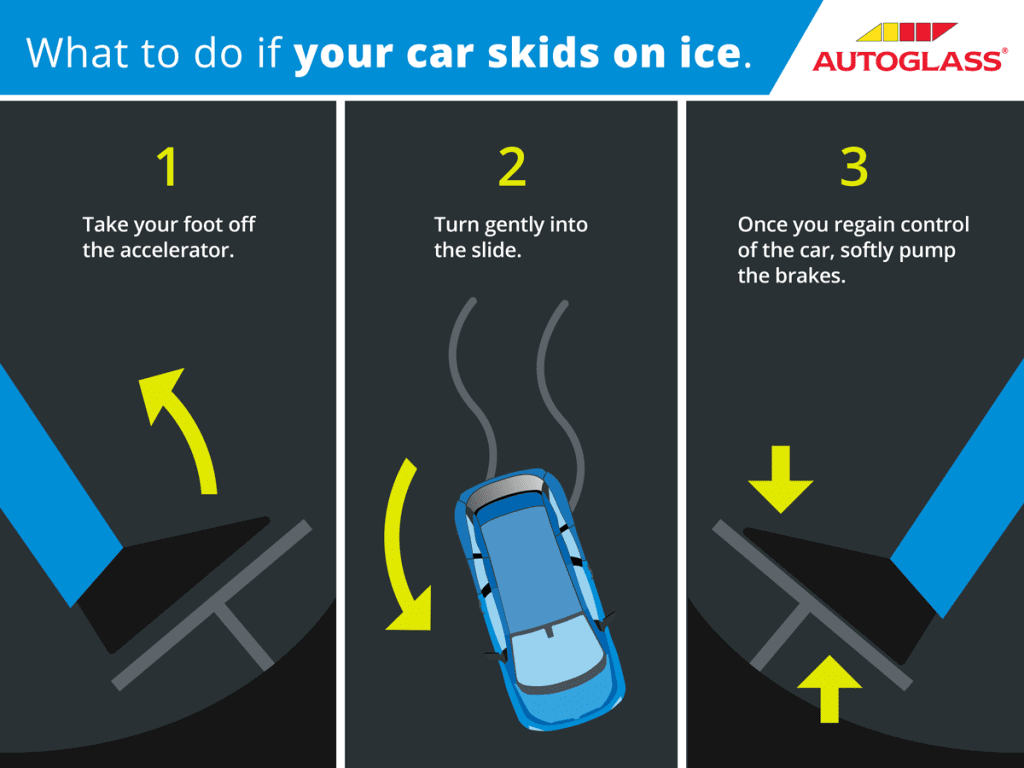
So, how do you become one of those drivers who seems to glide effortlessly over the ice? The secret lies in gentle inputs. Think of your accelerator pedal not as an on/off switch, but as a dimmer. Instead of stomping on it, gradually apply pressure. You want to feel the tires engage the surface, not overwhelm it. If you feel even the slightest bit of wheel spin, ease off the accelerator immediately. This allows the tires to regain grip. The same principle applies to braking and steering. Make your movements smooth and deliberate. Avoid sudden jerks or sharp turns. If you need to steer, do it with a slow, controlled motion. And when braking, apply gentle, consistent pressure. Modern cars with ABS (Anti-lock Braking System) help, but they can’t perform miracles on pure ice if you’re still yanking the steering wheel or slamming on the brakes.
Another key tip is to look ahead. Scan the road for potential icy patches – they often appear in shaded areas or on bridges and overpasses, where temperatures drop faster. If you see ice, reduce your speed proactively. This gives you more time to react and allows for gentler inputs. Finally, remember that your tires are your connection to the road. Ensuring you have good quality winter tires with adequate tread can make a world of difference in your ability to grip icy surfaces. By focusing on these smooth, controlled, and anticipatory driving techniques, you can significantly reduce the chances of experiencing that unnerving wheel spin and enjoy a much safer and more confident winter driving experience.