
How Often To Use Ipl At Home
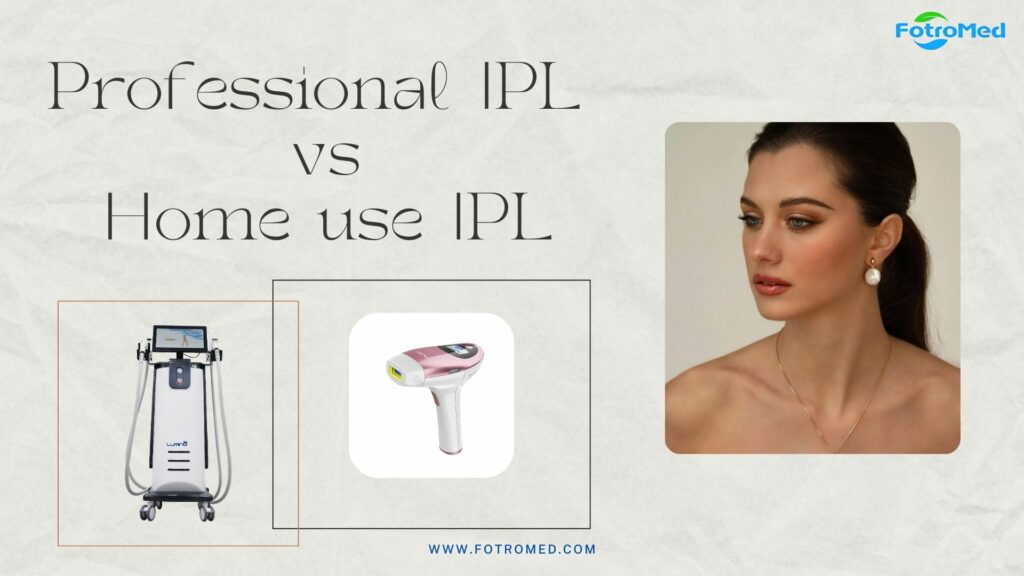
So, you've got one of those fancy at-home IPL devices. You know, the sleek little gadget that promises to banish unwanted fuzz with the power of light? It's sitting there on your bathroom counter, looking all professional, and you're staring at it, wondering, "Okay, so when do I actually use this thing?" It's kind of like having a superpower you're not quite sure how to deploy. Do you whip it out daily, like brushing your teeth? Or is it more of a special occasion thing, like breaking out the fancy cheese for a dinner party?
Let's be honest, the instruction manual that came with your IPL can sometimes read like it was written by a mad scientist on a caffeine-fueled spree. All those terms like "photonic pulses" and "melanin absorption" can make your eyes glaze over faster than a donut at a police convention. But fear not, fellow fuzz-fighter! We're going to break down the how often of at-home IPL in a way that's as easy as deciding whether to have another biscuit. No PhD in advanced laser physics required.
Think of your IPL device as your new skincare BFF. You wouldn't smother your face with a serum every five minutes, right? You'd follow a routine. IPL is much the same. It's not a quick fix, like slapping on a band-aid to stop a major leak. It's more of a marathon, not a sprint. You're training your hair follicles to chill out, to pack their bags and move to Tahiti. And that takes a little bit of patience and consistency.
Must Read
The general consensus, the wisdom passed down from the IPL elders (okay, maybe just the company's marketing department), is to start with a concentrated initial treatment phase. This is where you're really laying the groundwork. Think of it as the intensive boot camp for your hair. Most manufacturers recommend using your IPL device once every 1-2 weeks during this initial phase. So, if you're treating your legs, maybe you do it one Sunday, then the next, and so on.
Why this frequency, you ask? Well, it’s all about catching those pesky hair follicles at the right stage of their growth cycle. Hair doesn't all pop out at the same time. It’s like a staggered launch of a new iPhone – some are ready to go, others are still in production. IPL works best on hair that's actively growing. By zapping every 1-2 weeks, you're increasing your chances of hitting that sweet spot and intercepting as much hair as possible during its prime time.
Imagine you’re trying to herd cats. They’re all over the place, doing their own thing. You can’t just round them up all at once. You gotta be persistent, keep gently nudging them in the right direction. That’s what the initial phase of IPL is all about – persistent nudging of those hair follicles.
Now, this initial phase usually lasts for about 4-12 weeks, depending on your hair type, color, and the area you're treating. Some folks might see results sooner, others might need a bit more time. It’s like waiting for a soufflé to rise – you can’t rush perfection. You peek too early, and it deflates faster than a leaky balloon at a toddler's birthday party.
So, let's say you're tackling your underarms. You might start with once every week for the first month. Then, if things are looking promising – less stubble, slower regrowth – you might ease it back to every two weeks. It's a bit of a dance, a give-and-take with your hair. You’re not trying to win a wrestling match; you’re trying to negotiate a peace treaty.

Moving to Maintenance Mode
Once you've completed your initial treatment phase and you're feeling pretty chuffed with the results – you’re seeing significantly less hair, and what does grow back is finer and sparser – congratulations! You’ve graduated from boot camp. Now it's time to enter maintenance mode. This is where things get decidedly more chill.
In maintenance mode, you’re not trying to obliterate every single hair follicle with extreme prejudice. You’re more like a gentle gardener, tending to your peach fuzz patch. The frequency here is much lower. Think once a month, or even once every 6-8 weeks.
This is for those times when you might notice a rogue hair or two popping up, or if you feel like your hair is starting to get a little too bold for its own good. It’s like a quarterly check-up with your favorite mechanic – just to make sure everything is running smoothly. You don't need to go in every other day, do you? Of course not.
The goal of maintenance is to catch any new hair growth early, before it has a chance to get its act together and stage a full-blown comeback. It’s like putting a little fence around your prize-winning petunias to keep the neighborhood squirrels at bay. You’re not building Fort Knox, just a friendly deterrent.
Some people find that once they're in maintenance mode, they barely need to use their IPL device at all. Others find they still benefit from a monthly touch-up. It really depends on your individual body and how quickly your hair decides to rebel. It's not a one-size-fits-all situation, more like choosing your favorite ice cream flavor – totally personal.

Factors That Influence Your IPL Schedule
Now, while we've got these general guidelines, there are a few things that might make you tweak your IPL schedule. It’s not just about blindly following a clock; it’s about listening to your skin and your hair.
First up, your hair color and thickness. IPL devices work by targeting the pigment (melanin) in your hair. So, if you have very dark, coarse hair, you might see results faster and be able to stretch out your maintenance sessions a bit more. If you have lighter hair, or finer hair, it might take a bit longer to see the desired reduction, and you might need to stick to the recommended frequency for a bit longer.
Think of it like trying to catch a tiny, fast-moving fly versus a slow-moving beetle. The fly requires more frequent attempts. The beetle? You’ve got a bit more leeway.
Next, your skin tone. IPL is generally safest and most effective on lighter skin tones. If you have darker skin, there's a higher risk of the IPL light being absorbed by the melanin in your skin rather than just your hair, which could lead to burns or discoloration. Many devices have different intensity settings to accommodate various skin tones, but it’s crucial to follow the manufacturer's recommendations for your specific skin type. If you’re unsure, always do a patch test first!
Then there's the area you're treating. Different parts of your body have different hair growth cycles. For example, hair on your legs might grow at a different pace than hair on your upper lip. You might find that you need to treat your legs more frequently during the initial phase than, say, your bikini line. It’s like how your car needs an oil change more often than your lawnmower needs a tune-up.

And let's not forget your hormones! Yes, those mischievous little things can play a role. Hormonal fluctuations (think pregnancy, menopause, or certain medical conditions) can sometimes stimulate hair growth. If you notice a sudden increase in hair growth, you might need to adjust your IPL routine accordingly. It’s like trying to keep a leaky faucet under control – sometimes you need to turn the handle a bit more.
Tips for Sticking to Your Schedule
Okay, so we've talked about when to use it. But how do you actually remember to do it? Life gets busy, things pop up, and suddenly you realize it's been two months since you last zapped your legs. Here are some tips to keep you on track:
- Schedule it like an appointment. Seriously, put it in your calendar. Treat it like a dentist appointment or a coffee date with your bestie. When it's in your calendar, you're more likely to do it.
- Link it to an existing routine. Do you always do a face mask on a Tuesday night? Or maybe you watch a certain show on a Friday? Try to incorporate your IPL session into that existing ritual. "Okay, after my facemask, I'll do my IPL." It becomes a seamless part of your self-care.
- Make it fun! Blast your favorite music, light some candles, make it a mini spa session. The more you enjoy it (or at least tolerate it!), the more likely you are to stick with it.
- Don't beat yourself up if you miss a session. Life happens! If you miss a week, just pick up where you left off. Don't think, "Oh, I messed up, I'm done." Just get back on track. A missed session is not the end of the world; it’s just a little blip on the radar.
- Track your progress. Some apps allow you to track your treatments, or you can simply jot it down in a notebook. Seeing how far you've come can be a great motivator to keep going. "Wow, last month I had so much more hair!"
Remember, consistency is key. It's like building muscle at the gym. You don't get ripped by going once and then never again. You gotta show up regularly. Your IPL device is no different.
When NOT to Use Your IPL
Just as important as knowing when to use your IPL is knowing when to hold off. You wouldn't go for a long jog right after a big surgery, would you? Similarly, there are times when your skin needs a break from the light.
Avoid using IPL on sunburned skin. Your skin is already irritated and inflamed. Adding a burst of light is like poking a sore. Give it time to heal completely before you even think about zapping.

Don't use it on broken or irritated skin. This includes cuts, scrapes, rashes, or active acne. Again, you're just going to make things worse. Wait until your skin is clear and healthy.
Be cautious with recent sun exposure. Even if you’re not visibly sunburned, tanned skin can be more sensitive. It’s best to stay out of the sun as much as possible in the weeks leading up to and following your IPL treatments, especially if you have darker skin. This is because the melanin in your tanned skin can absorb the light energy, leading to potential side effects.
Avoid using it on areas with tattoos or permanent makeup. The light will be attracted to the pigment in these areas, and it can cause the ink to fade or even cause a reaction. So, those gorgeous art pieces on your skin are a no-go zone for IPL.
If you're taking certain medications, like photosensitizing drugs (which make your skin more sensitive to light), you'll need to consult your doctor before using IPL. It's always better to be safe than sorry!
Essentially, think of your skin as a delicate flower. You want to nurture it and give it the best conditions to thrive. IPL is a tool to help with that, but it's not a magic wand that can fix everything. It works best on healthy, happy skin.
So, there you have it! The lowdown on how often to use your at-home IPL device. It’s not rocket science, it’s just a little bit of understanding and a dash of consistency. Think of it as a friendly, light-based pact with your skin. You be gentle and consistent, and it’ll reward you with smoother, less hairy results. Now go forth and zap with confidence!

