How Often To Flea And Worm Dogs
Hey there, fellow dog lovers! Let's talk about something that might not be the most glamorous, but it's super important for keeping our furry best friends happy and healthy: flea and worm treatments. Think of it like this: you wouldn't let your kids run around with sticky hands all day, right? Well, our dogs are the same, but instead of jam, they can pick up some unwanted guests from the world around them.
It's easy to get caught up in the everyday hustle – the morning walks, the slobbery kisses, the epic games of fetch. And then, poof! Flea and worming might slip our minds. But honestly, a little bit of regular prevention goes a long way in saving ourselves and our pups a whole lot of hassle. Imagine your dog doing that happy little wiggle when you scratch that perfect spot behind their ears. Now imagine them doing it because they're itching like crazy from fleas. Not so cute, is it?
So, how often should you be thinking about this? The general consensus, and the advice you'll get from your trusty vet, is to aim for flea treatment every month. Yep, monthly! It sounds like a lot, but think of it as a tiny, quick victory against a tiny, persistent enemy.
Must Read
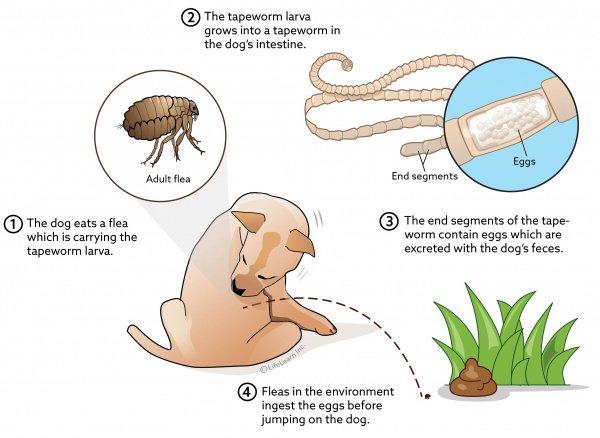
Why monthly? Well, the life cycle of a flea is pretty sneaky. They lay eggs that can fall off your dog and into your carpets, furniture, or even your garden. These eggs hatch into larvae, which then turn into pupae. These pupae can hang out for ages, just waiting for a warm, fuzzy host to come along. When your dog walks by, bingo, they latch on and start the whole cycle again. So, treating monthly helps to break that cycle before it even gets going.
It’s like putting on sunscreen every day, even when it’s cloudy. You might not see the sun beating down, but the UV rays are still there, ready to cause trouble. Fleas are the same. They can be lurking even if you don't see your dog scratching furiously. And trust me, once they set up shop, they're a nightmare to evict.

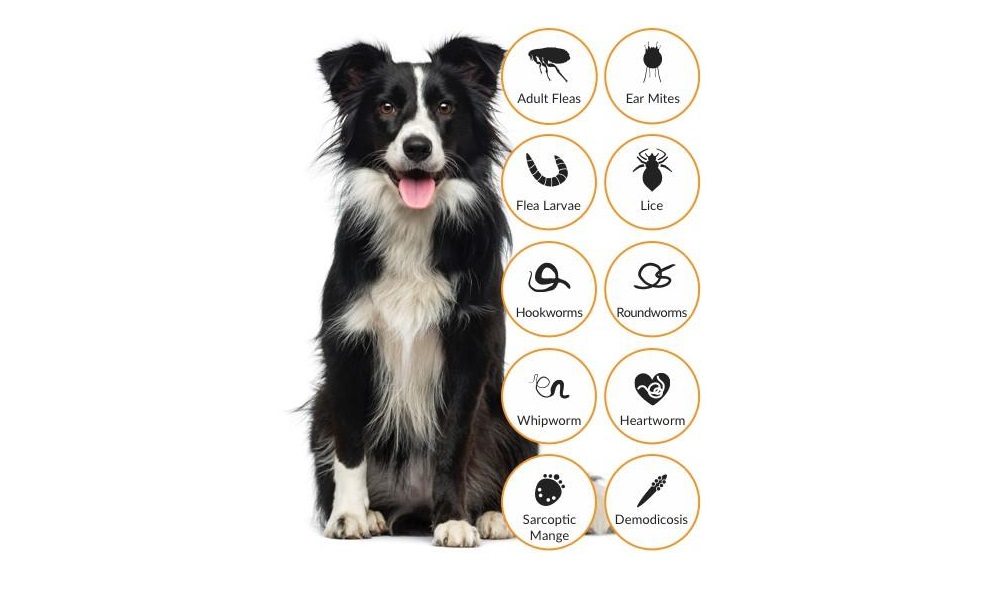
Now, let's chat about worms. This one can be a little more varied. The usual recommendation is worming every three months, or quarterly. This is because the life cycles of common intestinal worms are a bit longer than fleas. Again, your vet will be able to give you the best advice tailored to your dog's lifestyle and where you live.
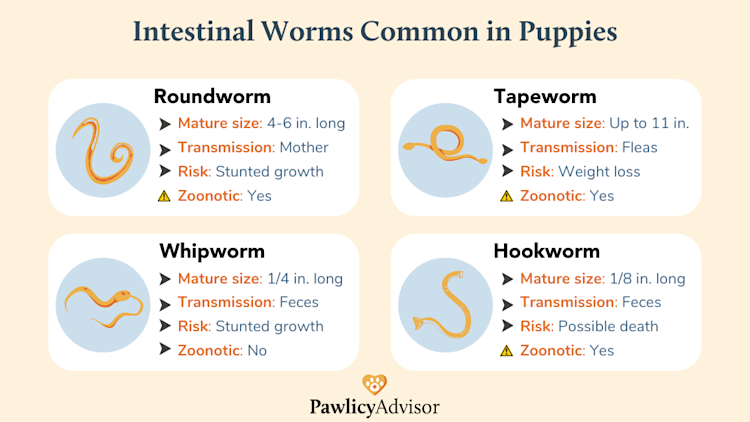
Think about your dog sniffing everything on a walk. They might lick something that has worm eggs on it, or even eat a small creature like a mouse that carries worms. Gross, I know, but it's part of being a dog! These tiny parasites can then live happily in your dog's intestines, stealing nutrients and causing all sorts of health issues.
What kind of issues? Well, for starters, a dog with worms might have a dull coat, lose weight even if they're eating a ton, or have an upset tummy. Sometimes, you might even see actual worms in their poop. Talk about a wake-up call! And it’s not just about your dog; some worms can even be transmitted to humans, especially children. So, keeping your dog worm-free is also a way of looking after your whole family. It’s a bit like washing your hands after you’ve been outside – a simple step to keep everyone healthy.
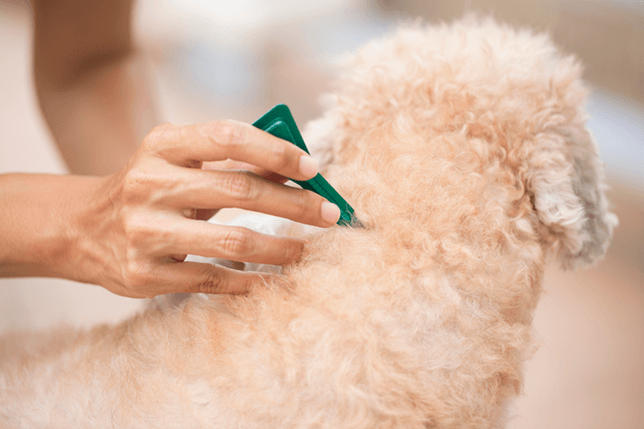
There are different types of treatments available, and your vet is your best friend here. You've got spot-on treatments you apply to their skin, tasty chews that are like a treat, and sometimes even tablets. The key is to find something that works for you and your dog. Some dogs are champions at swallowing pills, while others treat it like a gourmet meal gone wrong. We’ve all been there with those stubborn chewers!
Let’s say you have a dog like my friend Sarah’s Golden Retriever, Buster. Buster is the ultimate sniff-and-lick enthusiast. He’ll investigate every blade of grass and every interesting smell on his walks. Sarah makes sure Buster gets his monthly flea treatment religiously. She says it's just a small price to pay for the peace of mind knowing Buster isn't bringing home any of those tiny, biting squatters. And for worming, she’s on a strict every-three-months schedule, often buying a multipack so she doesn't forget.
Or consider my neighbour, Mr. Henderson, and his scruffy terrier, Pip. Pip is a bit of a hunter, always chasing after anything that moves in the garden. Mr. Henderson knows Pip’s curious nature means he’s more exposed to potential worm hosts. So, he’s particularly diligent with Pip’s quarterly worming. He’s even tried a few different worming products to find one Pip actually enjoys, which makes the whole process less of a wrestling match!
It’s also worth noting that if your dog has a specific health condition or is very young or old, your vet might recommend a different schedule. Always, always have a chat with your vet. They’re the pros, and they know your dog best. They can help you choose the right products and give you personalised advice. It’s like getting a car service – you wouldn't just guess when it's due, you'd trust your mechanic.
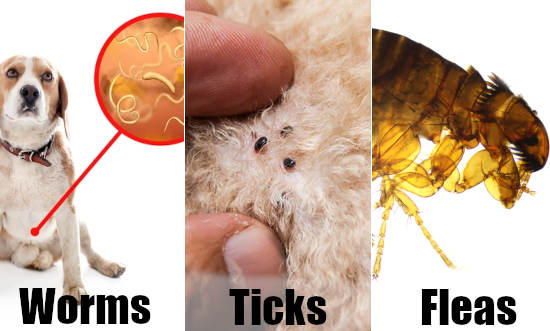
Think of it as a routine maintenance for your dog's health. Just like you get your teeth checked by the dentist, or your car serviced, giving your dog regular flea and worm treatment is a form of proactive care. It's much easier and cheaper to prevent these problems than to treat them once they've taken hold. A severe flea infestation can lead to skin infections and anemia, and serious worm burdens can impact your dog's growth and overall well-being.
And let's be honest, wouldn't you rather spend your time cuddling your dog on the sofa than frantically trying to de-flea the entire house? Or dealing with a vet visit for a sick pup? It’s the small, consistent efforts that make the biggest difference. Setting a reminder on your phone, popping it on the calendar, or even linking it to another monthly chore like paying a bill can be incredibly helpful. We’re all human, and life gets busy, so a little system can go a long way.
Ultimately, giving your dog regular flea and worm treatment is an act of love and responsibility. It shows you care about their comfort, their health, and the health of everyone around them. So, next time you’re at the vet, or picking up your dog’s food, have a quick chat about their flea and worming plan. It’s a small step that leads to a lot of happy wags and healthy cuddles. Your dog will thank you for it, probably with an extra sloppy kiss!