How Often Do You Flea Your Dog
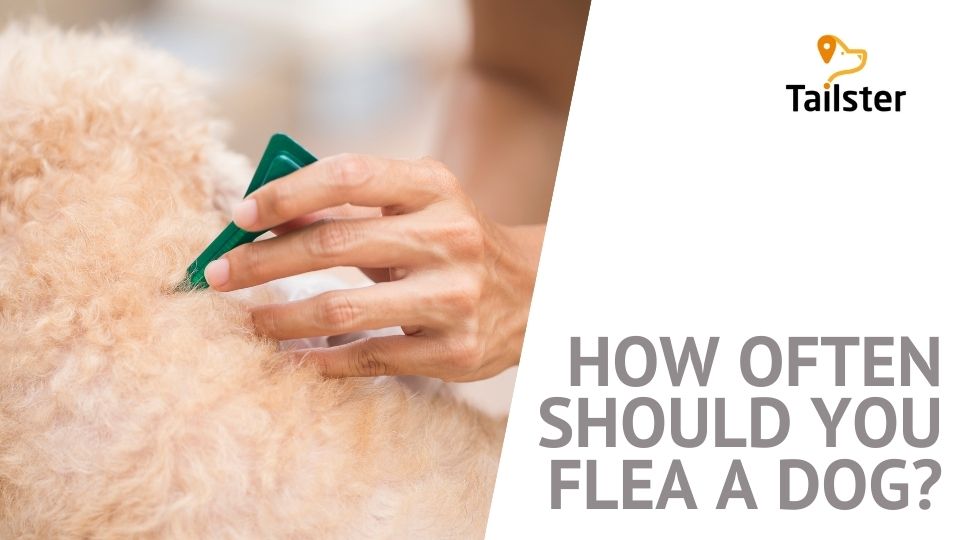
Alright, settle in, grab your imaginary latte, because we're about to dive into a topic that's as thrilling as watching paint dry, but way more important: flea treatments for your canine companion. Yes, I'm talking about those tiny, jumpy vampires that have a personal vendetta against your dog’s happiness (and, let’s be honest, yours too). So, how often do you actually need to unleash the flea-fighting arsenal on your furry best friend? Let’s spill the kibble.
First off, let’s get one thing straight: unless your dog lives in a hermetically sealed bubble, which, let's face it, is less "loving home" and more "alien abduction experiment," fleas are basically inevitable. They’re like that one relative who shows up unannounced at Thanksgiving – unwelcome, but you kinda saw it coming. These little critters are survivors. They can hang out in their egg form for months, just waiting for the perfect opportunity to hatch and throw a rave on your dog’s backside.
Now, the million-dollar question: how often should you be applying these magical potions or giving those tasty (to your dog, anyway) chewables? The overwhelming, no-brainer, everyone-agrees-on-this answer is: every single month.
Must Read
Yep, you heard me. Once a month. Think of it like paying your rent or watering your suspiciously droopy houseplant. It’s a non-negotiable, recurring task that keeps the whole operation from going belly-up. Why monthly? Because most of the super-effective flea and tick preventatives on the market are designed to work for about 30 days. They kill fleas that jump on your dog during that month, and bonus points, they often tackle ticks and sometimes even other creepy crawlies too. It’s like a tiny, furry superhero squad that gets deployed monthly.
Let’s break it down. Flea eggs hatch into larvae, which then turn into pupae (the super-tough stage that can survive anything short of a nuclear blast). These pupae hatch into adult fleas, and boom, they’re off to the races, or rather, off to your dog. A monthly treatment doesn’t just kill the adult fleas currently munching away; it also helps break the life cycle by killing eggs and larvae that might be lurking in your carpets, your dog’s bed, or even that dust bunny convention under your couch that’s probably plotting world domination.
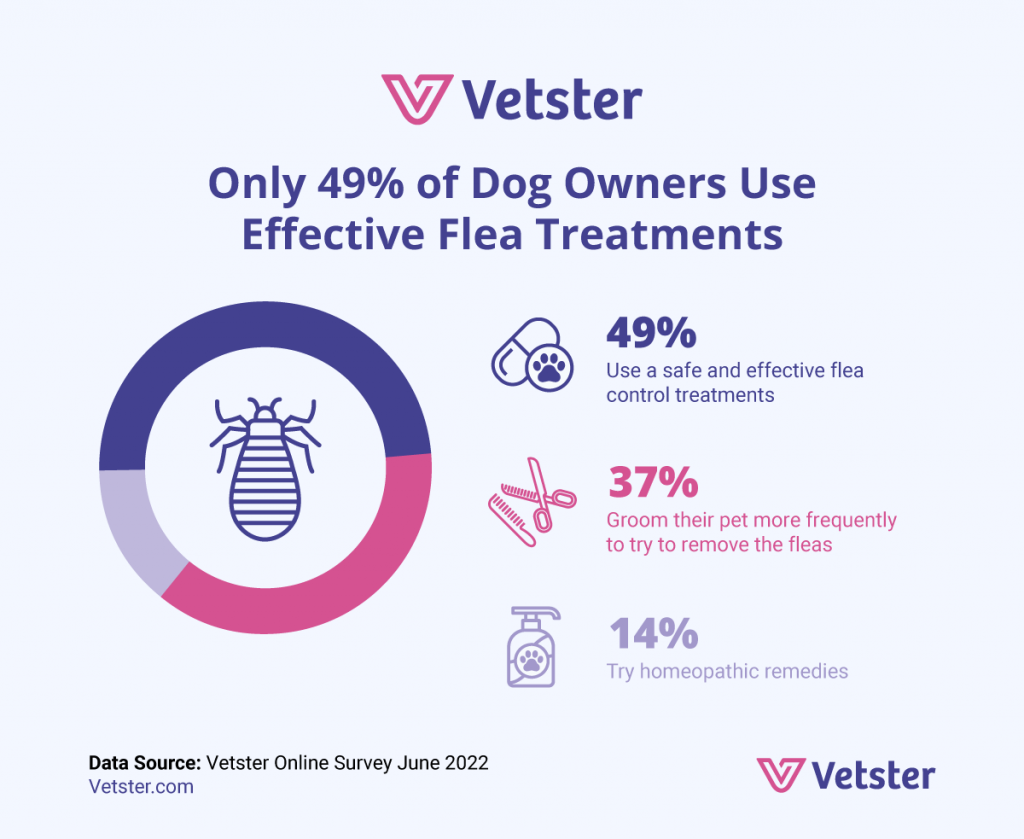
The "But My Dog Never Gets Fleas!" Fallacy
Oh, you sweet, naive soul. Do you really never see them? Or have you just been lucky enough to not have a full-blown infestation? Fleas are sneaky. They can hitch a ride from the park, from a friend’s dog, or even from a squirrel who’s having a particularly adventurous day. That one flea you might have seen last year? That could have been the scout for an entire army. Prevention is so much easier (and cheaper) than eradication. Trust me, you don't want to experience the full-blown flea frenzy. It involves vacuuming like a maniac, washing everything in hot water, and your dog looking at you with betrayal in its eyes because you accidentally stepped on its tail during a desperate flea hunt.
Think of it this way: would you wait until you have a mountain of bills before you decide to pay your electricity? Of course not! You pay them regularly to avoid a blackout. Flea treatment is your dog’s electrical bill. Pay it monthly, and keep the lights (and the scratching) off.
Different Strokes for Different Pups
Now, while monthly is the golden rule for most preventatives, there are a few things to keep in mind:
:strip_icc()/how-do-puppies-dogs-get-fleas-2804954_FINAL-5bec272846e0fb00263e2aa4.png)
Topicals: These are the little vials you squeeze onto your dog’s back. Most of them are indeed monthly. But always read the label! Some might have slightly different application windows. And please, for the love of all that is holy, do not give your cat a dog flea treatment. Their metabolisms are different, and it can be seriously, dangerously toxic. This isn't the time for "sharing is caring," folks. It's the time for dog stuff for dogs and cat stuff for cats.
Oral Chewables: These are the yummy treats that your dog will likely do backflips for. Again, monthly is the standard. They’re formulated for a month of protection. It’s like giving them a delicious monthly vitamin that happens to repel tiny vampires. Easy peasy.
Collars: Ah, the flea collar. A classic. Some of these can last for several months, which sounds like a dream, right? Read the packaging carefully. Some are good for 5 months, some for 8. But even with a long-lasting collar, it’s a good idea to keep an eye on your dog for any signs of fleas. Sometimes the protection can wear off a little before the stated expiry date, especially if your dog enjoys swimming or rolling in things that smell suspiciously like mud and mystery.

The "What If" Scenarios
Okay, so what if you’re late by a few days? Don’t panic. If you’re only a day or two past your usual date, it’s probably not the end of the world. Your dog isn’t going to instantly sprout a flea mane. Just apply the treatment as soon as you remember. But don’t then double up next month thinking you’re being extra careful. That can lead to problems. Stick to the schedule.
What if your dog has fleas right now? This is where things get a bit more urgent. Your monthly preventative might kill new fleas, but it’s not an instant exterminator for an existing infestation. You might need a flea shampoo to kill the adults currently on your dog, and then immediately start your monthly preventative to stop the cycle from continuing. You might also need to consider treating your home. Yes, your home! Fleas spend most of their life cycle off your dog, chilling in your environment. Think of it as waging war on two fronts: on your dog and in your living room.
Surprising Fact Alert! Did you know that for every adult flea you see on your dog, there could be hundreds of eggs, larvae, and pupae waiting in your home? It's like a secret flea society living in your upholstery. Shudder.
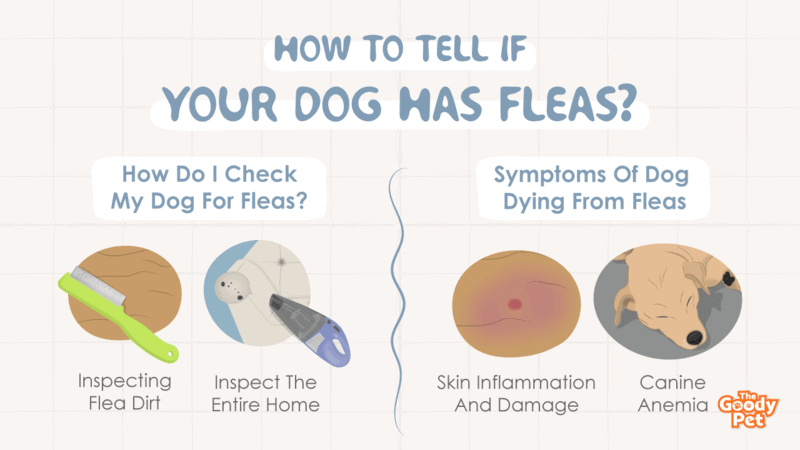
And another one: dogs can be allergic to flea saliva! This means even a single flea bite can cause an intense, itchy reaction, leading to a miserable, flea-allergic dog. So, monthly treatment isn't just about comfort; it's about their health!
Your Veterinarian: Your Flea-Fighting Ally
If you’re ever unsure about which product to use, how often to use it, or if your dog is having a reaction, your veterinarian is your best friend. They can recommend the best treatment based on your dog’s age, weight, health, and your local flea situation. They’ve seen it all, from mild cases to canine flea-geddon, and they can guide you through it.
So, there you have it. The not-so-secret secret to keeping your dog a happy, itch-free member of society? Monthly flea and tick prevention. It's not a suggestion; it's a fundamental pillar of responsible dog ownership. Treat it like your monthly coffee run – essential for your sanity (and your dog’s).