
How Often Do You Bathe A Puppy

Hey there, fellow puppy parent! So, you've got a tiny ball of fluff, a whirlwind of adorable chaos, and a whole lot of love. Congrats! Now, let's talk about a question that probably pops into your head more often than you'd like to admit: "How often do I actually need to bathe this little furball?" It's a valid question, and one that can lead to some hilarious situations (ever tried to bathe a puppy who thinks water is a personal affront?).
Let's get one thing straight right off the bat: your puppy isn't a walking, wagging, water-averse science experiment. They don't need a spa day every single day. In fact, over-bathing can actually do more harm than good, stripping their skin of its natural oils and leaving them dry, itchy, and potentially even more prone to skin issues. And who wants a grumpy, itchy puppy? Nobody, that's who!
Think of it like this: you don't jump in the shower every time you sneeze, right? Your puppy's needs are similar. They're not rolling in mud puddles (yet!) or commuting to a corporate office, so their hygiene needs are a bit different from ours.
Must Read
The General Rule of Thumb: Less is More (Usually!)
So, what's the magic number? Drumroll, please... most puppies only need a bath once every few weeks, or even once a month. Yep, that's it! Unless they've had a particularly adventurous encounter with something… less than pleasant (we'll get to that!), you can probably relax on the bathing schedule.
Of course, this is a general rule. Like a well-intentioned but slightly wonky baking recipe, there are always exceptions. And those exceptions are often the most fun (or the most… fragrant) parts of puppy ownership.
Factors That Might Influence Your Bathing Decisions
Let's dive into the nitty-gritty of what might have you reaching for the puppy shampoo sooner rather than later.
Breed Matters (A Little!)
Some breeds, like those with naturally oily coats (think some hounds or retrievers), might benefit from slightly more frequent baths. Their coats can sometimes trap more odor. On the other hand, breeds with very fine or dry coats might need to be bathed even less often.
But honestly, for most common breeds, the difference isn't drastic. A playful Golden Retriever and a fluffy Poodle will likely both be perfectly happy with a bath every few weeks.

Lifestyle: Are They a Couch Potato or an Adventure Junkie?
This is a big one! If your puppy spends most of their time indoors, snoozing on your best armchair and occasionally chasing a dust bunny, they're probably not getting that dirty. They might go a good month or even longer between baths and be perfectly fine.
However, if your puppy is an outdoor enthusiast, a keen digger, a lover of puddles (oh, the puddles!), or just has a knack for finding the smelliest thing in a ten-mile radius, then bath time might be calling more frequently. Accidents happen, and sometimes those accidents smell… really, really bad.
Their Own Body Odor (The "Eau de Puppy")
Let's be honest, puppies have a unique scent. It's usually adorable, a mix of milk and pure innocence. But sometimes, their natural oils can build up, leading to that distinct "doggy smell." If you start noticing your house starting to smell a little… well, doggy, it might be time for a wash.
This is less about being "dirty" in the traditional sense and more about managing natural body odors. Think of it as maintaining a pleasant home environment for everyone, including you!
Skin Issues: When the Vet Says So
This is where things get serious, and you absolutely want to follow your veterinarian's advice. If your puppy has any skin allergies, infections, or other dermatological issues, your vet might recommend specific bathing routines with medicated shampoos. This is not something to guess about; always consult your vet.

In these cases, bathing can be a crucial part of their treatment plan, helping to soothe irritation, kill bacteria, or remove allergens. It's not about making them smell pretty; it's about helping them feel better.
The "Oh No, What Did You Roll In?!" Scenarios
Ah, the dreaded "mystery stink." You know the one. You let your puppy out for a quick potty break, and they come back looking smug and smelling like they've just wrestled a skunk and lost. Or perhaps they've discovered a particularly fascinating (and fragrant) patch of something in the yard.
In these situations, the "every few weeks" rule goes out the window. Immediate bathing is necessary! There's no point waiting for bath day when your house smells like a biohazard zone. You'll want to use a good de-skunking shampoo (there are special ones for this!) or a strong, but puppy-safe, dog shampoo to tackle the offensive odor.
Don't be surprised if you have to bathe them more than once in these extreme cases. Some stinks are just that stubborn. Just be sure to rinse thoroughly to avoid any shampoo residue.
The "Quick Clean" Options: For In-Between Baths
So, what do you do when your puppy is a little grimy but not quite ready for a full-on bath? Enter the world of puppy-friendly grooming wipes and dry shampoos!
Puppy Grooming Wipes
These are your best friends for spot cleaning. Did your puppy get a little mud on their paws? A quick wipe. Did they get a bit of something questionable on their tummy? Wipe it down! They're great for cleaning up small messes and can help to freshen them up without a full bath.

Just make sure you're using wipes specifically designed for puppies and that they are free of harsh chemicals or fragrances that could irritate their skin. Always check the ingredients!
Puppy Dry Shampoo
This is like a magic powder or spray that you can use to absorb excess oils and odors from their coat. You essentially rub it in, let it sit for a few minutes, and then brush it out. It's a fantastic way to keep your puppy smelling fresh between baths without the hassle of water and suds.
Again, ensure it's a product specifically formulated for puppies. What works for a human's hair might not be suitable for your puppy's sensitive skin.
Making Bath Time (Slightly) Less Terrifying
Let's be honest, for many puppies (and some owners!), bath time can be a bit of an ordeal. We're talking whimpering, splashing, and a general sense of "why is this happening to me?!"
The key here is to make it a positive experience. The earlier you start introducing your puppy to baths, the better. Make it a gentle, calm process.
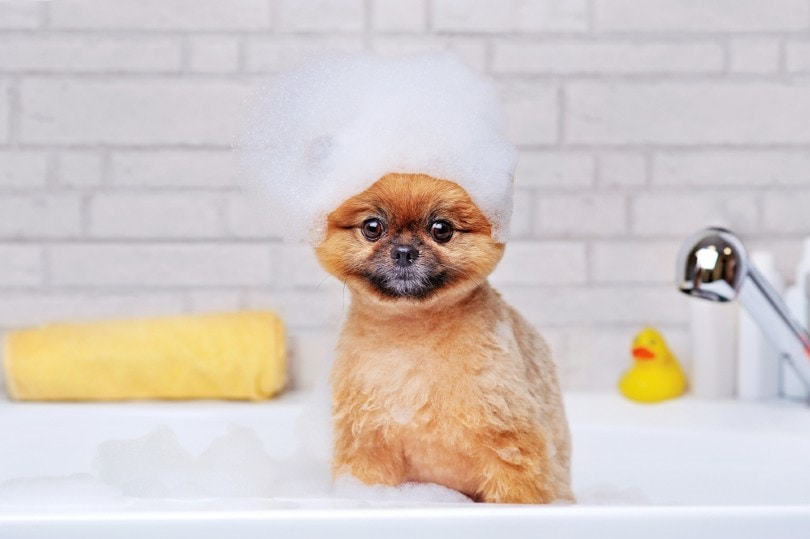
- Start Slow: Begin with just getting them used to the bathroom or grooming area. Let them explore, give them treats, and make it a happy place.
- Warm Water is Key: Nobody likes being blasted with ice-cold water or scalding hot water. Use lukewarm water. Test it on your wrist first.
- Gentle Shampoo: Use a mild, puppy-specific shampoo. Avoid human shampoos as they have the wrong pH balance for their skin.
- Keep it Quick: The less time they spend being uncomfortable, the better. Aim for an efficient wash and rinse.
- Lots of Praise and Treats: Every step of the way, offer praise and tasty rewards. Make them associate bath time with good things.
- Towel Dry Enthusiastically (and Gently!): Once the water is out, get them warm and dry quickly. Some puppies love to shake, so maybe stand back a little (or wear waterproof gear!).
- The Post-Bath Zoomies: Be prepared for the post-bath zoomies! It's their way of shaking off the water and re-establishing their "normal" scent. It's a glorious, often hilarious, sight!
If your puppy is truly terrified, don't force it. Try shorter, more frequent introductions to water and washing, always with positive reinforcement. Sometimes, a groomer who specializes in puppies can also help make it a less stressful experience for everyone.
What About Puppies Under 8 Weeks Old?
This is a super important point! Generally, puppies under 8 weeks old shouldn't be bathed unless absolutely necessary. They are still developing their immune systems and are more susceptible to getting sick from being chilled or exposed to anything. Plus, they're still getting valuable antibodies from their mother.
If they get into something truly awful, a very gentle spot clean with a damp cloth and maybe a tiny bit of puppy shampoo might be your only option. But for the most part, resist the urge to give those tiny newborns a full bath. They're usually pretty clean thanks to their mama!
The Bottom Line: Trust Your Gut (and Your Nose!)
Ultimately, figuring out how often to bathe your puppy is a bit of an art form, not an exact science. You'll learn your puppy's individual needs and quirks. Pay attention to:
- Their smell: If they're starting to reek, it's bath time.
- Their appearance: Are they visibly dirty, muddy, or greasy?
- Their comfort: Are they scratching excessively?
- Their activity: Have they been on a particularly messy adventure?
Don't get hung up on a strict schedule. A little bit of dirt is good for them (builds a stronger immune system, believe it or not!). Over-bathing is the real enemy here.
So, go forth, fellow puppy parent! Embrace the occasional whiff of "eau de puppy," the muddy paws, and yes, even the dreaded skunk encounter. Because in the grand scheme of things, those bath times, however chaotic, are just another step in building a beautiful, loving bond with your furry best friend. And at the end of a long day, no matter how much they smell like dog, that wagging tail and wet-nosed nuzzle makes it all worthwhile. Happy bathing (or not bathing!)!

