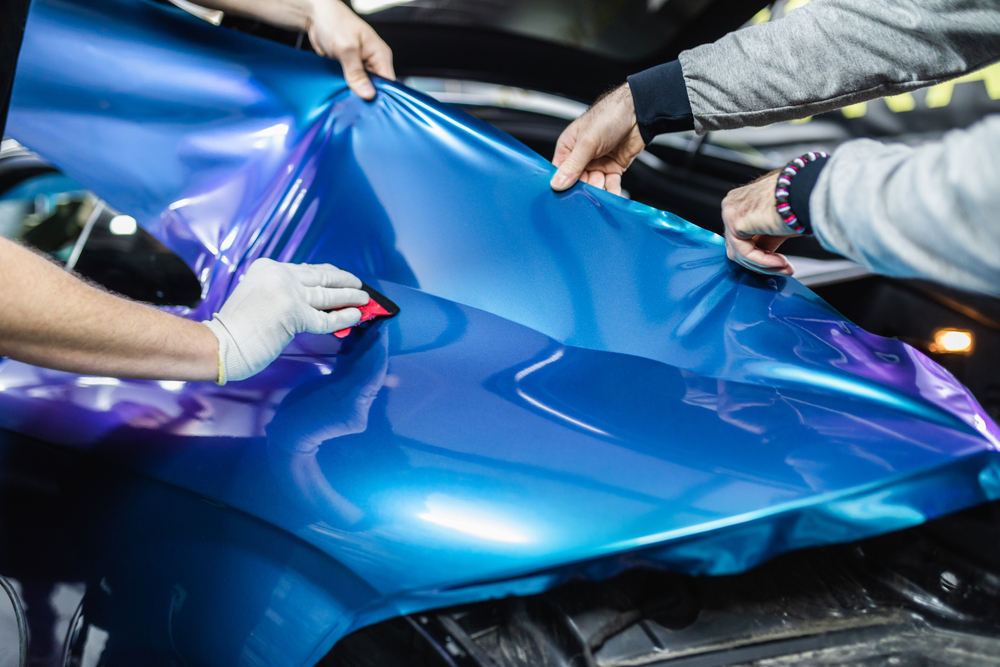
How Much Vinyl To Wrap A Car
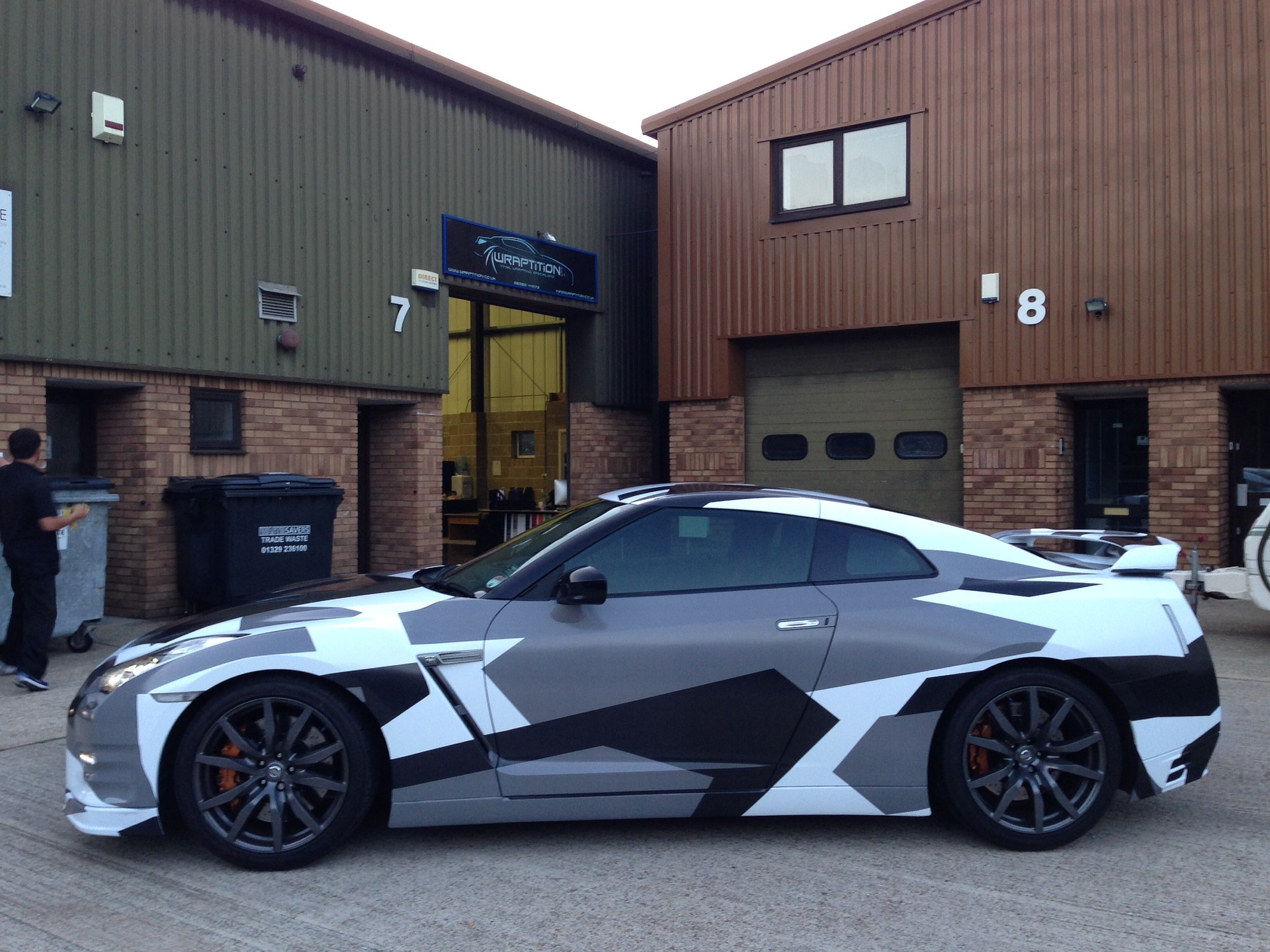
Ever find yourself staring at a car on the street, thinking, "Wow, that color is chef's kiss!" or maybe, "Ugh, that paint job looks like it lost a fight with a can of spray paint at a disco"? Yep, we've all been there. Cars are kind of like our mobile personalities, right? And sometimes, the factory color just doesn't scream "YOU!" loud enough. That's where the magic of vinyl wrapping comes in. It’s like giving your car a whole new outfit, a quick and easy makeover that doesn't involve a single drill or awkward spray tan.
But then comes the big question, the one that makes you pull out your virtual tape measure and start squinting at your beloved set of wheels: "How much vinyl do I actually need to wrap my car?" It's not exactly like buying a bag of groceries where you just grab a couple of apples and call it a day. This is a bit more… strategic. And understanding this is key to not ending up with a car that looks like it’s wearing a patchwork quilt made of disappointment.
Let’s break it down, shall we? Think of it like baking a cake. You wouldn't just grab a handful of flour and hope for the best, right? You need the right amount of ingredients for that perfect, fluffy masterpiece. Same goes for car wrapping. Too little vinyl, and you’ll be scrambling, trying to stretch it in all the wrong places, leading to tears… in the vinyl, and possibly in your eyes. Too much, and well, let's just say your wallet will be looking a little thinner than a supermodel on a diet.
Must Read
The Magic Numbers: Yards and Rolls
So, what are these magic numbers we're talking about? When you're looking into vinyl wrap, you’ll usually see it sold in rolls. These rolls typically come in a standard width, often around 5 feet (or 1.5 meters). The length, however, is where the variation comes in. You'll see lengths measured in yards or even meters. For a standard-sized car, like your everyday sedan or a compact SUV, you're generally looking at needing somewhere between 15 to 20 yards (that's roughly 45 to 60 feet, or about 14 to 18 meters) of vinyl.
Now, this is where the "it depends" clause really kicks in. Think of it like buying fabric for a dress. A flowing, floor-length ballgown will obviously need more material than a cute little sundress, right? A massive truck or a long limousine is going to require considerably more vinyl than a zippy little hatchback. So, that 15-20 yard figure is a good starting point for most common vehicles.
It's All About the Curves and the Details!
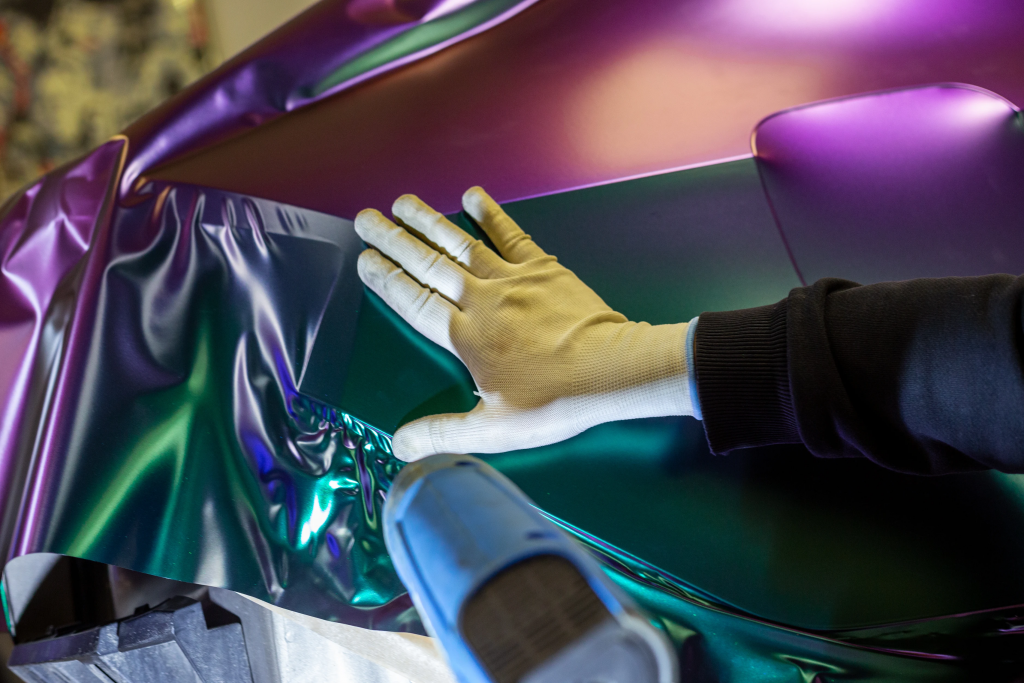
Why the range? Well, cars aren't exactly flat surfaces like a piece of paper. They're full of curves, bumps, and all sorts of interesting nooks and crannies. Imagine trying to wrap a perfectly smooth egg versus a knobbly orange. The orange will definitely require more effort and potentially more material to get all those dimples covered smoothly. Your car has plenty of "orange-like" features!
When you're wrapping, you're not just laying down a flat sheet. You’re stretching, molding, and carefully applying the vinyl to follow the contours of the vehicle. This means you'll need enough material to go over those fenders, around the mirrors, and into those tricky door jambs. Plus, mistakes happen! We’re all human, and sometimes a little bubble forms, or a piece just doesn't lay right, and you have to… ahem… reposition. This is where having a little extra vinyl is your best friend. It's like having a spare tire – you hope you don’t need it, but you’re really glad it’s there if you do.
The "Surprise!" Factor: Why Extra is Your Friend
This is a biggie, folks. Most professionals will tell you to add an extra 10-20% to your calculated amount. Why? Think of it as your "oopsie daisy" buffer. You'll need extra for:
- Trimming and Cutting Errors: Sometimes you just misjudge a cut. It happens to the best of us, even the pros.
- Dealing with Deep Recesses: Areas like door jambs, under the hood, or around intricate trim pieces require extra material to wrap properly without pulling or stretching too thin.
- Complex Shapes: Cars with lots of sharp angles, spoilers, or body kits will naturally use more material.
- Future Repairs: Ever chipped a nail and then chipped a tooth? Okay, maybe that's a stretch, but imagine if a small section of your wrap gets damaged. Having some leftover from the original roll makes matching the color and finish a breeze for a touch-up. You won't have to buy a whole new roll just for a tiny section!
Think about it like buying paint for your living room. The guy at the store might say, "Okay, you'll need two gallons." But the wise homeowner buys two and a half, just in case. That little bit extra saves you a frantic trip back to the store when you realize you're just a tiny bit short of finishing that last wall, leaving you with a half-painted, sad-looking room. Not the vibe we're going for with your car, right?
Different Cars, Different Needs
Let's get a bit more specific. Here’s a general idea for different vehicle types:

- Small Cars (Coupes, Sedans): You might be able to get away with closer to the 15-yard mark, but 17-18 yards would be safer.
- Medium Cars (SUVs, Larger Sedans): Aim for 18-20 yards.
- Larger Vehicles (Trucks, Vans, Larger SUVs): You're looking at 20-25 yards or even more. And for really massive vehicles, like RVs or buses? Well, that’s a whole other ballgame and you’d be talking hundreds of yards!
Remember, these are just ballpark figures. The actual amount can also depend on the specific vinyl you choose. Some vinyls are more forgiving, some are thicker, and some have different stretching properties. Always check the manufacturer's recommendations for the specific vinyl you’re interested in.
Don't Forget the Little Things!
Beyond the main panels, you'll also need vinyl for those smaller, yet crucial, parts. Things like:

- Mirrors
- Door Handles
- Window Trim (B-pillars, C-pillars)
- Grilles
- And sometimes, even interior accents if you're going for a full custom look!
While these don’t consume huge amounts, they add up. And again, having that little bit of extra material ensures you can tackle these without stressing. Imagine trying to wrap your wing mirror with a piece of vinyl that's just too small. You'll be stretching it to its absolute limit, and it'll probably end up looking less like a sleek, glossy finish and more like a stressed-out, shiny piece of cling film.
The Bottom Line: Measure Twice, Cut Once (or, Buy Enough!)
The most reliable way to figure out exactly how much vinyl you need is to measure your car. Seriously, grab a tape measure! Measure the length of each panel (hood, roof, doors, fenders, trunk) and the height. Then, add in the extra percentage for errors and details. Many wrapping suppliers and professional installers have online calculators that can help you with this based on your vehicle's make and model. They're super handy!
At the end of the day, buying a little extra vinyl is a much, much better option than running short. It saves you time, stress, and the frustration of trying to make do with less. Plus, it ensures you get that seamless, professional look that makes your car stand out for all the right reasons. So, when in doubt, err on the side of caution. Your car – and your sanity – will thank you for it!