How Much To Water A Bonsai Tree
So, you’ve finally caved. You’ve seen those ridiculously adorable, miniature trees on Instagram, those perfectly sculpted botanical deities, and thought, "I need one of those!" You’ve marched into the nearest plant shop, bypassed the regular-sized, decidedly less-glamorous trees, and emerged victorious with a tiny tree in a fancy pot. Congratulations, my friend, you are now the proud (and possibly terrified) owner of a bonsai. And let me tell you, the biggest question on your mind, the one keeping you awake at night, is probably: "How much water should I give this finicky little drama queen?"
Let’s be honest, watering a bonsai is less about following a strict recipe and more about developing a relationship. It’s like dating a really high-maintenance celebrity. You can't just show up whenever you feel like it, dump a bucket of water on them, and expect them to be happy. They need attention. They need understanding. And, most importantly, they need the right amount of water, at the right time. Too much, and they start to look like they’re drowning in a tiny, existential crisis. Too little, and they turn into a miniature, sun-baked desert landscape. Nobody wants that.
Now, before you go Googling "bonsai emergency hotline," let’s break this down. There’s no magic ml measurement for every single bonsai, like you’d find in a cocktail recipe. Why? Because every bonsai is an individual! Think of them as tiny, leafy celebrities. Some are tropical divas who want constant misting and filtered water flown in from Fiji (okay, maybe not that extreme). Others are stoic desert dwellers who’d probably prefer you forgot about them for a week (again, not quite). The species of your bonsai is like its astrological sign – it gives you clues, but it's not the whole story.
Must Read
The "Is It Thirsty?" Detective Work
The number one rule of bonsai watering is: Don't water on a schedule. I repeat, do not water on a schedule. Your bonsai isn't a metronome. It doesn't tick-tock its way to dehydration. Instead, you need to become a horticultural Sherlock Holmes, investigating the moisture levels like a seasoned detective.
How do you do this, you ask? It’s surprisingly simple, and frankly, a lot more fun than setting a 7 AM alarm to mist your fig tree. Stick your finger into the soil. Yes, your actual, flesh-and-blood finger. About an inch deep. If it feels dry, like a forgotten cracker at the bottom of a snack bag, then your bonsai is probably thirsty. If it feels damp, like you just licked a dewdrop off a spiderweb (gross, but effective imagery!), then hold off. Your bonsai is still hydrated.

Another handy trick? The weight test. Lift your bonsai pot. When it's just been watered, it'll feel significantly heavier. As it dries out, it’ll get lighter. So, get to know the "happy weight" and the "thirsty weight." It's like a secret handshake between you and your tree. You might feel a bit silly doing this in your living room, but trust me, your bonsai will thank you.
The "How To Water" Masterclass (No Tuxedo Required)
Alright, detective work is done, and your bonsai is officially parched. What’s the best way to quench its thirst? Forget those fancy mister bottles that just make everything look perpetually damp. We’re going for a full-on soak-down, but in a sophisticated, tree-friendly way.
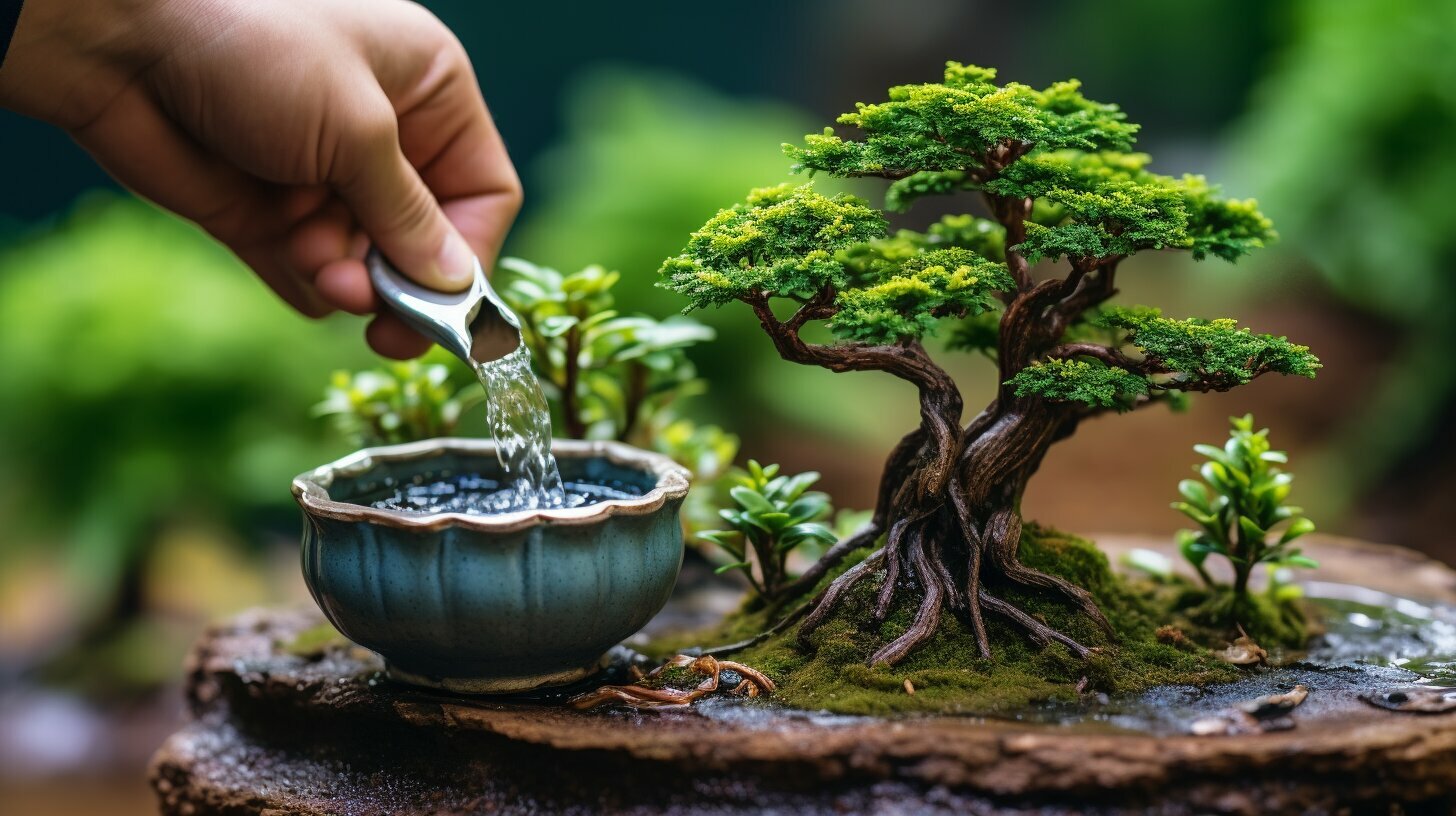
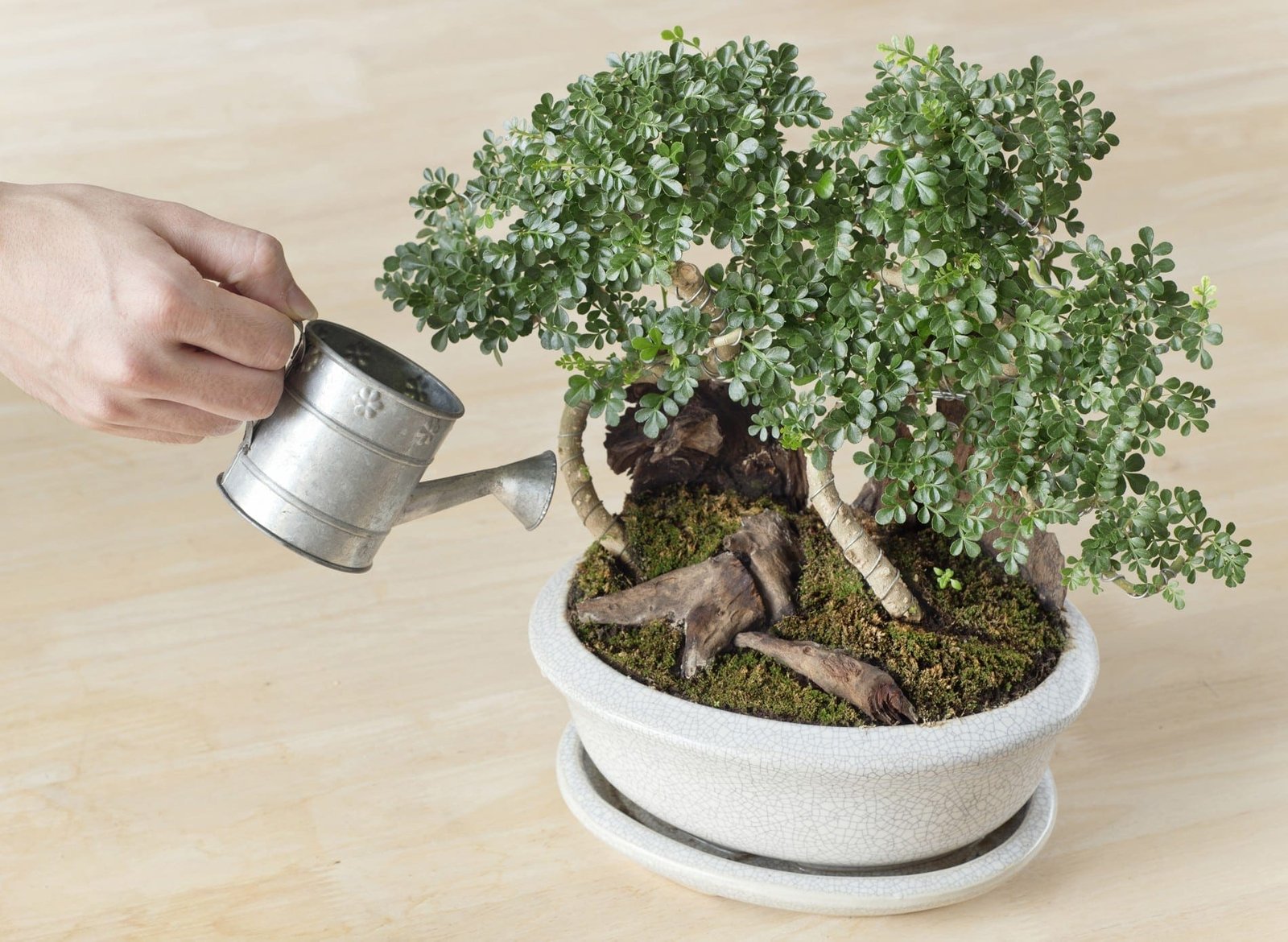
Grab your watering can. Ideally, one with a fine rose spout, so you get a gentle shower, not a fire hose attack. Start watering the surface of the soil, moving in a circular motion. The goal is to saturate the entire root ball. Keep watering until you see water draining freely from the drainage holes at the bottom of the pot. This is crucial, folks! It means the water has reached all the roots and any excess has a way to escape. If water just sits on top, you've got a drainage problem, and that's a whole other adventure.

Some people recommend submerging the entire pot in a basin of water for a few minutes until bubbles stop rising. This is like giving your bonsai a luxurious spa treatment. It’s a great way to ensure the soil is thoroughly moistened, especially if it’s gotten really dry. Just don’t leave it in there for hours like you’re trying to boil a tiny frog. We’re aiming for hydration, not a miniature swamp creature habitat.
When to Be a Watering Warrior (and When to Chill)
Here’s where the celebrity analogy really comes into play. Different bonsai have different needs depending on the season and their environment.
Summer: This is the peak season for many bonsai. Think of it as their summer vacation, where they're out and about, soaking up the sun. They'll drink more. You might find yourself watering daily, sometimes even twice a day, especially if it’s super hot and windy. It’s like keeping a toddler hydrated on a playground – constant vigilance is key.

Spring and Autumn: These are transitional periods. Your bonsai is still growing, but not at full summer speed. Watering frequency will likely decrease. You might be watering every 2-3 days. It's like their spring and fall collections – still stylish, but with slightly less demand.
Winter: This is their hibernation period. They're chilling out, conserving energy. They need significantly less water. You might only need to water once a week, or even less. Overwatering in winter is like giving a hibernating bear a really heavy duvet – it can be detrimental. Make sure the soil is almost dry before you water. Some people even mist their indoor bonsai in winter just to add a touch of humidity, like a gentle reminder that spring will eventually come.
Location, Location, Location! This is a big one. Is your bonsai sitting in a super sunny window? It'll dry out faster than a comedian’s career after a bad joke. Is it in a shadier spot? It’ll need less water. Is it near a heating vent in winter? Prepare for a mini-desert situation. Is it outdoors, exposed to wind and rain? Well, sometimes Mother Nature will do some of the watering for you (but don't rely on her entirely!). You have to observe your specific bonsai in its specific environment.
Species Matters (A Little Bit): A juniper bonsai, for example, might be a bit more forgiving of a slightly drier spell than a ficus, which generally prefers consistent moisture. But remember, even within species, there are variations. It’s like knowing that some people are naturally more dramatic than others, even if they share the same zodiac sign.
Common Bonsai Watering Blunders (and How to Avoid Them)
We’ve all been there. You think you’re doing a great job, and then… disaster. Here are some classic mistakes to sidestep:
- The "Finger Crossed" Method: Just guessing. Nope. Use your finger. It’s the most reliable tool you’ve got.
- The "Drip, Drip, Drip" Illusion: Watering until you see a tiny bit of water drip out. That’s not enough! You need to saturate the entire root ball. Think of it as a good, long drink, not a sip.
- The "Perfect Pot, Perfect Drainage" Fallacy: Even with drainage holes, if you’re constantly watering a soggy soil, you can still create anaerobic conditions, which is basically the tree suffocating its own roots. Yikes!
- The "My Neighbor Does It This Way" Trap: Your neighbor’s bonsai might be a completely different species, in a completely different climate, and have a completely different personality. Take advice, but then do your own detective work.
So, there you have it. Watering your bonsai isn't rocket science, but it does require a little bit of love, a lot of observation, and a healthy dose of common sense. Become a student of your tree. Learn its rhythm, its sighs, its subtle cues. And before you know it, you'll be the proud guardian of a miniature masterpiece, watered to perfection, and looking more fabulous than a Hollywood star on a red carpet. Happy watering!