How Much To Replace A Fuse Box
Okay, confession time. My oven, bless its ancient heart, decided to go on strike last Tuesday. Not a dramatic, sparks-flying-everywhere strike, mind you. More of a quiet, dignified refusal to acknowledge the existence of electricity. I’d flicked the switch, expecting the comforting glow of my preheating nemesis, and got… nothing. Nada. Zilch. My dreams of perfectly roasted chicken were dissolving faster than a cheap ice cream cone on a July sidewalk.
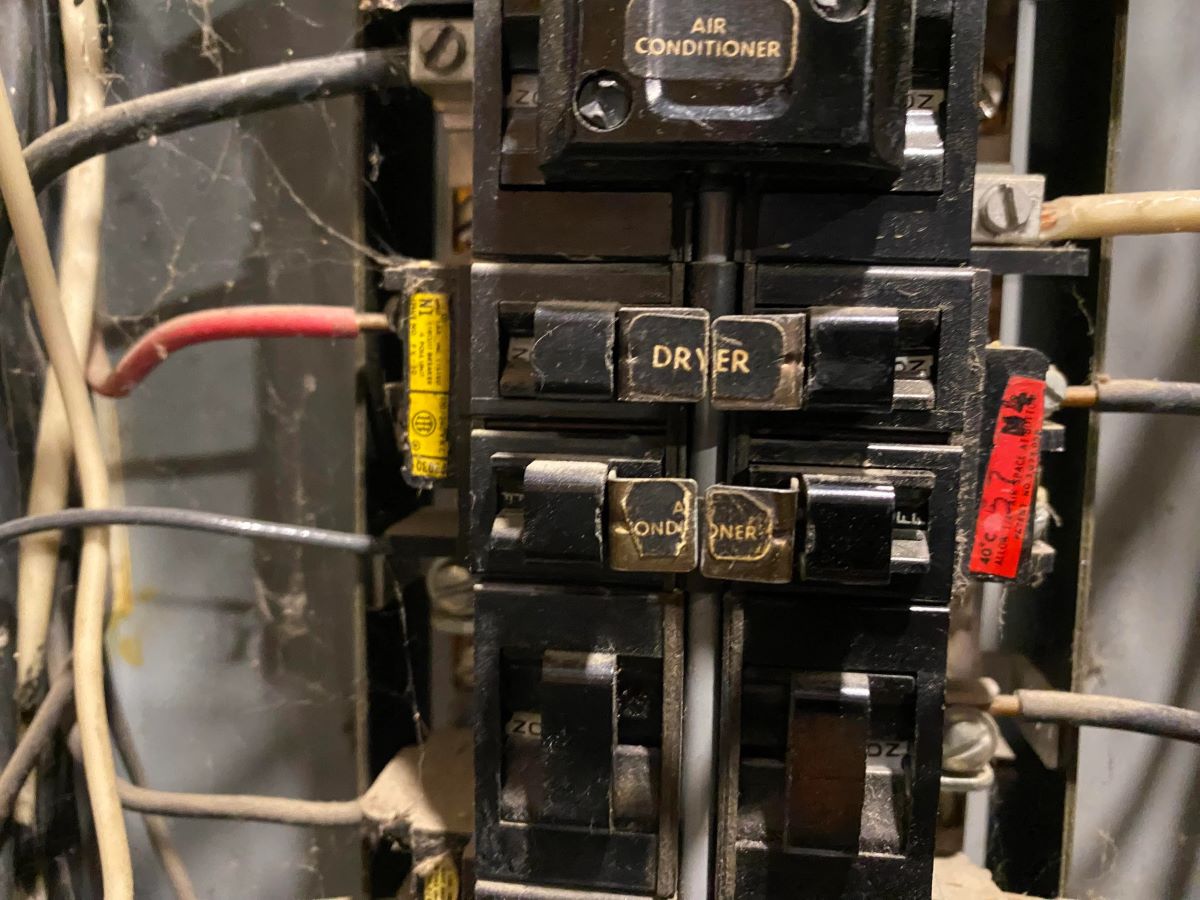
After a quick panic-induced Google search (which mostly yielded results about the perils of ghost possession in kitchen appliances, thanks internet), I decided to take a peek behind the unassuming metal door in my hallway. You know the one. The one that looks like it’s guarding secrets of the universe, but is actually just a collection of grumpy switches. My fuse box. Or, as I affectionately call it, the "House Heartbeat Monitor."
And there it was. Not a blown fuse, which would have been a relatively simple and dare I say, cheap fix. No, this was a different beast. The whole panel looked… tired. Like it had seen one too many power surges and was ready for a well-deserved retirement. This, my friends, is where our little oven adventure takes a sharp turn into the land of bigger home improvement questions.
Must Read
So, you find yourself staring at a similar electrical panel, maybe it's buzzing ominously, maybe your lights are flickering like a discount disco ball, or maybe, just maybe, you’ve got a growing collection of appliances that are inexplicably refusing to work. What's the damage? How much does it actually cost to replace a fuse box? Let's dive in, shall we?
The Great Fuse Box Unveiling: What's Actually Going On?
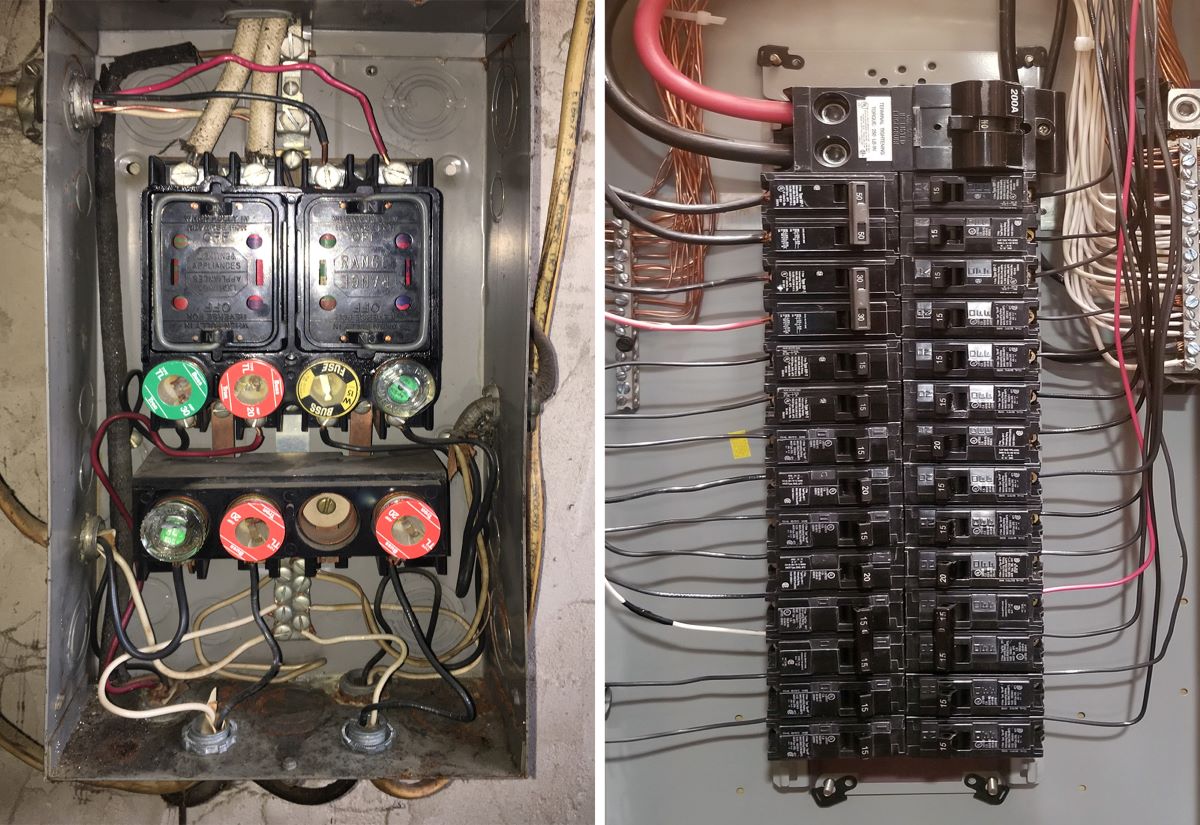
First off, let's get our terminology straight. While we often say "fuse box," many modern homes actually have what's called a breaker panel or electrical panel. Fuses are those little glass-topped cylinders that literally blow out when overloaded. Breakers are the switches you flip up and down. They still trip, but you just reset them. Much more convenient, right? But the underlying question remains the same: how much will it set you back to upgrade or replace this crucial piece of your home's infrastructure?
The short answer? It’s not a simple, one-size-fits-all number. Think of it like asking how much a car costs. Depends on the make, model, year, and whether it’s got leather seats and a sunroof. Your electrical panel is no different. There are a gazillion factors that play into the final price tag.
But fear not, intrepid homeowner! We're going to break it down, section by section, so you can go from bewildered to (somewhat) informed. Maybe even enough to have a semi-intelligent conversation with an electrician without them thinking you just fell off the turnip truck. (No offense to turnip truck enthusiasts, of course.)
The "Why" Behind the Replacement: It's Not Just About Age
So, why would you even consider replacing your fuse box or breaker panel? Is it just because it’s old and grumpy, like my oven?
Well, age is definitely a factor. Older homes often have outdated electrical systems that simply can't handle the demands of modern living. Think about it: our grandparents weren't running three laptops, a smart TV, a Wi-Fi router, a microwave, and an electric car charger simultaneously. These old panels weren't designed for that kind of electrical workout.

Here are some of the main culprits:
- Outdated Technology: We're talking about fuse boxes that are genuinely, like, decades old. They might not have enough circuits for your needs, and they can be a fire hazard. Plus, finding replacement fuses can become a treasure hunt.
- Under-Sized Panels: As mentioned, modern homes need more power. If your panel has too few circuits, it's constantly being overloaded, which leads to…
- Frequent Tripping Breakers (or Blown Fuses): This is the most obvious sign. If you're constantly resetting breakers or replacing fuses, your system is screaming for help. It’s like a constant, annoying alarm bell telling you something’s not right.
- Visible Damage or Corrosion: Seriously, take a peek. If you see rust, burn marks, or loose wires, that's a big, flashing red siren. Don't mess with that. Call a professional. Like, yesterday.
- Safety Concerns and Code Compliance: Electrical codes are updated for a reason – to keep us safe. An old panel might not meet current safety standards, which can be a problem for insurance or when you sell your home. Nobody wants to buy a house that’s a ticking time bomb, right?
- Aluminum Wiring Issues: In some older homes, aluminum wiring was used. This stuff can be a real pain and requires special connectors and careful handling. If you have it, it might be part of the reason you need an upgrade, or at least a very specialized inspection.
It’s not just about having enough juice; it’s about having it safely. And sometimes, that means saying goodbye to your old panel and welcoming a shiny, new, and much more capable one.
The Price Tag: Where Does the Money Go?
Alright, let's get down to the nitty-gritty. How much are we actually talking about? This is where things get a bit fuzzy, because, as I said, it’s not a fixed price. But we can break down the main cost drivers:
1. The Panel Itself: The Heart of the Matter
This is the actual box that houses all your breakers or fuses. They come in different sizes (number of circuits) and brands. A basic 100-amp panel might be significantly cheaper than a 200-amp behemoth that can handle all your modern electrical demands.
Think of it like buying a laptop. You can get a basic model for under $500, or you can go for the souped-up gaming rig that costs a few grand. The panel is no different. The quality of the brand and the amperage rating are key players here.
General Price Range (for the panel unit only): You might be looking at anywhere from $100 to $500 for the panel itself, depending on the specs. Higher amperage panels will naturally cost more.

2. Labor Costs: The Electrician's Expertise
This is usually the biggest chunk of the bill. Replacing a panel isn't a DIY job for the faint of heart (or for those who value their life and their home's structural integrity). You need a licensed and insured electrician. And these pros know their stuff, which is valuable!
The complexity of the job plays a huge role here:
- Accessibility: Is your current panel in a cramped closet or a wide-open basement? The easier it is to get to, the less time (and money) it will take.
- Wiring Condition: If the existing wiring is a tangled mess of ancient wires, it’s going to take more time and effort to safely disconnect and reconnect everything.
- Adding Circuits: Are you just replacing the panel, or are you also adding new circuits for that fancy new hot tub or that enormous Christmas light display you’re planning? That adds time and complexity.
- Permits and Inspections: Most municipalities require permits for electrical work, and this involves inspections. The electrician will factor in the cost of obtaining these and the time it takes for the inspector to come out.
General Price Range (for labor): This can swing wildly, but expect to pay anywhere from $500 to $1500 or even more for the labor alone. This is highly dependent on your local rates and the complexity of the installation.
3. Additional Materials and Potential Surprises
Sometimes, the electrician might need a few extra bits and bobs to get the job done right. This could include new wiring, conduit, breakers (if you're not just replacing the panel itself), or even a new sub-panel if you're expanding your electrical system.
And then there are the “uh-oh” moments. You know, when the electrician opens up the old panel and finds something completely unexpected and problematic. This could be damaged wiring insulation, a poorly installed previous connection, or something entirely bizarre. These are the moments that can send the bill soaring. It’s like finding out your car needs a whole new transmission when you just thought you needed an oil change.
General Price Range (for extras): This is the wild card. Could be as little as $50 for some connectors, or it could be hundreds if significant unexpected issues arise.
So, What's the Grand Total? Putting it All Together
Okay, drumroll please…

For a standard panel replacement in a typical home, you're generally looking at a range of:
$800 to $2,500.
Now, that's a pretty wide net, right? Let's break that down a little further:
- Basic Replacement (Smaller Panel, Straightforward Installation): You might be on the lower end, closer to $800 - $1,200. This is for a simple swap with no major issues or added circuits.
- Mid-Range Replacement (Larger Panel, Some Complexity): This is where most homeowners will fall, probably in the $1,200 - $1,800 range. This accounts for a decent amperage panel and some typical wiring considerations.
- High-End Replacement (Large Amperage, Complex Issues, Added Circuits): If you need a high-capacity panel, have significant wiring problems, or are adding multiple new circuits, you could easily be looking at $1,800 - $2,500+.
And then there are the absolute worst-case scenarios. If your house has a truly ancient, problematic wiring system, or if the installation is extremely complex (think historic homes with plaster walls, or very remote locations), the costs can go even higher. We’re talking $3,000, $4,000, or even more. It’s not common, but it is possible.
Factors That Will Seriously Impact the Price (Your Wallet's Best Friends/Enemies)
Let's highlight some of the absolute biggest players in the cost game, so you know what to expect:
1. Amperage Rating (The "How Much Power" Question)
This is probably the single biggest factor after labor. Most older homes might have 60-amp or 100-amp service. Modern homes often require 200-amp service to handle all our gadgets and gizmos. Upgrading your amperage means a bigger panel and often requires the utility company to upgrade the service entrance cable, which adds to the cost.
2. Location, Location, Location (Your Zip Code Matters!)
Electrician rates vary dramatically by region. A licensed electrician in a major metropolitan area will likely charge more than one in a rural town. It’s all about the cost of living and demand.
3. The Type of Panel: Fuse vs. Breaker
While I started this talking about fuse boxes, most replacements will be to a breaker panel. If you are somehow replacing an actual fuse box with another fuse box (which is highly discouraged for safety reasons), it might be slightly cheaper for the unit, but the labor to install it safely will still be significant. The real cost is in the modernization and safety that a breaker panel provides.
4. DIY vs. Professional (Seriously, Don't DIY This One!)
I can’t stress this enough. Electrical work is dangerous. You can easily start a fire, electrocute yourself (ouch!), or cause damage that’s far more expensive to fix than the electrician’s bill. Get quotes from multiple qualified electricians. Never go with the cheapest quote without doing your due diligence. Look for reviews, ask for references, and ensure they are licensed and insured.
5. Permit Costs
Don’t skip the permit! It’s there for your protection. The cost varies by municipality, but it's usually a few hundred dollars. It’s worth it for the peace of mind and to ensure the work is up to code.
Getting Your Quotes: How to Navigate the Process
So, you’ve decided it’s time. You’ve seen the flickering lights, you’ve heard the faint buzzing, and you’ve decided your home deserves better than a temperamental electrical system. What’s your next move?
- Do Your Homework (A Little): Get an idea of what amperage you need. Is your current system struggling? Are you adding major appliances? A quick chat with a knowledgeable friend or a quick online search about typical electrical needs for your home size can be helpful.
- Get Multiple Quotes: Seriously, aim for at least three different electricians. Call around, explain what you need (panel replacement, desired amperage, any known issues).
- Ask Detailed Questions: Don't be shy! Ask what’s included in the quote. Does it cover permits? Are they replacing the service entrance cable if needed? What’s their warranty on the work? What brand of panel are they recommending and why?
- Understand the Scope: Make sure each electrician is quoting for the exact same job. This way, you can compare apples to apples.
- Check Reviews and References: A good electrician will have a solid reputation. Look them up online, check their BBB rating, and if possible, ask for references.
Remember, this isn’t just about replacing a box. It’s about investing in the safety and functionality of your home. A properly functioning electrical panel is the backbone of your entire house. It’s the silent guardian, ensuring your lights stay on, your appliances hum along, and you don’t accidentally start a fire while trying to make toast.
So, when that oven decides to take another day off, or when you notice those persistent flickers, don’t just shrug it off. Take a look, consider the possibilities, and get those quotes. It’s an investment that’s well worth it for peace of mind. And who knows, you might even get to enjoy that perfectly roasted chicken again. Mine eventually came back to life after I had my own electrical panel upgraded. Little diva. But that, my friends, is a story for another day.